




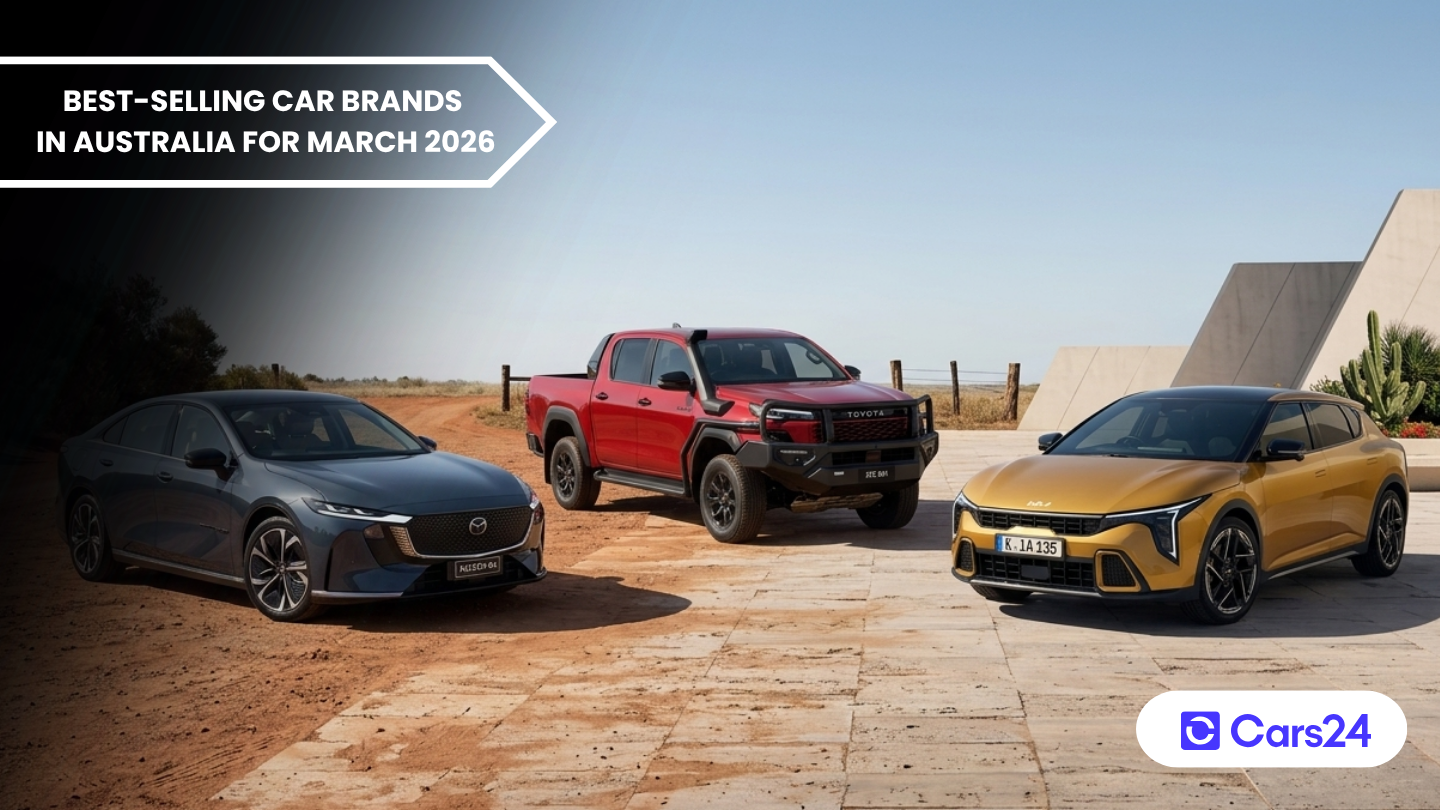
Australia’s new vehicle market showed signs of cooling in March 2026, with 105,058 vehicles sold, a 3.3% decline compared to the same month last year, according to the latest VFACTS data.
Despite the overall dip, the month was defined by a sharp rise in electric vehicle demand, with EVs reaching a record 14.6% share of total sales. Ongoing fuel uncertainty and policy discussions appear to be pushing more buyers toward electrified options.
At the brand level, Toyota once again led the market by a significant margin, while Kia and BYD surged into the top three. Here are the top 10 car brands sold in March 2026.


Top 10 car brands sold in March 2026
| Car Brands | Sales (March 2026) | Sales (February 2026) |
| Toyota | 16,574 | 13,606 |
| Kia | 7,320 | 6,710 |
| Mazda | 7,156 | 7,042 |
| Ford | 7,149 | 6,907 |
| Hyundai | 6,979 | 6,266 |
| BYD | 7,217 | 5,323 |
| GWM | 5,680 | 4,689 |
| Mitsubishi | 5,001 | 4,755 |
| Chery | 4,018 | 3,938 |
| MG | 4,218 | 3,254 |
March 2026 car sales at a glance
Toyota remained firmly in control of the Australian market, extending its lead with more than 16,500 deliveries. Its broad mix of SUVs, utes, and hybrid models continues to give it unmatched reach across segments.
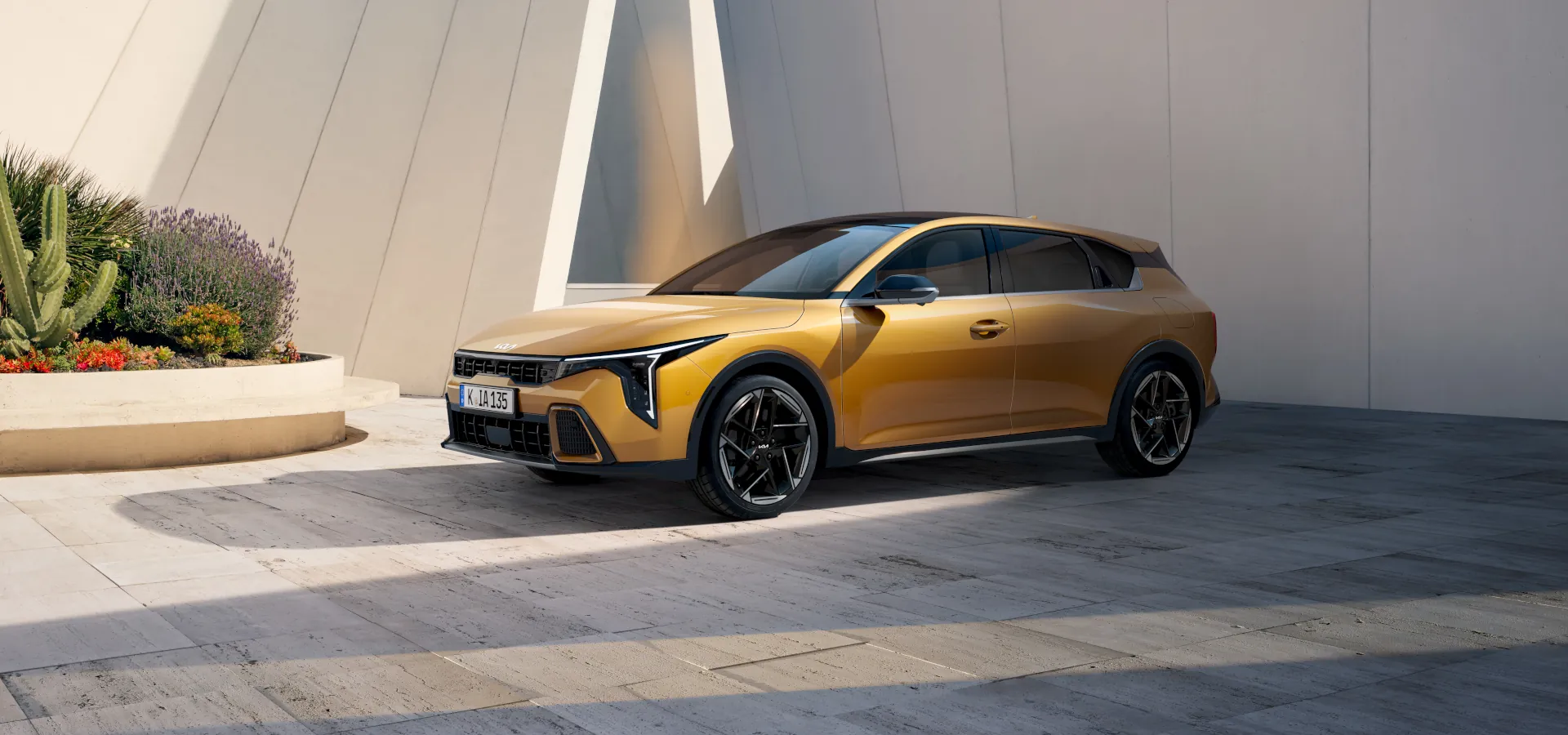
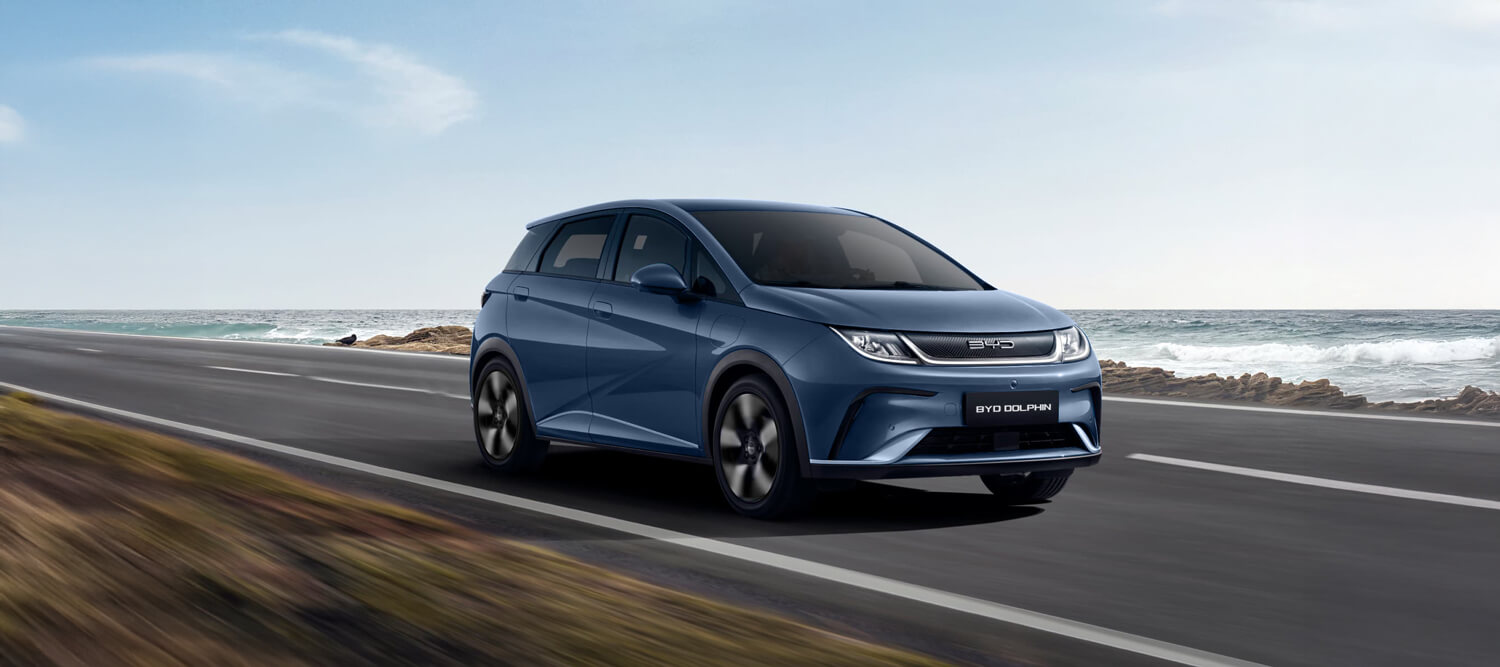
Kia climbed into second place for the month, narrowly edging out BYD, which delivered another standout result. BYD’s continued rise highlights how quickly it has transitioned from a niche EV player into a mainstream volume brand.
Mazda slipped to fourth despite posting a steady result, while Ford rounded out the top five, supported once again by strong Ranger demand. Hyundai remained close behind, maintaining consistent momentum in the SUV space.
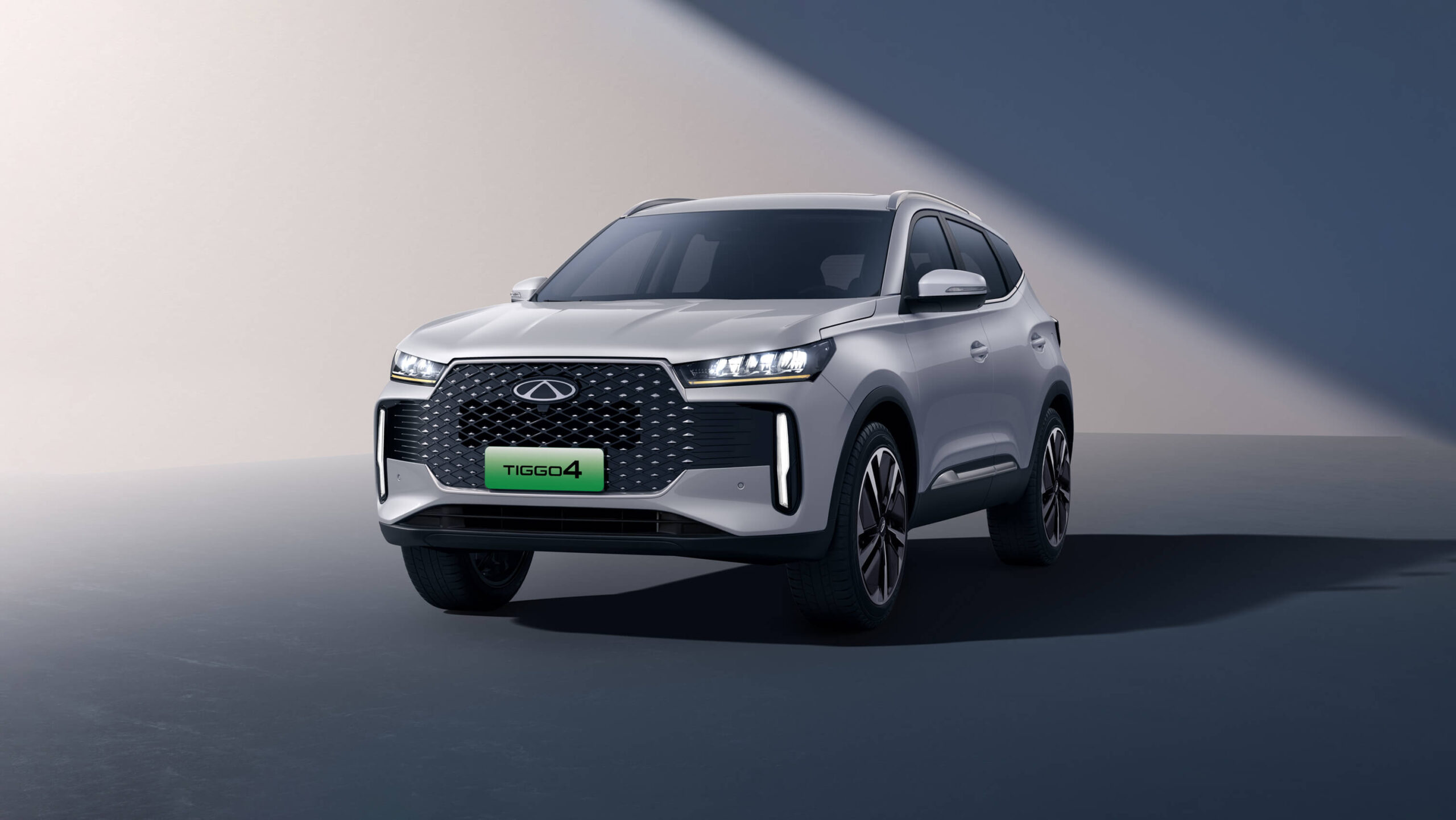
Chinese brands continued to strengthen their foothold. GWM, Chery, and MG all posted month-on-month gains, reinforcing the growing influence of value-focused and electrified offerings in Australia.
Mitsubishi delivered a stable performance during what remains a transitional period for its lineup, holding onto a mid-pack position.
At the model level, the Ford Ranger led the market, followed by the Toyota HiLux and Nissan X-Trail, with SUVs and utes continuing to dominate buyer preferences.
Market insights: March 2026 vs February 2026
Compared to February, most brands recorded modest growth in March, suggesting underlying demand remains resilient despite broader market softness year-on-year.
However, the bigger story lies in shifting buyer behaviour. EV market share nearly doubled year-on-year, marking the biggest structural shift in the market. This spike is likely influenced by external factors such as fuel supply concerns linked to global events and ongoing policy reviews around EV incentives.
At the same time, traditional segments showed mixed results. Passenger vehicle sales declined, while SUVs posted slight growth, continuing their dominance as Australia’s preferred vehicle type. Light commercial and heavy commercial segments both recorded notable drops.
The competitive landscape is also evolving rapidly. Chinese brands like BYD, GWM, and Chery are no longer fringe players, they are now firmly embedded in the top 10 and gaining ground each month.
Toyota still sets the benchmark, but March’s results underline a market in transition. Electrification is accelerating, competition is intensifying, and global factors are playing a bigger role in shaping buyer decisions.
If current trends continue, 2026 could mark a turning point for Australia’s new car market.

Comments
New Comment