




Australia’s new-car market softened in March 2026, with 105,058 vehicles delivered, representing a 3.3 per cent decline compared to March 2025 according to the latest VFACTS data. With 25.5 selling days in both March 2025 and March 2026, this equates to 139.1 fewer vehicles sold per day.
However, the headline story this month is the surge in EV uptake. A total of 15,839 battery electric vehicles (BEVs) were sold, accounting for 14.6 per cent of total sales, nearly double the 7.5 per cent share recorded in March last year.
Tthe Federal Chamber of Automotive Industries (FCAI), noted that this spike may be influenced by external factors such as geopolitical fuel concerns and EV policy discussions. It also highlighted that VFACTS excludes some EV sales, including those from Tesla, meaning actual EV uptake is likely higher.


Top 10 cars sold in March 2026
| Model | March 2026 | March 2025 |
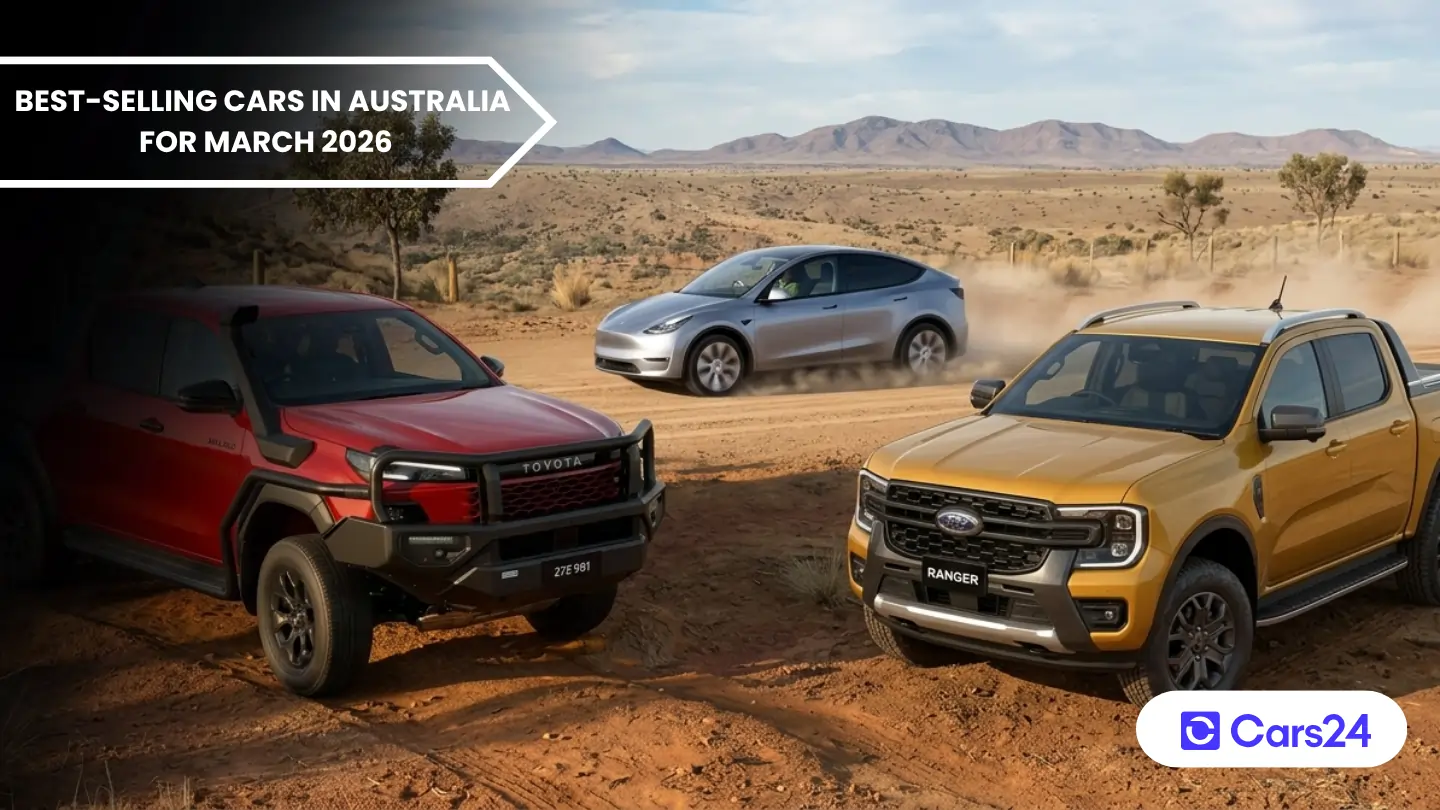
| Ford Ranger | 4,452 | 4,932 |
| Toyota Hilux | 4,167 | 4,081 |
| Tesla Model Y | 2,818 | 1,725 |
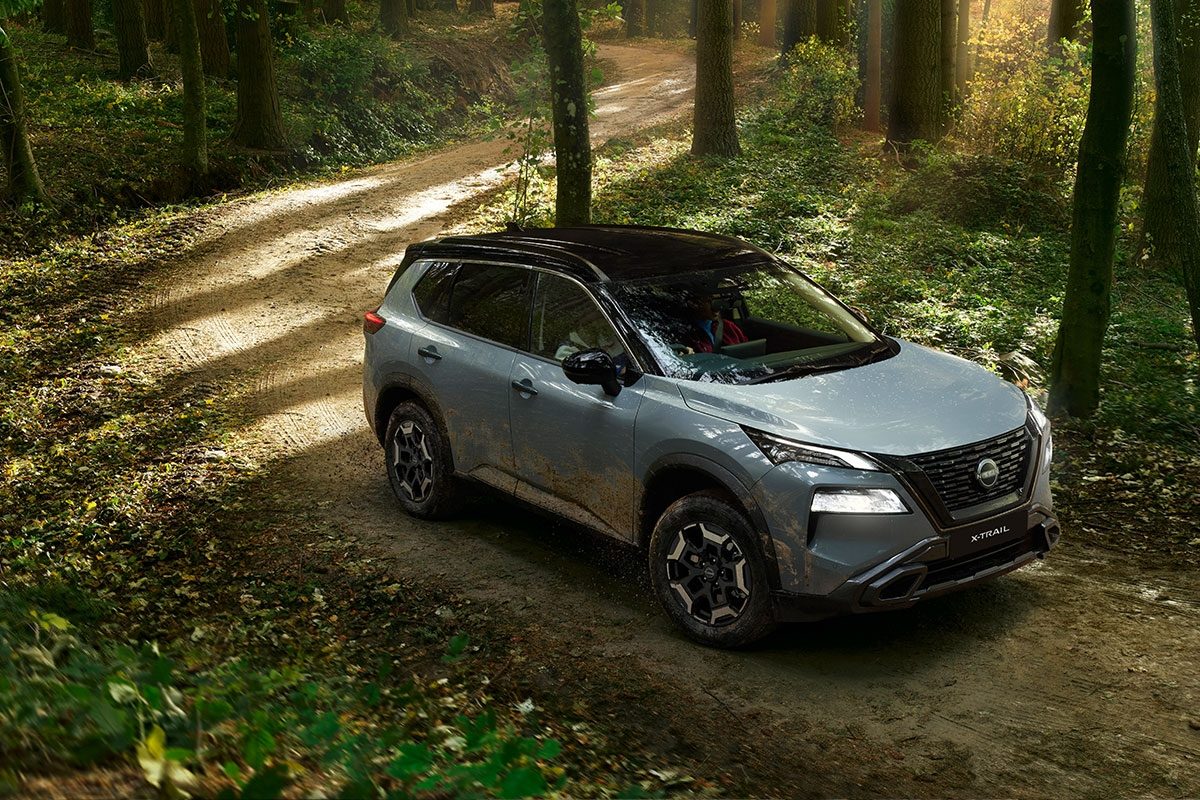
| Nissan X-Trail | 2,438 | 1,945 |
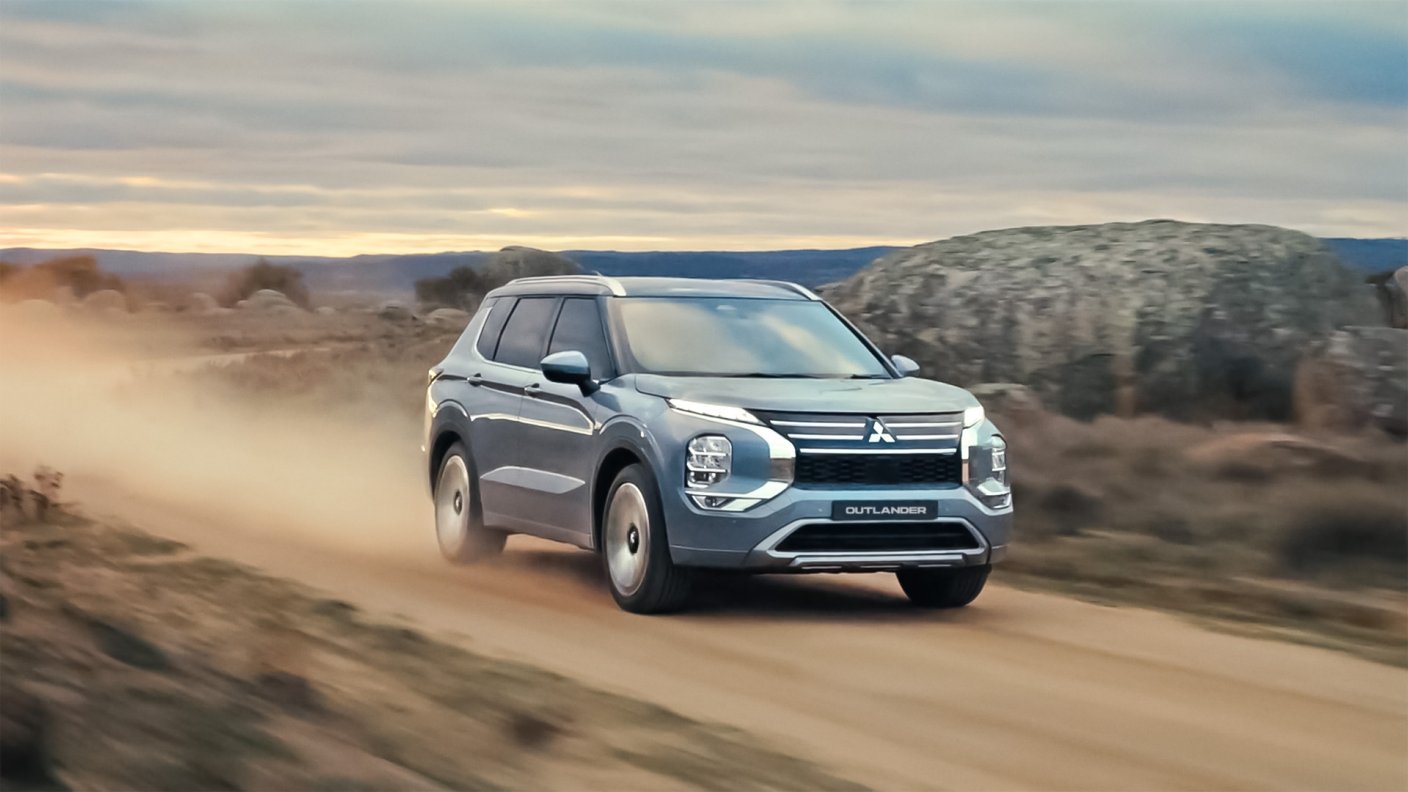
| Mitsubishi Outlander | 2,318 | 3,005 |
| Hyundai Kona | 2,316 | 2,011 |
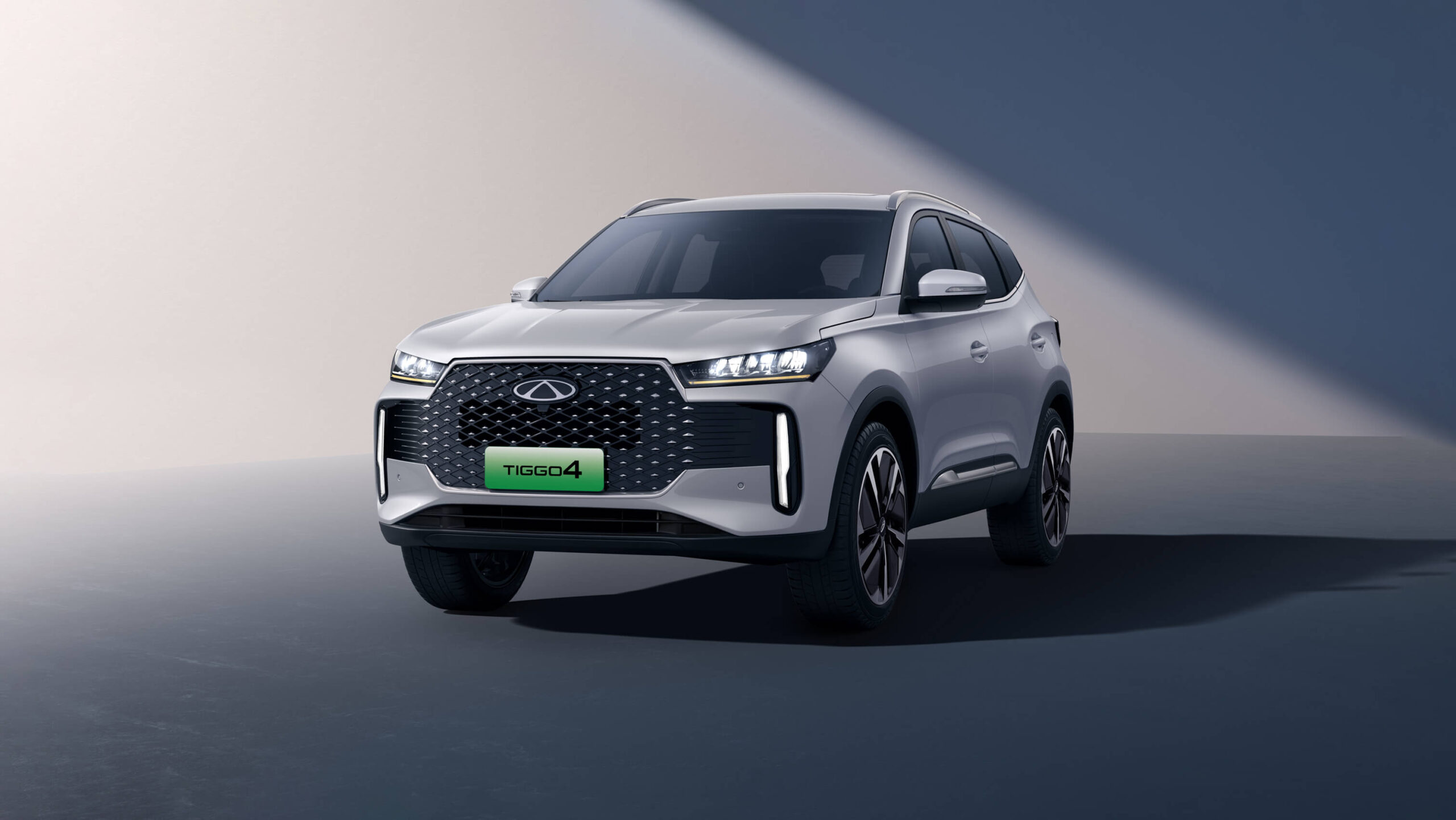
| Chery Tiggo 4 Pro | 2,258 | 1,252 |
| Isuzu Ute D-Max | 2,167 | 2,088 |
| Hyundai Tucson | 2,042 | 1,831 |
| Haval Jolion | 2,013 | 1,568 |
Key takeaways
- Overall sales fell by 3.3 per cent year-on-year, with declines across most segments. Passenger vehicles dropped 7.5 per cent, while light commercial vehicles, typically dominated by utes, fell 10.5 per cent.
- The SUV segment was the only major category to grow, up 0.9 per cent, reinforcing its dominance in Australia. Models like the Nissan X-Trail and Hyundai Kona continue to perform strongly.
- The Ford Ranger and Toyota Hilux remain Australia’s top-selling vehicles, although both experienced mixed year-on-year results as the light commercial segment declined.
- Once non-VFACTS EV data is included, the Tesla Model Y ranks third overall, making it one of the standout performers of the month and the highest-selling EV in Australia.
- Battery electric vehicles reached a record 14.6 per cent market share, with models like the BYD Sealion 7 contributing to the surge. This reflects growing consumer interest in electrification, even amid broader market softness.
- The Chery Tiggo 4 Pro and Haval Jolion posted strong gains, highlighting the increasing competitiveness of value-focused brands in Australia.
- Toyota remained the market leader with 16,574 sales, well ahead of Kia (7,320) and BYD (7,217). Toyota led Kia by a substantial margin of 9,254 vehicles and 8.8 percentage points of market share.
Segment shake-up
March 2026 underscores a market in transition. While SUVs and utes continue to dominate, the composition within these segments is shifting.
Affordable compact SUVs such as the Chery Tiggo 4 Pro are attracting budget-conscious buyers, while more established nameplates like the Mitsubishi Outlander are facing increased competition and declining volumes.
At the same time, the rapid increase in EV adoption suggests that electrification is moving beyond early adopters. The strong performance of the Tesla Model Y now firmly inside the top three signals a meaningful shift in consumer behaviour.
However, the FCAI warns that infrastructure development, especially public charging will be critical in sustaining this growth trajectory.
Final thoughts
March’s results paint a picture of a market balancing short-term challenges with long-term transformation. While total sales have dipped, the surge in EV adoption like the Tesla Model Y and continued strength of SUVs signal changing consumer priorities.
Leaders like the Ford Ranger and Toyota Hilux remain firmly entrenched, but rising competition from Chinese brands and EV-focused manufacturers is reshaping the landscape.
If EV momentum continues and infrastructure keeps pace, Australia could be on the cusp of a more significant shift toward electrified mobility in the years ahead.

Comments
New Comment