




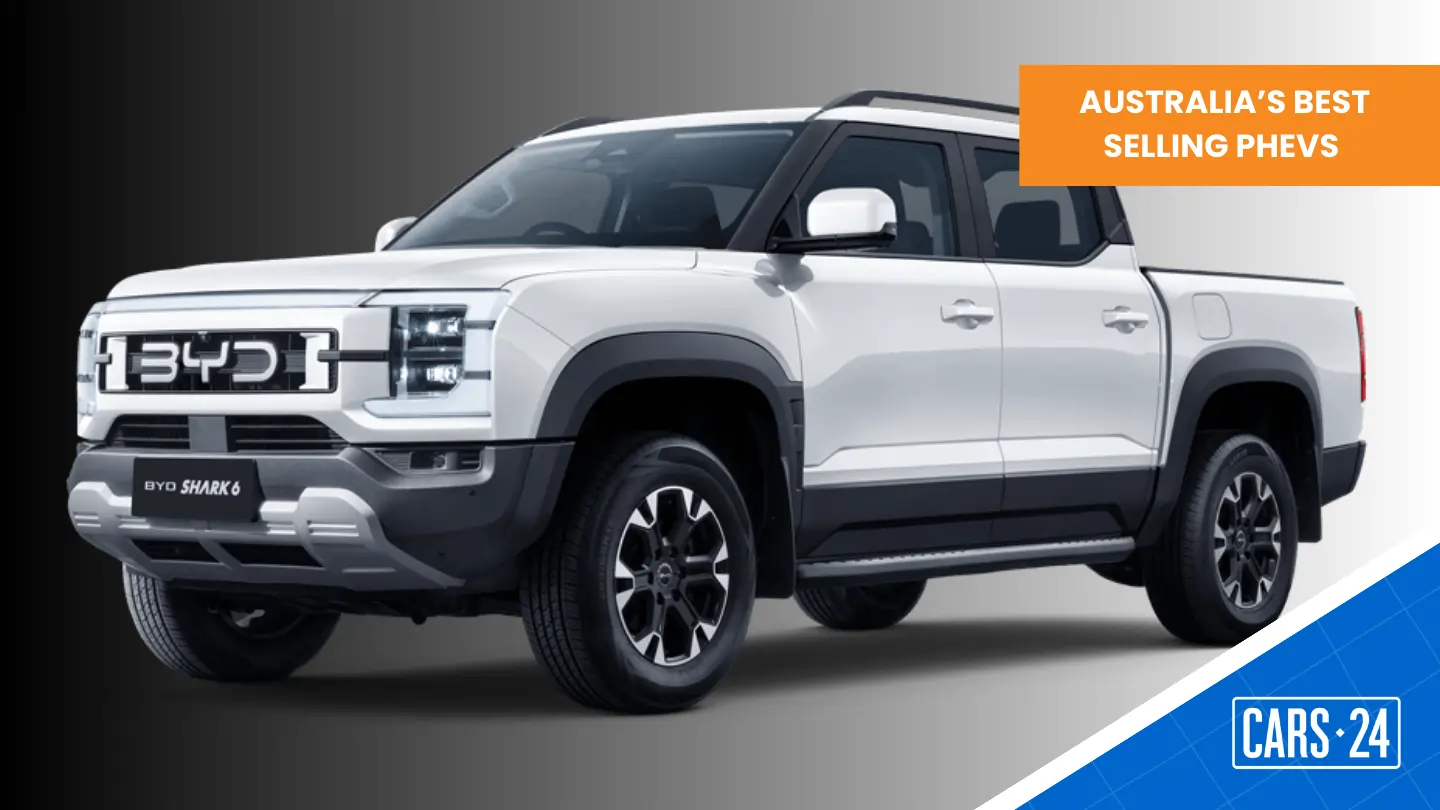
Plug-in hybrid electric vehicle (PHEV) sales surged to a record high in Australia in 2025, with new model launches. This was seen particularly from Chinese brands, driving the fastest growth of any powertrain type in the market.
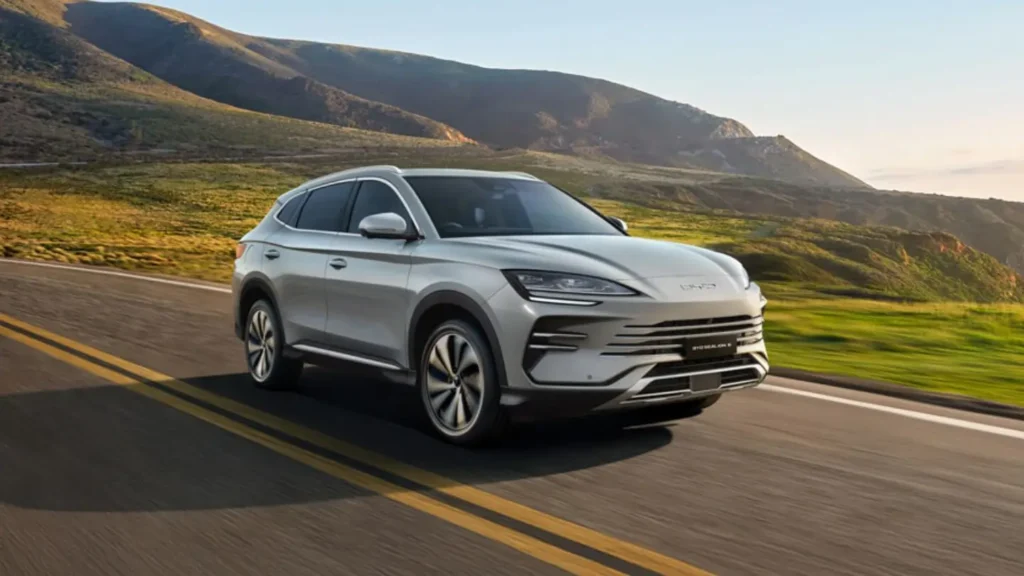
Data from the Federal Chamber of Automotive Industries (FCAI) shows 53,484 PHEVs were sold last year, up 130.9 per cent from 23,163 units in 2024, despite the Fringe Benefits Tax (FBT) exemption ending on April 1, 2025. Here’s what the top 10 list looks like:
| Model | 2025 Sales |
| BYD Shark 6 | 18,073 |
| BYD Sealion 6 | 9,055 |
| Mitsubishi Outlander PHEV | 4,110 |
| GWM Haval H6 PHEV | 2,542 |
| GWM Cannon Alpha PHEV | 1,371 |
| BMW X3 PHEV | 1,305 |
| Mitsubishi Eclipse Cross PHEV | 1,297 |
| Ford Ranger PHEV | 1,143 |
| Jaecoo J7 PHEV | 1,134 |
| Geely Starray EM-i | 1,066 |
BYD dominates as Shark 6 tops the charts
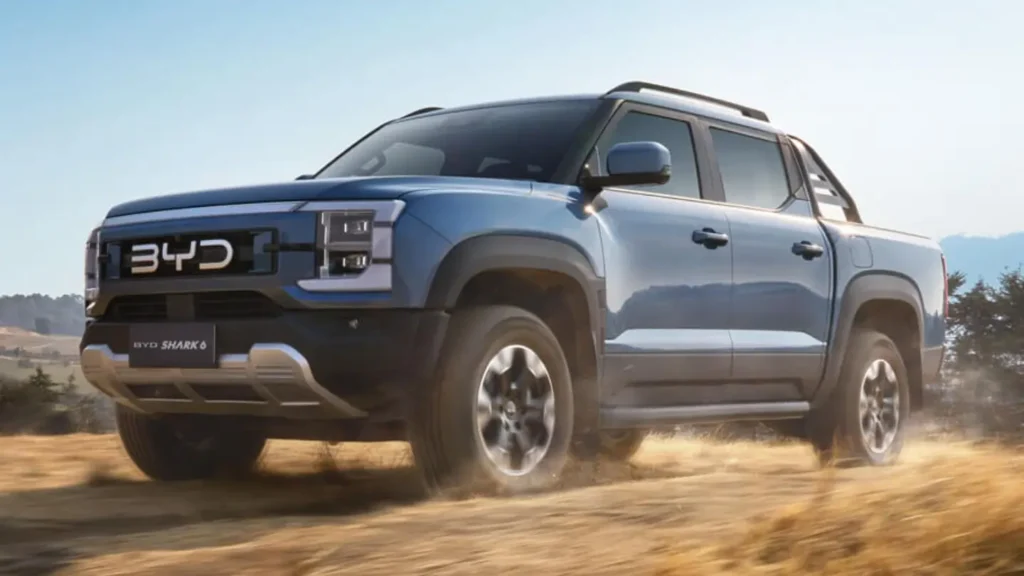
The BYD Shark 6 ute emerged as Australia’s best-selling PHEV in its first full year on sale, recording 18,073 deliveries. It finished well clear of the BYD Sealion 6, which placed second with 9055 sales.
Together, the two BYD models gave the brand more than a 50 per cent share of Australia’s PHEV market, making it the country’s top plug-in hybrid manufacturer for 2025.
The arrival of plug-in hybrid utes reshaped the segment, with the GWM Cannon Alpha PHEV and Ford Ranger PHEV also posting strong first-year results and establishing a new electrified ute category.
Established players see mixed results
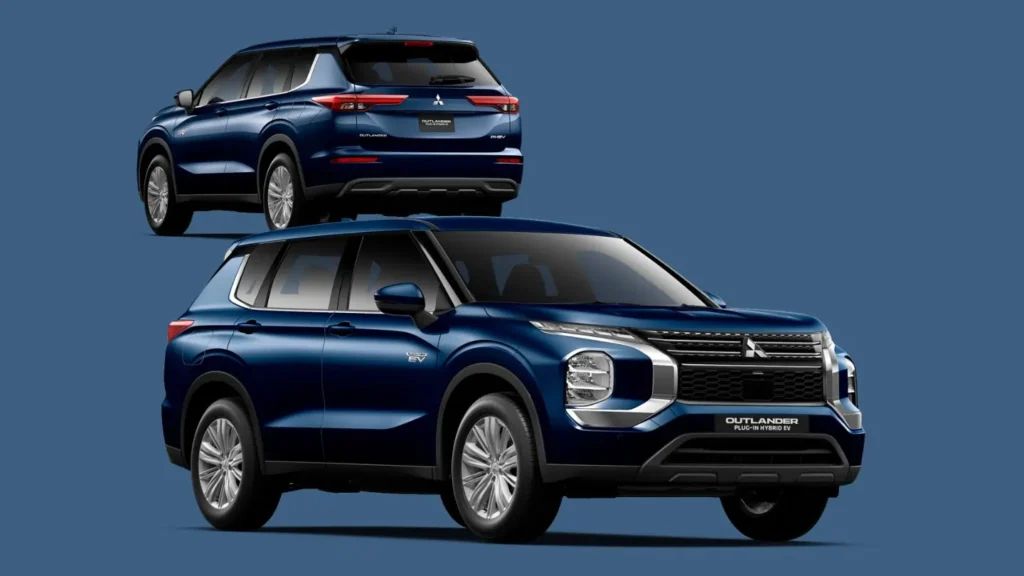
The Mitsubishi Outlander PHEV finished third overall with 4110 sales, though volumes were down 33 per cent year-on-year ahead of an updated model due in Australian showrooms. Mitsubishi’s Eclipse Cross PHEV saw a sharper decline following its discontinuation, after failing to meet updated safety regulations introduced in March 2025.
Other mainstream brands recorded steadier growth, including Mazda, BMW, and Lexus, supported by improved supply and new-generation plug-in hybrid models.
New Chinese brands gain ground
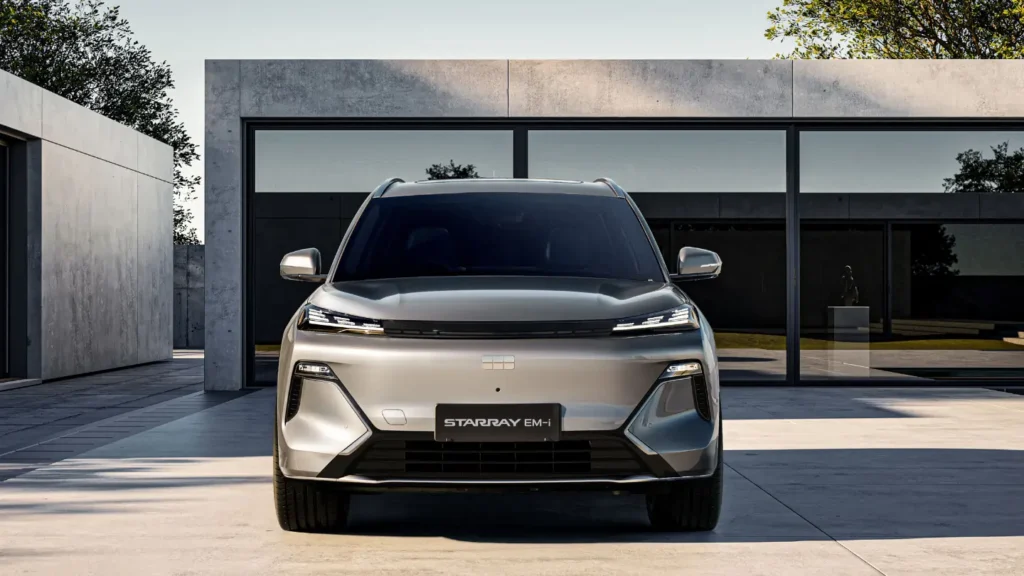
Several Chinese manufacturers entered the Australian PHEV market in 2025, contributing significantly to overall growth.
The Jaecoo J7 and Geely Starray EM-i both finished inside the top 10 PHEV models for the year, while Chery expanded its range with multiple Tiggo plug-in hybrids. GWM also broadened its PHEV line-up beyond the Haval H6 to include the Cannon Alpha and Tank 500.
Premium brands post strong percentage growth
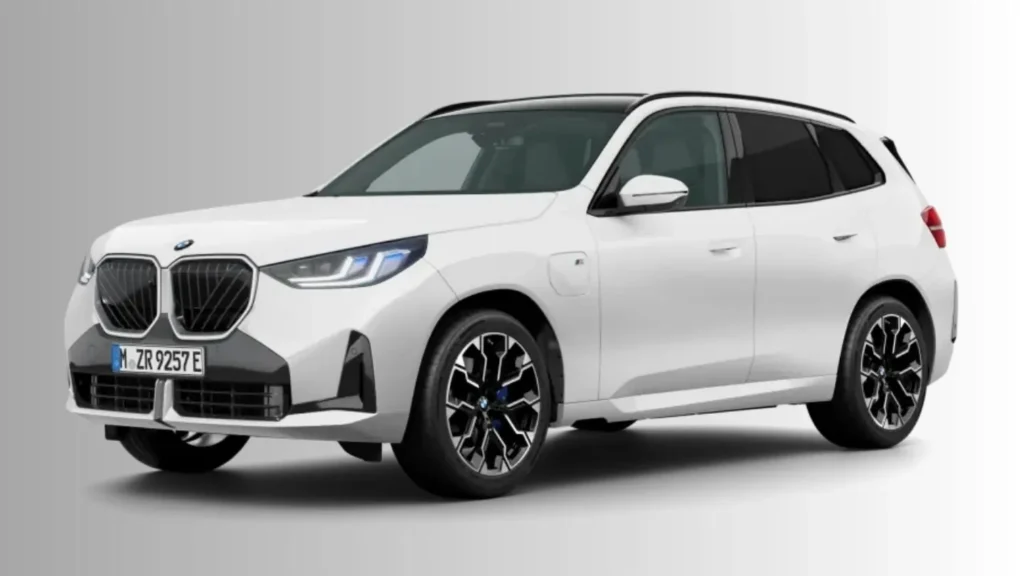
Premium and luxury brands recorded sharp percentage gains from smaller volumes. BMW’s PHEV sales rose strongly, led by the X3 30e, while Lexus benefited from the introduction of the RX PHEV.
High-end performance brands including Lamborghini, Ferrari and Bentley recorded some of the highest PHEV take-up rates within their respective model ranges, reflecting the growing role of electrification even at the top end of the market.
What’s next for PHEVs in Australia?
Plug-in Hybrids accounted for 4.3 per cent of Australia’s total new-vehicle market in 2025, outperforming growth in battery-electric vehicles and conventional hybrids. Petrol- and diesel-only vehicles both declined over the same period.
With new models such as the Toyota RAV4 PHEV, additional BYD and GWM offerings, and expanded European line-ups due to arrive in 2026, plug-in hybrid sales are expected to continue growing, even without government incentives.

Comments
New Comment