




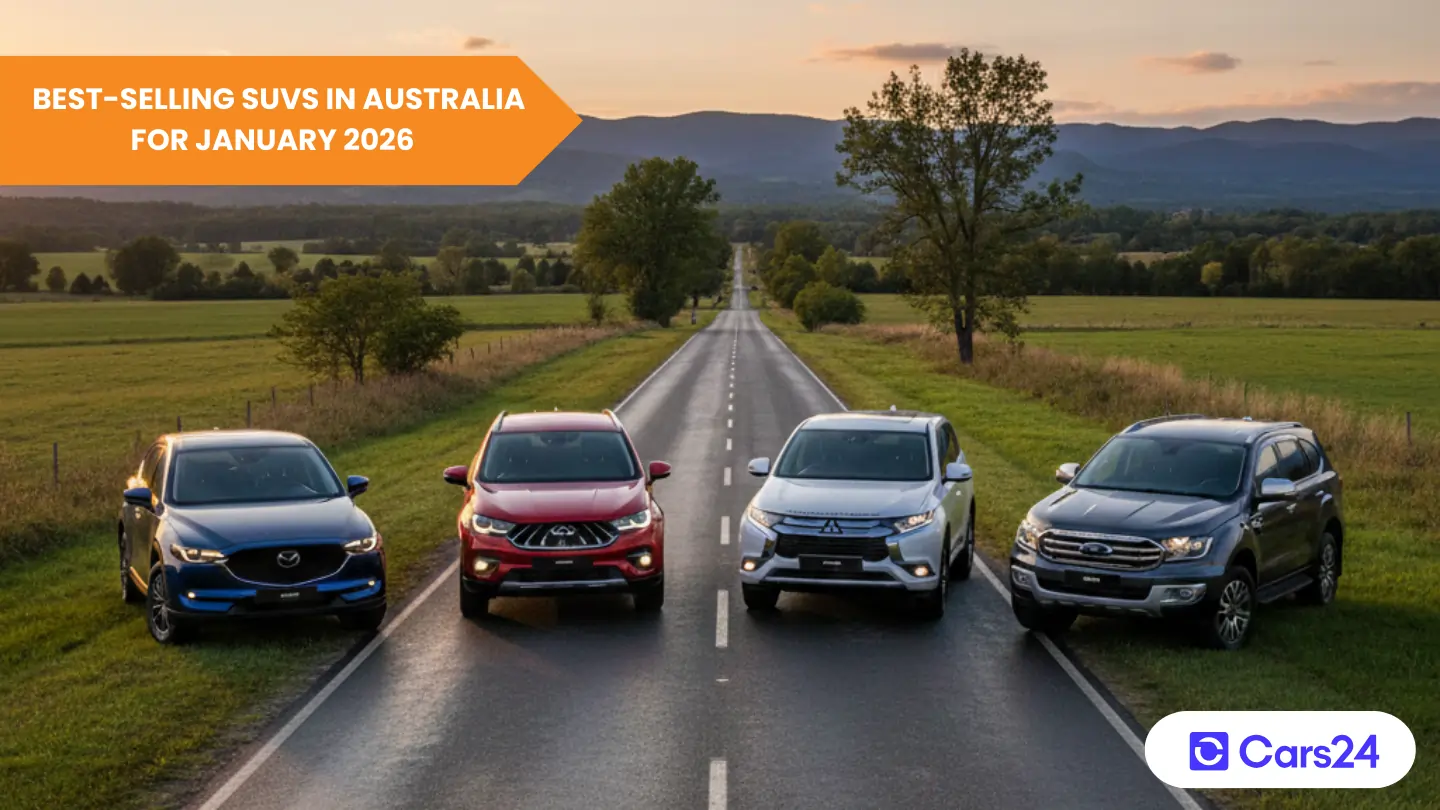
SUVs continued to dominate the Australian automotive market in January 2026, cementing their status as the nation’s vehicle of choice. A total of 53,666 SUVs were sold during the month, giving the segment a commanding 61.2 per cent share of the new-vehicle market, despite January traditionally being a softer sales period.
While overall new-car deliveries were largely flat year-on-year, SUV demand remained resilient across all major size categories. From compact city-friendly models to large, family-focused and off-road-capable vehicles, SUVs continue to appeal to a broad range of Australian buyers. Their blend of versatility, practicality, and increasingly diverse powertrain options has ensured they remain the backbone of the local new-car market heading into 2026.
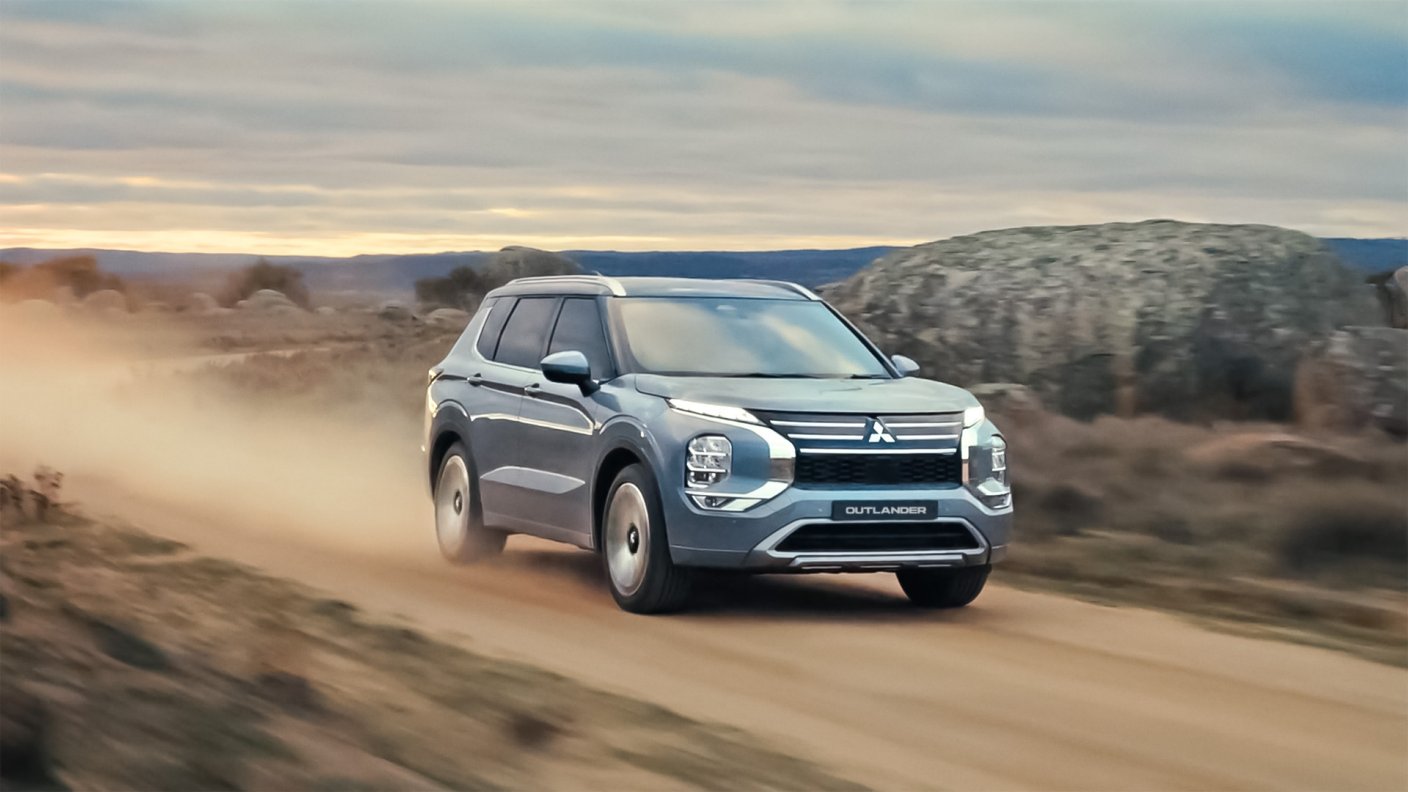


Here’s a look at the top-ten best-selling SUVs of January 2026:
| Model | Sales (January 2026) | Sales (December 2025) |
| Mazda CX-5 | 2,289 | 2,021 |
| Chery Tiggo 4 | 2,234 | 1,998 |
| Mitsubishi Outlander | 1,975 | 1,936 |
| Ford Everest | 1,913 | 2,149 |
| Hyundai Kona | 1,839 | 1,733 |
| GWM Haval Jolion | 1,789 | 2,062 |
| Toyota RAV4 | 1,757 | 6,038 |
| Hyundai Tucson | 1,729 | 1,541 |
| Toyota Prado | 1,392 | 1,327 |
| MG ZS | 1,267 | 1,056 |
Best-selling SUV by segment
| SUV Category | Model | Units sold |
| Light SUVs | Mazda CX-3 | 1,218 |
| Toyota Yaris Cross | 909 | |
| Suzuki Jimny | 570 | |
| Small SUVs (under $45,000) | Chery Tiggo 4 | 2,234 |
| Hyundai Kona | 1,839 | |
| GWM Haval Jolion | 1,789 | |
| Small SUVs (over $45,000) | BMW X1 | 407 |
| Mercedes-Benz GLA | 373 | |
| Volkwagen T-Roc | 282 | |
| Medium SUVs (under $60,000) | Mazda CX-5 | 2,289 |
| Mitsubishi Outlander | 1,975 | |
| Toyota RAV4 | 1,757 | |
| Medium SUVs (over $60,000) | BMW X3 | 546 |
| Mazda CX-60 | 455 | |
| Lexus NX | 370 | |
| Large SUVs (under $80,000) | Ford Everest | 1913 |
| Toyota Prado | 1392 | |
| Isuzu MU-X | 1131 | |
| Large SUVs (over $80,000) | BMW X5 | 364 |
| Mercedes-Benz GLE | 216 | |
| Lexus RX | 163 | |
| Upper Large SUVs (under $120,000) | Toyota LandCruiser | 907 |
| Nissan Patrol | 410 | |
| Hyundai Ioniq 9 | 13 | |
| Upper Large SUVs (over $120,000) | Lexus GX | 72 |
| BMW X7 | 54 | |
| Mercedes-Benz GLS | 47 |
Segment leaders in 2026
Light SUVs
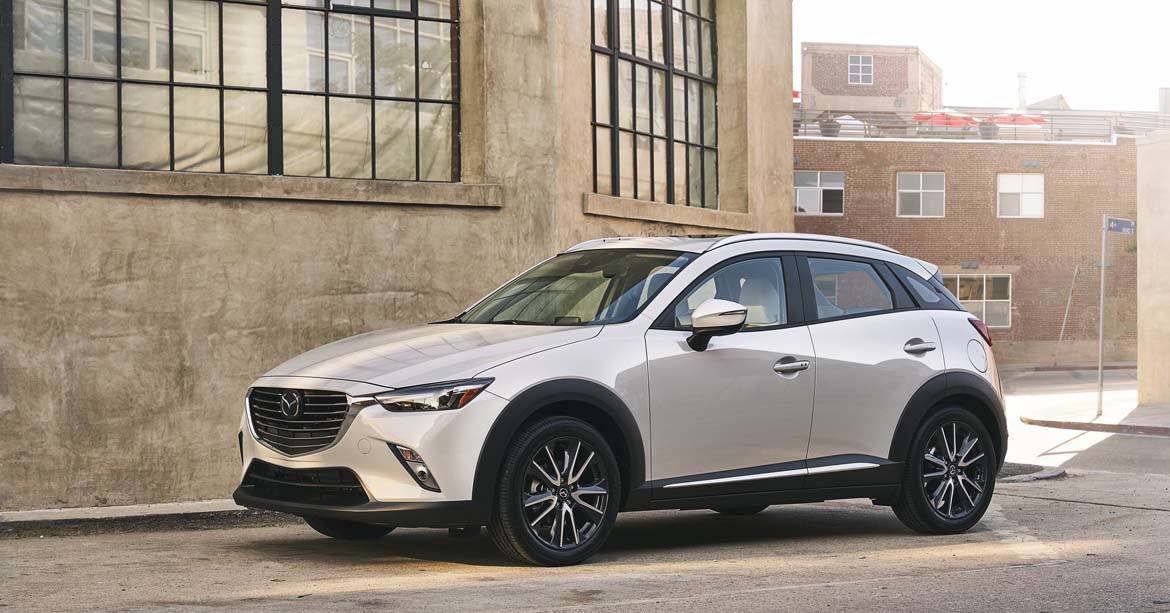
The light SUV segment may be smaller compared to medium and large SUVs, but it continues to attract buyers looking for compact, city-friendly vehicles. In January 2026, the segment was led by the Mazda CX-3 (1,218 units), followed by the Toyota Yaris Cross (909) and the Suzuki Jimny (570).
These vehicles appeal mainly to urban drivers who want something easy to park, economical to run, and simple to live with. They’re not about outright space or luxury; instead, practicality, affordability, and convenience are the key reasons buyers choose a light SUV.
Small SUVs (under $45,000)
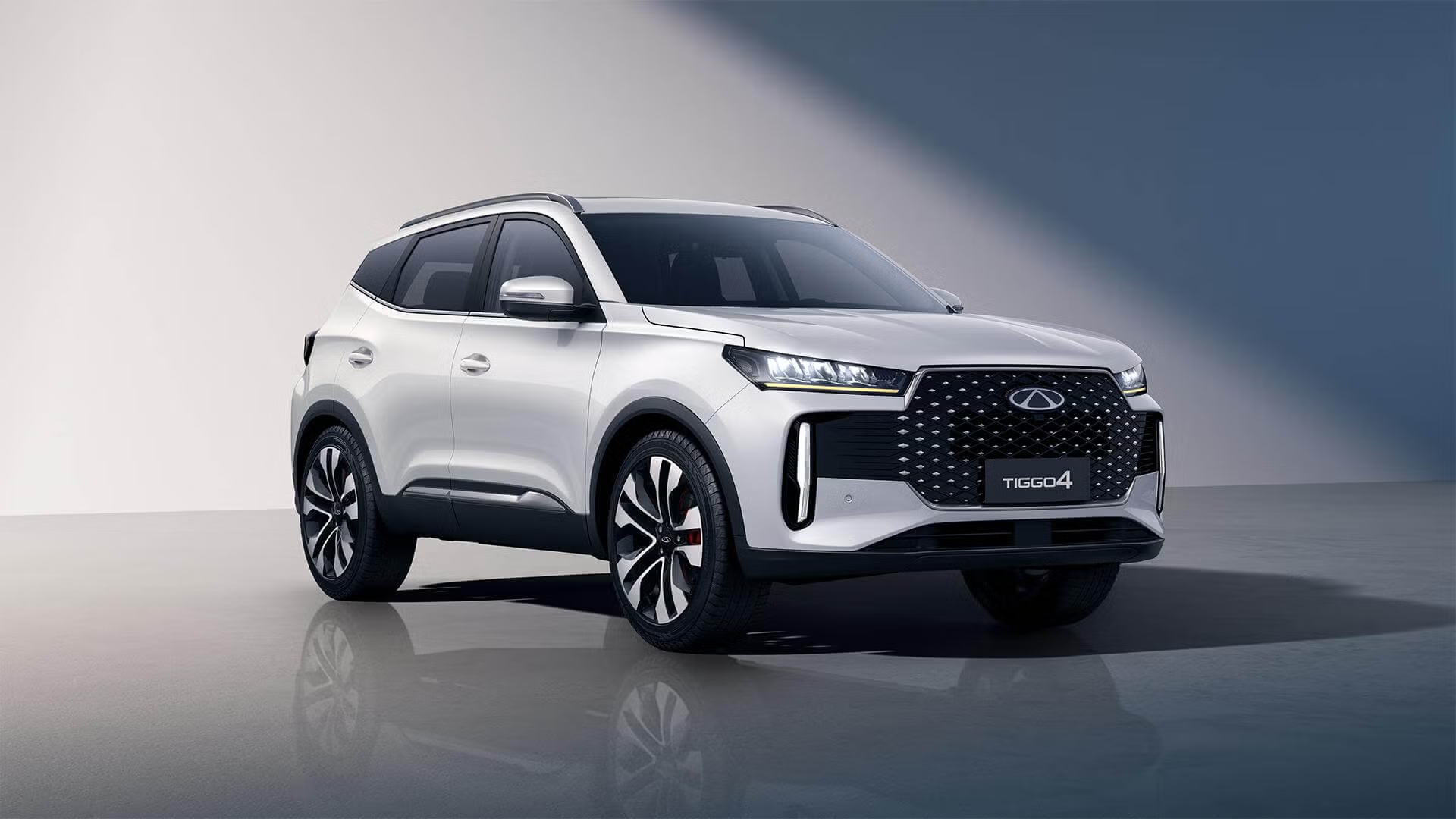
This remains one of the fastest-growing and most competitive SUV segments in Australia. January 2026 was dominated by the Chery Tiggo 4 (2,234), Hyundai Kona (1,839), and GWM Haval Jolion (1,789).
Value is the big driver here. Buyers want modern tech, decent interior space, and sharp pricing, all without stepping into medium SUV territory. The strong showing from Chinese brands highlights just how much Australian buyers are prioritising features and affordability over badge prestige in this segment.
Small SUVs (over $45,000)
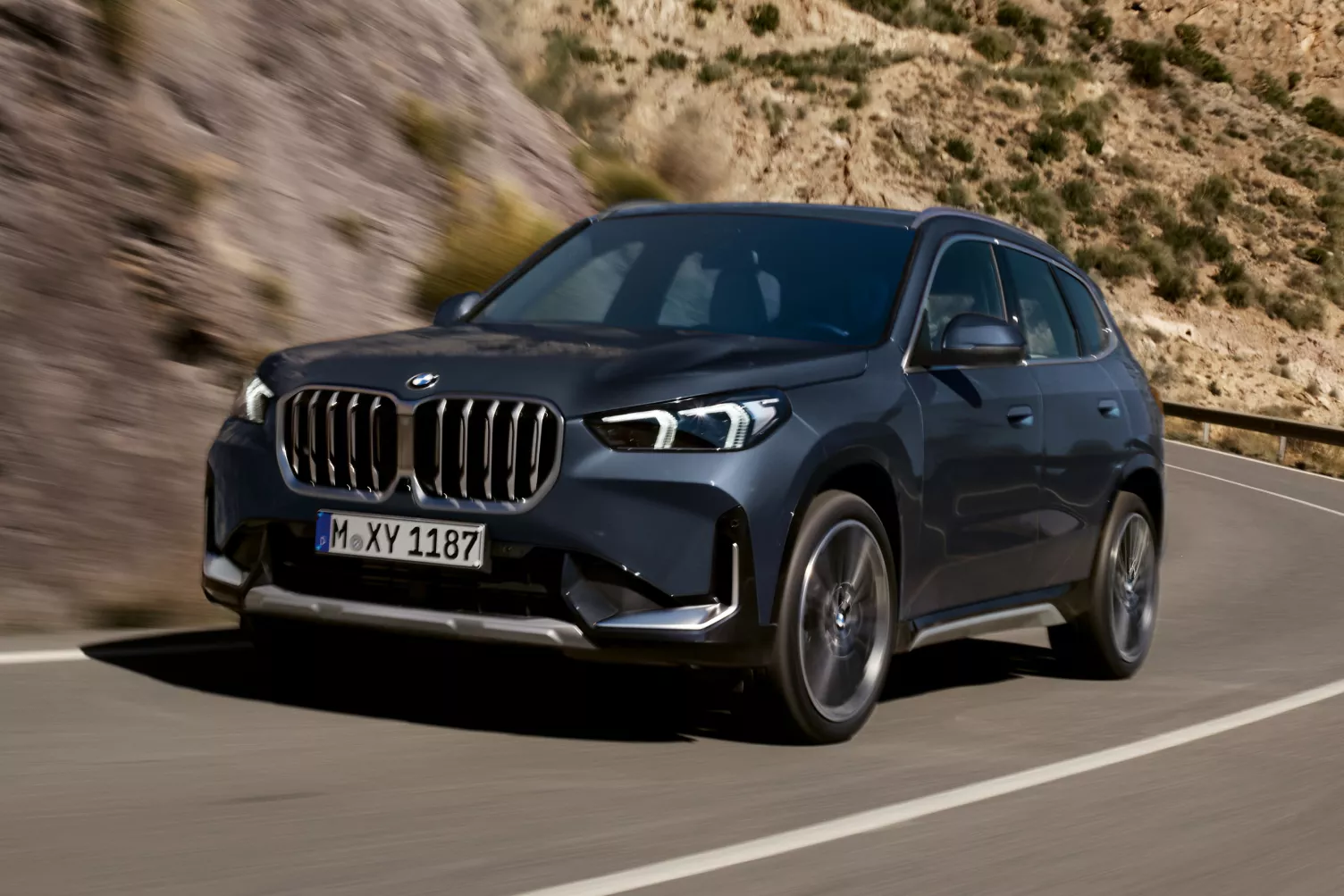
Premium small SUVs continue to serve a more niche audience. In January 2026, the segment leaders were the BMW X1 (407 units), Mercedes-Benz GLA (373), and Volkswagen T-Roc (282).
Sales volumes are lower, but that’s expected given the higher price points. Buyers here are chasing premium interiors, advanced tech, and brand cachet, while still wanting the compact footprint of a small SUV. It’s a style- and image-driven segment rather than one built on value alone.
Medium SUVs (under $60,000)
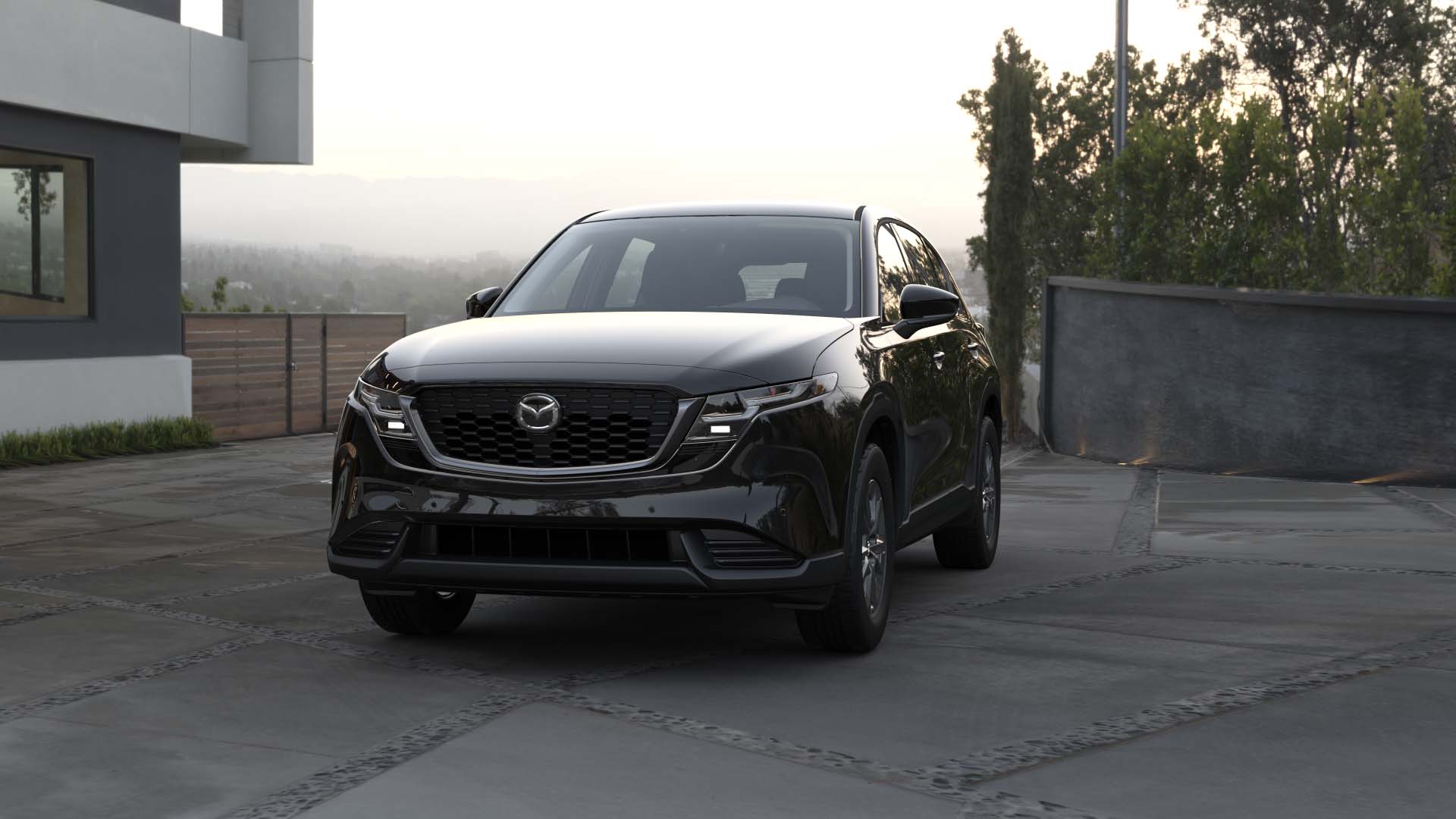
This is still the heart of Australia’s SUV market. January 2026 saw the Mazda CX-5 (2,289) take the lead, ahead of the Mitsubishi Outlander (1,975) and Toyota RAV4 (1,757).
Medium SUVs in this price bracket tick the most boxes for families: space, safety, comfort, and running costs. The RAV4’s lower-than-usual result was largely due to supply constraints, not lack of demand, while rivals were quick to capitalise. This segment remains the default choice for many Australian households.
Medium SUVs (over $60,000)
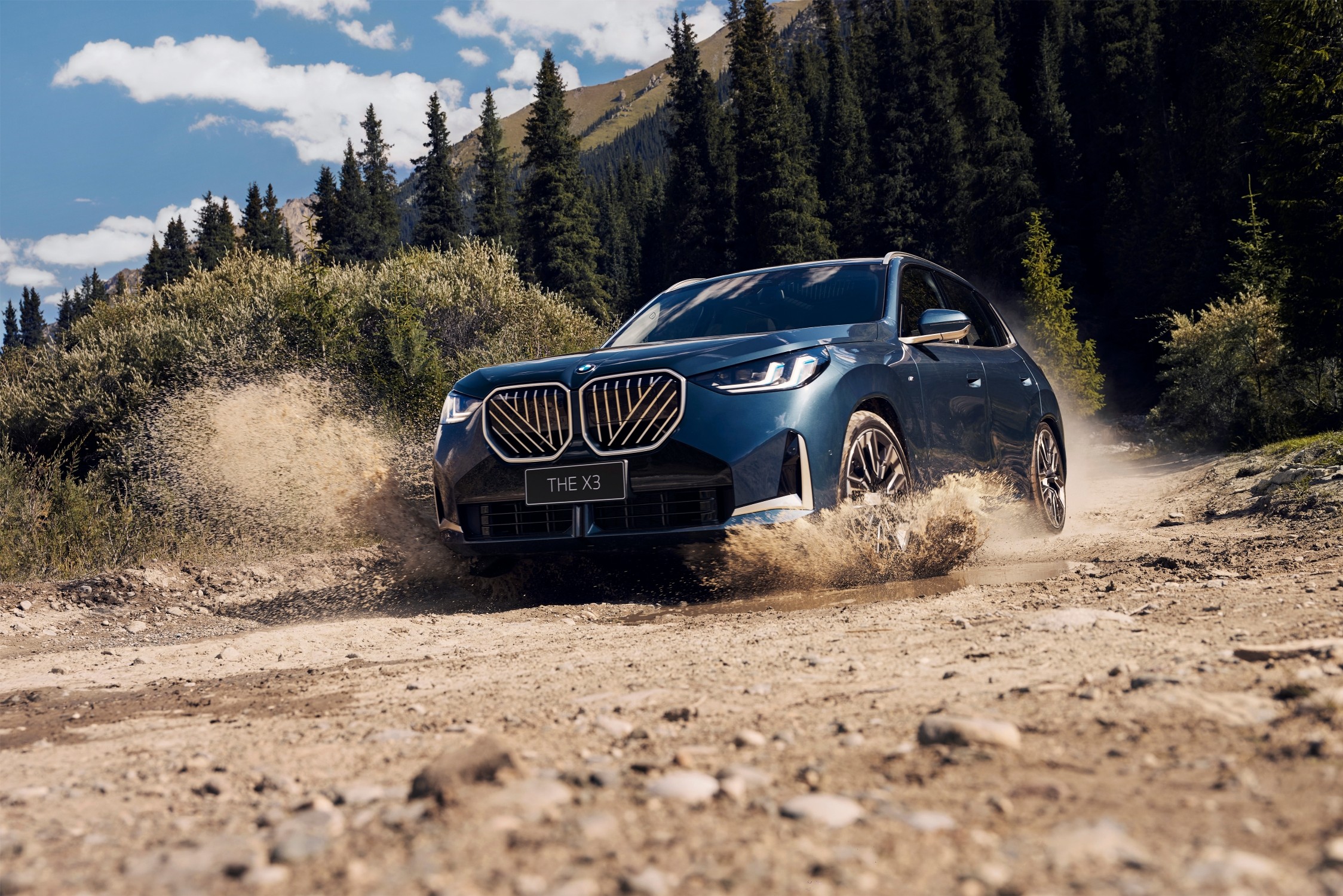
Premium and electrified models define this category. The BMW X3 (546) led the segment in January 2026, followed by the Mazda CX-60 (455) and Lexus NX (370).
These SUVs attract buyers looking for a step up in refinement, performance or technology, often as an alternative to luxury sedans. While volumes are smaller than mainstream medium SUVs, steady demand shows Australians are increasingly willing to pay more for comfort, prestige and advanced powertrains.
Large SUVs (under $80,000)
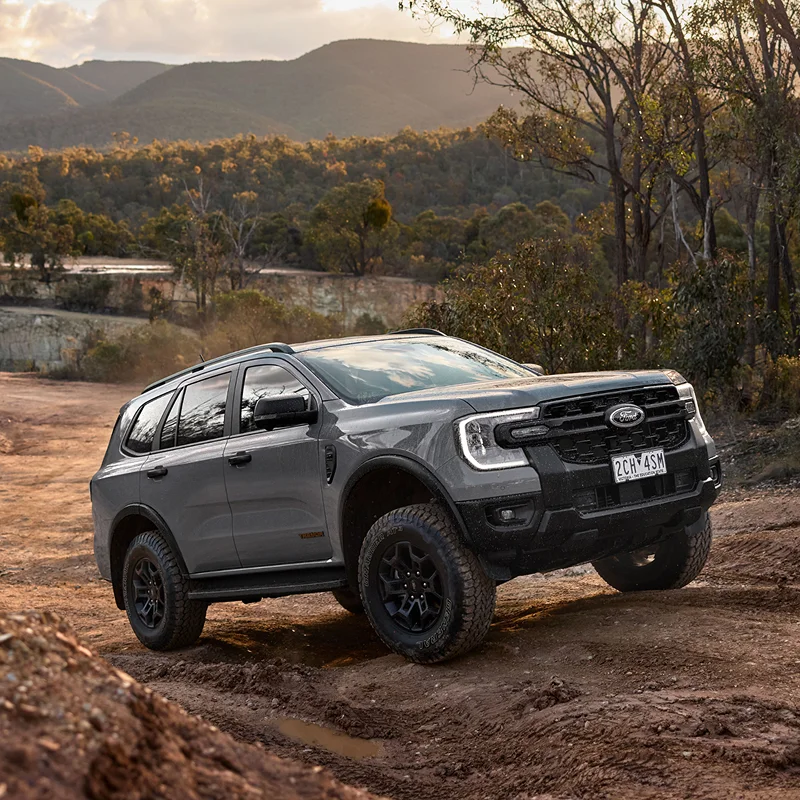
Large SUVs designed for family duty and adventure remain extremely popular. January 2026 was led by the Ford Everest (1,913), ahead of the Toyota Prado (1,392) and Isuzu MU-X (1,131).
Seven seats, towing ability and off-road credibility are major drawcards here. The Everest’s continued dominance shows buyers want a modern, well-equipped large SUV without stepping into luxury pricing territory.
Large SUVs (over $80,000)
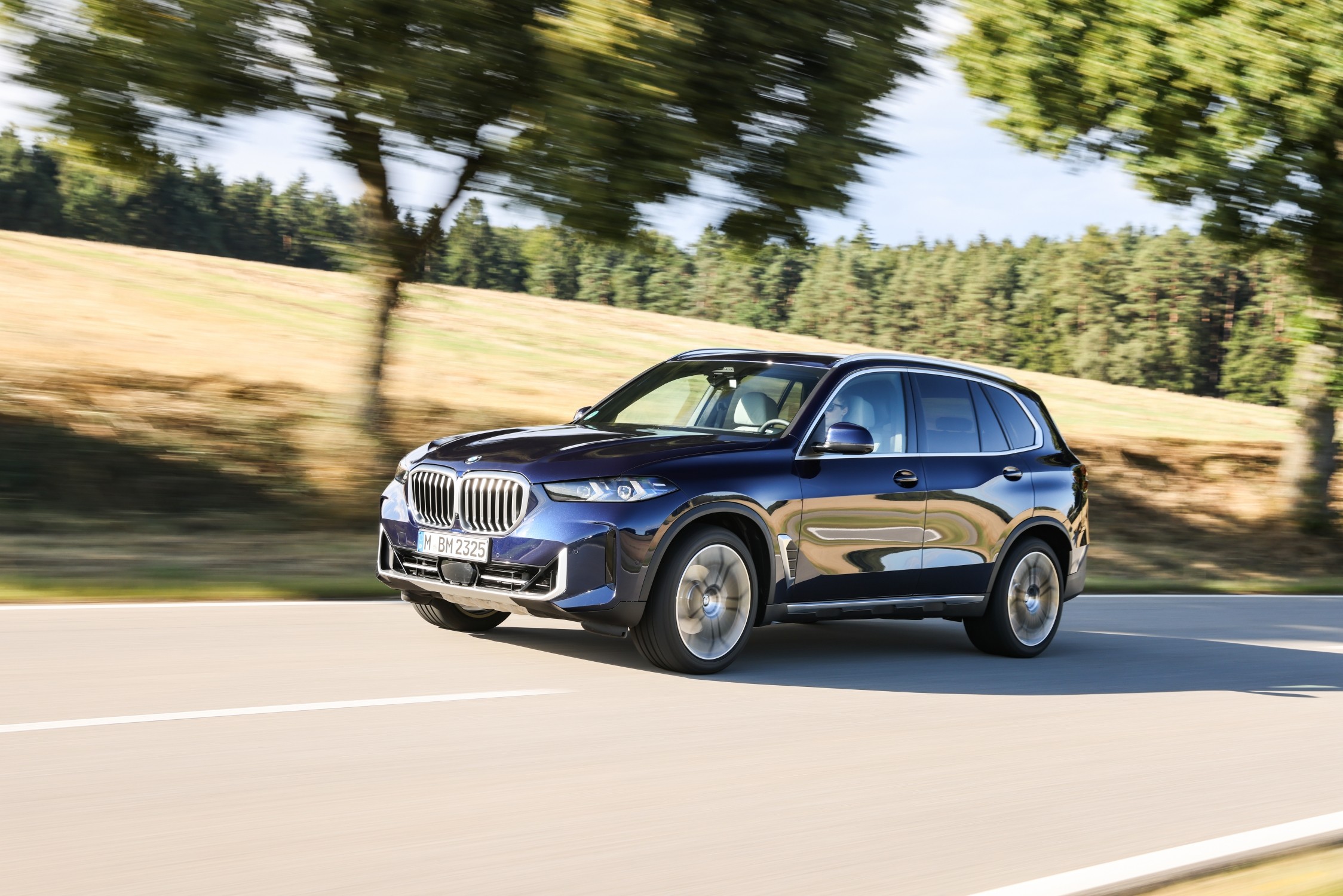
This segment caters to buyers chasing size with a premium edge. January leaders included the BMW X5 (364 units), Mercedes-Benz GLE (216) and Lexus RX (163).
Sales volumes are lower, reflecting the higher price tags, but demand remains steady. Buyers here prioritise comfort, technology and brand prestige, often using these SUVs as luxury family transport rather than hardcore off-roaders.
Upper Large SUVs (under $120,000)
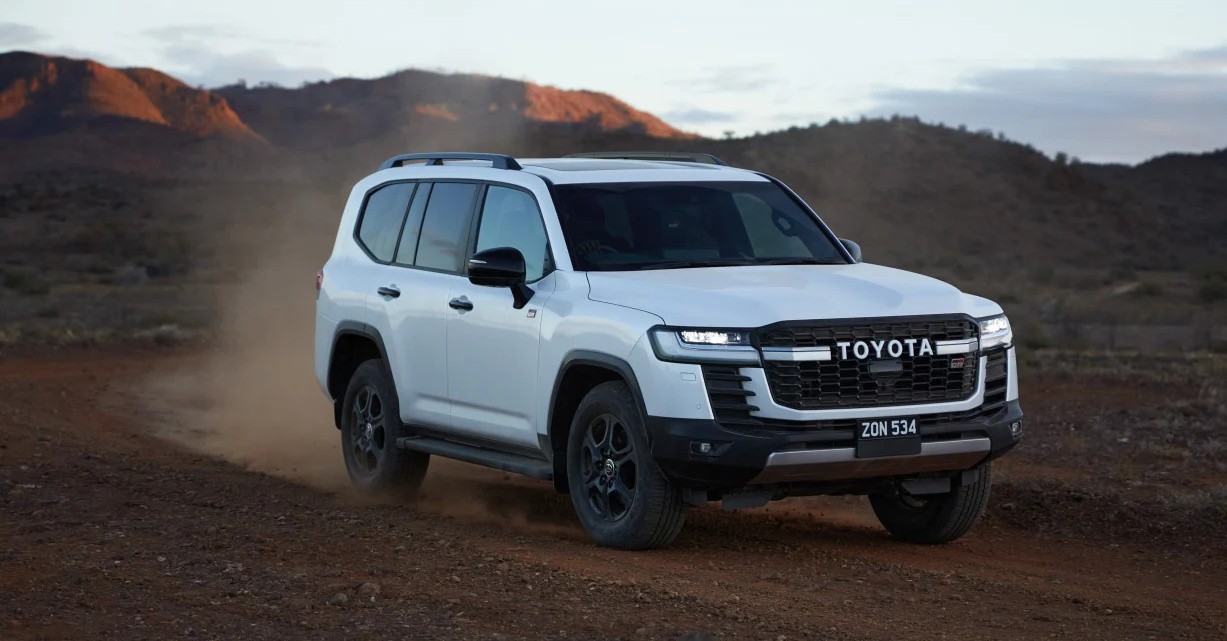
Rugged capability meets size in this segment. January 2026 was dominated by the Toyota LandCruiser (907 units), with the Nissan Patrol (410) and Land Rover Discovery (31) trailing behind.
The LandCruiser’s numbers once again highlight Australia’s enduring love for tough, dependable SUVs that can handle towing, touring and harsh conditions. Practicality continues to outweigh luxury for most buyers in this category.
Upper Large SUVs (over $120,000)
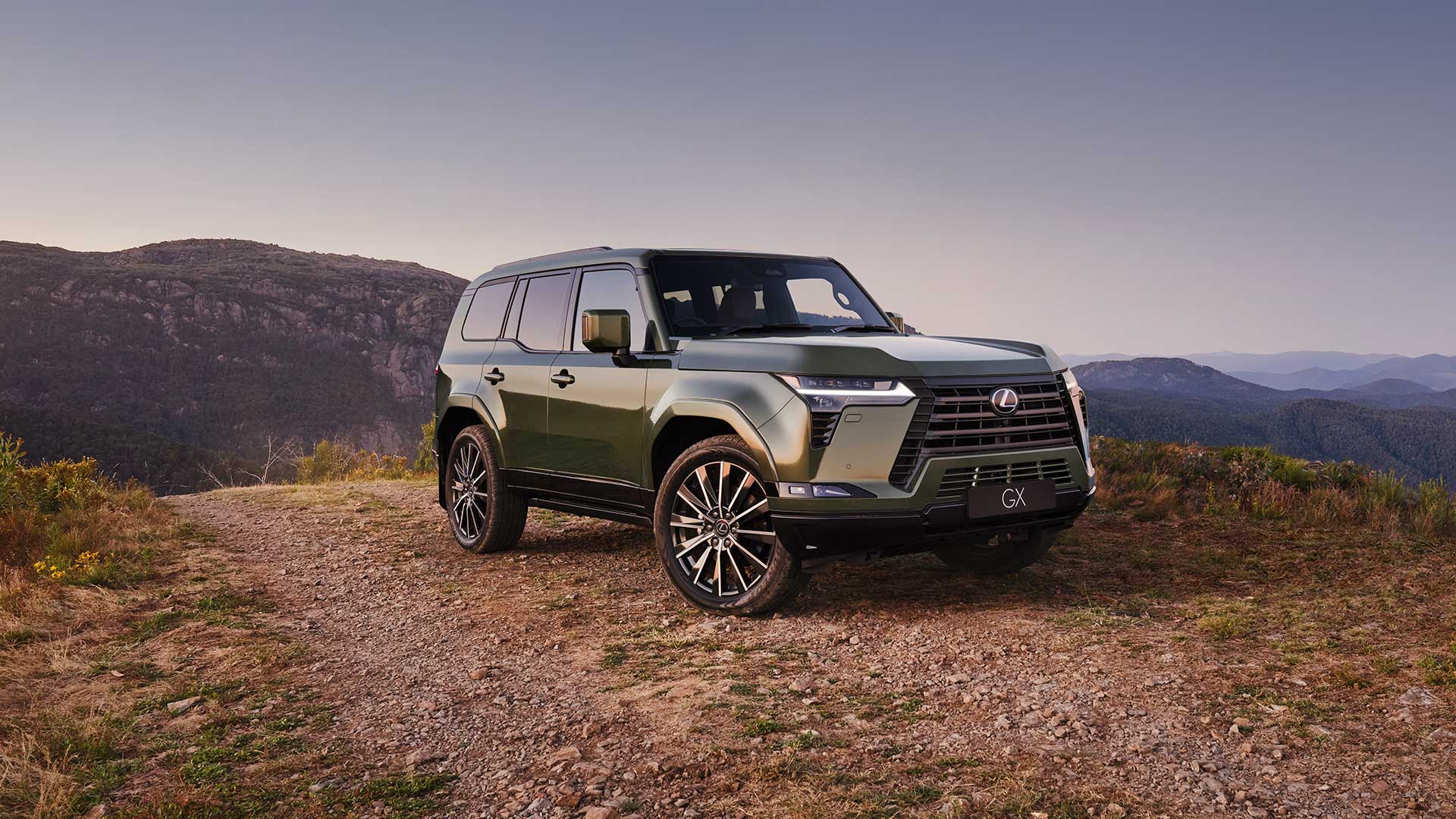
At the very top of the SUV market sit the most exclusive offerings. In January 2026, the segment was led by the Lexus GX (72 units), followed by the BMW X7 (54) and Mercedes-Benz GLS (47).
These SUVs are all about luxury, presence and status. Sales volumes are naturally low, but buyers in this space are less price-sensitive and more focused on premium features, comfort and exclusivity.
Market trends and key takeaways
January 2026 showed that SUVs continue to dominate the Australian market, accounting for more than 60 per cent of all new-vehicle sales.
Key trends to note:
- Medium SUVs remain the backbone of SUV demand, offering the best balance of size, price, and everyday usability.
- Chinese brands such as Chery, GWM, and MG are no longer fringe players — they’re now genuine volume leaders.
- Toyota RAV4 demand remains strong, despite supply challenges impacting its January result.
- Large SUVs like the Ford Everest, Prado, and MU-X continue to appeal to buyers needing space, towing, and versatility.
- Premium SUVs maintain steady demand, even in a softer market, showing Australians are still willing to spend for comfort and brand appeal.
From budget-friendly city SUVs to luxury and off-road heavyweights, the Australian SUV market continues to offer something for every type of buyer. The key is knowing which segment best suits your lifestyle and needs.

Comments
New Comment