




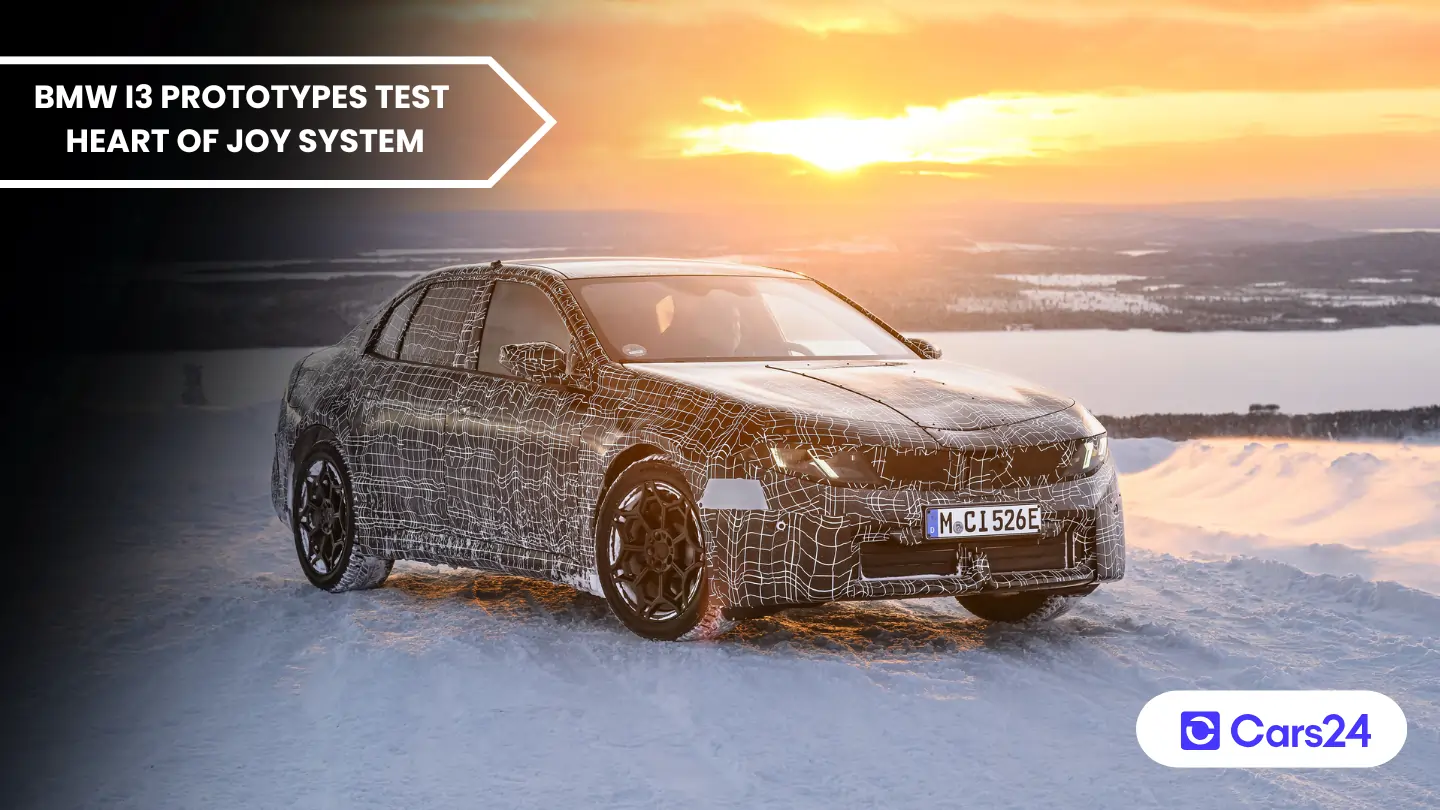
BMW is carrying out final winter testing for the upcoming BMW i3, the first fully electric sedan in its new BMW Neue Klasse platform lineup. Prototypes are currently undergoing endurance and performance testing at the BMW Group Winter Test Centre Arjeplog in northern Sweden, where extreme cold, snow-covered roads, and frozen lakes provide ideal conditions for evaluating vehicle dynamics.
The electric sedan is scheduled to make its design debut on 18 March 2026, with production expected to begin in the second half of 2026.
Arctic testing for the next-generation electric BMW
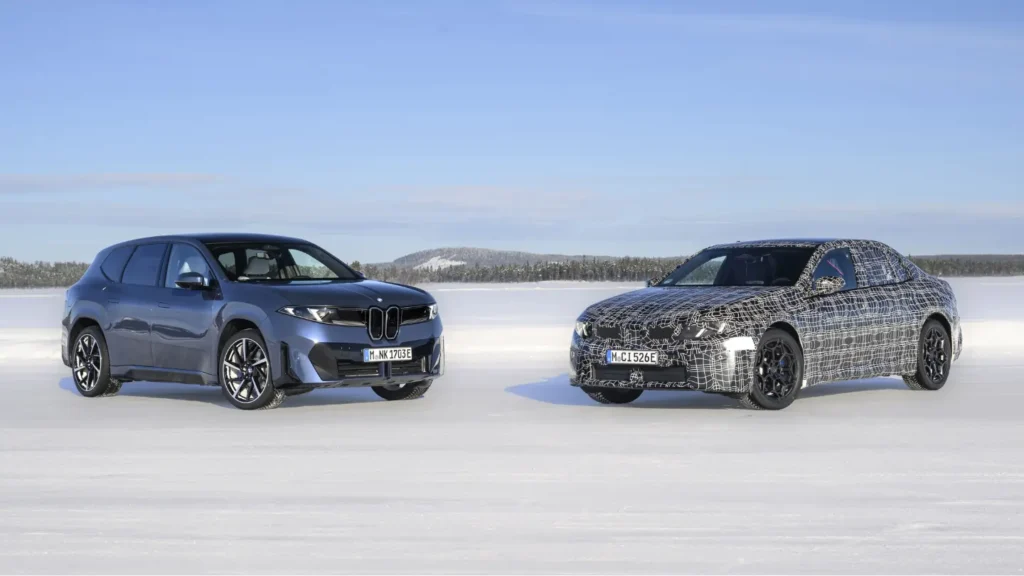
The BMW i3 is undergoing intensive validation near the Arctic Circle, where temperatures drop well below freezing. The region around Arjeplog has long been used by BMW engineers to test vehicle systems in low-traction conditions.
Snow and ice allow engineers to analyse how electronic stability systems, traction control, power delivery and chassis tuning behave under minimal grip. Because the surfaces offer consistent friction levels, engineers can precisely measure and refine the interaction between the car’s drive, braking, and suspension systems.
This testing phase focuses on fine-tuning the vehicle’s dynamics, ensuring the new electric sedan retains the driving characteristics traditionally associated with the BMW 3 Series, which has defined BMW’s midsize performance sedan segment for over five decades.
“Heart of Joy” driving control system
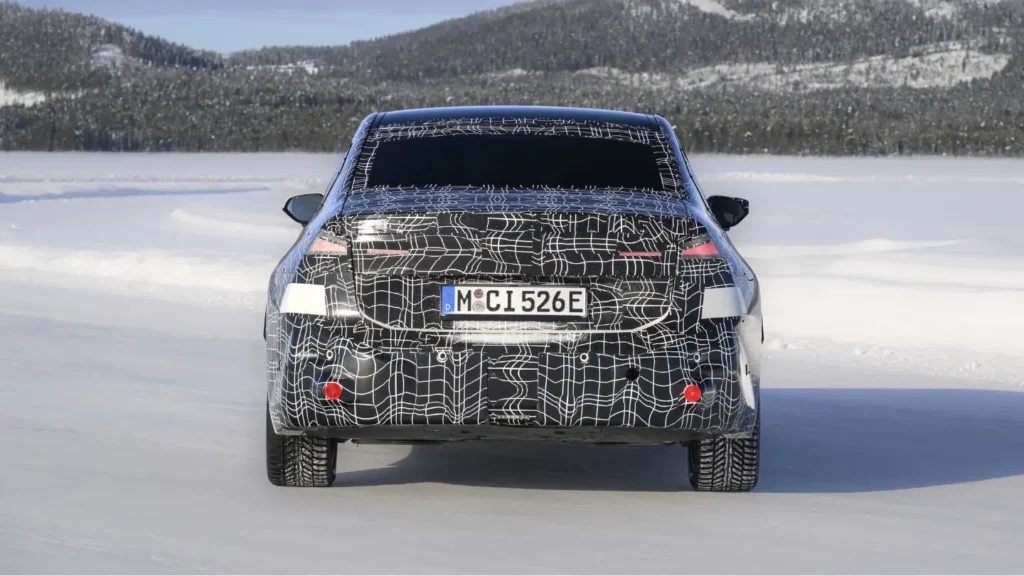
A major technological highlight of the BMW i3 is a new central control architecture called Heart of Joy.
This system acts as one of four high-performance “superbrains” developed for the BMW Neue Klasse platform. Working together with BMW’s Dynamic Performance Control software stack, it manages multiple functions, including:
- Powertrain output
- Brake control
- Steering inputs
- Energy recuperation
BMW says the system processes commands up to ten times faster than previous control architectures. This faster response enables more precise torque distribution and improved vehicle stability, particularly on low-grip surfaces.
During testing in Sweden, engineers observed that the system allowed the sedan to maintain stable and predictable handling even when traction was limited.
Improved stability and energy efficiency
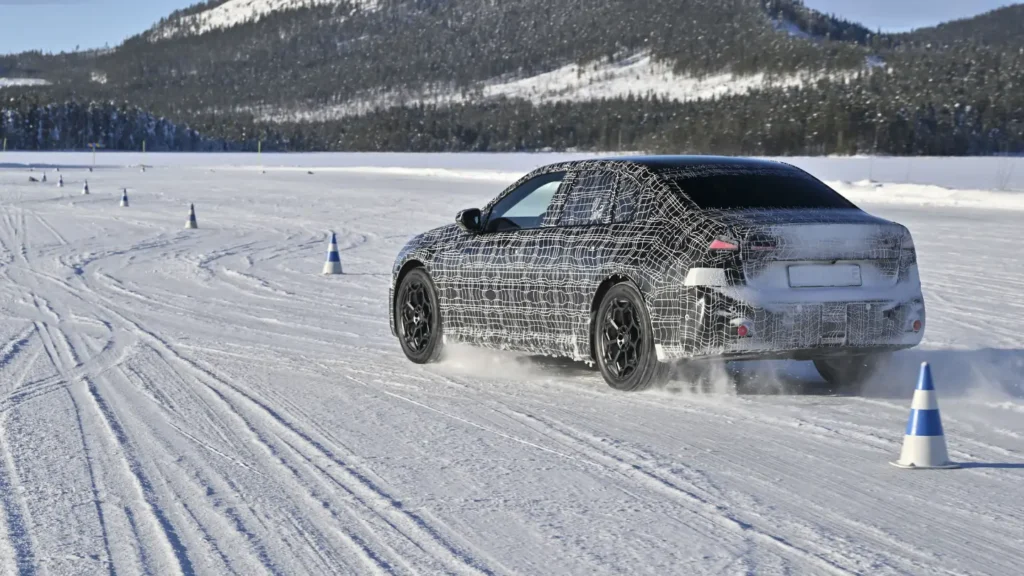
The Heart of Joy control system also reduces the need for frequent interventions from stability control systems. This results in smoother cornering behaviour and more consistent vehicle responses.
Another benefit is improved energy recovery. The system can optimise regenerative braking even during cornering without compromising stability. According to BMW, this allows the vehicle to recover energy more frequently and more efficiently, which could help improve overall driving range.
The electric sedan also introduces a Soft-Stop function, designed to provide extremely smooth braking at low speeds by using precise electric motor control instead of conventional brake pressure.
Sixth-generation eDrive technology

The BMW i3 will debut BMW’s sixth-generation eDrive (Gen6) electric powertrain. Key technical details revealed so far include:
| Specification | Details |
| Powertrain | Sixth-generation BMW eDrive (Gen6) |
| Electrical architecture | 800-volt system |
| Peak charging capacity | Up to 400 kW |
| Drive layout | Dual-motor all-wheel drive |
| Rear motor | Electrically excited synchronous motor (EESM) |
| Front motor | Asynchronous motor (ASM) |
| Max output | 345 kW (469 hp)* |
| Torque | 645 Nm* |
*Figures are provisional, as the vehicle is still in the development phase. Official WLTP energy consumption and range figures have not yet been released.
Launch timeline

The tested prototype represents the second production model in the Neue Klasse family. BMW confirmed the following timeline:
- Design premiere: 18 March 2026
- Production start: Second half of 2026
When it enters production, the BMW i3 will represent BMW’s next major step in electric vehicle development, combining a new platform, upgraded powertrain technology, and a redesigned digital vehicle architecture.

Comments
New Comment