




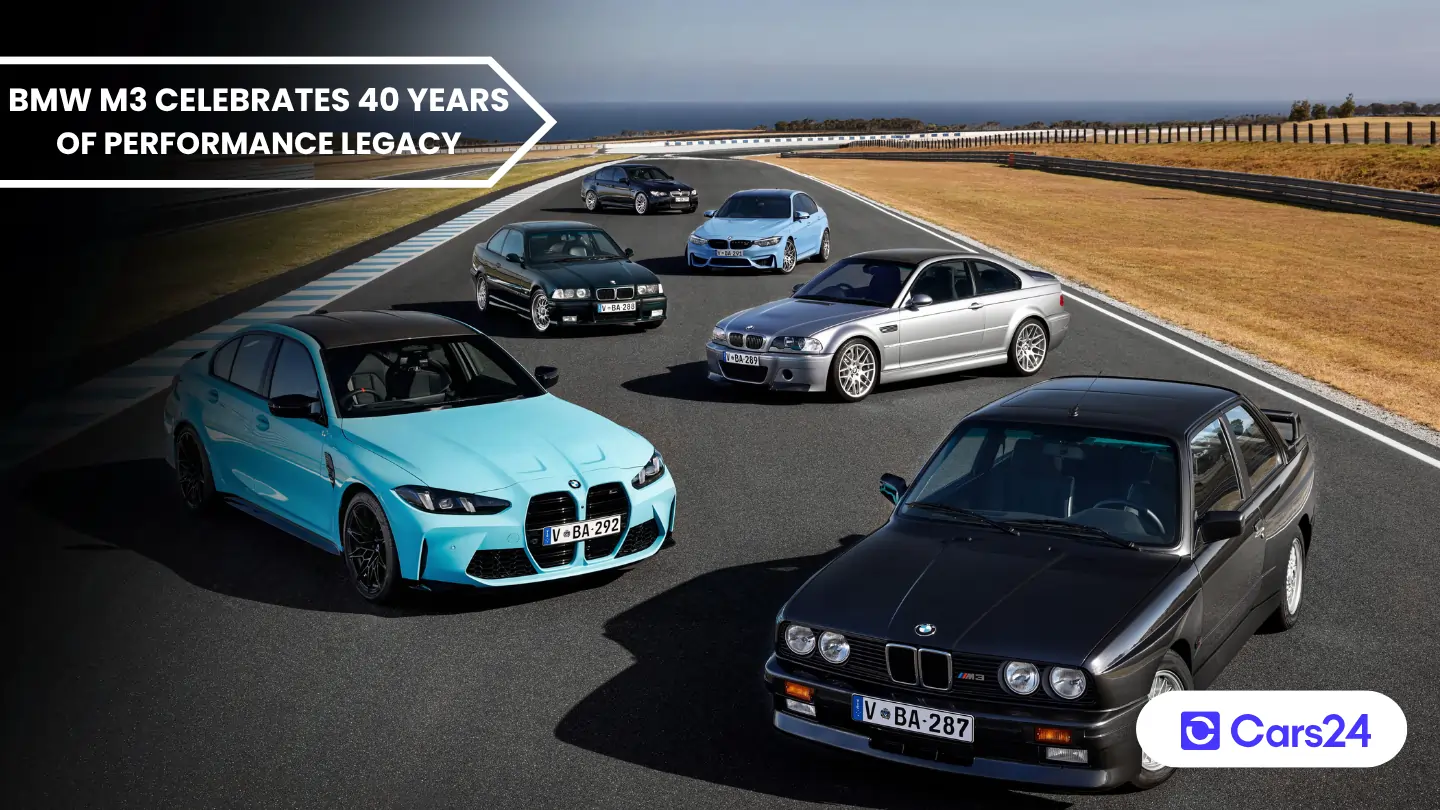
The BMW M3 has reached a significant milestone, with BMW celebrating 40 years of its iconic performance nameplate in 2026. Since its debut in 1986, the M3 has defined the high-performance sports sedan segment, blending everyday usability with track-focused dynamics across six generations.
From the outset, the M3 formula has remained remarkably consistent: a finely balanced chassis, responsive powertrains and purposeful design. This dual character, equally at home on a racetrack or daily commute, is rooted in its original purpose as a homologation special for Group A touring car racing, where regulations required at least 5,000 road-going units to be produced.
Motorsport roots shape an icon
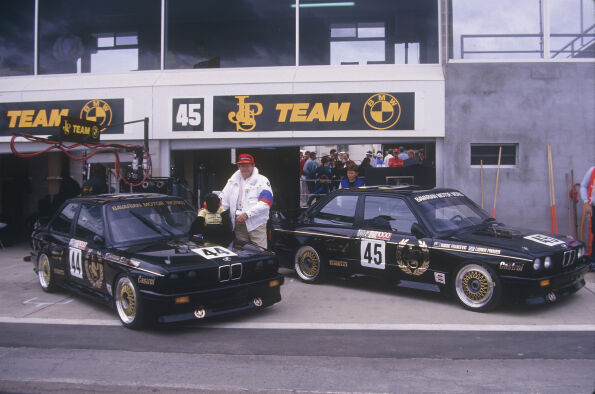
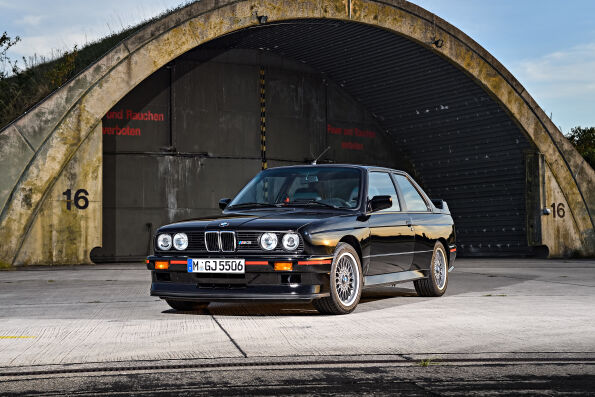
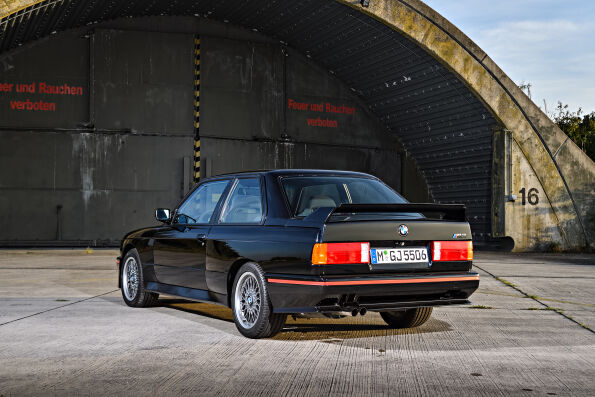
The first-generation E30 M3 laid the groundwork for decades of success, even in markets where it wasn’t officially sold. In Australia, the model made an immediate impact in competition, winning the 1987 Australian Touring Car Championship in the hands of Jim Richards.
 +1 Photos
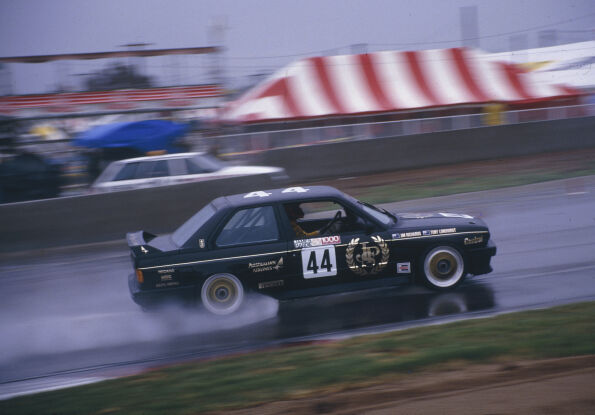


That motorsport pedigree has remained central to the BMW M3’s identity, with each generation refining the balance between performance and practicality while expanding into multiple body styles including Coupé, Sedan, Convertible and, more recently, Touring.
Strong Australian connection
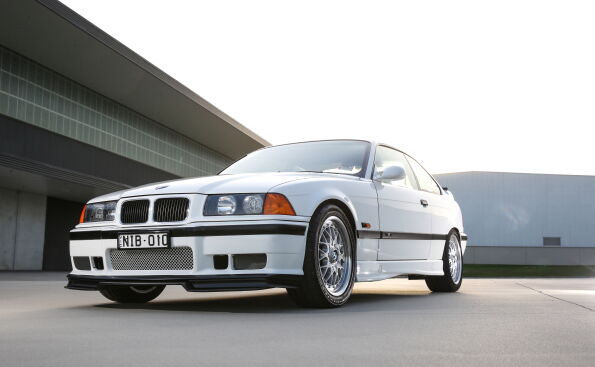
Australia has played a unique role in the BMW M3 story. Since the arrival of the E36 generation in 1994, more than 9,800 examples have been delivered locally, accounting for over 40 per cent of all BMW M vehicle sales in the country.
 +1 Photos
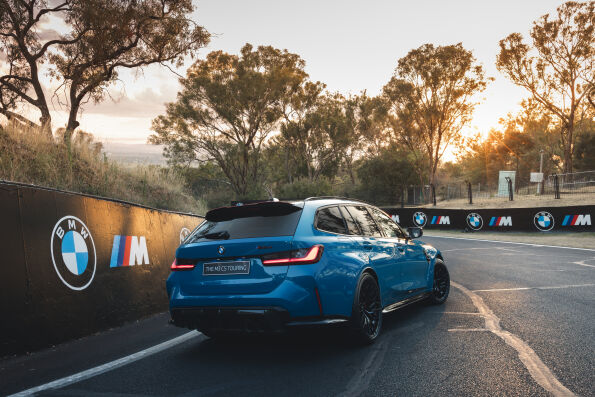
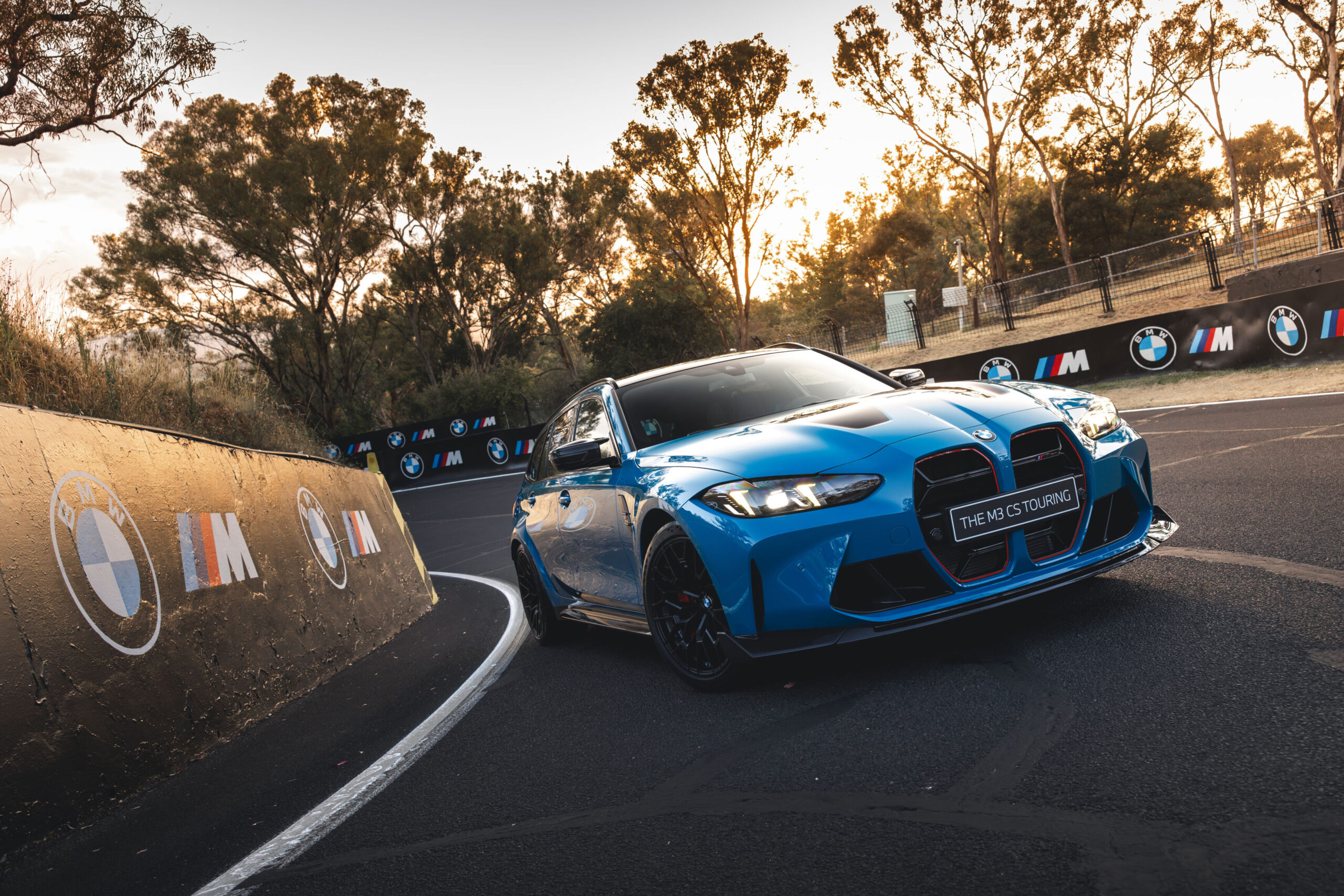
The model’s significance is underscored by Australia-specific highlights, including the limited-run BMW M3-R of 1995, a road-legal race car with just 15 units produced and the global debut of the M3 CS Touring at Mount Panorama in 2025, marking the first worldwide premiere of a BMW model in Australia.
Six iterations of performance evolution
Over four decades, the BMW M3 has served as a showcase of the marque’s engineering evolution. Early models featured high-revving naturally aspirated engines, beginning with a 2.3L four-cylinder in the E30.
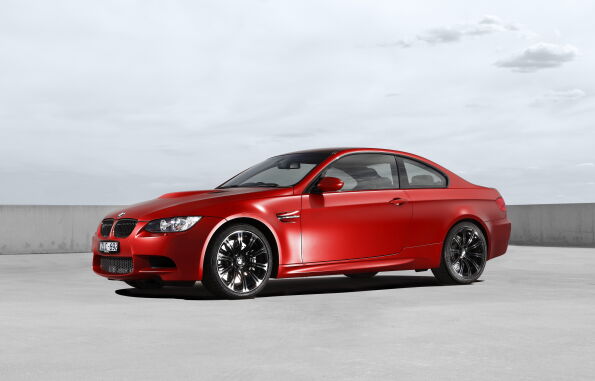
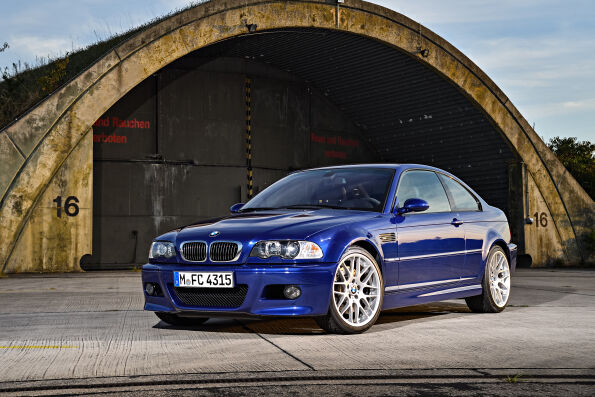
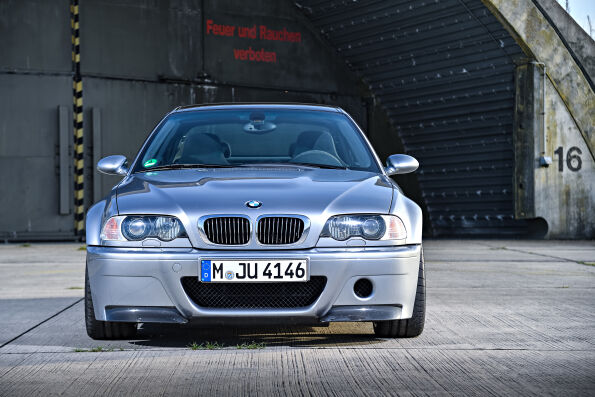
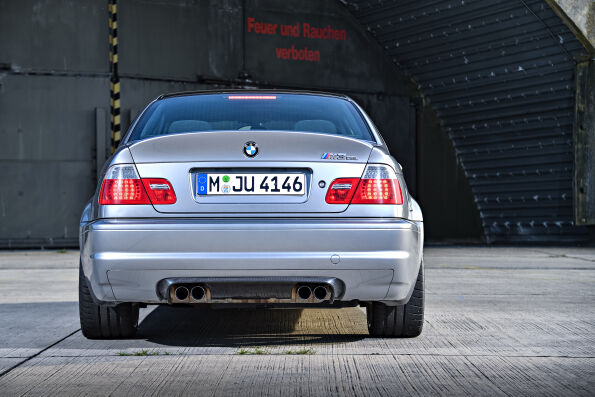
The E36 introduced inline six-cylinder power and technologies such as variable valve timing, while the E46 refined the formula with increased power and advanced electronics. A major shift came with the E9x generation, which adopted a high-revving V8, a first for the model.
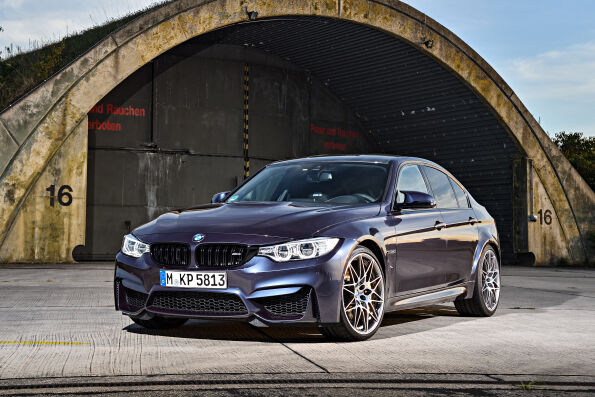 +3 Photos
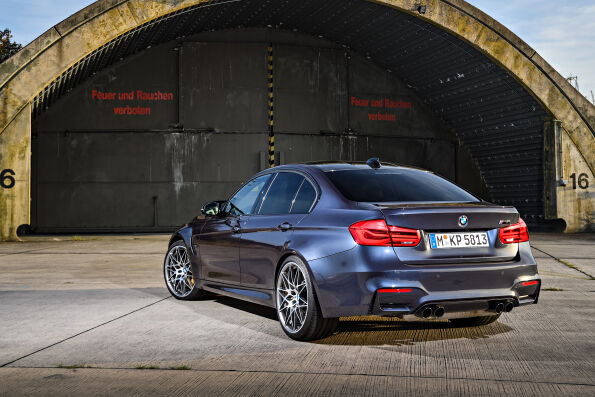
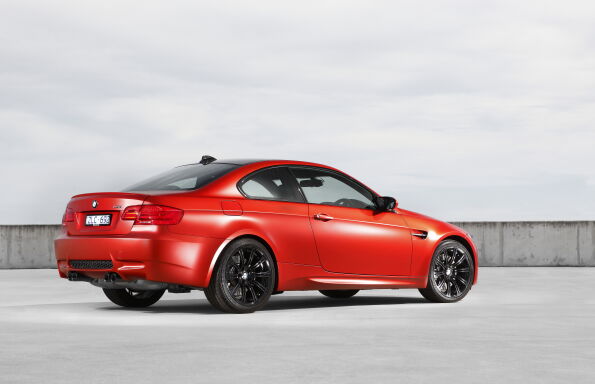
Turbocharging arrived with the F80 in 2014, delivering significant gains in torque and efficiency, while the current G80 generation has pushed performance further with outputs exceeding 400kW and the introduction of all-wheel drive via M xDrive.
Alongside powertrain advancements, innovations such as dual-clutch transmissions, adaptive suspension systems and lightweight materials like carbon fibre have continually elevated the M3’s performance envelope.
Looking ahead: electrification and beyond
While the anniversary is a moment to reflect, BMW is already preparing the next chapter for the M3. A seventh-generation model is due within the next 12 months, set to introduce fully electric power for the first time, featuring a quad-motor setup and high-performance dynamics.
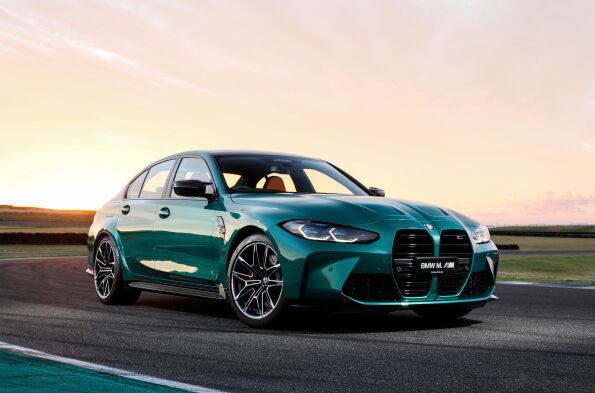
Importantly, BMW will continue to offer petrol-powered variants alongside the electric version, reinforcing a technology-agnostic approach designed to cater to a broad range of enthusiasts.
A legacy that continues to evolve
Forty years on, the BMW M3 remains a benchmark in its class, combining motorsport heritage, everyday usability and cutting-edge performance technology. Its enduring appeal, particularly in markets like Australia, highlights the strength of a formula that has evolved with the times without losing its core identity.
 +5 Photos
As BMW prepares to usher the M3 into an electrified future, the nameplate’s legacy as a performance icon looks set to continue well beyond its fourth decade.

Comments
New Comment