




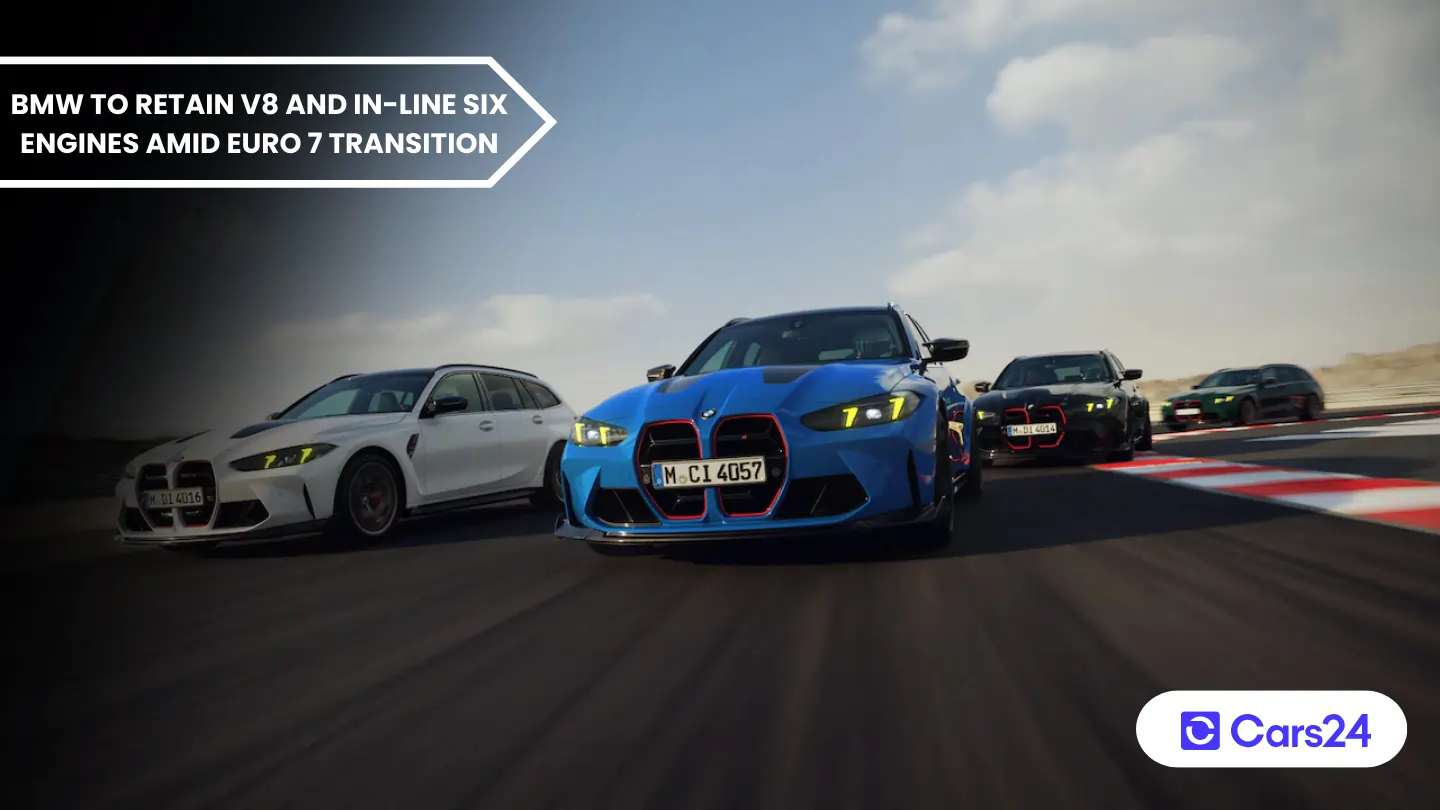
BMW has confirmed it will continue producing its signature V8 and inline-six petrol engines, as it works to bring them into compliance with upcoming Euro 7 emissions regulations.
Speaking to Australian media, BMW M CEO Frank van Meel said the brand is actively updating its performance-focused internal combustion engines to meet the stricter standards, ensuring they remain part of the company’s future lineup.
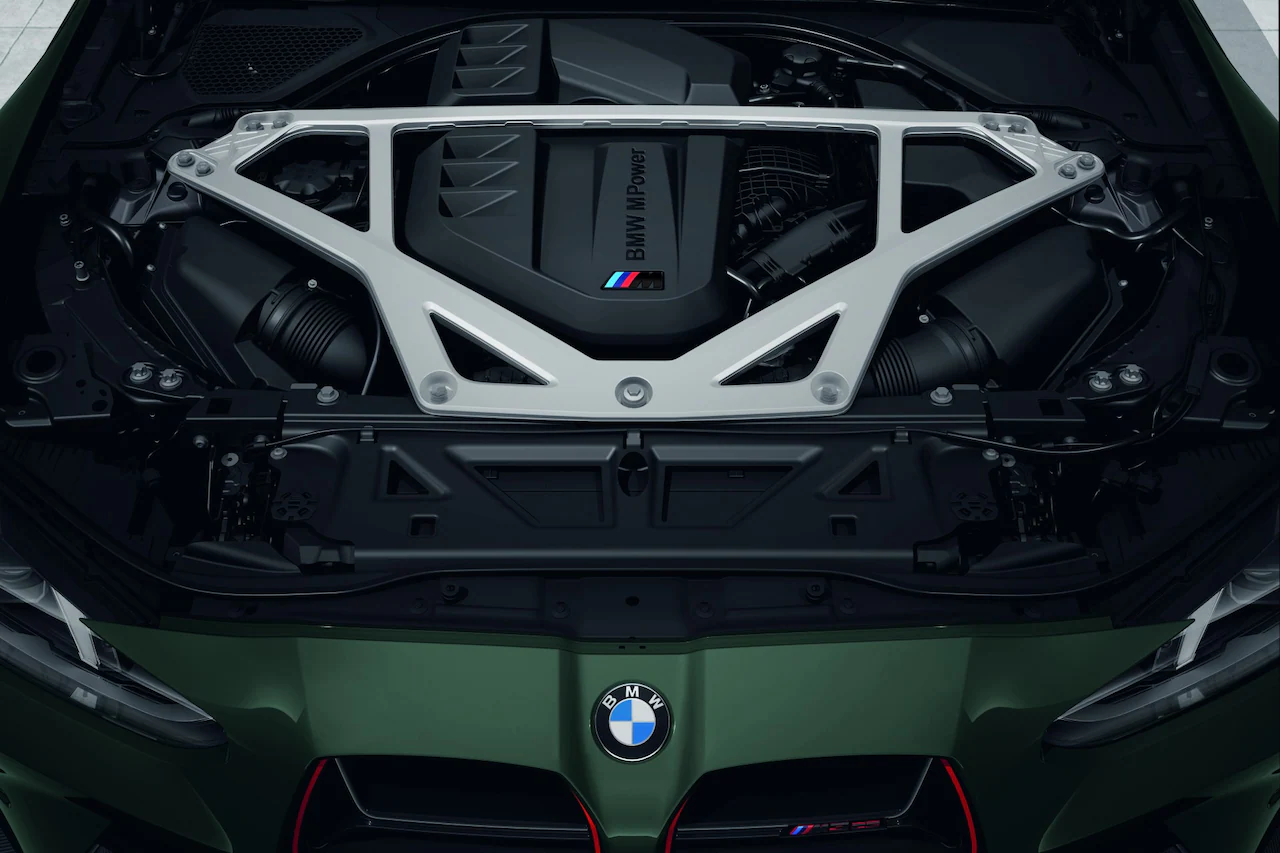
“With Euro 7, we said we don’t want to give up the combustion engine, so we’re currently bringing our six-cylinder inline engine and the V8 to Euro 7 standards, and that will happen this year,” van Meel said.
 +1 Photos


Performance engines to live on
BMW’s V8 and inline-six engines have long underpinned its high-performance models, particularly within the M division.
The company’s 4.4L twin-turbocharged ‘N63’ V8 continues to feature across models such as the BMW M5, BMW X5, BMW X6, BMW X7, and BMW M8, in both pure internal combustion and plug-in hybrid forms.
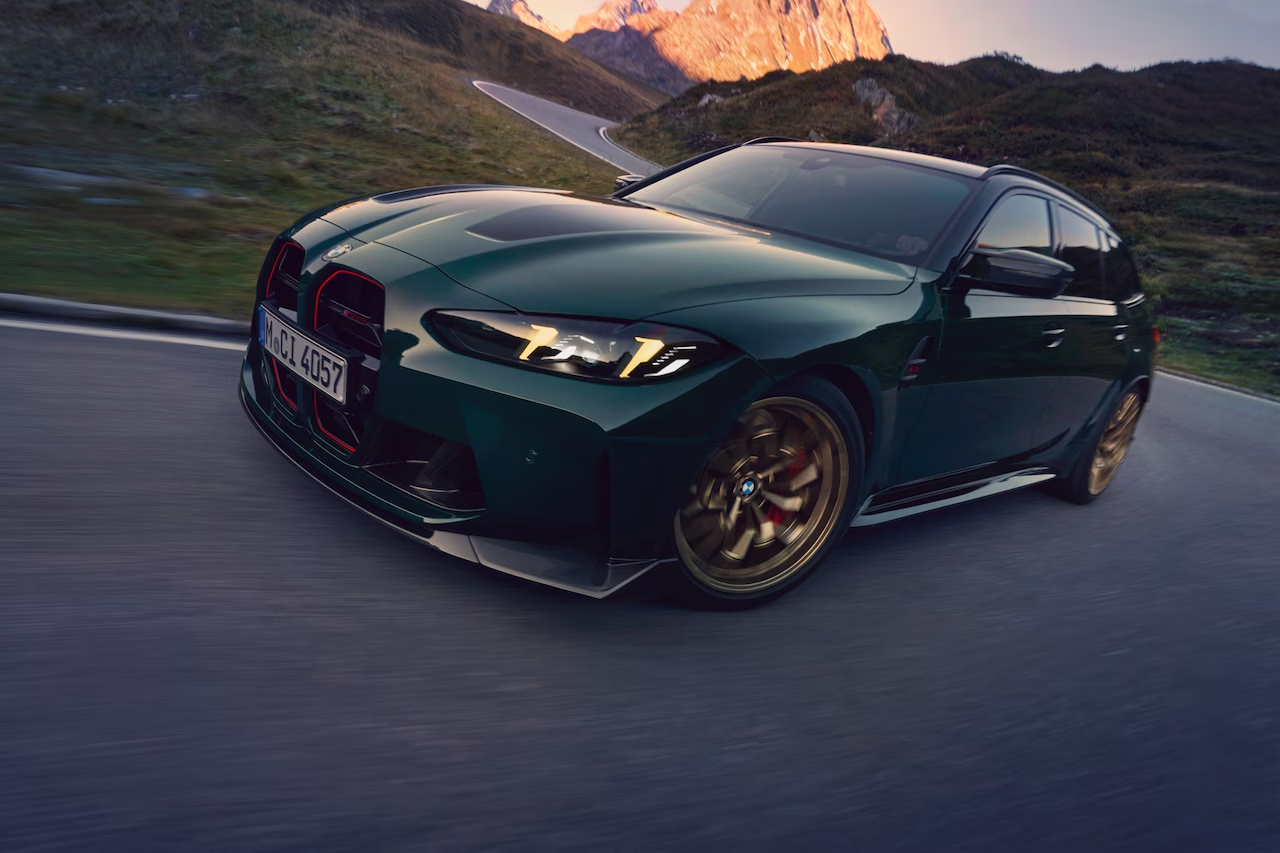
Meanwhile, the brand’s 3.0L twin-turbocharged inline-six engines, known internally as the S58 and B58, power the bulk of BMW’s M and M Sport range, including high-output variants such as the BMW M3 CS and BMW M4 CS.
However, meeting Euro 7 requirements is expected to come with some trade-offs. The latest V8-powered M5 has already seen its combustion engine output reduced from 430kW to 400kW, and similar detuning could be applied to other engines across the range.
Read more: BMW ditches V8, and V12 phase-out plans amid strong US demand
Balancing performance and regulation
While BMW has not confirmed whether all V8 and inline-six variants will lose power, the company acknowledged that adjustments may be necessary to ensure compliance with the stricter emissions framework.
The move reflects the broader challenge facing automakers: maintaining performance credentials while meeting increasingly tight environmental regulations.
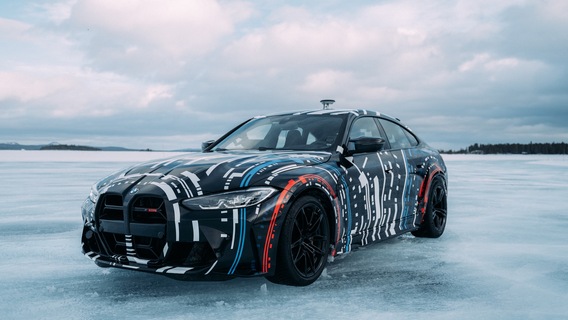
Read more: BMW’s first true electric M car due for 2027
Dual-track strategy continues
BMW’s decision to retain its combustion engines aligns with its broader strategy of offering both petrol and electric options across its lineup.
This approach will extend to future models such as the next-generation BMW M3, which is expected to be offered with both internal combustion and fully electric powertrains.
“As long as there is demand from the markets, which currently there is a lot, we will keep [building petrol cars],” van Meel said.
“I think the split strategy is always right because it answers the demands of our customers… we have both directions, so we don’t have the need to decide right now.”
By continuing to invest in both combustion and electric technologies, BMW is positioning itself to respond flexibly to shifting customer preferences and regulatory pressures, rather than committing exclusively to a single powertrain future.

Comments
New Comment