




Key highlights
- The Tiggo 2 scored 0% for adult and child occupant protection under Latin NCAP’s updated 2026 protocols.
- Crash testing identified structural instability, high driver chest compression and a potential fire risk.
- The entry-level SUV is not confirmed for Australia, and the result does not apply to Chery’s entire local line-up.
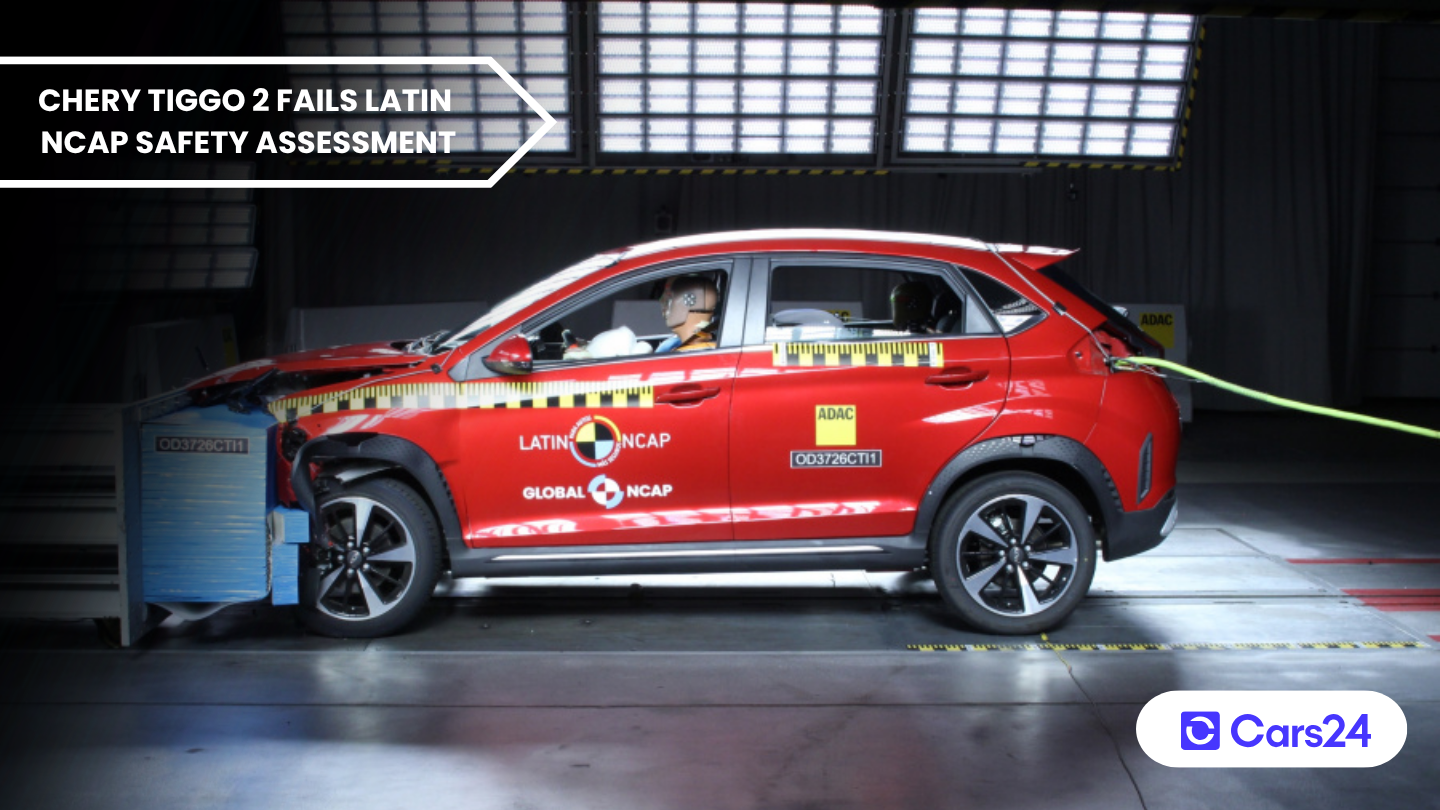
The Chery Tiggo 2 has received a zero-star safety rating after crash testing exposed serious weaknesses in occupant protection, including an unstable structure and concerns over child safety.
Latin NCAP published the results on 28 October 2026, covering the Chery Tiggo 2, Tiggo 2 Pro and Tiggo 2 Pro Max, along with the Chirey-badged version sold in Mexico. The tested vehicles were manufactured in China and fitted with four airbags.
Here is how the SUV performed across the four safety assessment categories:
Chery Tiggo 2 Latin NCAP safety scores
- Adult Occupant Protection: 0% – Poor driver chest protection and a fire risk identified during the frontal impact test resulted in the score being capped at zero.
- Child Occupant Protection: 0% – The vehicle recorded poor results in child crash protection and failed Latin NCAP’s child restraint installation requirements.
- Pedestrian Protection and Vulnerable Road Users: 48.89%.
- Safety Assist Systems: 45.45%.
- Overall safety rating: Zero stars.
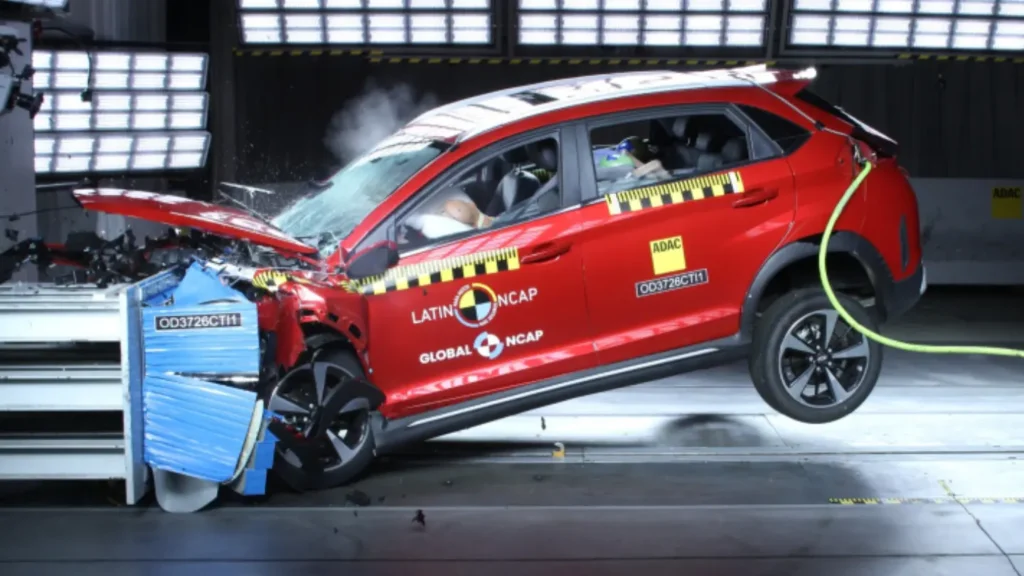
The frontal impact test exposed major weaknesses in the Tiggo 2’s crash protection. Latin NCAP found the passenger compartment structure and footwell to be unstable, meaning they could not withstand further loading during a crash.
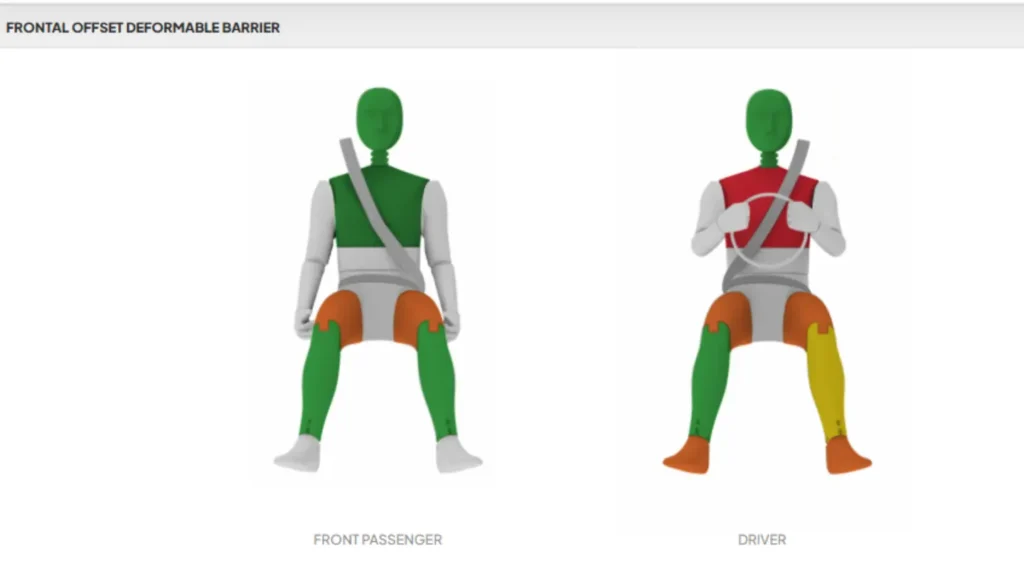
While the front passenger received good chest protection, the driver’s chest protection was rated poor, with high compression recorded during the test. Protection for the driver’s and front passenger’s knees was marginal.
Latin NCAP also identified a fire risk during the frontal impact test. The combination of this concern and poor driver chest protection resulted in the adult occupant protection score being capped at zero.
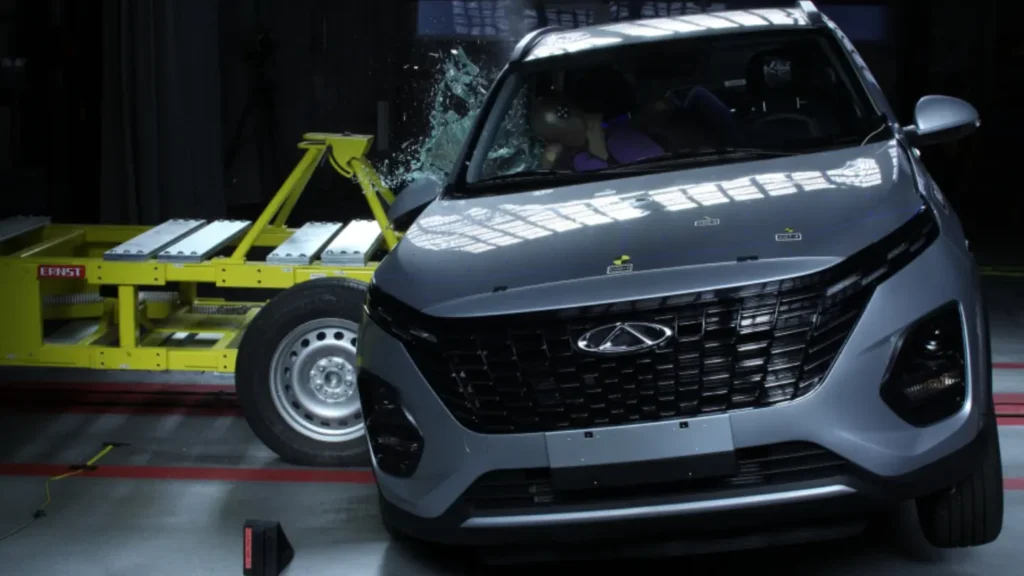
The SUV performed better in the side impact test, receiving full points for that assessment. However, Latin NCAP did not conduct a side pole impact test because the vehicle does not offer standard side head-protection airbags for front or rear occupants.
The whiplash assessment also raised concerns. Protection for the front-seat adult’s neck was rated marginal, while the rear-seat adult’s neck protection was rated poor. The rear seats also lacked seatbelt pretensioners and load limiters.
Read more: Chery’s Lepas previews sportier design with new Aura concept
Child occupant protection raises further concerns
The Tiggo 2 also recorded zero points for child occupant protection, with problems identified in both crash performance and child restraint installation.
During the frontal impact test, the 10-year-old child dummy recorded high injury measurements in the head and neck. In the side impact test, the three-year-old dummy experienced head exposure and a risk of ejection.
The vehicle also failed Latin NCAP’s requirements for i-Size child restraint anchorages. This affected its score for correctly installing child restraint systems, contributing to the zero result in the category.
The updated Latin NCAP testing protocol includes assessments for a 10-year-old child occupant and a smaller adult passenger in the rear seat, adding further checks to the safety evaluation.
No advanced driver assistance features available
The Tiggo 2 also received a low score for safety assistance systems, with Latin NCAP noting that it does not offer advanced driver assistance technology, even as optional equipment.
The missing features include autonomous emergency braking for car-to-car situations, lane support systems, blind-spot detection and speed assistance technology.
The SUV received points mainly for its seatbelt reminder system and some of the electronic stability control assessment. However, the absence of more advanced safety equipment limited its overall performance in this category.
Does the result affect Chery cars in Australia?
The tested Tiggo 2 versions are not confirmed for the Australian market, and the result should not be applied to every Chery model sold locally.
Safety ratings are specific to the vehicle versions and equipment tested under a particular assessment protocol. Buyers in Australia should check the individual ANCAP safety rating for the model they are considering rather than assuming the Latin NCAP result applies across the brand’s range.
The result is nevertheless a setback for Chery, particularly as the brand continues to expand its presence in international markets.
Latin NCAP Secretary General Alejandro Furas said the result put Chery in the spotlight for its low safety performance in a popular vehicle segment. The organisation also called for mandatory safety labelling based on independent crash-test ratings to help buyers make more informed decisions.

Comments
New Comment