




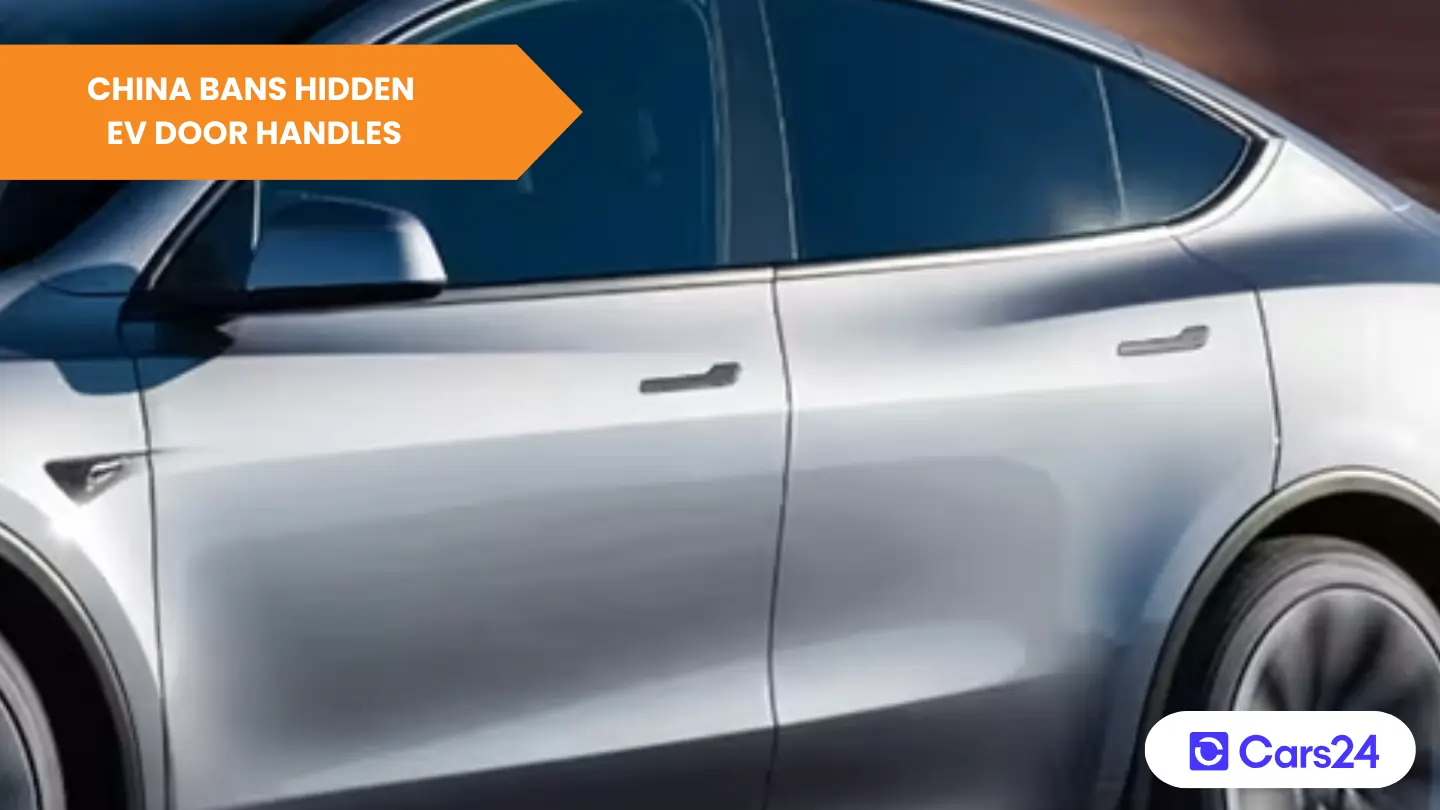
China’s ban on fully electric, retractable door handles is no longer just a domestic safety rule, it’s becoming a benchmark for the global EV industry. After several fatal incidents, including power failures in Xiaomi SU7 and AITO M7 vehicles, the Ministry of Industry and Information Technology (MIIT) now requires all passenger vehicles under 3.5 tonnes to have mechanical door releases inside and out from January 1, 2027.
While most readers already know about the ban itself, what’s unfolding now is the real-world impact on automakers and export markets, and the challenges of redesigning vehicles without compromising style or efficiency.
Read more: Tesla-style pop-out door handles banned in China.
What are brands facing beyond the ban?
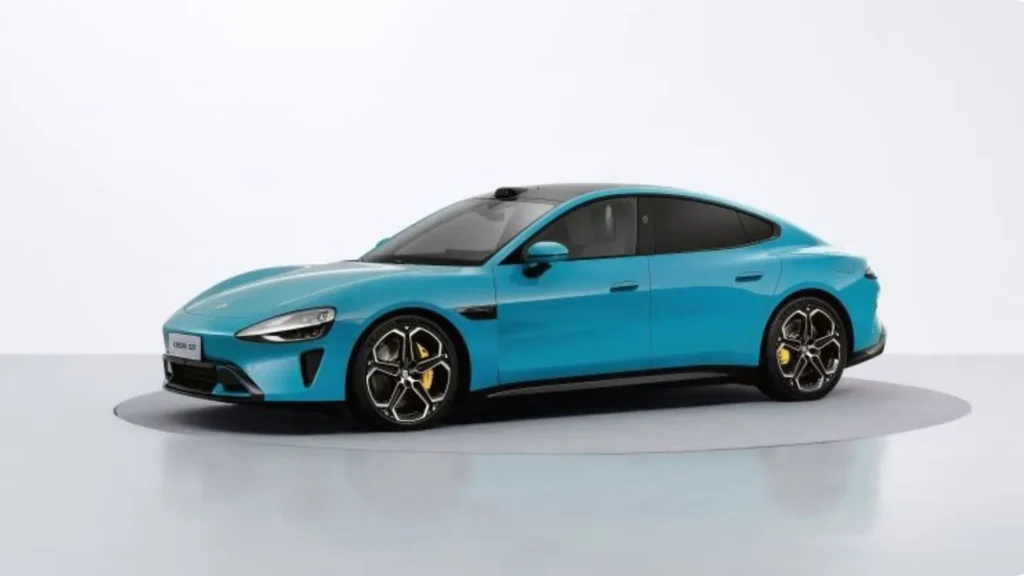
Implementing mechanical handles is not just a cosmetic change. Manufacturers will need to:
- Ensure exterior handles provide a minimum hand-space of 60mm x 20mm x 25mm for safe operation.
- Make interior backup handles clearly visible and intuitive to operate even in emergencies.
- Meet force requirements: exterior handles must withstand at least 500 Newtons, interior handles 200N.
- Guarantee doors on the non-impact side can be opened without tools in collisions or thermal runaway scenarios.
Industry insiders estimate that redesigning high-end EVs could cost over 100 million yuan ($14.4 million) per model, a significant expense for both domestic and foreign automakers selling in China.
China as a global safety benchmark
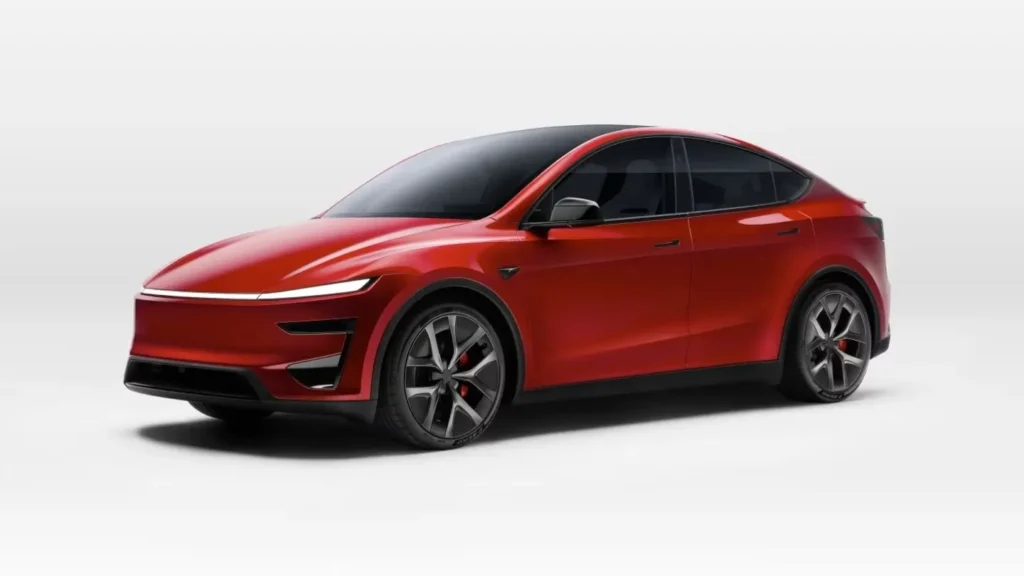
China is now influencing global automotive standards, not just domestic policy. Tesla’s retractable handles are already under investigation in the US, while European regulators are considering similar rules. Manufacturers exporting China-compliant vehicles, including Tesla, BYD, and NIO, may standardize mechanical backup handles worldwide to streamline production.
Even in Australia, where Tesla Model 3 and Y models use retractable handles, ANCAP is paying close attention to post-crash operability and manual releases, meaning the Chinese rules could indirectly shape safety protocols abroad.
Real-world lessons from the incidents
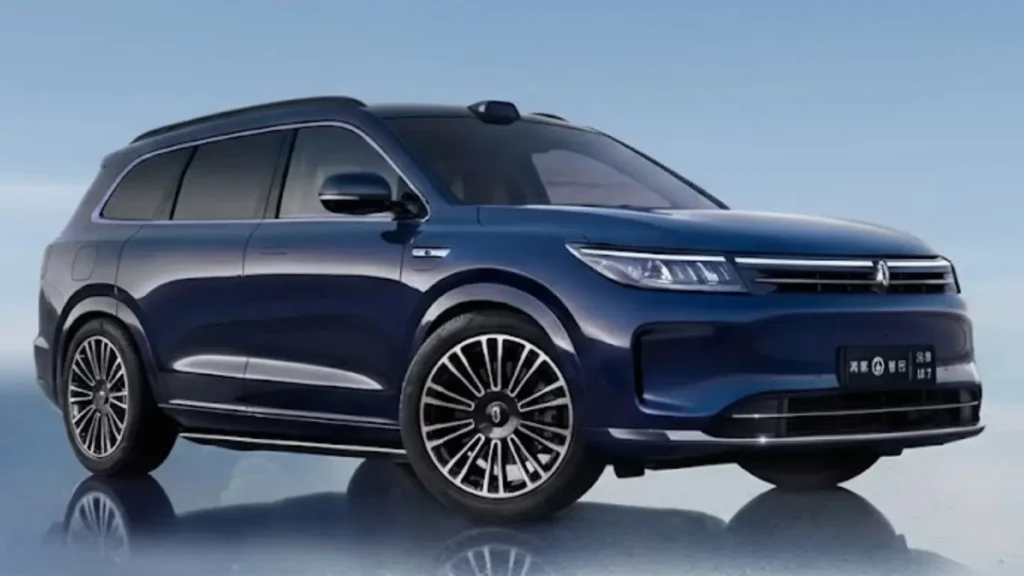
The ban wasn’t arbitrary. Power outages, freezing temperatures, and flood-related short circuits had repeatedly trapped passengers inside their vehicles. In the Xiaomi SU7 and AITO M7 cases, families could not escape fires because the handles failed when the cars lost electricity.
Semi-retractable or manual pop-out handles remain legal, as long as they meet the mechanical redundancy requirement. These designs may become the preferred compromise between modern EV aesthetics and life-saving practicality.
The road ahead
Automakers now face a delicate balancing act:
- Maintain sleek, aerodynamic designs that attract buyers.
- Comply with rigorous safety standards that could influence the global market.
- Manage the financial and logistical challenges of redesigning vehicles mid-production.
China’s hidden handle ban is more than a local regulation; it’s a warning that safety innovation can’t be optional. For automakers, the next 24 months will show how quickly design, engineering, and global strategy can adapt to a new safety-first reality.

Comments
New Comment