




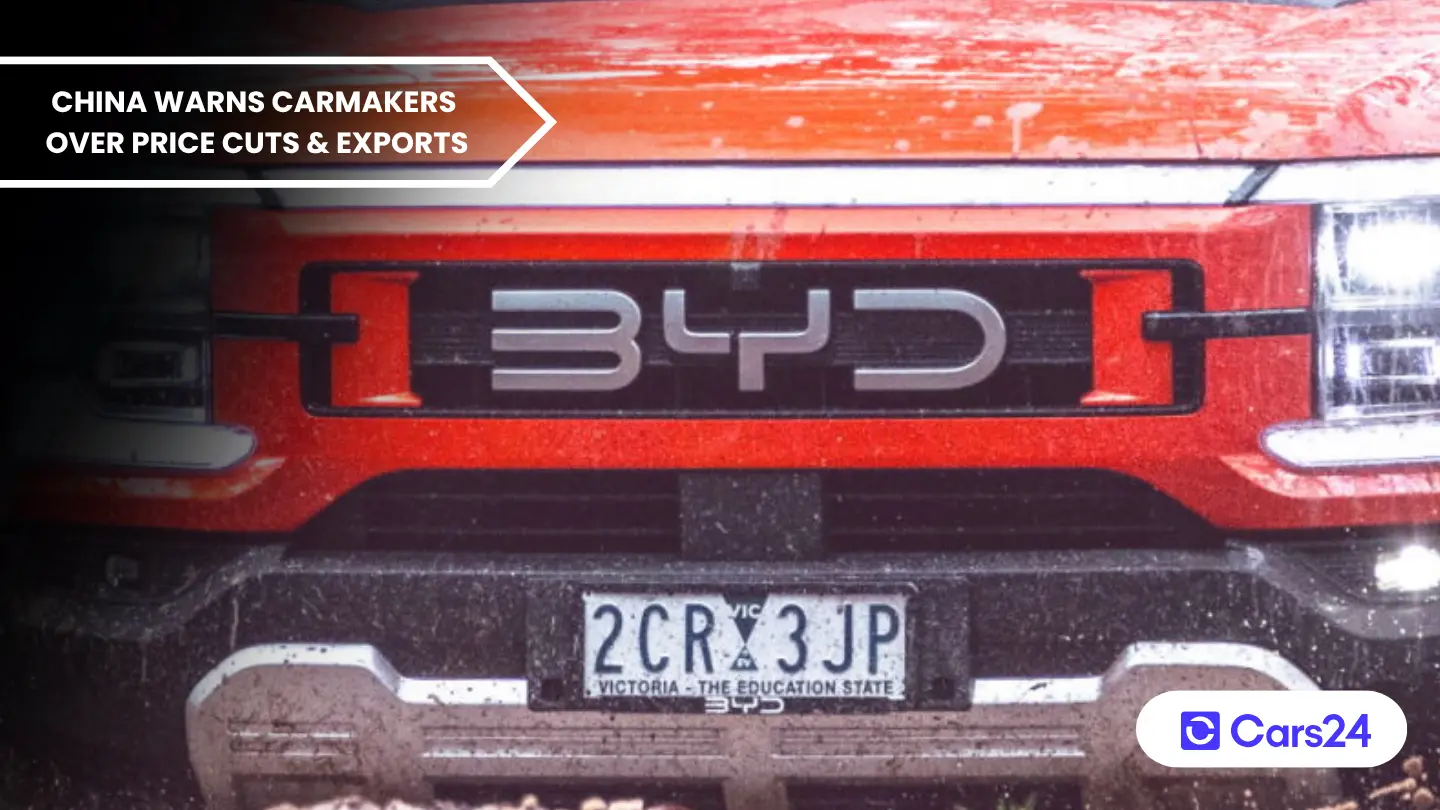
Key highlights
- China has issued new guidelines targeting aggressive car price cuts and frequent price changes.
- Passenger vehicle exports from China jumped 77.5 per cent year-on-year in August.
- Australia could feel the effects as Chinese brands continue gaining market share locally.
China’s runaway car price war has finally caught the attention of its own government. Three of the country’s top regulatory bodies, the Ministry of Commerce, the Ministry of Industry and Information Technology, and the State Administration for Market Regulation, have released new guidelines telling domestic carmakers to cool it on the constant discounting.
According to Nikkei Asia, the guidelines call on manufacturers to set prices based on cost and genuine market demand, rather than chasing short-term wins through disruptive price cuts. Regulators are also pushing back on the practice of dumping vehicles overseas that simply aren’t suited to the markets they’re sold into.
It’s a notable shift in tone. For years, China’s car industry has grown on the back of cutthroat competition, and that’s helped churn out genuinely impressive, feature-rich vehicles at prices legacy brands have struggled to match. But Beijing now seems worried that the race to the bottom is starting to damage the reputation of “Brand China” on the global stage.
Read more: Budget Chinese EVs Geely EX2, Leapmotor B05 get five-star at ANCAP
Why the price war got this bad in the first place
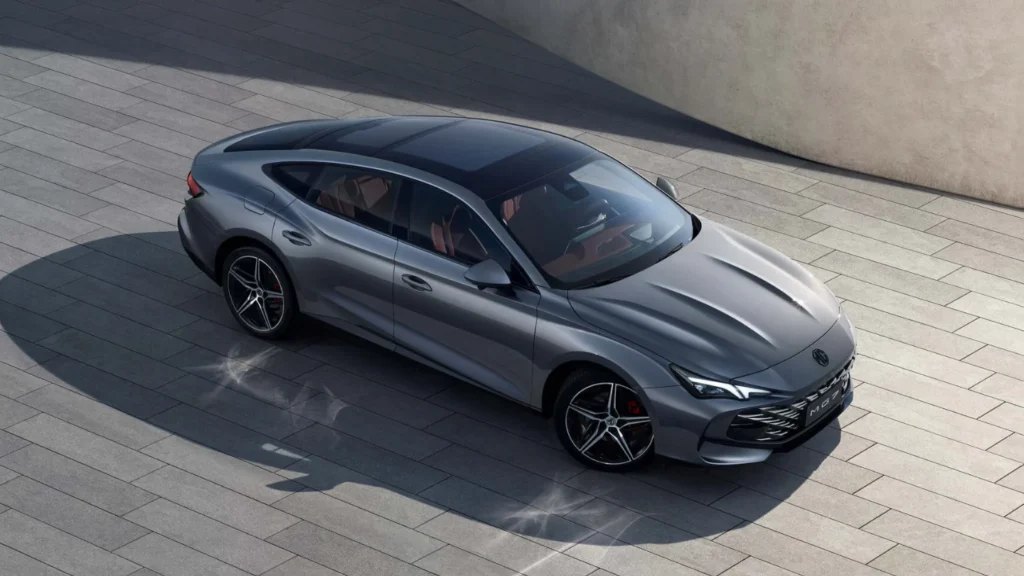
The numbers explain the urgency. China’s domestic passenger vehicle sales have now fallen for 11 consecutive months in a row, even as exports have gone the other way entirely, jumping 77.5 per cent year-on-year in August to roughly 894,000 vehicles, per China Passenger Car Association data. Domestic sales, meanwhile, slid 23.7 per cent in the same period.
Put simply, Chinese manufacturers built way more cars than their home market can currently absorb, and shipping the surplus overseas has become the release valve. Australia, with virtually no trade barriers on imported vehicles, has become one of the more attractive dumping grounds, especially as bigger markets like the EU and US throw up tariffs and outright bans to slow the flow of cheap Chinese EVs.
What it could mean for Australian buyers
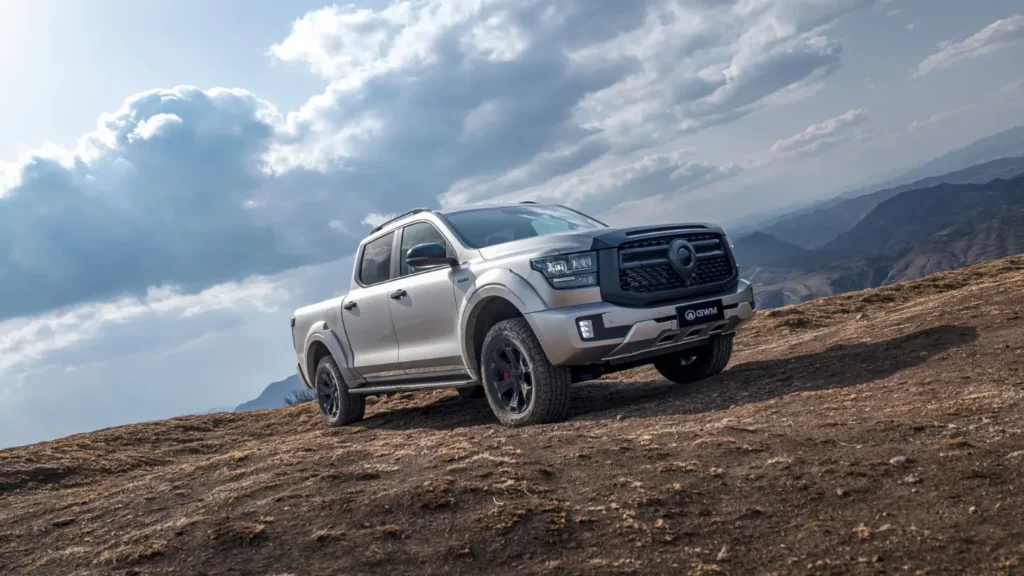
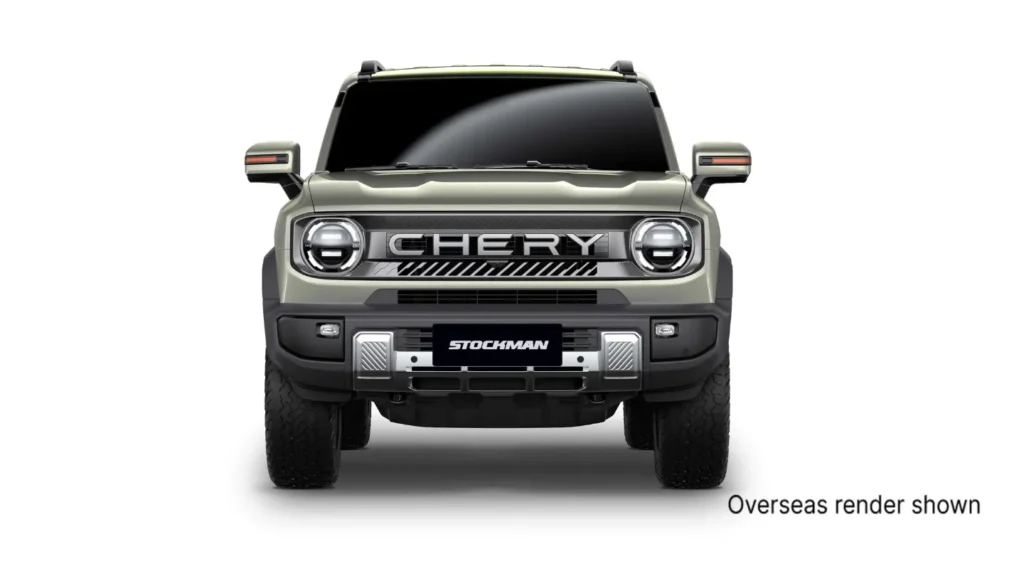
This matters here because Chinese brands aren’t a niche presence in Australia anymore, they’re mainstream. MG, GWM, BYD and Chery all sit in the national top 10 bestsellers, and China has now overtaken Japan as our single biggest source of imported vehicles.
If Beijing’s new guidelines actually curb the kind of aggressive export pricing that’s helped these brands undercut established Japanese, Korean and European rivals, it’s reasonable to expect some tightening on the value proposition that’s made them so popular locally. That said, it’s still early days, the guidelines are freshly issued, and how strictly (or loosely) Chinese manufacturers apply them to export markets like Australia remains to be seen.
Local rules still apply, regardless of Beijing
Whatever direction pricing takes overseas, industry voices are keen to remind buyers that Australian consumer protections don’t bend to decisions made in another country. VACC chief executive Peter Jones was blunt about it, saying manufacturers here need to “comply fully with Australian competition, consumer, and motor vehicle laws.”
Jones also flagged the less glamorous side of ownership, servicing, warranty support, parts availability, and giving independent repairers proper access to the tools and technical data they need. A cheap sticker price loses its shine fast if the car becomes a headache to service down the track.
The bottom line
Nothing here changes what’s sitting in Australian showrooms today, and there’s no confirmation yet of specific pricing or model changes locally. But it’s a sign that the era of endless, market-defying discounts from Chinese brands may not last forever. For anyone eyeing a budget-friendly Chinese SUV or EV, it might be worth factoring that into the timing of a purchase, while also doing the usual homework on servicing and parts support before signing anything.

Comments
New Comment