




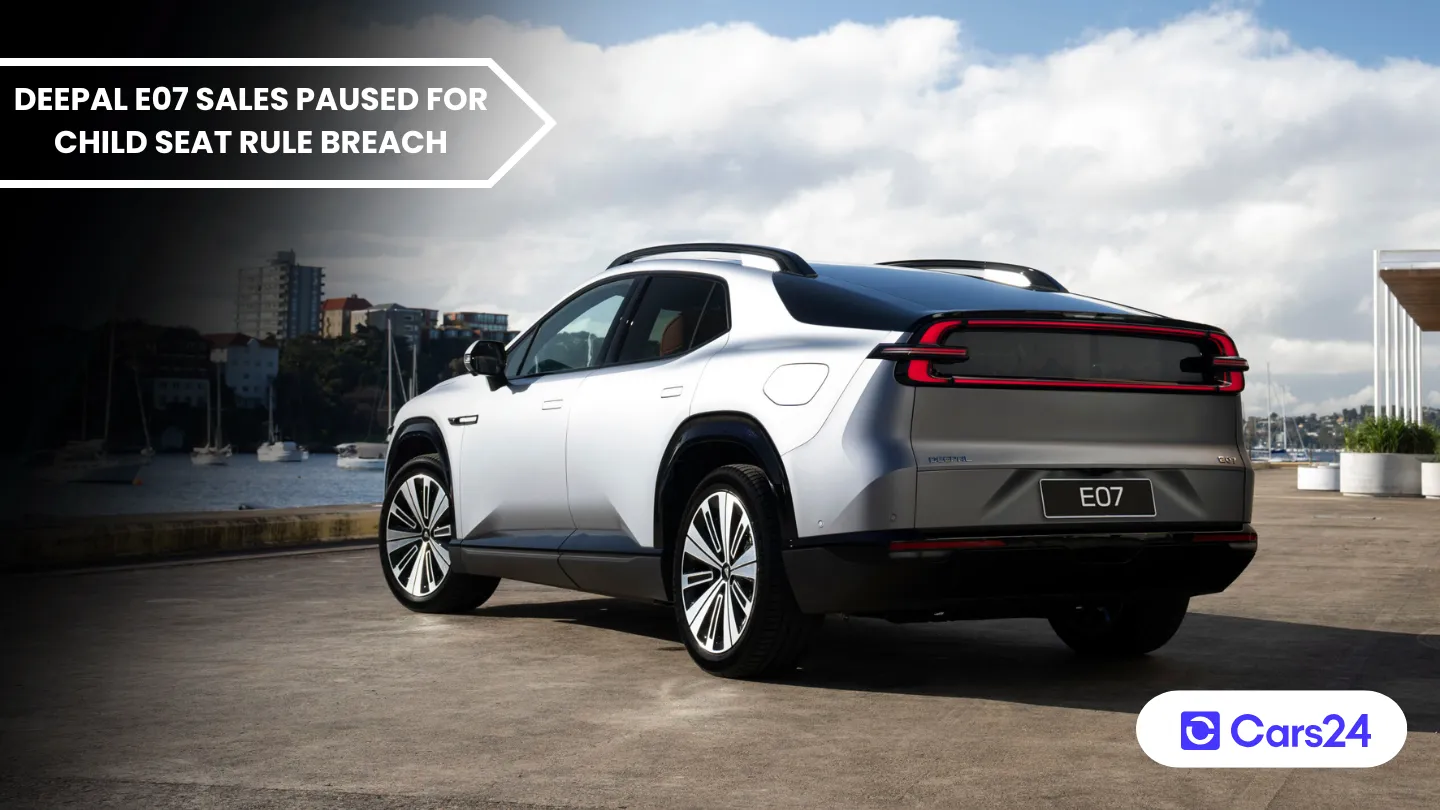
Sales and deliveries of the Deepal E07 have been temporarily paused after the vehicle was found to breach a local safety regulation related to child-seat anchor points. Deepal Australia has also issued a safety recall notice for 218 MY25 E07 models while it works on a fix.
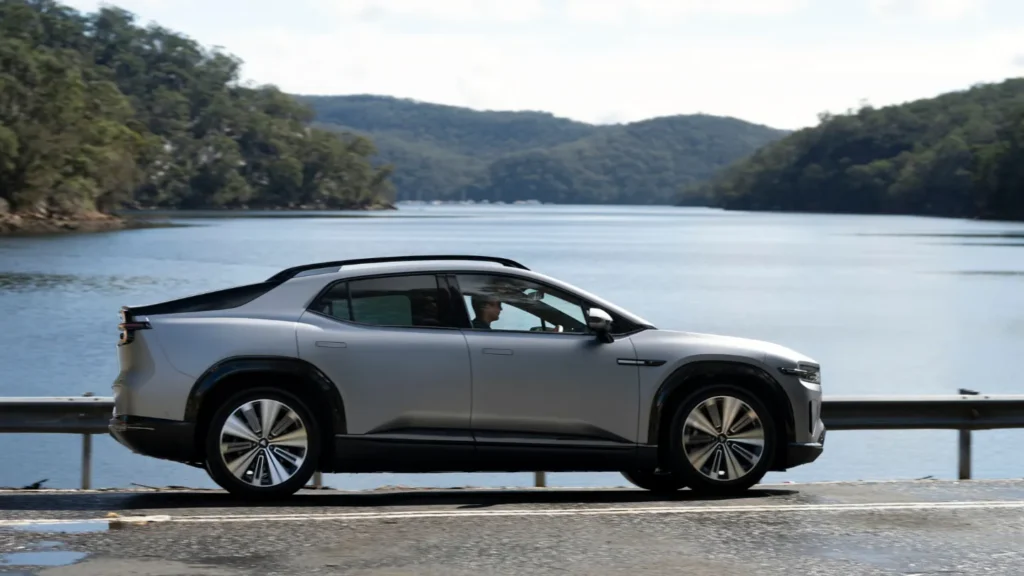
The issue involves the absence of a child-seat top-tether anchor point for the rear-centre seat. The Deepal E07 or SC6501 is a unique, luxury all-electric multitruck. It is a crossover vehicle that functions as a hybrid between a high-end SUV and a ute.
What the compliance problem is
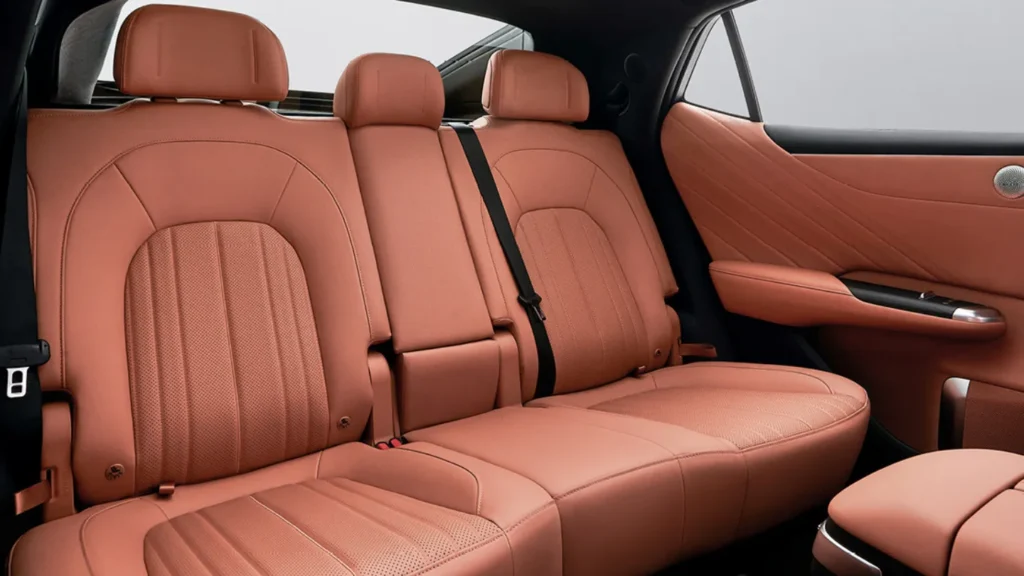
Australia’s safety regulation, known as Australian Design Rule 34/03, requires passenger vehicles with rear seatbelts to include a top-tether anchor point for every rear seating position.
However, some MY 2025 Deepal E07 vehicles were built without this anchor in the middle rear seat. Because of this, a child restraint cannot be safely installed in the centre rear seat, and the vehicle does not meet ADR 34/03 requirements.
Safety recall issued
According to a safety recall campaign notice (REC-006560) sent to affected owners of Deepal SC6501 (commercially Deepal E07), installing a child seat in the middle seat without the correct anchorage point could cause the restraint to perform incorrectly in a crash. This increases the risk of injury to a child occupant. The timing for the repair has not yet been announced.
Similar issue in other EVs
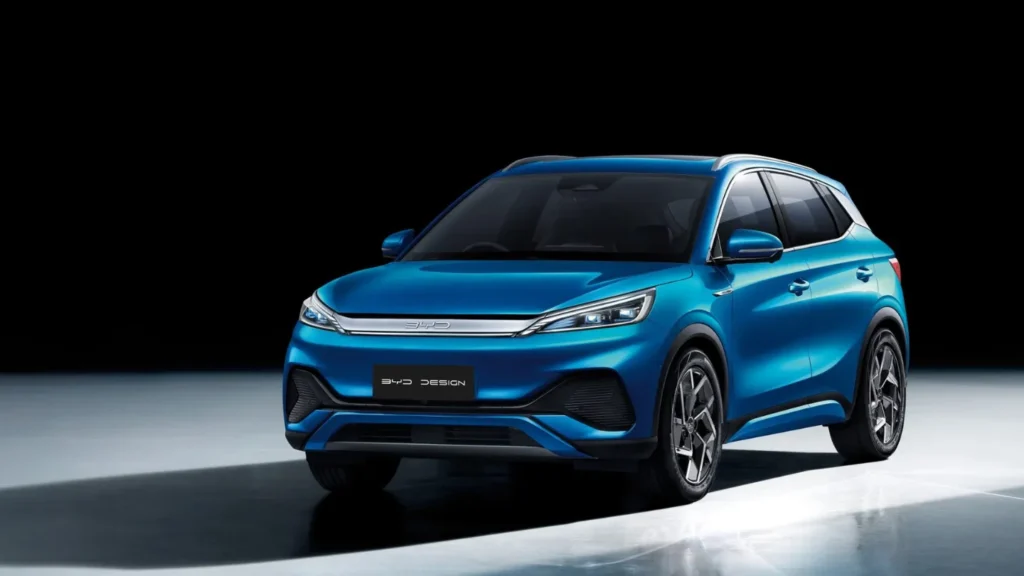
The Deepal E07 is not the first vehicle caught by Australia’s child-seat anchorage rule. Several recent vehicles have faced the same issue, including BYD Atto 3 (2022 models recalled) and Tesla Model 3 (early facelift deliveries recalled). Both of these vehicles initially delivered to customers did not meet ADR 34/03 requirements.
Cars are modified for Australia due to the anchorage rule
Australia’s unique anchorage rule has also affected vehicle design decisions. For example, the latest Honda HR-V is sold as a 4-seater in Australia. The car was not engineered with a centre rear top-tether anchor, so the middle seat is not used locally. In other countries where the rule does not apply, the HR-V is sold with 5 seats.
Industry calls for global rule alignment
Some carmakers believe Australian vehicle standards should be aligned with larger global markets. Manufacturers, including Nissan and Mitsubishi Motors, have argued that Australia should harmonise its rules with regions such as the UK, the US, Japan, and Europe. These markets do not require the same top-tether configuration as ADR 34/03.
Government review still pending
The Australian Government conducted a review of the Australian Design Rules in 2024 and 2025 to examine whether local regulations should be harmonised with international standards. However, the results of this review have not yet been released.

Comments
New Comment