




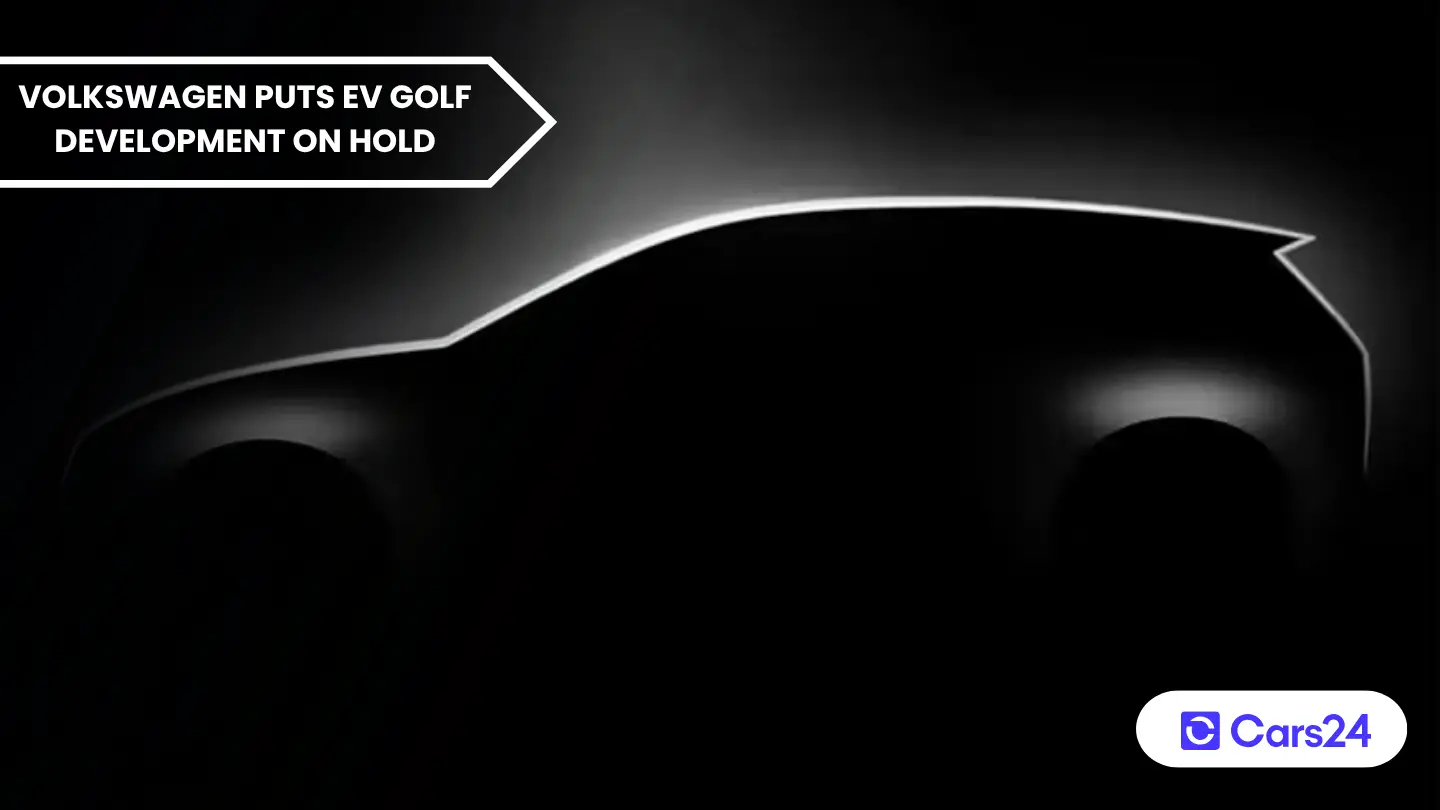
Key highlights
- The planned ID. Golf has been put on hold, although Volkswagen insists the project has not been cancelled.
- The car maker reported a €5.8 billion loss, equivalent to around AUD$9.3 billion, in its latest financial results.
- Volkswagen Australia recorded a 23 per cent sales decline to September 2026, adding to its challenges in the local market.
The next-generation Volkswagen Golf was expected to make the transition to electric power, but buyers could now have to wait longer for the iconic hatchback’s battery-powered successor.
Volkswagen has suspended development of the planned ID. Golf as the German car maker grapples with mounting financial pressure. The decision was confirmed by Volkswagen brand boss Thomas Schäfer in an internal memo, which was reportedly seen by German broadcaster NDR and Automotive News.
Schäfer acknowledged the significance of the Golf nameplate to the company and its home city of Wolfsburg, but said continuing development was not financially viable at present.
“I know what the Golf means for Volkswagen and for Wolfsburg. That’s why this decision was really not an easy one for us… we simply can’t afford this work right now,” he said.
However, Volkswagen has been careful to distinguish between pausing development and cancelling the project altogether.
“We can’t spend money we haven’t earned. We’re pausing, not cutting,” Schäfer said.
This means the electric Golf has not been ruled out, although its development timeline and eventual launch date remain uncertain.
Read more: 2027 Volkswagen T-Roc confirmed for Australia with mild-hybrid power
Why Volkswagen is facing financial pressure
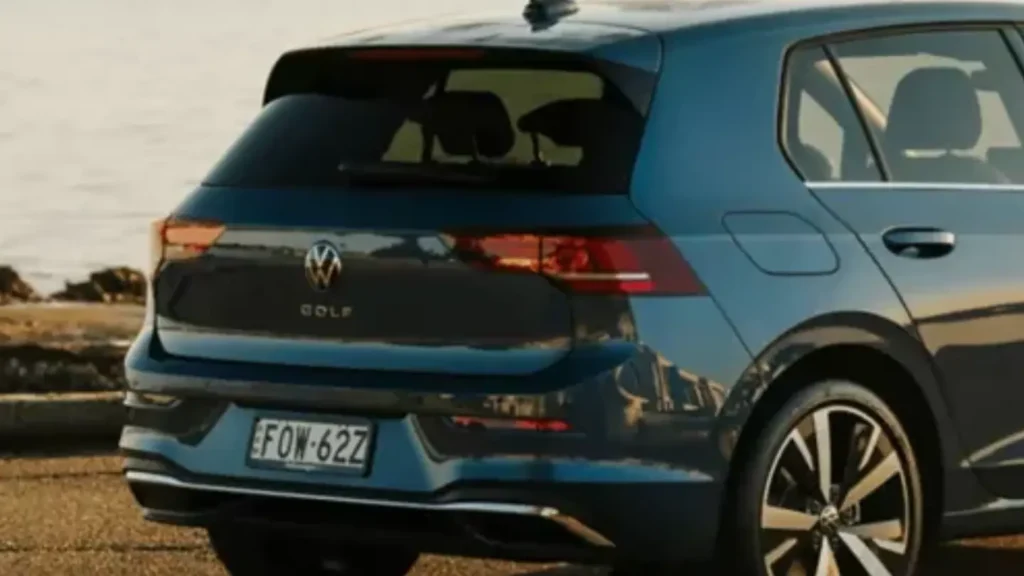
The decision comes as Volkswagen Group deals with a difficult financial period, with its latest results highlighting the scale of the challenges facing the company.
The car maker reported a loss of €5.8 billion (approximately AUD$9.3 billion) in its latest financial results, with several factors contributing to the downturn.
Volkswagen Group chief financial officer Arno Antlitz pointed to US tariffs, a shrinking Chinese market and increased competition in Europe as some of the biggest challenges.
“The nine-month results make one thing clear: We cannot afford to lose any time and must act quickly and decisively,” Antlitz said.
The company’s growing electric vehicle business is also putting pressure on its earnings.
According to Antlitz, electric vehicles account for 40 per cent of Volkswagen’s order bank in Europe. While that reflects growing demand for its battery-powered models, EVs currently deliver lower profit margins than their petrol and diesel counterparts.
“The market success of our electric vehicles is putting additional pressure on our earnings, as we currently earn less from electric vehicles than from combustion-engine vehicles,” he said.
For Volkswagen, this creates a difficult balancing act. The company needs to invest in electric vehicles to remain competitive, but it also needs to manage development costs and improve profitability.
What happens to the electric Volkswagen Golf?
The ID. Golf was expected to become the electric successor to one of Volkswagen’s most recognisable nameplates.
The project had already experienced delays, with the electric hatchback previously pushed back due to engineering setbacks involving its next-generation platform and technology.
The latest suspension adds another hurdle, although Volkswagen has not provided a revised development schedule.
Importantly, the decision does not mean the existing petrol-powered Golf is being discontinued. The current-generation model remains a separate product, and the proposed electric successor was always intended to represent a new chapter for the nameplate.
For now, Volkswagen’s priority appears to be managing its finances before committing further resources to major new projects.
What does this mean for Australian buyers?
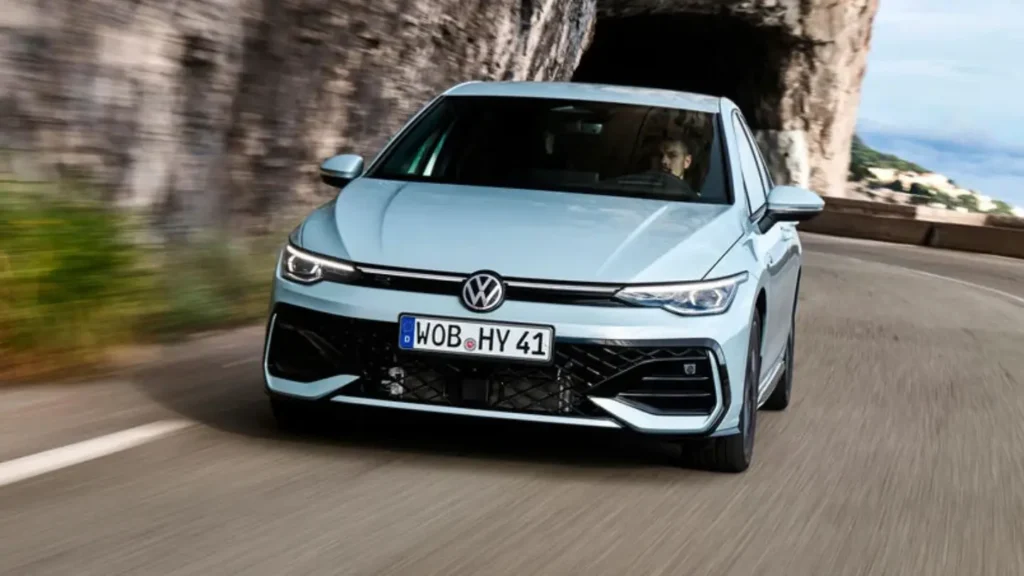
Volkswagen’s financial difficulties come at a challenging time for its Australian operations as well.
The brand recorded 17,161 vehicle sales in Australia by the end of September 2026, representing a 23 per cent decline compared with the corresponding period.
The growing popularity of Chinese-built electric vehicles is also putting pressure on established brands, including Volkswagen.
In response, Volkswagen has indicated that it is considering introducing Chinese-made vehicles to Australia. The company previously confirmed that Australia was among the markets being considered for vehicles sourced from China, although it has not confirmed which models could make the trip.
For Australian buyers waiting for an electric Volkswagen Golf, there is currently little clarity on when the model could arrive.
Volkswagen Australia has not confirmed local availability or a launch timeline for the ID. Golf. With development now on hold, an Australian arrival remains uncertain.
The Golf nameplate is unlikely to disappear from Volkswagen’s plans altogether, but its electric future may have to wait until the company is in a stronger financial position.

Comments
New Comment