




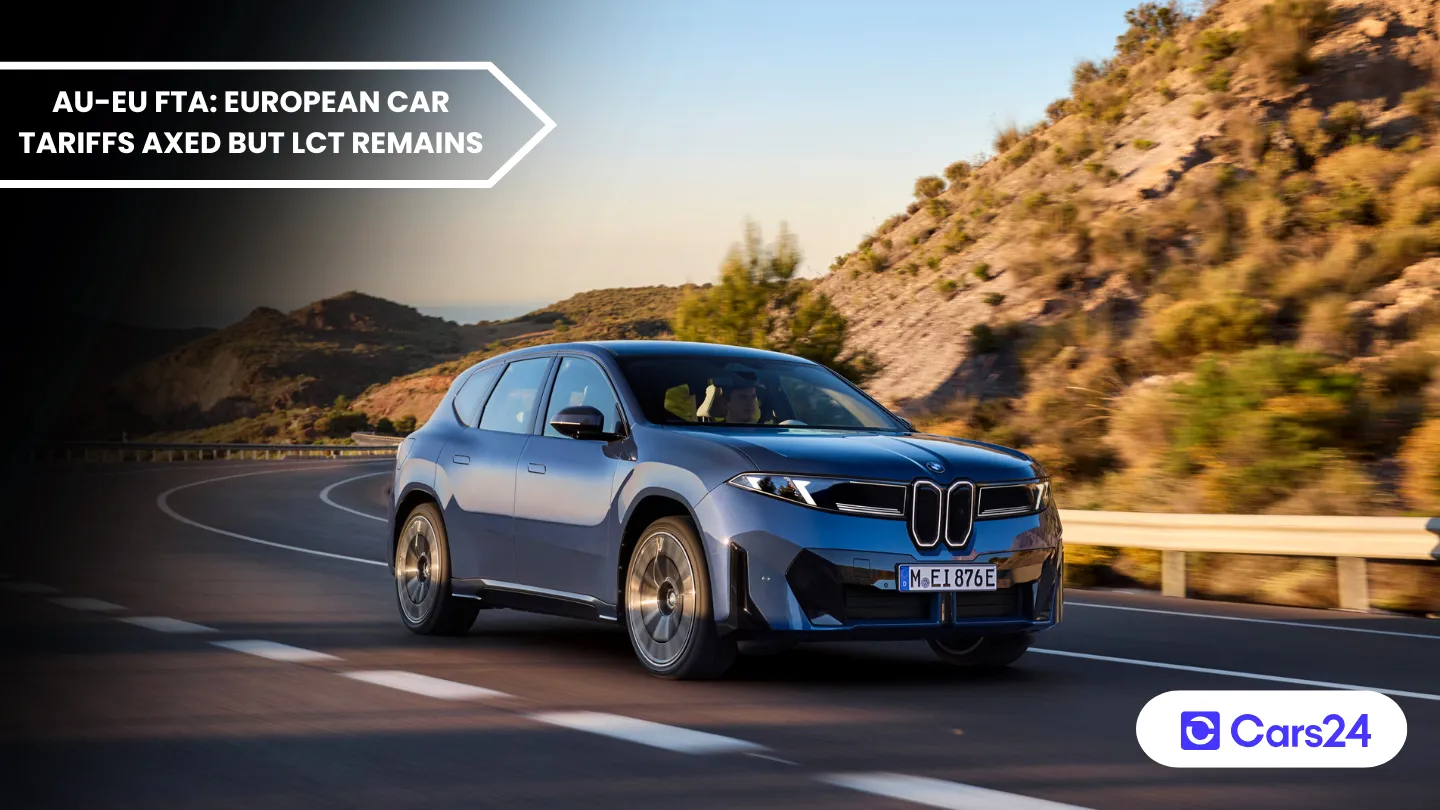
The Aussie Federal Government has struck a new trade deal with Europe, cutting 5% import tariff on Euro passenger cars. PM Anthony Albanese announced the Australia–European Union Free Trade Agreement (FTA), bringing cheaper European cars but stopping short of scrapping one controversial cost, the Luxury Car Tax (LCT).
5 per cent tariff gone
Under the new deal, the 5% import tariff on European passenger cars will be removed. This applies to all European vehicles, regardless of powertrain. According to James Voortman, CEO, AADA, the move will improve affordability and will also increase competition across the market.
Luxury car tax stays
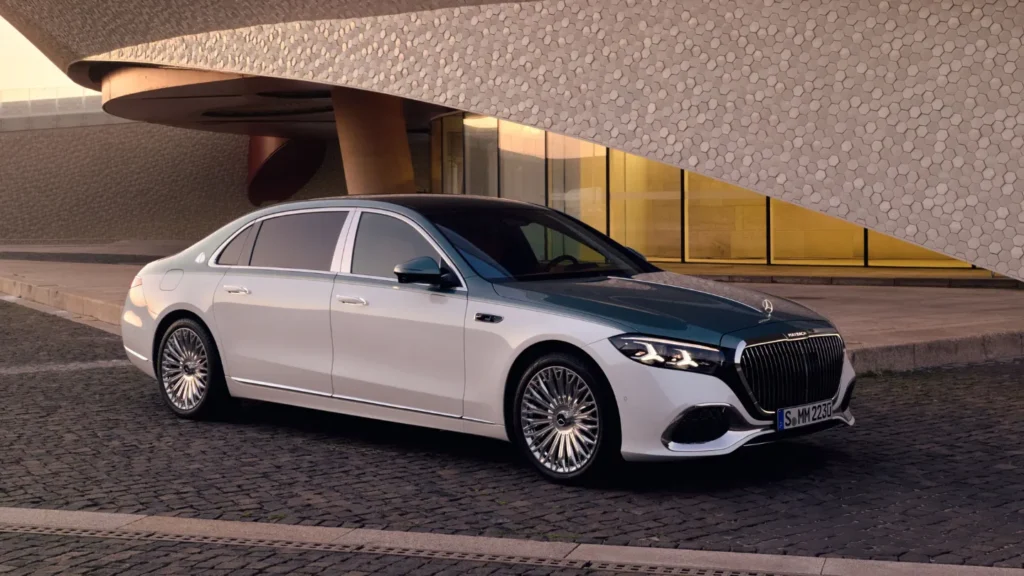
The Luxury Car Tax remains in place, with only a small tweak. There will be a new LCT category for zero-emissions vehicles (EVs) with a new threshold set at $120,000. The higher EV threshold is expected to apply to less than 1% of vehicles sold and deliver limited real-world impact.
The 33% tax applied to the value above the threshold is still applicable. The current thresholds (2025–26) are $80,567 for standard vehicles and $91,387 for fuel-efficient vehicles (including EVs).
Industry reaction
CEO Tony Weber from the FCAI said that while the tariff cuts will make Euro cars more affordable, the LCT is outdated. He said it was introduced nearly 40 years ago to protect a local car industry that no longer exists.
It mainly serves as a revenue tool now. Weber also warned that the tax discourages uptake of advanced safety tech and low-emissions vehicles.
Also read: EU revokes its 2035 ban on petrol and diesel cars
Broader trade impacts
The FTA goes well beyond vehicles. According to the government, 98% of Australian exports will enter the EU duty-free. Tariffs are removed on almost all agricultural products, and the quotas for exports like beef and rice are expanded now.
Most manufactured goods and minerals exported to the EU will also have zero tariffs. In Australia, tariffs will be removed on EU imports like wine and chocolate.
The deal is not closed yet
Negotiations, which began in 2018, are now complete, but the Aussie-Europe trade deal still needs formal ratification. Approval is required from both authorities, and only then will the changes come into effect.

Comments
New Comment