




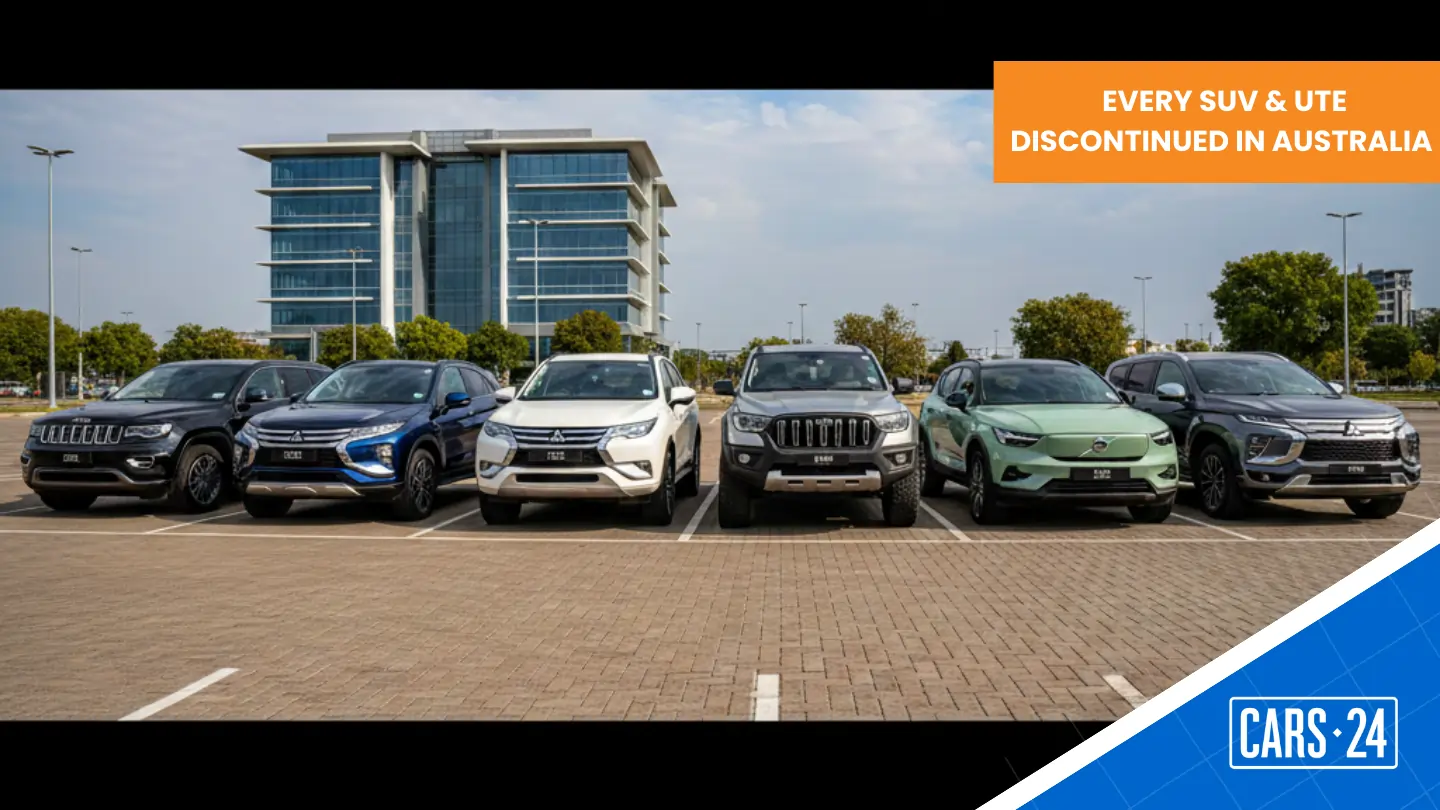
While Australia’s new car market welcomed fresh nameplates in 2025, it also bid adieu to a number of long-running vehicles. Some were discontinued due to slow sales, others couldn’t meet new Australian Design Rules (ADR), while others were discontinued as newer models entered the market.
Here’s a breakdown of every SUV and ute discontinued in Australia in 2025, and why each one disappeared from local showrooms.
Jeep Grand Cherokee
The Jeep Grand Cherokee was among the most high-profile exits in 2025.
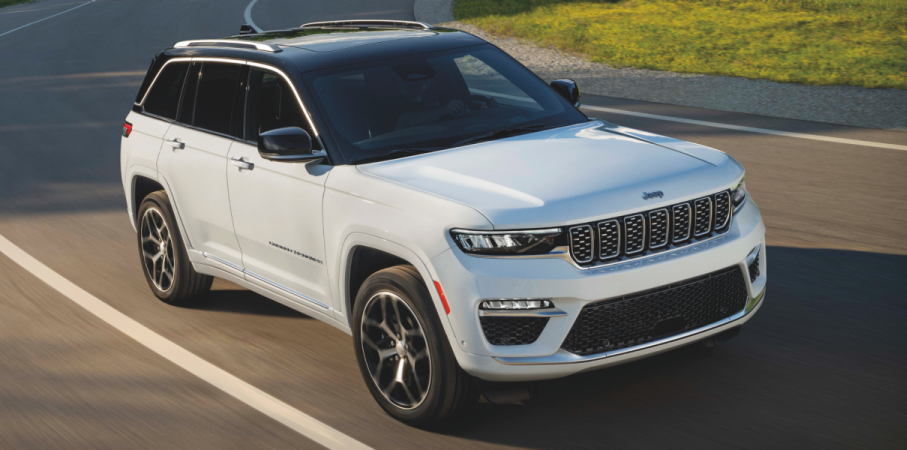


Once Australia’s best-selling large SUV, the Grand Cherokee outsold the Toyota Prado in 2014, recording 16,582 deliveries, 470 more than its key rival. A decade later, it is leaving the market amid a significant decline in Jeep’s Australian sales.
In 2024, Jeep delivered just 645 Grand Cherokees, representing a 48.3 per cent year-on-year decline. Compared to its 2014 peak, sales have fallen by 96 per cent, while Jeep’s overall Australian sales are down 92 per cent over the same period.
Jeep officially described the move in March as a “pause” in availability, but right-hand-drive production of the current generation model has reportedly ended. In Europe, the electric Wagoneer S has taken its place in European markets, though Jeep has yet to lock in that model for Australia.
Launched locally in 2022, the latest version of the Jeep Grand Cherokee arrived only in long-wheelbase, 7-seat L guise, a first for the nameplate. However, it lost the turbo-diesel V6 that had accounted for more than half of Australian sales of the previous generation. With no V8 and only an ageing 3.6L petrol V6, plus the absence of a 3500kg braked towing rating, the Grand Cherokee faced challenges in a segment dominated by diesel-powered vehicles.
A plug-in hybrid four-cylinder joined the range in 2023, but recorded limited sales uptake. Jeep’s Australian lineup has now shrunk to just four models – Avenger, Compass, Wrangler and Gladiator. Despite heavy discounting, the outgoing Grand Cherokee continued to record higher individual sales than those models.
Mahindra Pik-Up
The Mahindra Pik-Up exited the Australian market in early 2025, disappearing from the brand’s local website once remaining stock was exhausted.
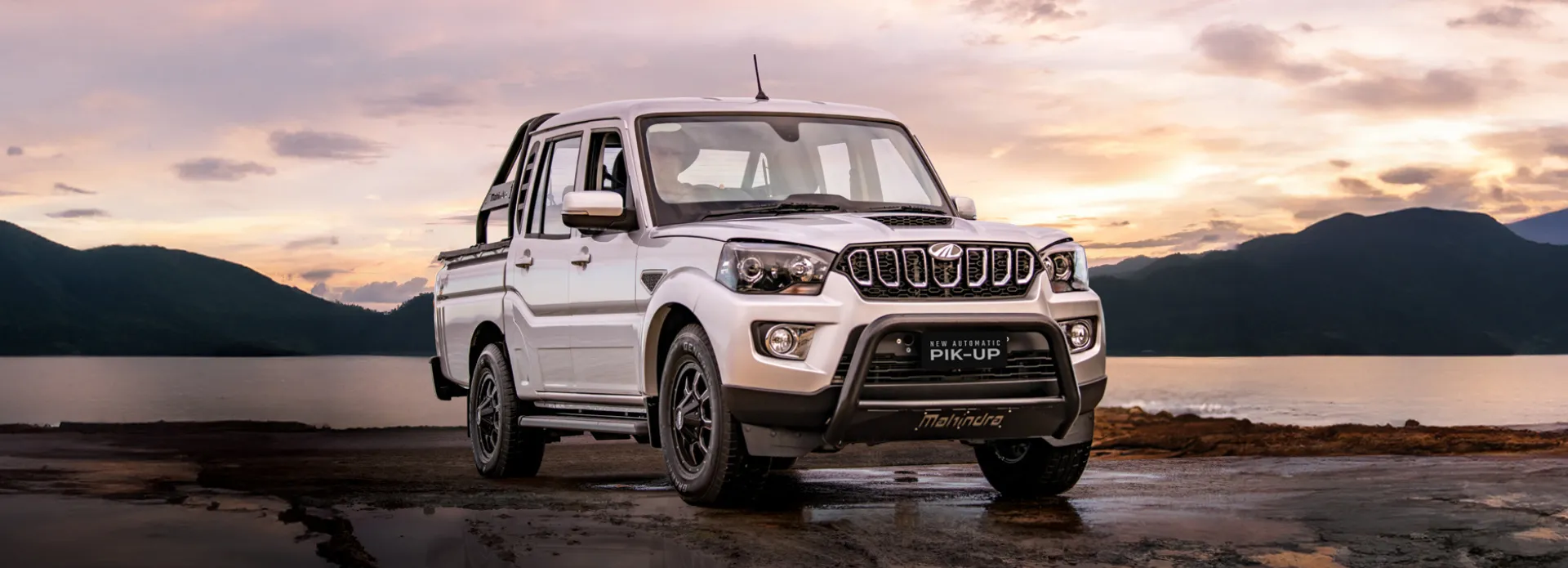
First launched here in 2009, the Pik-Up had been on sale for around 16 years, making it one of the longest-running utes sold in Australia, despite its underlying design being far older. Mahindra does not report sales figures to the FCAI, so its exact sales performance remains unclear.
Its departure leaves Mahindra Australia with an SUV-only lineup, though one made up of much newer products. The brand has already confirmed a clean-sheet replacement ute is in development and due in 2026, engineered specifically for markets like Australia.
Mitsubishi Eclipse Cross
The Mitsubishi Eclipse Cross was one of three Mitsubishi models discontinued in January 2025 due to the introduction of ADR 98/00.
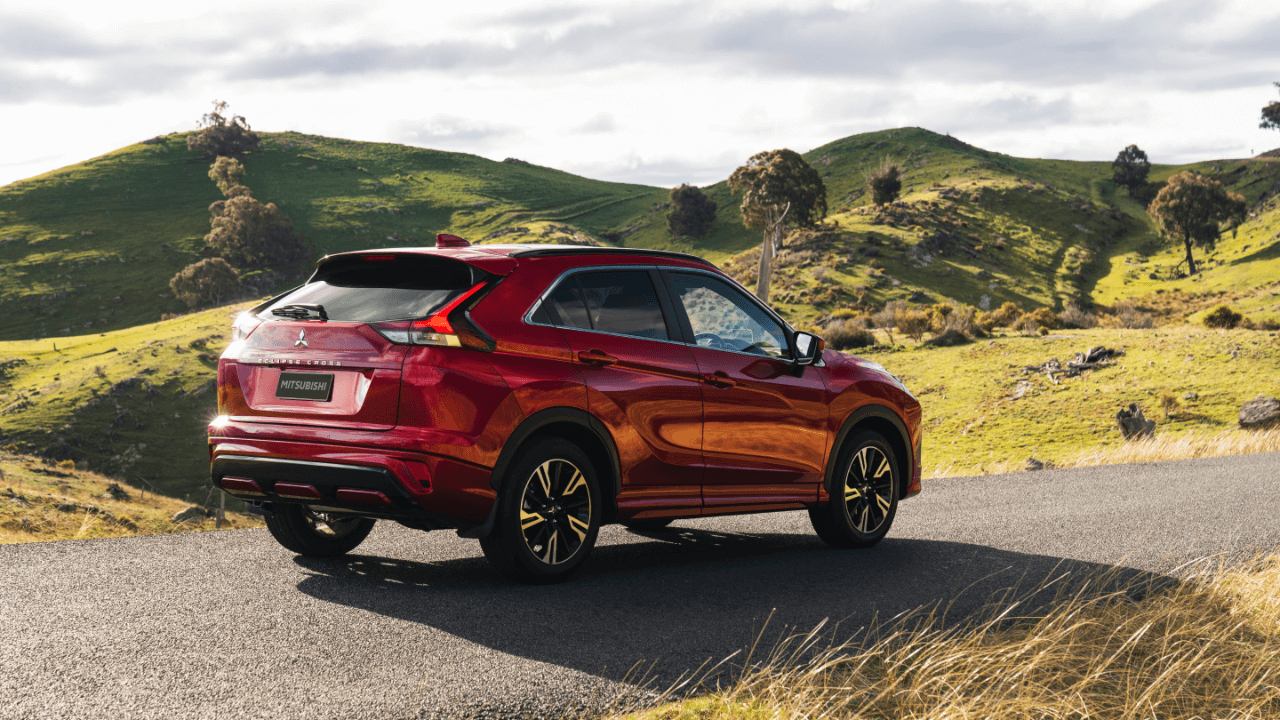
The updated regulation introduced stricter technical requirements for autonomous emergency braking (AEB) systems. While the Eclipse Cross did feature AEB as standard, its system was unable to comply with the new rules.
Unlike the ASX, which was immediately confirmed for replacement, the Eclipse Cross was axed without a direct successor for Australia. A new-generation Eclipse Cross was revealed in Europe later in 2025, a rebadged Renault Scenic E-Tech electric SUV, though it has not been locked in for local sale.
It was launched here in 2017, the Eclipse Cross slotted between the ASX and Outlander and received a facelift in 2021, followed by a plug-in hybrid option in 2022. Sales lifted in 2024 by 18.4 per cent to 9221 units, narrowing the gap to the ASX, but it continued to record lower sales than both models.
Mitsubishi stockpiled vehicles ahead of ADR 98/00, taking effect on March 1, allowing it to continue selling the Eclipse Cross well into 2025.
Toyota Fortuner
The Toyota Fortuner’s exit is notable given its sales performance over its lifecycle.
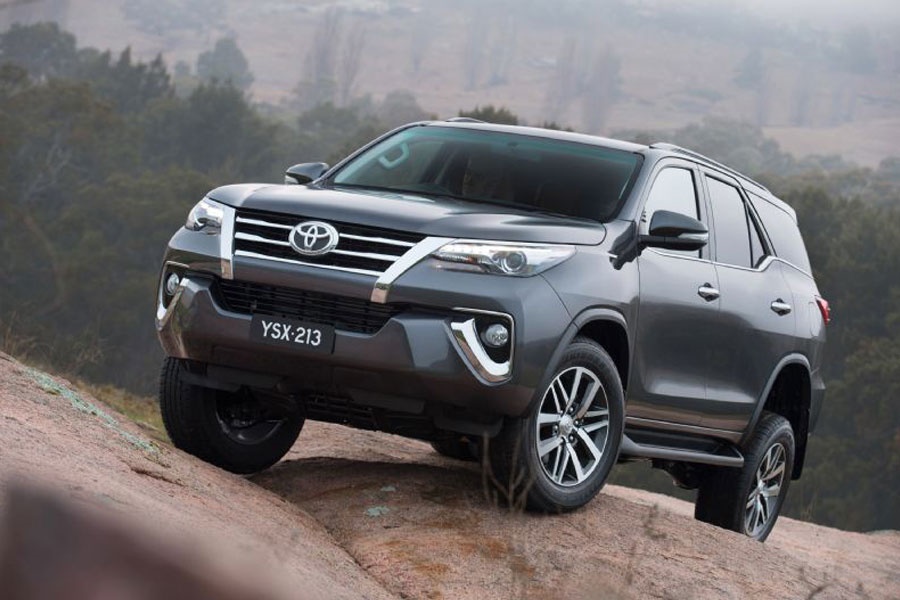
Introduced in 2015 as a more affordable alternative to the LandCruiser Prado, the HiLux-based Fortuner was positioned to attract buyers wanting rugged capability at a lower price point. Instead, buyers more frequently opted for the Prado.
Annual Fortuner sales typically sat between 2800 and 3900 units, peaking at 4614 units in 2022, still well behind the Prado and even the Mitsubishi Pajero Sport. Even in 2024, when Prado supply dried up for months, Fortuner sales did not increase significantly.
Toyota has confirmed the Fortuner will remain on sale until mid-2026, acknowledging its “relatively small but enthusiastic customer base”. However, it has also noted that many Fortuner buyers are already migrating to the HiLux, Prado or LandCruiser 300 Series.
Volvo C40
Volvo’s C40 had one of the shortest lifespans of any model axed in 2025.
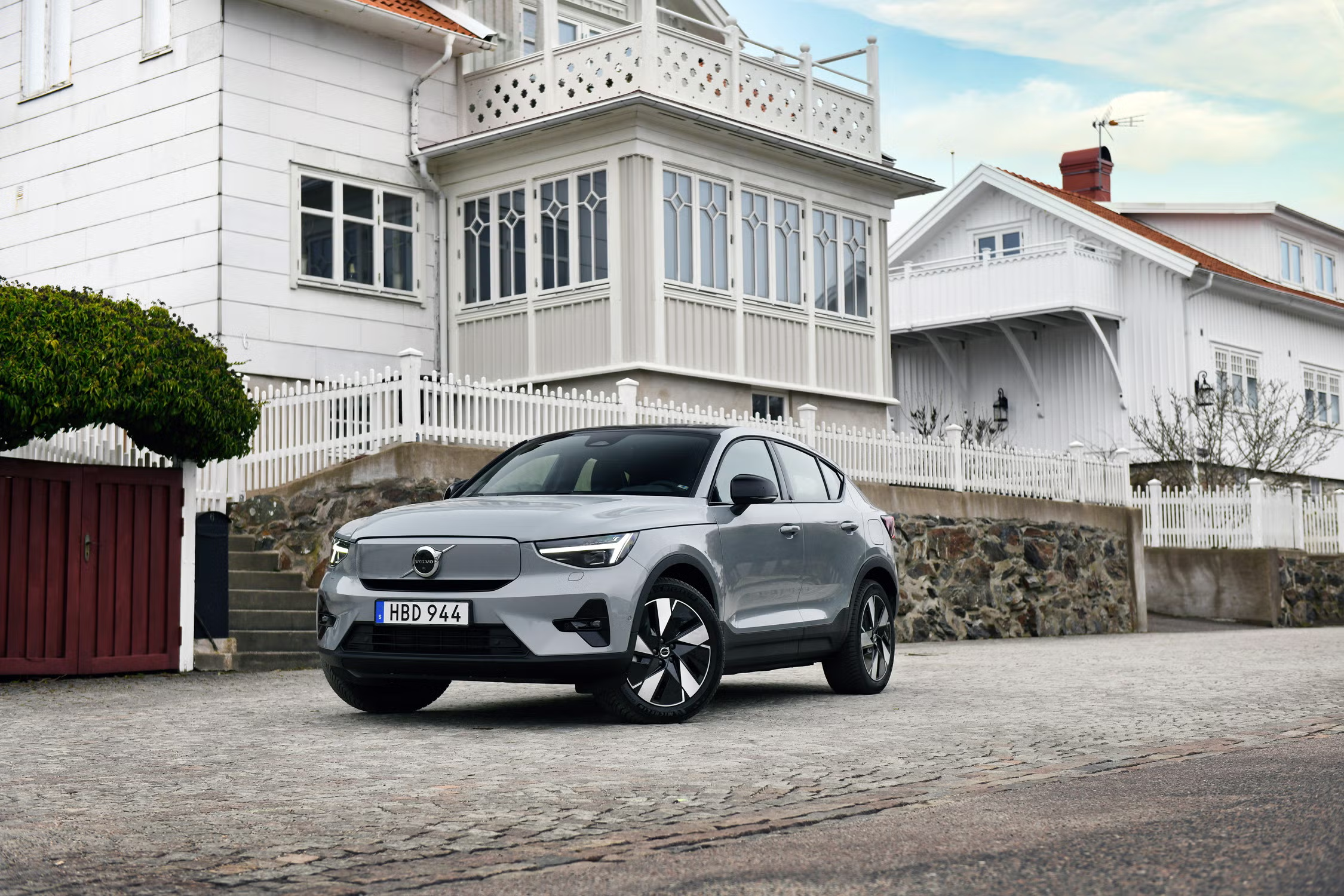
Launched in Australia in 2022 as a coupe-style sibling to the XC40, the electric C40 faced increased competition following the arrival of the smaller, lower-priced EX30. After selling 1103 units in its first full year, C40 deliveries almost halved in 2024 to just 560 vehicles.
A substantial update in 2023, which switched single-motor variants to rear-wheel drive, did not lead to a sustained increase in sales. Although Volvo had previously confirmed a MY25 update, including a name change to EC40, the plan has been abandoned.
The C40 was discontinued in March 2025, though the mechanically similar XC40 Recharge lives on in Australia as the EX40.
Mitsubishi Pajero Sport
The Mitsubishi Pajero Sport also fell foul of ADR 98/00, but its absence is expected to be temporary.
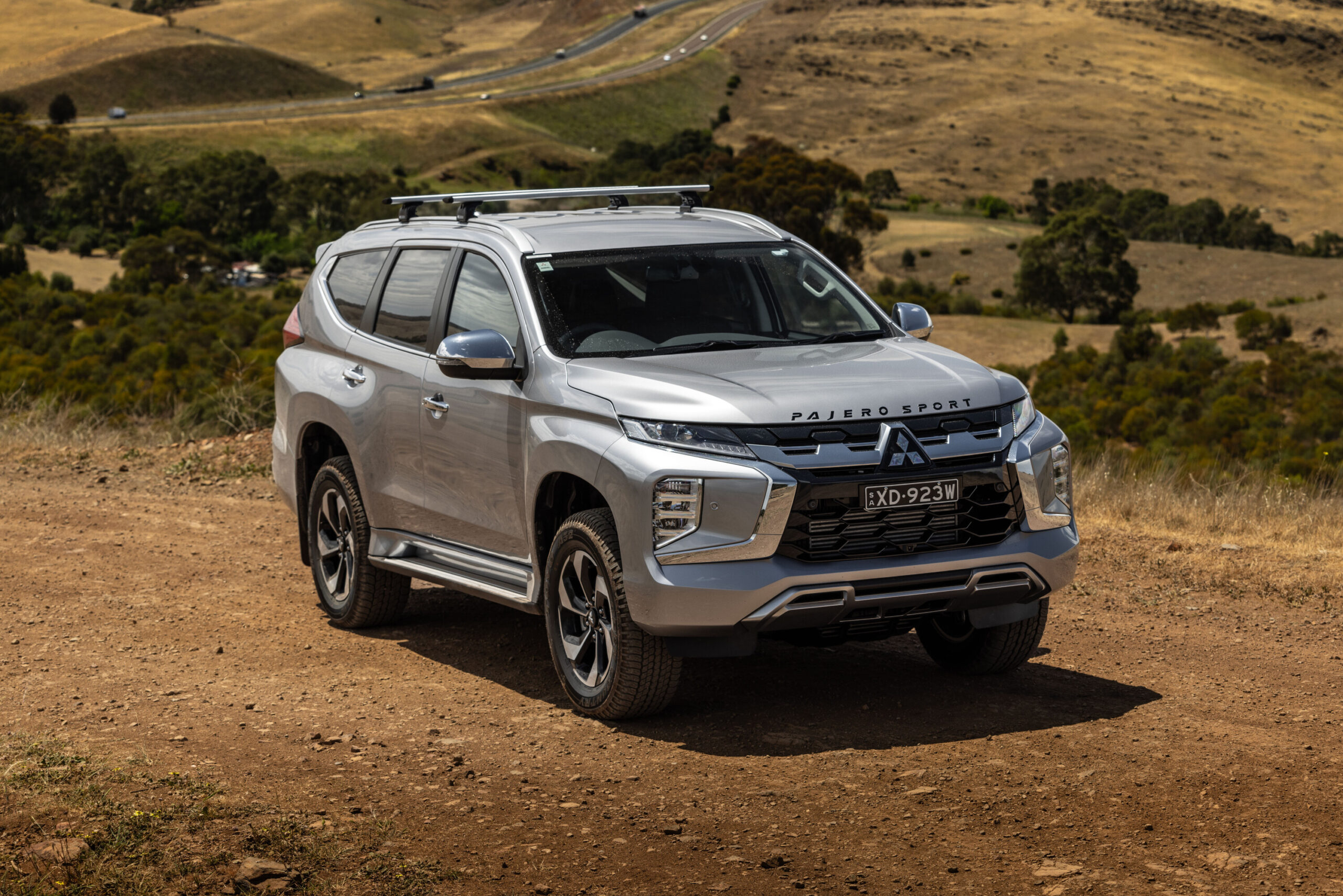
Discontinued early in 2025, Mitsubishi stockpiled and complied with regulations ahead of the regulation change, enabling it to continue delivering strong numbers, including 517 units in November alone.
Launched in 2015 as a replacement for the Challenger, the Pajero Sport maintained consistent sales within its segment as a more affordable alternative to the Ford Everest, with steady sales throughout its life. A facelift in 2020 helped modernise its styling, replacing the previous tail-light design introduced earlier in its lifecycle.
A new-generation model based on the latest Triton is already testing overseas and is expected to be revealed next year, with reports suggesting the Pajero nameplate itself could make a comeback.
What these exits say about the market
The wave of SUVs and utes discontinued in 2025 reflects the pace of change in Australia’s car market. Tougher safety regulations, shrinking demand for older platforms and the rapid shift toward electrification have all played a role, leading to the discontinuation of several long-established models. While many of these vehicles will return in new or electrified forms, their departures mark the conclusion of several long-running nameplates in Australia.

Comments
New Comment