




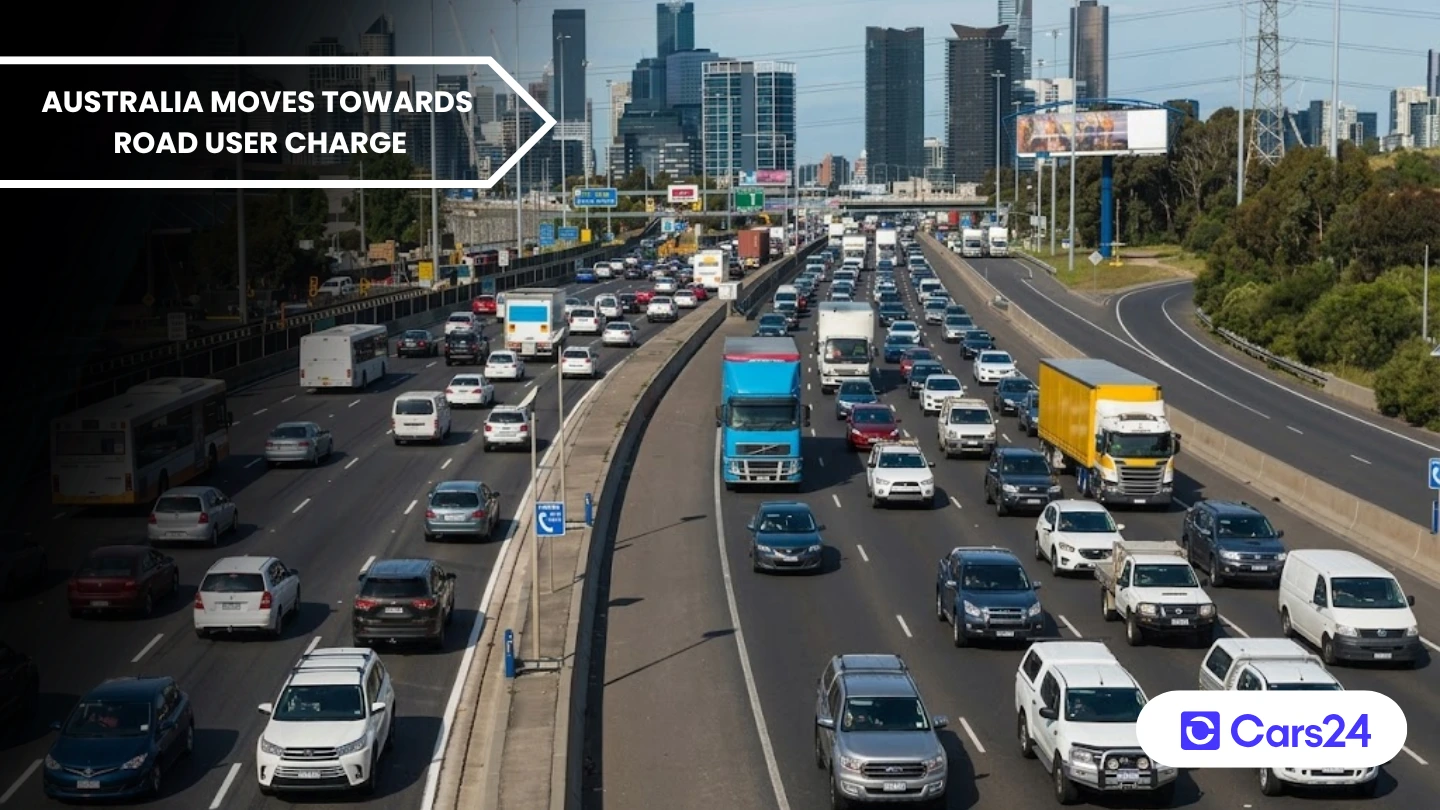
The Federal Government is working towards introducing a road user charge in Australia, although the details of how it would work and when it could begin remain undecided. Climate Change and Energy Minister Chris Bowen has confirmed the government believes Australia should work towards a road user charge as more motorists switch to electric and increasingly fuel-efficient vehicles.
However, Bowen has stressed that the policy needs more work and should not be rushed. Speaking at the National Press Club in Canberra last week, Bowen said the government and Treasurer are aligned on the need to continue developing the proposal.
“I think a road user charge is something that Australia should be working towards. It’s got to be done right. It’s got to be done carefully, and that includes timing,” Bowen said. “It’s a very big undertaking. It should not be rushed unnecessarily.”
The proposal was not included in this year’s Federal Budget, with Bowen saying the government needs more time to determine how such a system could be implemented.
Why is Australia considering a road user charge?
Australia currently relies heavily on fuel excise as a source of revenue from motorists. Fuel excise is charged on petrol and diesel, meaning vehicles using liquid fuels contribute to government revenue as they are driven.
However, that system becomes less effective as Australians move towards vehicles that use less fuel or no fuel at all. Battery electric vehicles do not use petrol or diesel and therefore do not contribute fuel excise in the same way as conventional cars.
The increasing popularity of hybrids and plug-in hybrids is also reducing the amount of fuel required to travel the same distances. This has prompted a longer-term discussion about how governments can continue funding road maintenance and infrastructure in Australia as the vehicle fleet becomes more efficient and electrified.
A road user charge is one potential way of linking road funding more directly to vehicle use rather than fuel consumption.
EV industry does not oppose road user charge
Bowen said discussions with the electric vehicle industry have focused on how a road user charge should work rather than whether Australia needs one. “I haven’t found anyone who really disagrees with [the need for a road user charge],” Bowen said.
“No one in the EV industry says ‘we oppose a road user charge’ ever. They say do it right.” However, this does not mean the industry has endorsed a specific charging model.
One concern is that a future road user charge could be introduced as a tax specifically targeting electric vehicles in Australia, rather than as a broader system covering all motorists.
Polestar Australia managing director Scott Maynard previously told Drive that a road user charge would make more sense if it applied across the automotive industry rather than being an EV-specific tax.
“It would make sense to us if a road user charge was deployed unilaterally across the industry, and not a tax on electric vehicles,” Maynard said. That approach could potentially see petrol, diesel, hybrid and electric vehicle owners contribute towards road funding under the same broader system.
EV sales increase pressure on fuel excise
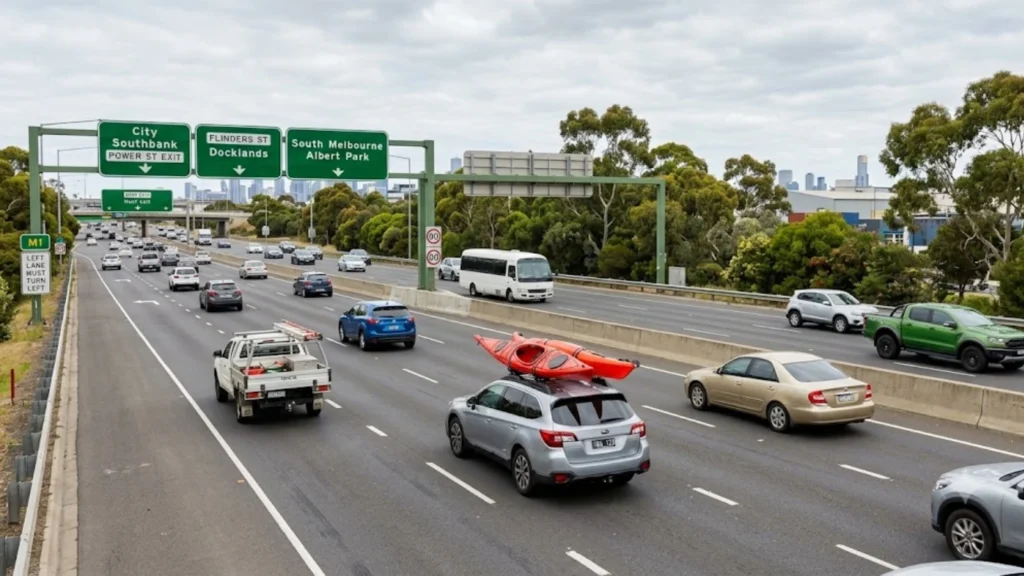
The discussion comes as Australians continue to buy more electrified vehicles. Battery electric vehicles accounted for 21.7 per cent of new vehicle sales in July 2026, according to industry sales data, with EV uptake continuing to reshape Australia’s new-car market.
The growing number of EVs on Australian roads means an increasing proportion of motorists are not contributing to road funding through petrol or diesel consumption.
For the Federal Government, that creates a longer-term revenue challenge. Bowen said governments need to consider the impact of changing vehicle technology on both federal and state revenue, while ensuring any future road user charge is properly designed.
When will the road user charge begin?
There is currently no confirmed start date for a road user charge in Australia.
The Federal Government has also not announced how much motorists would pay, which vehicles would be covered or whether the charge would be calculated according to distance travelled, vehicle weight or another measure.
The government has indicated that the policy will require further consultation and design work before it can be introduced.
Bowen also said the transition towards electric vehicles cannot simply be reversed, arguing that governments need to prepare for the resulting changes to transport and government revenue.
For Australian motorists, the immediate takeaway is that a road user charge is being actively considered but has not yet been introduced or finalised.
The eventual system could have implications for the cost of owning and driving petrol, diesel, hybrid and electric vehicles, depending on how the Federal Government ultimately designs it.
For now, the government is signalling that a road user charge is part of Australia’s longer-term transport and taxation plans, rather than announcing a new charge that motorists will immediately have to pay.

Comments
New Comment