




Key Takeaways
- Ford has trademarked Ranger Crosspower in Australia and New Zealand, hinting at another electrified variant.
- Range-extender technology is one possibility, but Ford has not confirmed the intended powertrain.
- The existing Ranger PHEV remains the only confirmed electrified Ranger available to Australian buyers.
Ford could be considering another electrified Ranger. New Australian and New Zealand trademark filings hint at an expanded hybrid ute strategy. The name Ranger Crosspower has surfaced in applications covering petrol and electric automobiles, raising the possibility of a range-extender electric vehicle (REEV) joining the Australian line-up.
Ford has not confirmed what the name will be used for, or whether it signals a future production vehicle. However, the timing is interesting, with the company investing in range-extender technology overseas and preparing to introduce a similar powertrain concept to Australia in the upcoming Bronco Basecamp.
The Ranger is already available as a plug-in hybrid (PHEV), but a range-extender version would work quite differently.
Read more: Ford Mustang Cobra to return as V8 performance model in 2027
What is the Ford Ranger Crosspower?
Ford has filed trademark applications for the names Crosspower and Ranger Crosspower in Australia and New Zealand in recent months.
The applications reportedly cover “gasoline and electric automobiles”. The description doesn’t confirm a vehicle or drivetrain. However, Crosspower suggests Ford could be exploring another electrification option.
One possibility is a range-extender hybrid Ranger, which would use a petrol engine to generate electricity rather than directly powering the wheels.
In this arrangement, electric motors drive the vehicle, while the petrol engine operates as an onboard generator to recharge the battery when required. Depending on the system, the battery could also be charged externally.
This is different from the Ranger PHEV currently sold in Australia, which combines a turbo-petrol engine with an electric motor and conventional automatic transmission.
For now, a range-extender Ranger remains speculation. Ford has not announced a production model, technical specifications or launch plans associated with the Crosspower trademark.
How would a range-extender Ranger differ from the current PHEV?

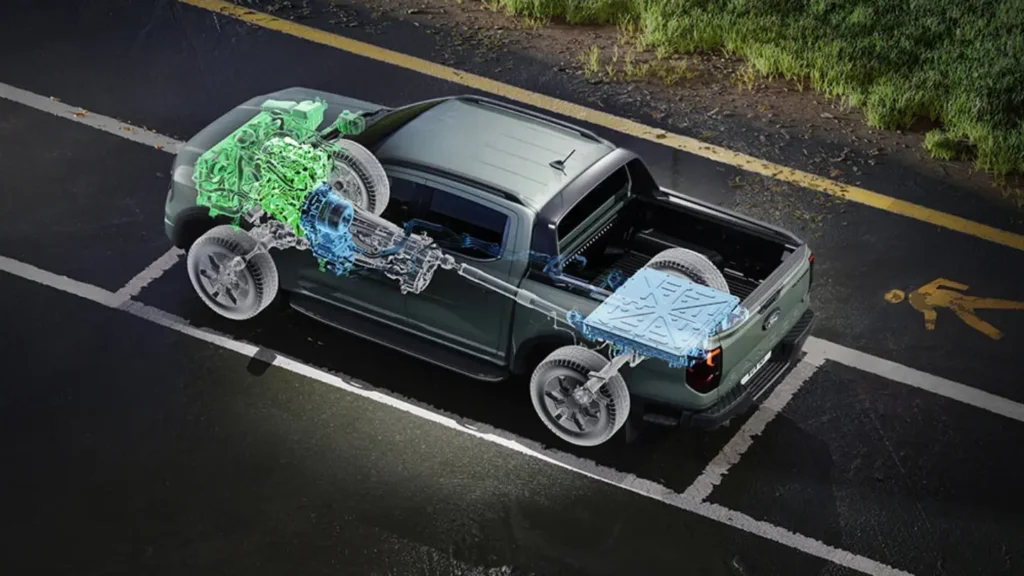
The Ranger PHEV uses a 2.3-litre turbo-petrol engine and a 10-speed automatic. An electric motor sits between them.
Its system allows the petrol engine and electric motor to work together, with the vehicle also capable of driving on electric power alone under suitable conditions.
A range-extender setup would take a different approach.
Instead of sending engine power through the transmission to drive the wheels, the petrol engine would primarily operate as a generator. Electric motors mounted on the axles would provide propulsion.
This arrangement removes the conventional mechanical connection between the petrol engine and driven wheels.
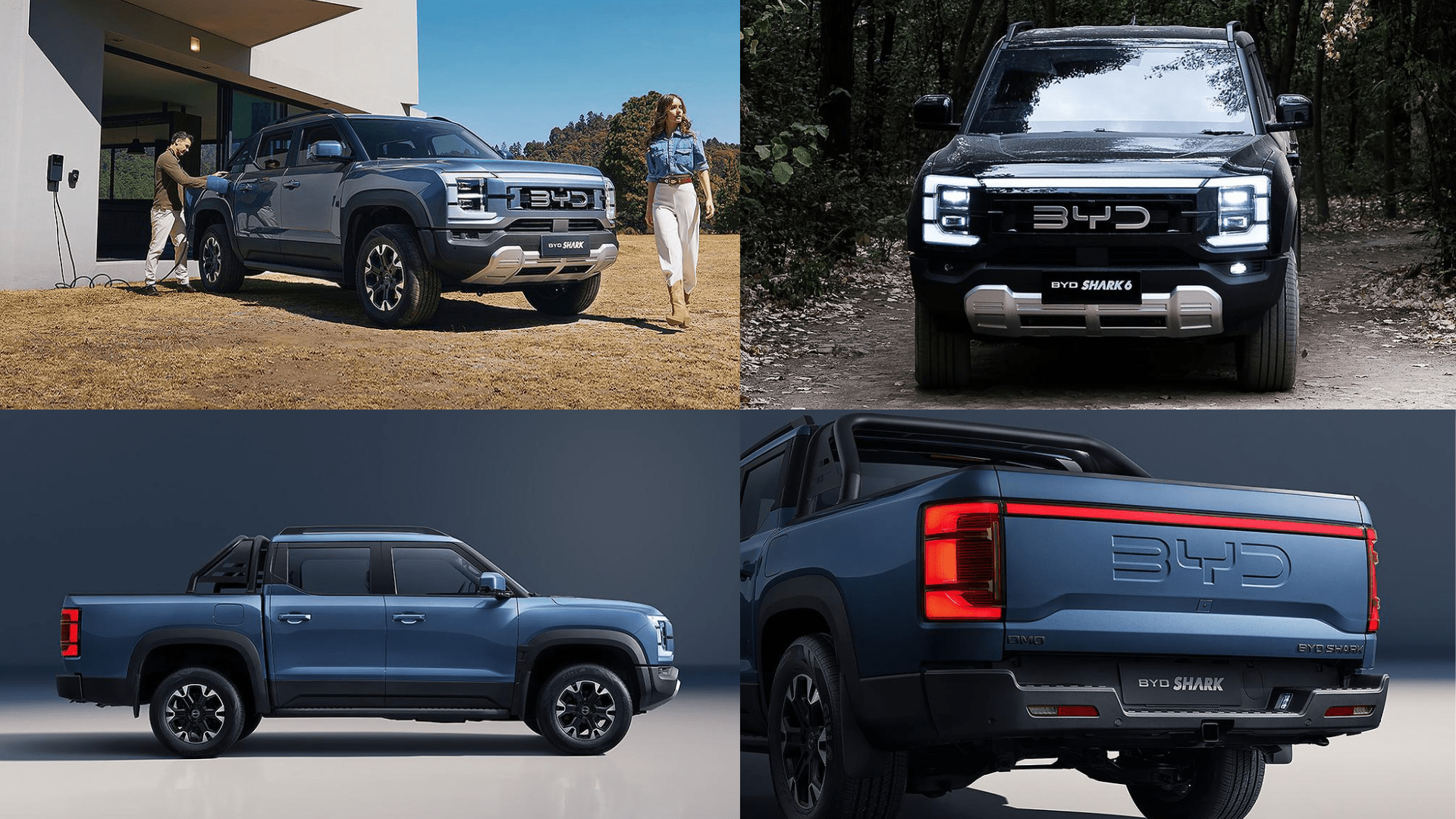
The BYD Shark 6 offers a useful comparison, although it is not a pure range-extender vehicle. Its plug-in hybrid system uses electric motors to drive the wheels. The petrol engine can also provide direct mechanical drive in certain operating conditions.
A dedicated REEV would not have that same direct-drive capability.
For a vehicle such as the Ranger, the distinction matters. A ute needs to handle more than urban commuting, including highway driving, towing and carrying heavy loads. How a range-extender system performs under those conditions would be central to its appeal.
Ford has not provided any details about how a potential Crosspower powertrain would be configured.
Ford is already developing range-extender technology

The trademark filing comes as Ford expands its interest in range-extender vehicles.
In the US, the company is working on a range-extender version of the F-150 Lightning electric pick-up. The planned system is expected to offer more than 1,100km of driving range, although Ford has yet to reveal a confirmed launch date or full powertrain specifications.
The technology is also relevant to Australia.
Ford has confirmed that its upcoming Bronco Basecamp will use range-extender technology when it arrives in Australian showrooms in the second half of 2027.
Built in China, the SUV uses technology from Ford’s joint-venture partner JMC.
Under the bonnet, a 1.5-litre turbo-petrol engine works alongside two electric motors.
Ford has so far described the system as a “super hybrid”, rather than officially labelling it a range-extender powertrain.
The company also has a relationship with another Chinese manufacturer, Changan. Its Hunter ute, sold in some overseas markets under the Deepal name, demonstrates how range-extender technology can be applied to a pick-up.
A Chinese-developed powertrain is another possibility. However, there is no evidence linking Crosspower to JMC or Changan.
Ford has previously outlined plans for nearly 90 per cent of its global model nameplates to offer some form of electrification by 2030.
The Ranger already contributes to that target through its PHEV variant. A second electrified option would give Ford another way to broaden the ute’s appeal.
Could the Ranger Crosspower come to Australia?
Australia is a logical market to consider for another electrified Ranger, given the model’s popularity and the growing number of hybrid utes competing for local buyers.
However, there is currently no confirmation that Ford intends to introduce a Crosspower-badged Ranger, let alone bring one to Australian showrooms.
The existing Ranger PHEV also means Ford already has an electrified option in the segment. A range-extender version would need to offer a meaningful advantage in areas such as electric driving capability, total driving range or efficiency to justify its place alongside the current model.
Towing and payload would be particularly important considerations.
Ute buyers often choose vehicles based on their ability to carry equipment, tow caravans or trailers and travel long distances away from major cities. A larger battery and additional electric motors could affect vehicle weight, potentially influencing payload capacity.
The system would also need to manage sustained loads without compromising performance or efficiency.
Ford has not disclosed any figures for a potential Ranger Crosspower, including battery capacity, electric driving range, fuel consumption, towing capacity or payload.
What it means for Australian buyers
For now, Australian buyers should treat the Ranger Crosspower as a possible future development rather than an upcoming model.
The trademark filing is evidence that Ford has sought to protect the name, not confirmation that a vehicle carrying the badge is heading for production.
Those considering an electrified ute today can already look at the Ranger PHEV, alongside alternatives such as the BYD Shark 6.
A range-extender Ranger could appeal to buyers wanting electric drive without relying solely on public charging.
However, its suitability for towing and long-distance touring would depend on the final engineering.
There is also the question of pricing. Ford has not indicated whether a Crosspower model would sit above the existing PHEV or target a different part of the market.
A Ford Australia spokesperson declined to confirm what the trademark applications would be used for.
“Ford Australia submits trademark applications as a normal course of business, but they aren’t necessarily an indication of new branding, badging or product plans,” the spokesperson said.
Until Ford provides more information, the Crosspower name remains an intriguing clue rather than a confirmed addition to the Ranger family.

Comments
New Comment