




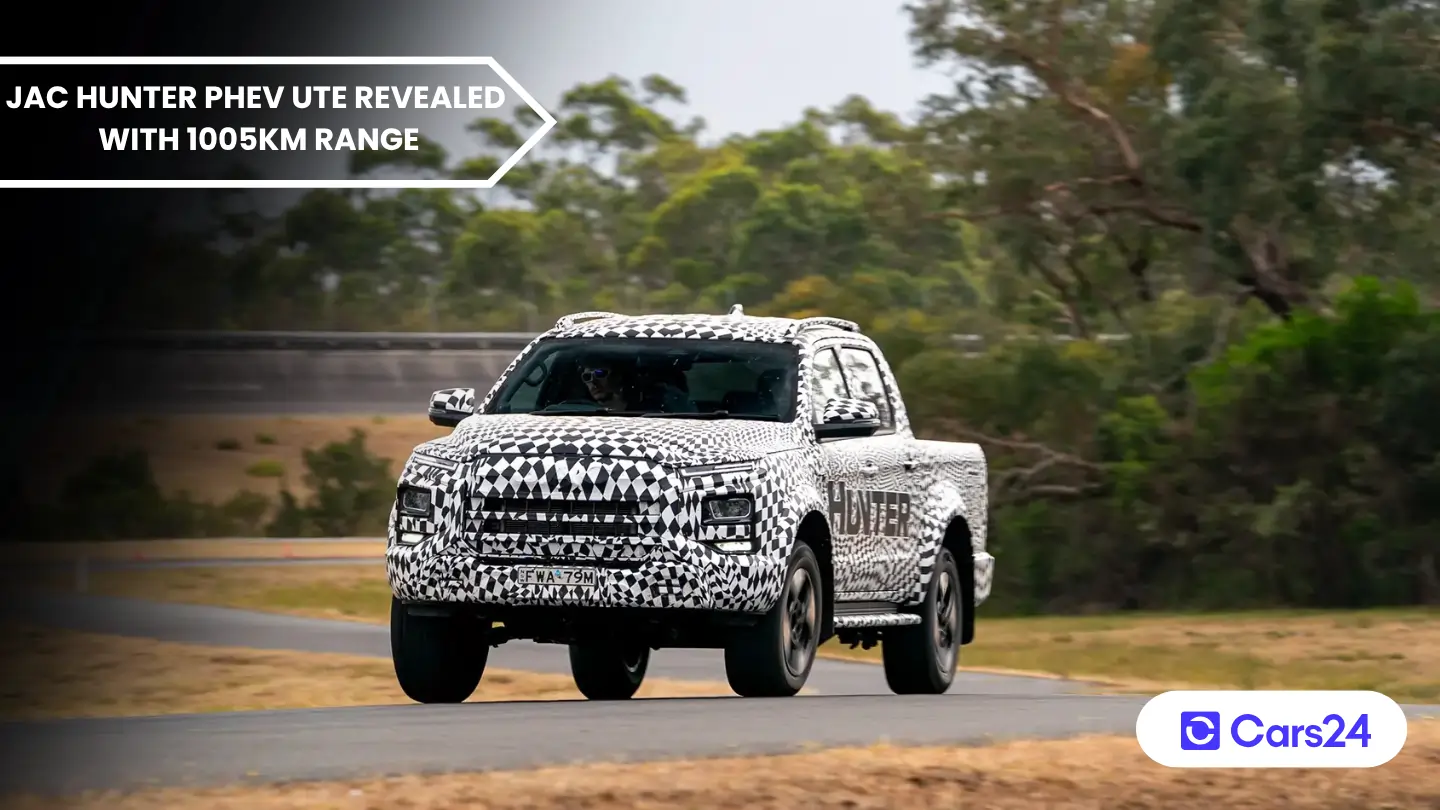
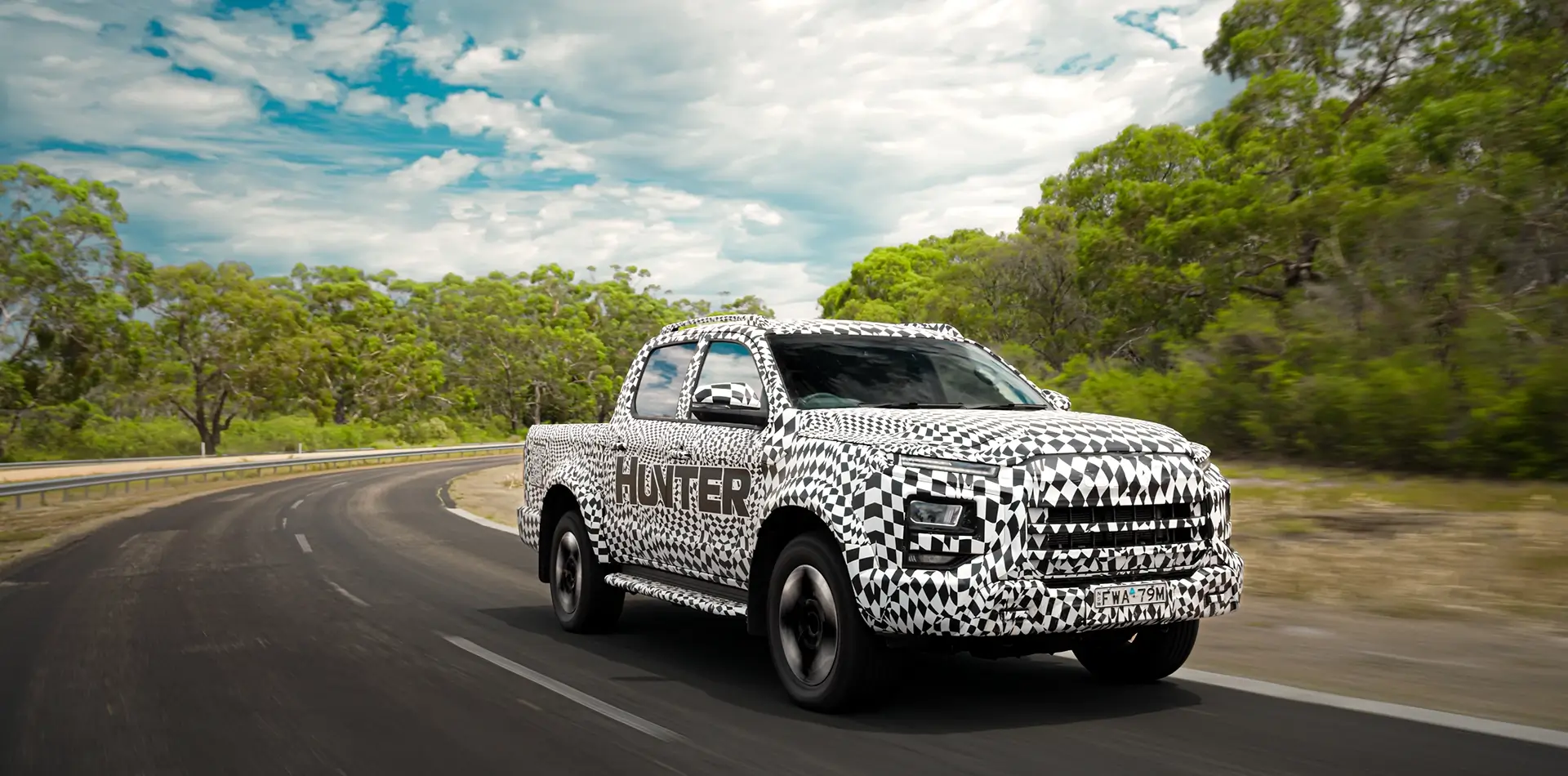
China’s JAC Motors has released further details of its upcoming plug-in hybrid dual-cab ute, the JAC Hunter PHEV, ahead of its Australian arrival mid-year. Positioned as a direct competitor to the BYD Shark 6, the new Hunter aims to undercut its rival with stronger efficiency and range figures, at least on paper.
The Hunter PHEV is set to become one of several electrified utes entering Australia’s emerging segment, joining rivals such as the GWM Cannon Alpha PHEV and the upcoming Ford Ranger PHEV.
Pricing and availability
JAC has confirmed the Hunter PHEV will arrive in Australian showrooms around mid-2026, with pricing yet to be announced. However, the brand has hinted it will be competitively positioned.
For reference, the BYD Shark 6 is currently priced from $57,900 before on-road costs, while the GWM Cannon Alpha PHEV starts from $61,490 drive-away. The Ford Ranger PHEV range begins at $71,990 plus on-road costs.
“We’re launching the right ute at the right time, and it will be at the right price,” said JAC Motors Australia managing director Ahmed Mahmoud.
Deposits for the Hunter are expected to open soon, with further specifications to be revealed closer to launch.
 +1 Photos


Powertrain and performance
The JAC Hunter PHEV combines a turbocharged 2.0L four-cylinder petrol engine with dual electric motors and a 32kWh lithium iron phosphate (LFP) battery.
Total system outputs are quoted at a substantial 385kW and 1000Nm, positioning it among the most powerful utes in its class. JAC also claims an electric-only driving range of “at least” 100km, though the test cycle has not been specified.
The battery supports vehicle-to-load (V2L) functionality, allowing owners to power external appliances, a feature increasingly common among electrified utes.
Efficiency and range advantage
On paper, the Hunter PHEV edges ahead of its key rival. JAC claims a combined fuel consumption of just 1.6L/100km and a total driving range of 1005km, based on the more lenient NEDC testing cycle.
By comparison, the BYD Shark 6 consumes 2.0L/100km when its battery is between 25 and 100 per cent charge and offers a total combined range of around 800km.
While real-world figures may differ, these claims position the Hunter as a potential benchmark for efficiency in the segment.
 +1 Photos
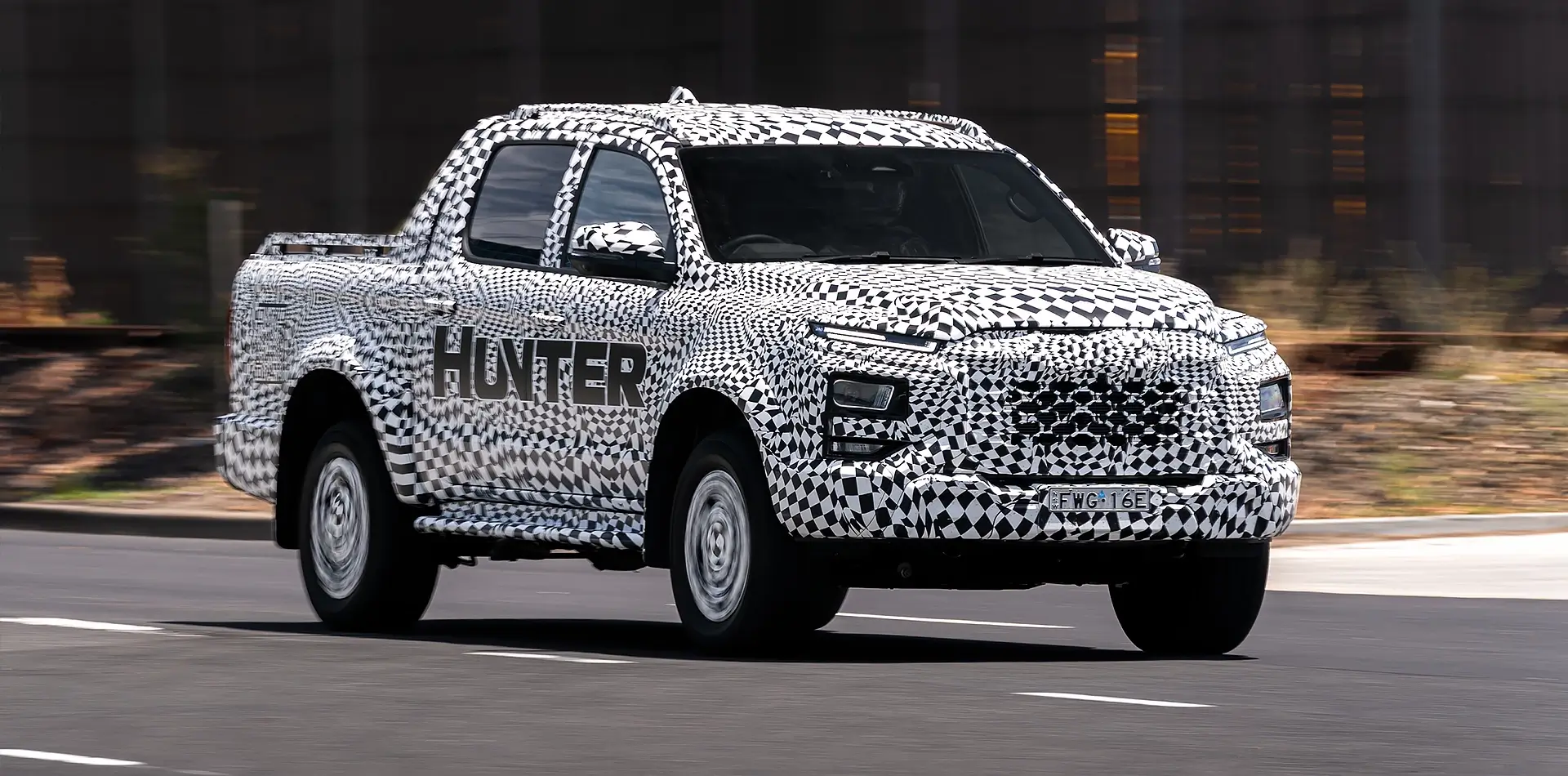
Local development and testing
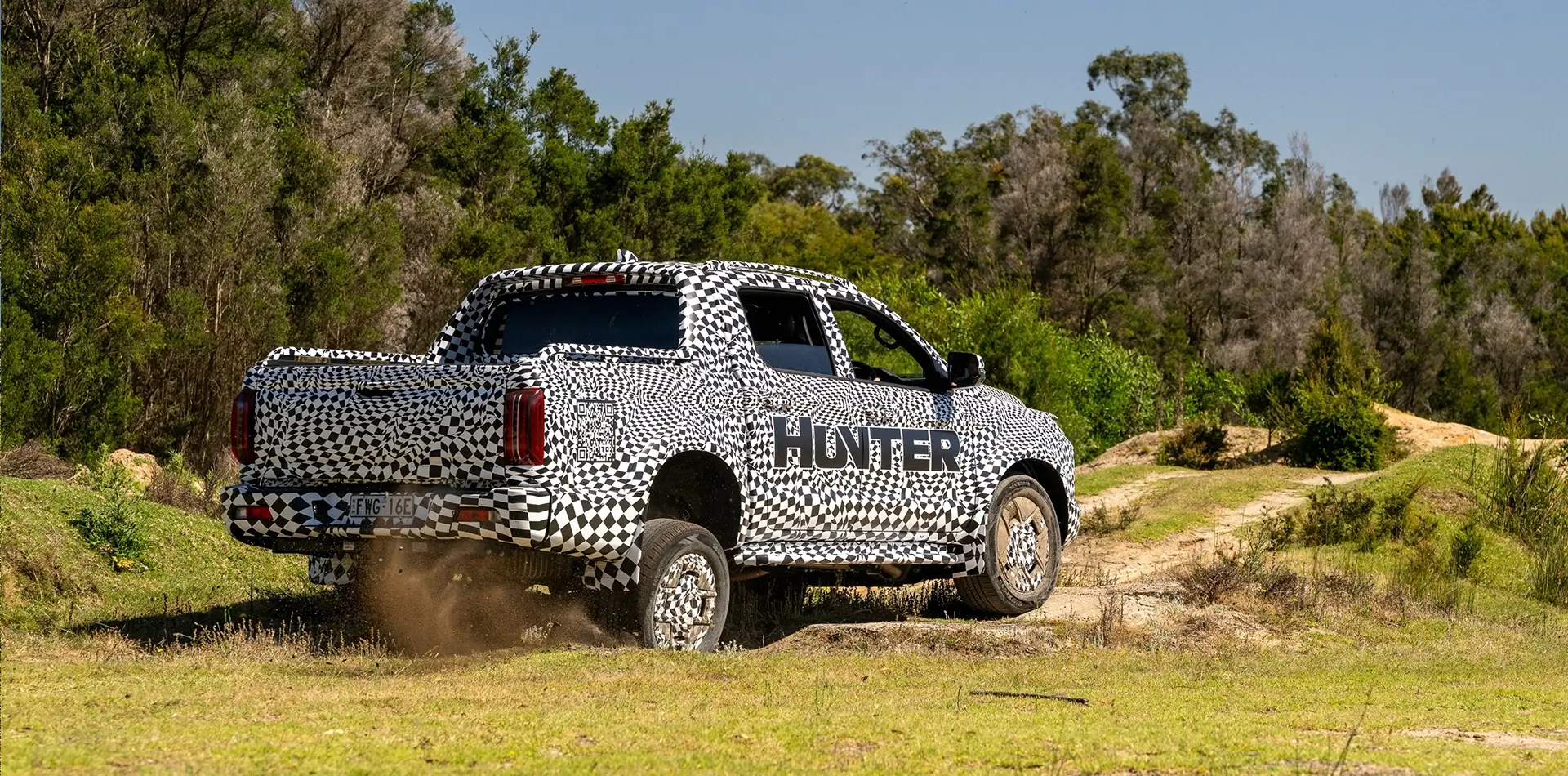
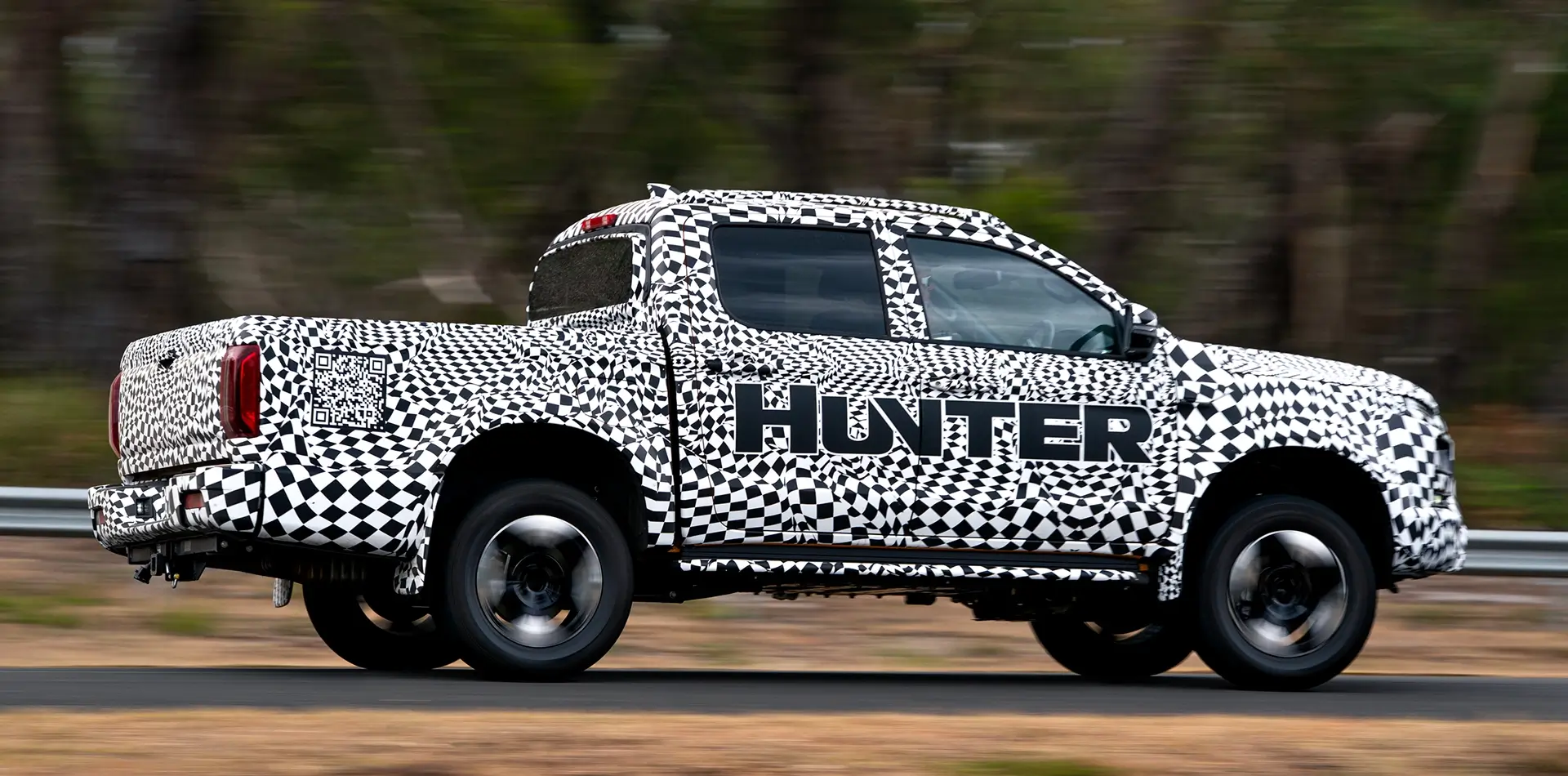
Ahead of its Australian debut, the Hunter has undergone local validation and tuning to suit domestic conditions. Testing was completed at Victoria’s Lang Lang Proving Ground, with Melbourne-based Segula Technologies Australia tasked with evaluating the PHEV powertrain.
JAC has also partnered with Multimatic, alongside former Holden chassis engineer Michael Barber, to develop a local ride-and-handling package.
It remains unclear how extensive these changes will be, given the model’s imminent launch.
Custom builds and public debut
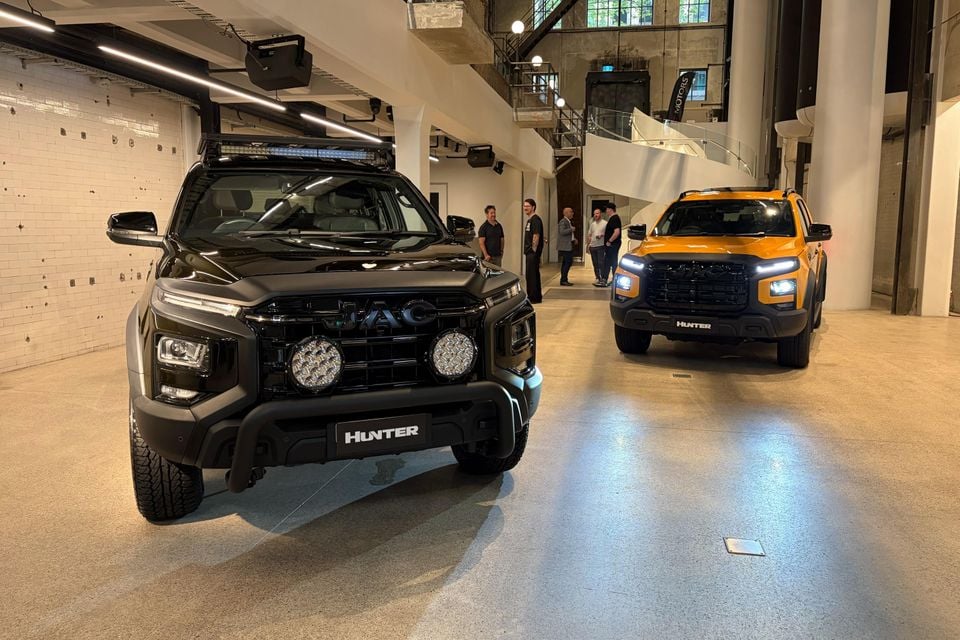
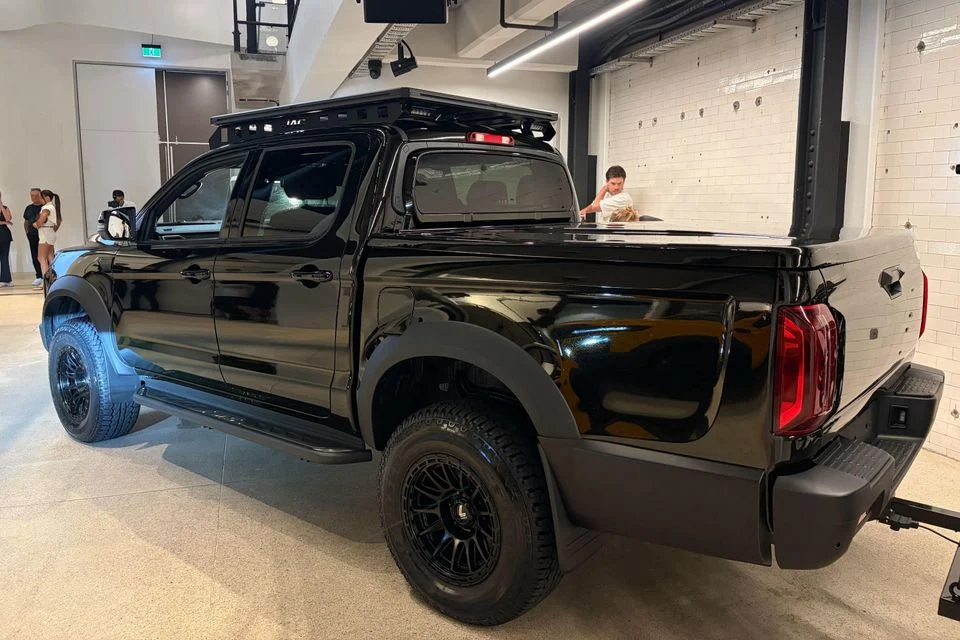
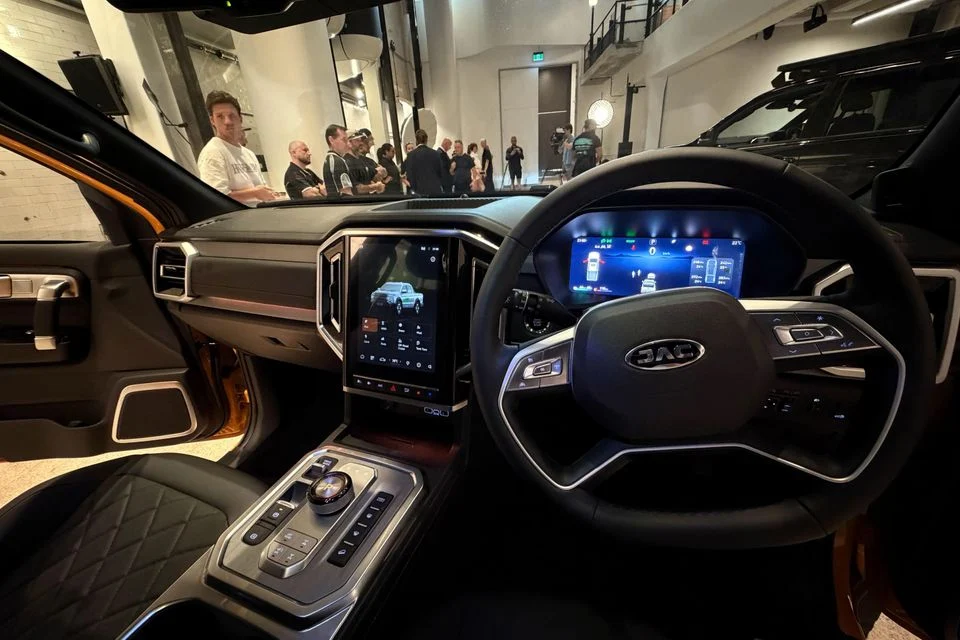
The Hunter PHEV has already been showcased in Australia, including a customised example built for Josh Addo-Carr. The Parramatta Eels winger’s vehicle features a bespoke paint finish, upgraded tyres, a lift kit, additional lighting, and a range of genuine accessories.
JAC will display the Hunter at the Melbourne Motor Show 2026 from April 10–12, giving Australian buyers their first close look at the new ute.
 +2 Photos
Expanding the PHEV ute segment
The Hunter will join JAC’s existing diesel-powered JAC T9 in local showrooms, which marked the brand’s Australian debut last year.
Australia’s plug-in hybrid ute segment is rapidly expanding, with Chery also planning to enter the market. The brand is expected to launch a new dual-cab ute in late 2026, followed by a petrol PHEV variant in 2027.
A new challenger emerges
With strong performance figures, impressive claimed efficiency, and a focus on local tuning, the JAC Hunter PHEV is shaping up as a serious new contender in Australia’s growing electrified ute market.
If its real-world performance matches its headline numbers, it could pose a genuine challenge to established and emerging rivals alike, particularly for buyers seeking a plug-in hybrid without sacrificing capability or range.

Comments
New Comment