




Key highlights
- Mazda says physical buttons could be added to the 6e and CX-6e if customer feedback supports the change.
- Both electric models rely on large touchscreens for functions such as climate control and audio settings.
- A decision on a potential facelift or retrofit has not been made, leaving the timing uncertain for Australian buyers.
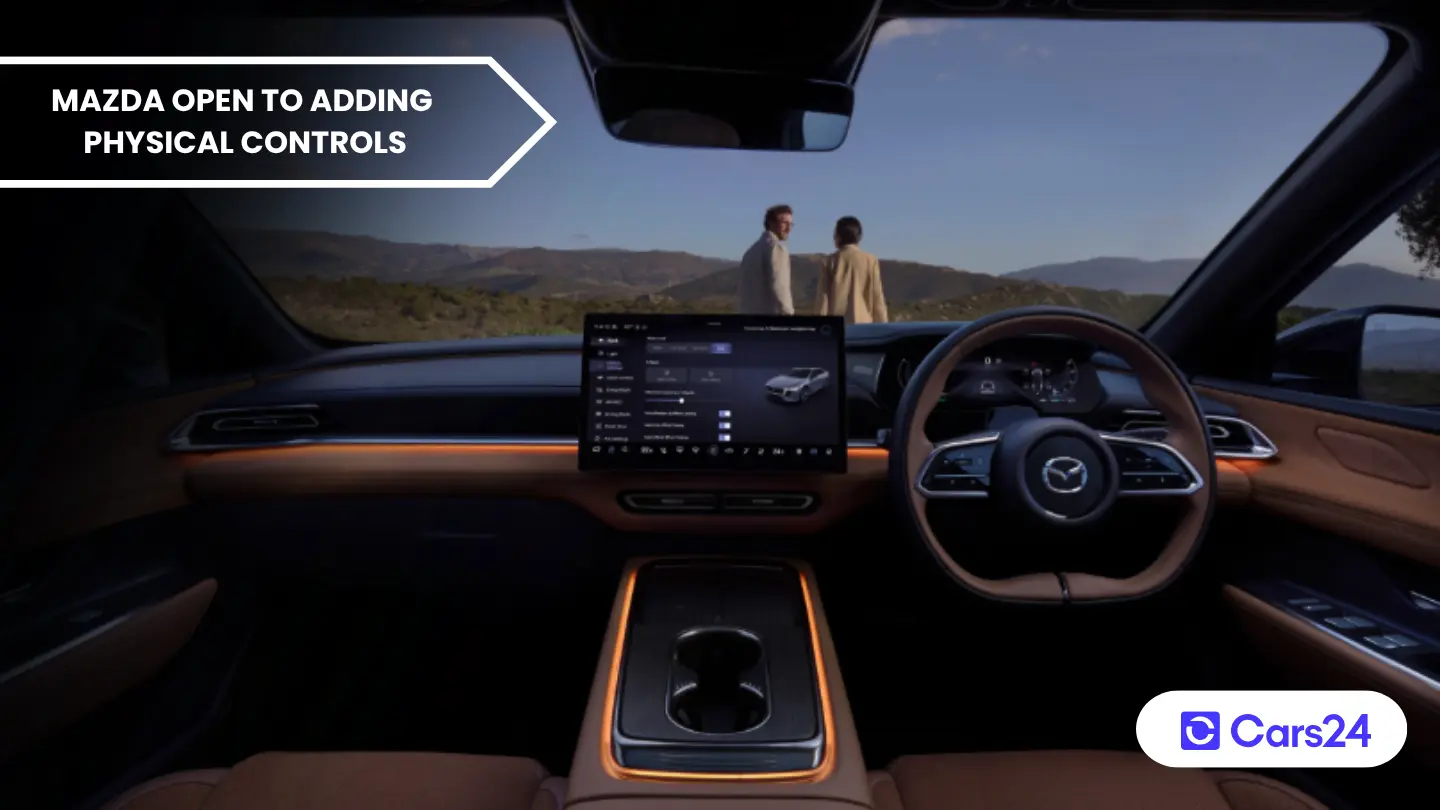
Mazda could bring physical buttons back to its Chinese-built 6e sedan and CX-6e electric SUV if customers call for them, with the company confirming it is monitoring feedback on the touchscreen-heavy interiors.
Hiroshi Ozawa, program manager for the Mazda 6e and CX-6e, told Drive that the brand understands some buyers still prefer traditional controls. He said Mazda would consider what works best for customers when developing future models.
The possibility of adding buttons to the existing electric cars has not been ruled out either, although there is no confirmed plan to make the change.
When asked whether physical controls could be retrofitted to the 6e and CX-6e, Ozawa said it was one option Mazda could consider, depending on market direction and customer feedback.
However, the timing of any mid-life facelift has not been decided. Mazda has not confirmed which controls might return or whether an interior update will be introduced.
Read more: 2027 Mazda CX-30 gets more features but loses AWD options
Large touchscreens control most functions
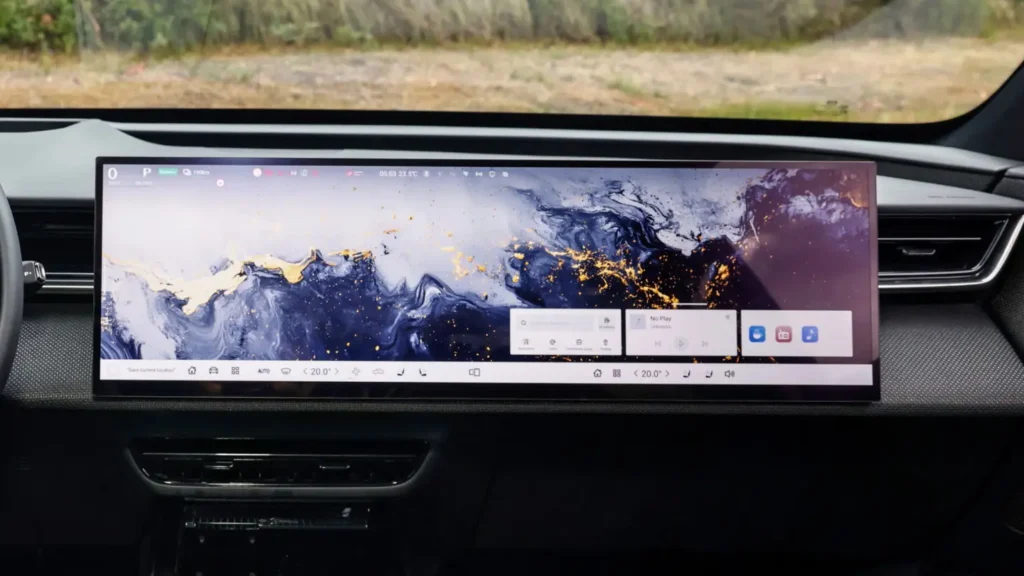
The Mazda 6e and CX-6e have a minimalist cabin design, with most functions managed through large infotainment displays rather than conventional buttons and dials.
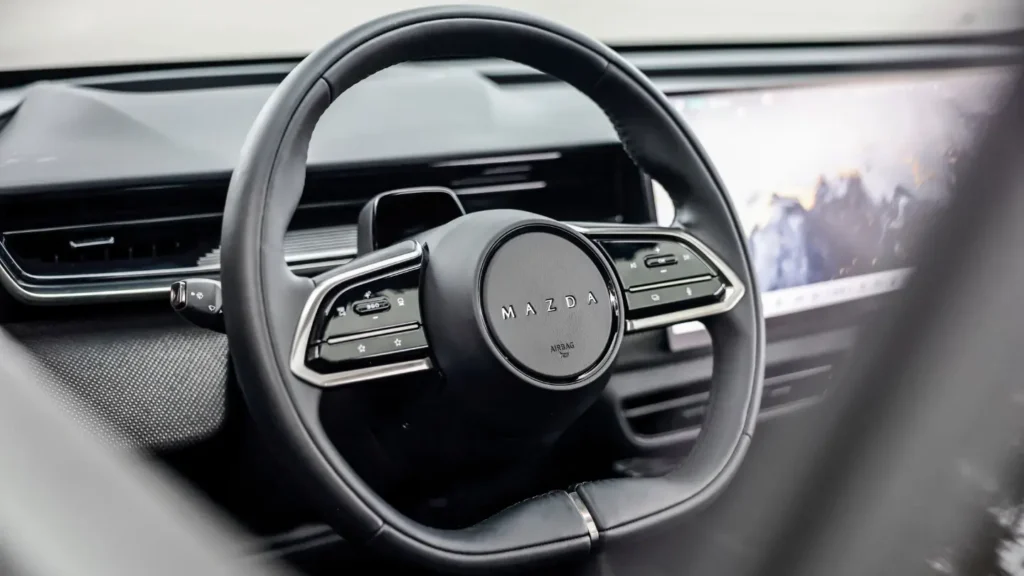
The 6e sedan has a 15.6-inch central touchscreen, while the CX-6e SUV uses a much larger 26.45-inch display. Both have physical controls on the steering wheel and window switches on the doors, but there are no traditional dials for adjusting the volume or air conditioning.
This approach means drivers may need to navigate touchscreen menus to change settings that are often controlled by dedicated switches in other cars.
For Australian motorists, the distinction matters during everyday driving. Adjusting the temperature, changing the audio volume or selecting another function can require drivers to look at the screen, depending on the task and interface design.
Physical buttons can be easier to locate by touch, while a touchscreen can consolidate multiple functions into one display. The challenge for carmakers is finding a layout that balances convenience, usability and driver attention.
Mazda’s approach differs across its models
The comments on the 6e and CX-6e contrast with an earlier explanation from the team behind the new Mazda CX-5, which also uses a touchscreen-focused interior with few physical controls.
CX-5 program manager Koichiro Yamaguchi argued that putting numerous buttons low on the dashboard could force drivers to look down and identify the correct switch.
He suggested that touchscreen controls could reduce this problem by avoiding a row of similar-looking physical buttons. However, the effectiveness of either approach depends on how the interface is designed and how easily drivers can operate it while on the move.
The difference in these comments highlights a challenge for Mazda as it develops vehicles for different markets. Interior preferences can vary, and a design that suits one group of buyers may not appeal to another.
The 6e and CX-6e were adapted from models developed for the Chinese market, where large screens and technology-focused cabins are popular. Mazda’s willingness to consider changes suggests it recognises that customer expectations may differ across regions.
What this means for Australian buyers
The Mazda 6e and CX-6e are part of the brand’s expanding electric vehicle offering in Australia. Whether their interiors gain more physical controls could become an important consideration for buyers who prefer conventional switchgear over screen-based operation.
For now, Australian customers should not assume that a revised interior is on the way. Mazda has discussed the possibility of adding buttons, but it has not confirmed a production change, a facelift schedule or a retrofit program.
The company’s next steps will depend on the feedback it receives and the direction of the market. Until Mazda announces a specific update, buyers considering either electric model will need to assess the current touchscreen layout for themselves.
The broader question is whether carmakers will continue moving more functions onto screens or bring back dedicated controls for frequently used features. Mazda’s latest comments suggest the answer may depend less on a single design philosophy and more on what customers want from their cars.

Comments
New Comment