




Key Takeaways
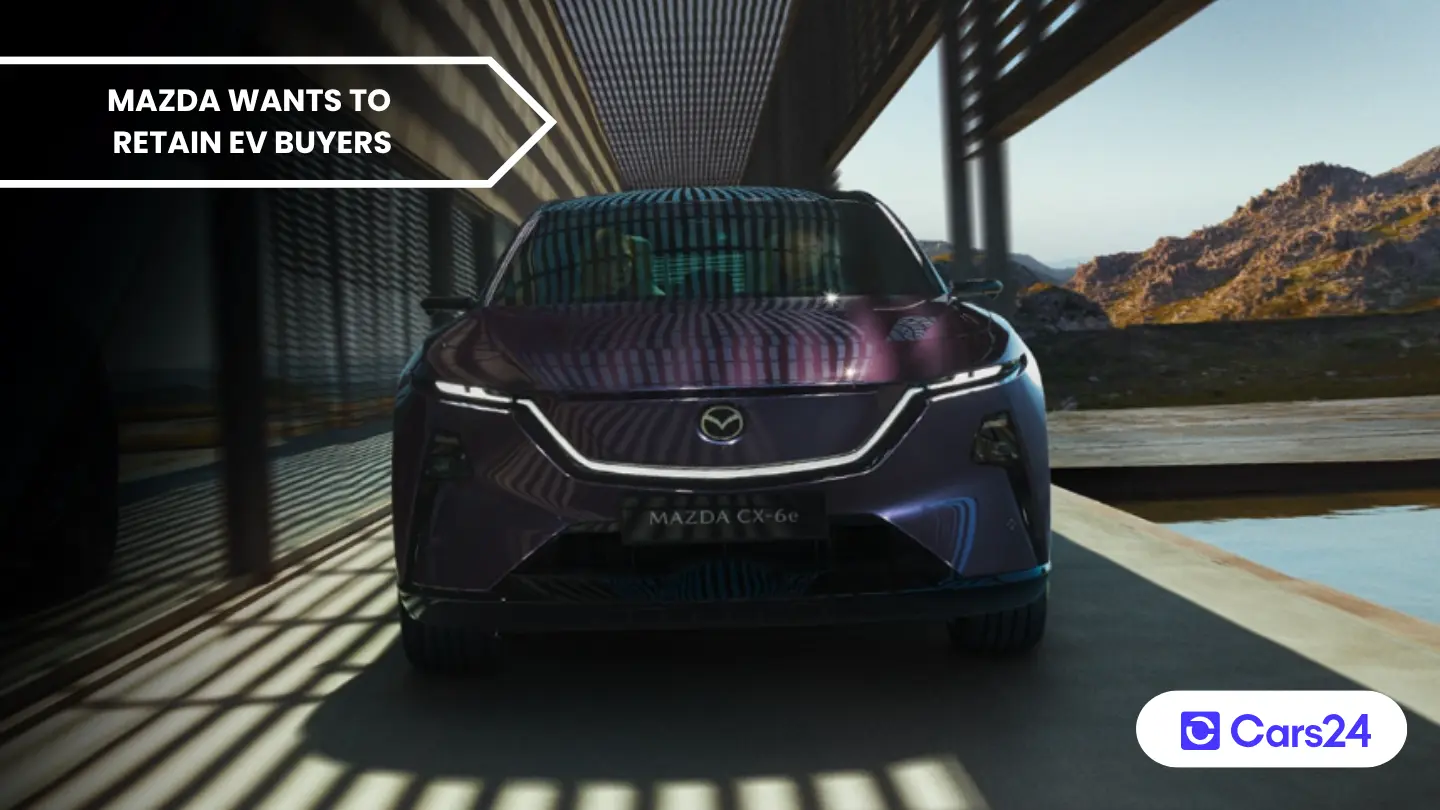
- Mazda believes its new 6e and CX-6e can help retain customers switching to electric vehicles.
- The Mazda 6e starts at $49,990, while the CX-6e is priced from $53,990.
- Mazda targets 1000 monthly CX-6e sales as it looks to challenge the Tesla Model Y.
Mazda Australia is looking to win back customers who have moved to electric vehicle brands such as Tesla and BYD, following the arrival of its new 6e sedan and CX-6e SUV.
The Japanese carmaker previously had no long-range, family-sized electric vehicles in its Australian line-up, leaving customers with limited options if they wanted to make the switch to an EV while staying with Mazda.
Tesla Australia has previously identified Mazda as the most common trade-in brand among buyers purchasing its Model 3 sedan and Model Y SUV. Many of those customers were reportedly moving from Mazda’s CX SUV range into similarly sized electric vehicles.
Mazda Australia managing director Vinesh Bhindi has welcomed the opportunity to retain those buyers, saying the company is keen to keep existing customers within the brand as they transition to electric vehicles.
Bhindi also suggested Mazda owners were among the early adopters of new automotive technology, although he clarified that Mazda does not have its own data to independently confirm Tesla’s trade-in findings.
The arrival of the 6e and CX-6e gives Mazda two new products to target buyers who might otherwise consider a Tesla or BYD.
Read more: Mazda 3 turbo hot hatch rumours dismissed in Australia
How much do the Mazda 6e and CX-6e cost?

 +1 Photos


Mazda has introduced two Chinese-made electric vehicles to its Australian range, with both models positioned below comparable Tesla offerings on price.
| Model | Australian starting price |
| Mazda 6e | $49,990 |
| Mazda CX-6e | $53,990 |
Prices exclude on-road costs.
The Mazda 6e starts at $49,990 plus on-road costs, approximately $5000 below the Tesla Model 3 Premium Rear-Wheel Drive. Meanwhile, the CX-6e starts at $53,990 plus on-road costs, undercutting the entry-level Tesla Model Y by approximately $5000.
Mazda is targeting buyers with a combination of interior space, equipment and driving range, while offering an alternative to the established electric vehicle brands.
Both models are available with single-motor configurations and five-seat layouts, with the same battery offered across their respective Australian variants.
Their pricing gives Mazda an opportunity to attract buyers who want an electric vehicle from an established Japanese manufacturer without stepping up to more expensive versions of competing models.
Mazda targets 1000 monthly CX-6e sales
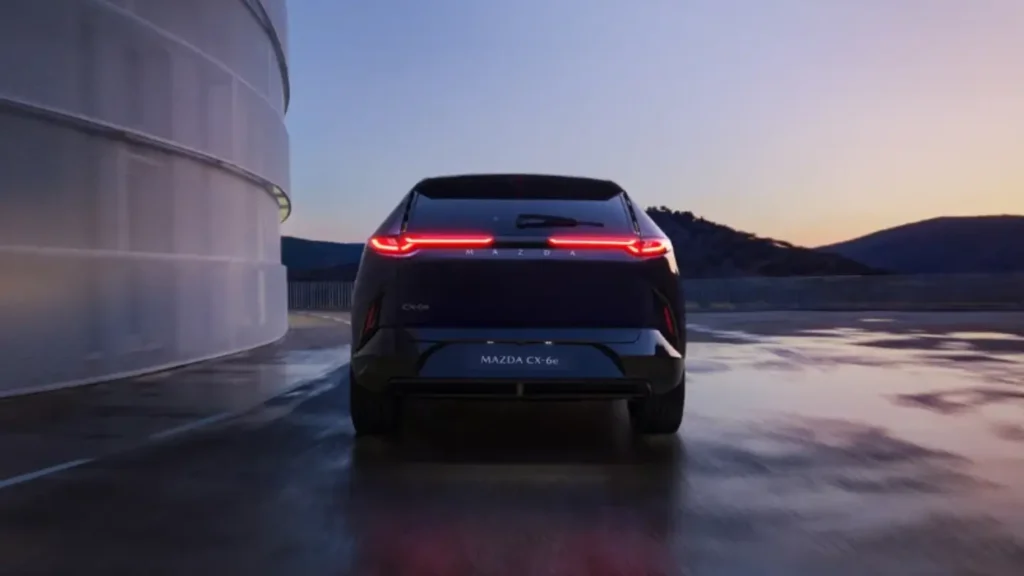
Mazda has ambitious expectations for its new electric SUV, with Bhindi indicating the company hopes to sell approximately 1000 CX-6e examples each month in Australia.
That would still leave the model some distance behind the Tesla Model Y, which currently averages approximately 4000 monthly sales. Its deliveries reportedly reached 8072 examples in June following increased demand during the fuel crisis.
However, the comparison needs some context. The CX-6e is offered in two variants, both with a single-motor configuration, five seats and the same battery.
The Tesla Model Y has a broader range, with four grades, three battery options, rear-wheel-drive and all-wheel-drive configurations, and five- or six-seat layouts depending on the version.
Mazda’s other new electric vehicle, the 6e, is currently recording approximately 300 sales per month. That is around a third of the Tesla Model 3’s current monthly volume.
Mazda expects SUVs to outsell the 6e sedan
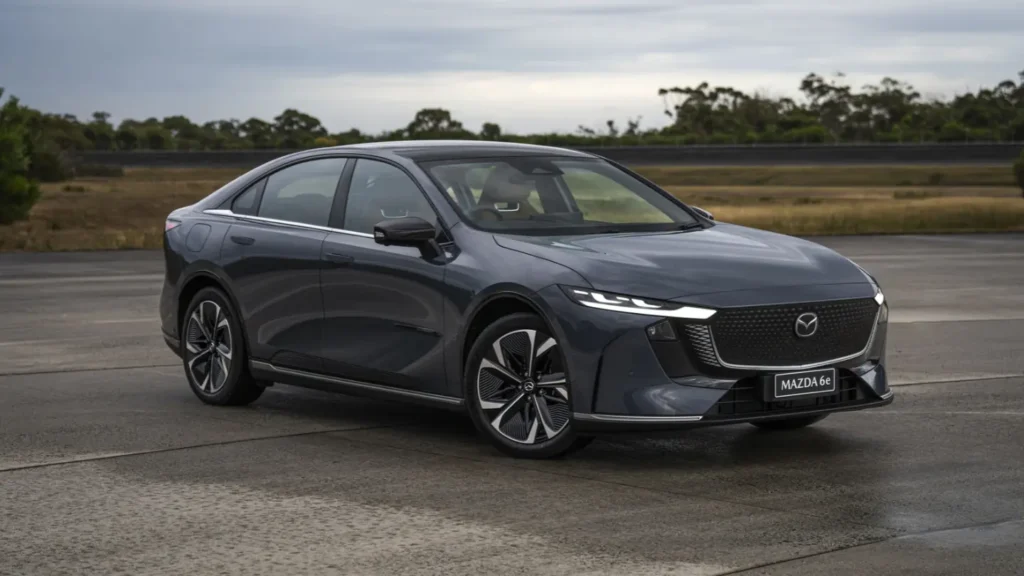
Mazda is not expecting its new electric sedan to become the bigger seller of the two models.
Bhindi said the company anticipated some demand for the 6e, but acknowledged that its sedan body style would appeal to a smaller section of Australian buyers.
He also suggested SUVs could outsell passenger cars by two or three times in Australia, reflecting the country’s preference for higher-riding vehicles.
While Bhindi acknowledged growing interest in sedans in some overseas markets, Mazda has not identified a clear shift towards them among Australian buyers.
This makes the CX-6e particularly important to Mazda’s electric vehicle ambitions locally. Its SUV body style places it in a segment with a larger potential customer base than the 6e sedan.
What it means for Australian buyers
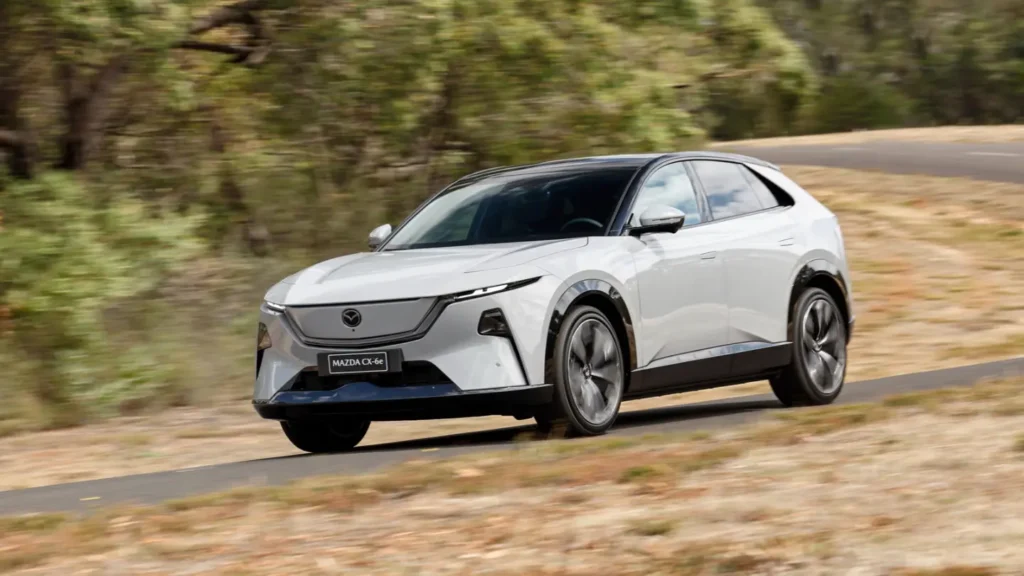
Mazda’s new electric vehicles give existing owners another option when considering their next car, particularly those who might otherwise have moved to Tesla or BYD.
The 6e and CX-6e also bring more competition to the sub-$55,000 electric vehicle market, with starting prices below comparable Tesla models.
For buyers, the choice will come down to more than the purchase price. Real-world driving range, charging speeds, efficiency, equipment, warranty coverage and after-sales support will all influence the ownership experience.
Mazda’s existing customer base could also give the brand an advantage when encouraging buyers to make the switch to an electric vehicle without moving to an entirely different manufacturer.
However, winning back former customers will depend on how well the new models perform against established rivals, particularly the Tesla Model 3 and Model Y.
Mazda has filled a significant gap in its Australian line-up with the 6e and CX-6e. Whether that translates into meaningful gains in EV market share will depend on how many buyers choose to stay with the Japanese brand rather than switch showrooms.

Comments
New Comment