




Key takeaways
- Mercedes-Benz will continue offering diesel engines while customer demand remains strong across its model range.
- Updated 2.0-litre and 3.0-litre diesels have been engineered to meet Euro 7 emissions standards.
- Diesel remains popular in Australia, accounting for 92 per cent of GLS sales in 2025.
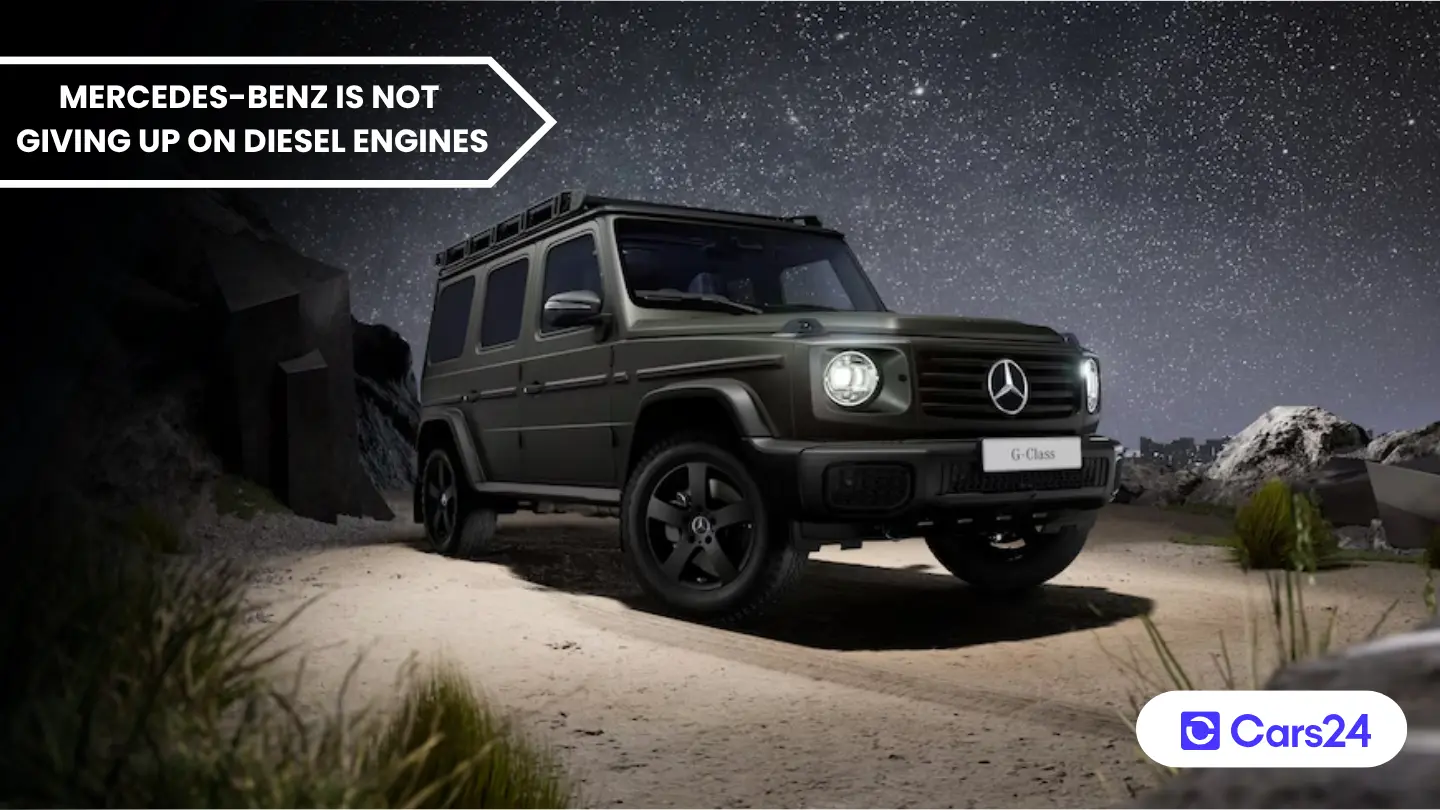
Mercedes-Benz will continue developing and offering diesel engines alongside petrol and electric powertrains, despite declining demand across much of the global passenger-car market.
The German carmaker has upgraded its 2.0-litre four-cylinder and 3.0-litre six-cylinder turbo-diesel engines to comply with Europe’s upcoming Euro 7 emissions standards. The decision reflects continued demand for diesel-powered vehicles, particularly larger luxury SUVs.
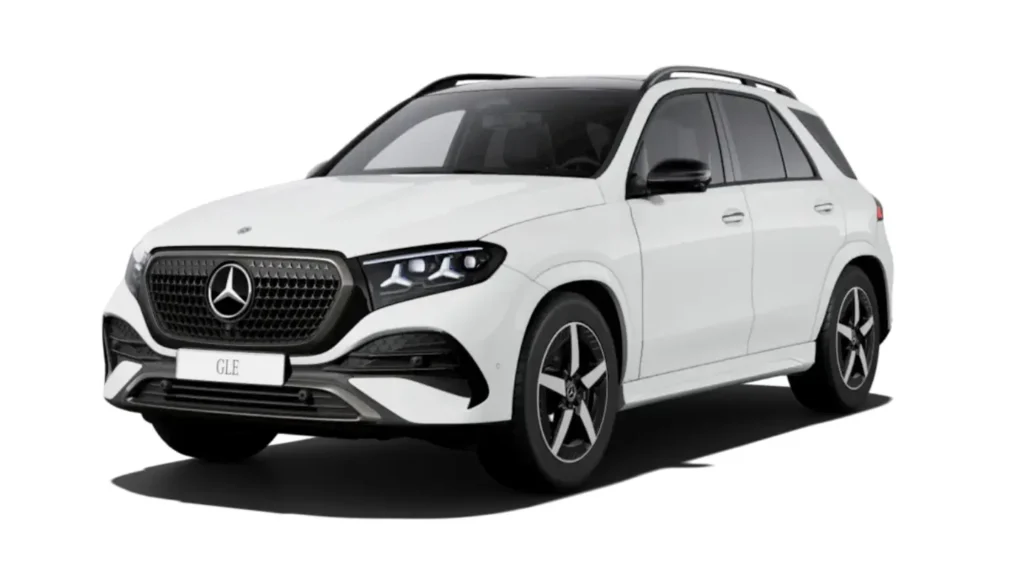
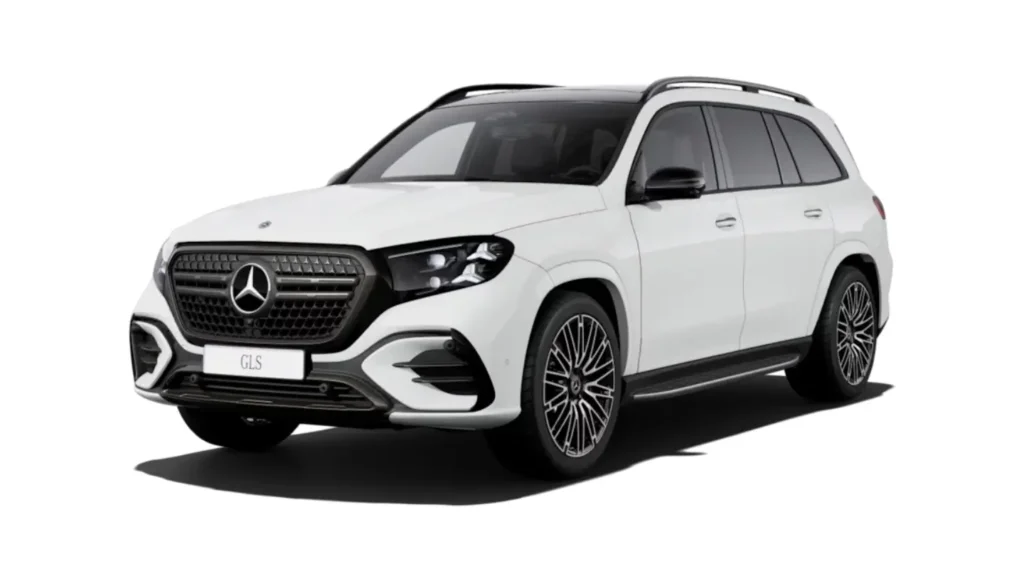
The commitment is also relevant to Australia, where diesel remains a popular choice among buyers of premium SUVs, including the Mercedes-Benz GLE, GLS and G-Class.
Mercedes-Benz says it will continue offering the technology for as long as customers want it, rather than setting a fixed end date for diesel-powered models.
Read more: Range Rover Sport diesel Battersea Edition arrives in Australia for $179,990
Mercedes-Benz says customer demand will decide diesel’s future
Mercedes-Benz chief technical officer Jorg Burzer said the company would let customer preferences determine how long diesel engines remain part of its line-up.
Speaking to Australian media, Burzer said the carmaker had invested in developing its diesel engines, but acknowledged that the right powertrain depended on the vehicle and its intended use.
He also highlighted the company’s ability to offer diesel, petrol and electric powertrains across different parts of its range.
The approach gives Mercedes-Benz flexibility as emissions regulations become stricter and buyers increasingly consider hybrid and electric alternatives.
Rather than abandoning diesel across its entire line-up, the company appears willing to retain it in models where customer demand justifies the engineering investment.
Which Mercedes-Benz models will continue offering diesel?
Mercedes-Benz’s commitment does not extend to every model in its range.
The smaller CLA, GLA and GLB will not receive diesel engines under their latest platform architecture, which was not engineered to accommodate the powertrain.
Instead, these models will offer electric power or a 1.5-litre turbo-petrol four-cylinder hybrid. Mercedes-Benz says the hybrid option can deliver fuel economy comparable to a diesel engine.
Larger models remain a different proposition, particularly SUVs where diesel has traditionally attracted buyers looking for long-distance touring capability and strong pulling power.
The updated engine range includes:
- 2.0-litre four-cylinder turbo-diesel for selected Mercedes-Benz models.
- 3.0-litre six-cylinder turbo-diesel for larger and more expensive vehicles.
Both engines have been upgraded to meet Euro 7 emissions requirements, although Mercedes-Benz has not announced a final retirement date for either engine.
Diesel remains popular in Australia’s Mercedes-Benz range
Australia’s premium SUV market provides a strong reason for Mercedes-Benz to retain diesel power.
In 2025, diesel accounted for 92 per cent of Mercedes-Benz GLS sales in Australia. The powertrain also represented 78 per cent of GLE sales, excluding the GLE Coupe, which is not offered with a diesel engine.
The G-Class recorded a smaller but still notable diesel share of 23 per cent.
These figures suggest diesel continues to have a substantial customer base in the more expensive parts of the Mercedes-Benz range, even as the broader market moves towards electrification.
However, the picture is different for smaller passenger cars and medium SUVs.
Mercedes-Benz removed diesel options from the Australian C-Class and GLC ranges with their respective newer generations, replacing them with petrol and hybrid alternatives.
This means the company’s commitment to diesel should not be interpreted as a return of the powertrain across its entire Australian line-up.
Diesel sales are declining across Europe and Australia
The wider passenger-car market is moving away from diesel, although the rate of change differs between regions and vehicle categories.
In Europe, diesel accounted for nearly 52 per cent of new vehicle sales in 2015. Its share fell to just 6.5 per cent in the first half of 2026.
Over the same period, hybrids accounted for 36.9 per cent of European new-car sales, followed by electric vehicles at 22.2 per cent and petrol vehicles at 22 per cent.
Australia has been more resistant to the decline, partly because of its strong demand for diesel-powered commercial vehicles.
Diesel accounted for 24.3 per cent of Australian new-vehicle sales in 2026 so far, compared with 27.5 per cent for petrol and 19.3 per cent for electric vehicles.
However, the figures include utes and vans, where diesel remains a dominant powertrain.
Excluding light commercial vehicles, diesel’s share of Australian passenger-vehicle sales falls to approximately 10 per cent, down from around 15 per cent a year earlier.
The distinction matters because overall diesel sales do not necessarily reflect demand among buyers shopping for passenger cars and SUVs.
What it means for Australian buyers
Mercedes-Benz’s decision means Australian buyers are unlikely to see diesel disappear from the brand’s larger luxury SUVs in the immediate future.
The GLE, GLS and G-Class demonstrate that there is still a market for diesel-powered premium vehicles, particularly among buyers who prefer conventional combustion engines over hybrid or fully electric alternatives.
However, retaining diesel in the global line-up does not guarantee every engine or variant will remain available in Australia. Local specifications and powertrain choices will continue to depend on Mercedes-Benz Australia’s product plans.
For buyers, the choice will increasingly come down to how they use their vehicles. Diesel remains an option worth considering for those who regularly cover long distances or need a powertrain suited to their towing and touring requirements.
The broader direction of the market is still towards electrification, but Mercedes-Benz is making it clear that diesel does not have an immediate expiry date.
For now, the company is leaving that decision to its customers.

Comments
New Comment