




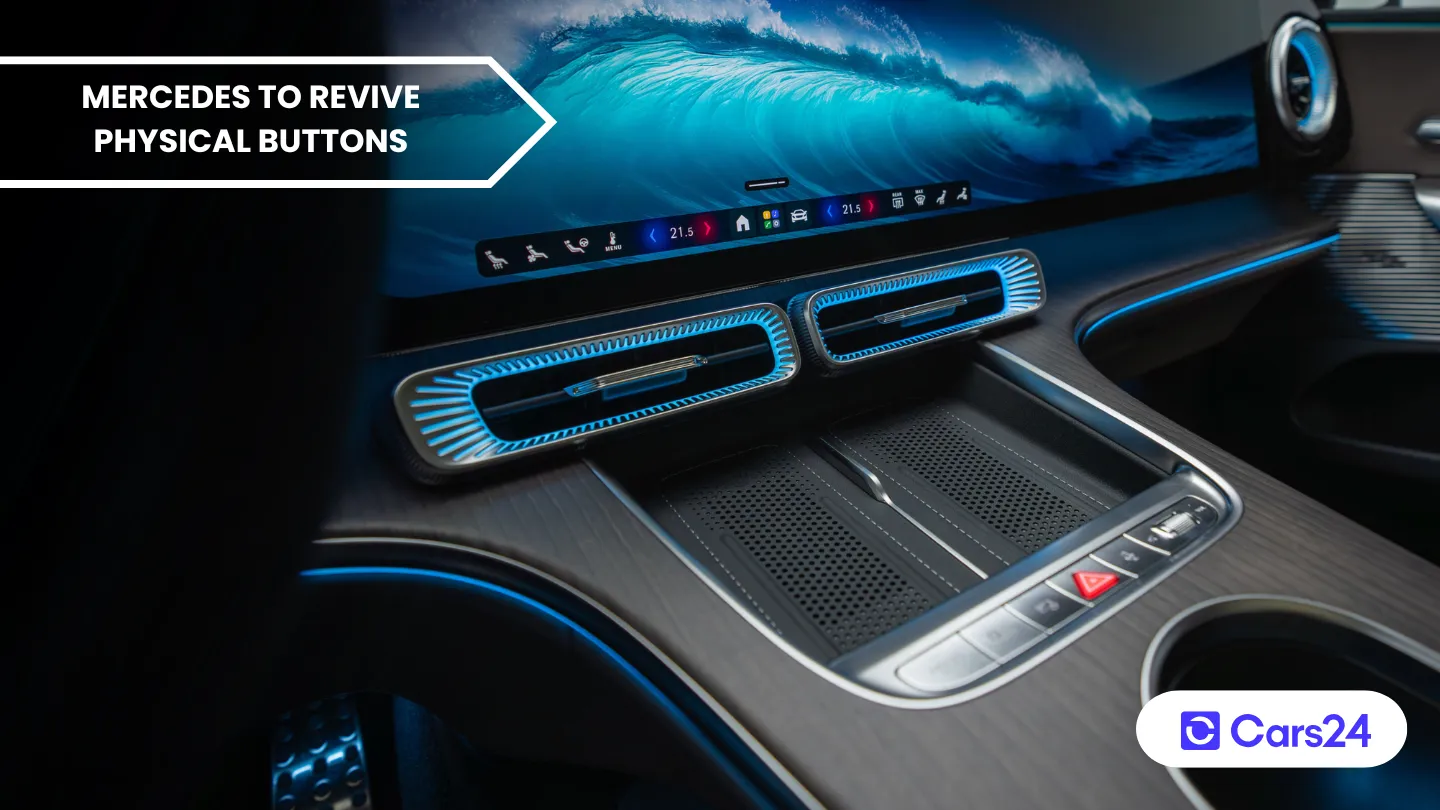
Mercedes-Benz is responding to customer feedback and going back to physical buttons in its future models after years of relying heavily on touchscreens. The brand has effectively acknowledged that overuse of touch-sensitive controls and burying key functions in on-screen menus didn’t work as intended for many drivers.
Car buyers will also see the comeback of physical buttons in other car brands due to safety concerns.
A shift in philosophy
Mercedes-Benz is now striking a better balance while it remains committed to large, high-tech screens.
What’s changing?
- Physical buttons for key functions will return
- Essential controls will no longer be hidden in deep touchscreen menus
- A mix of digital interfaces and tactile controls will define future cabins
According to sales head Mathias Geisen, customers made it clear the idea “just doesn’t work,” prompting the shift back to a more “analogue” approach.
What it looks like in new models
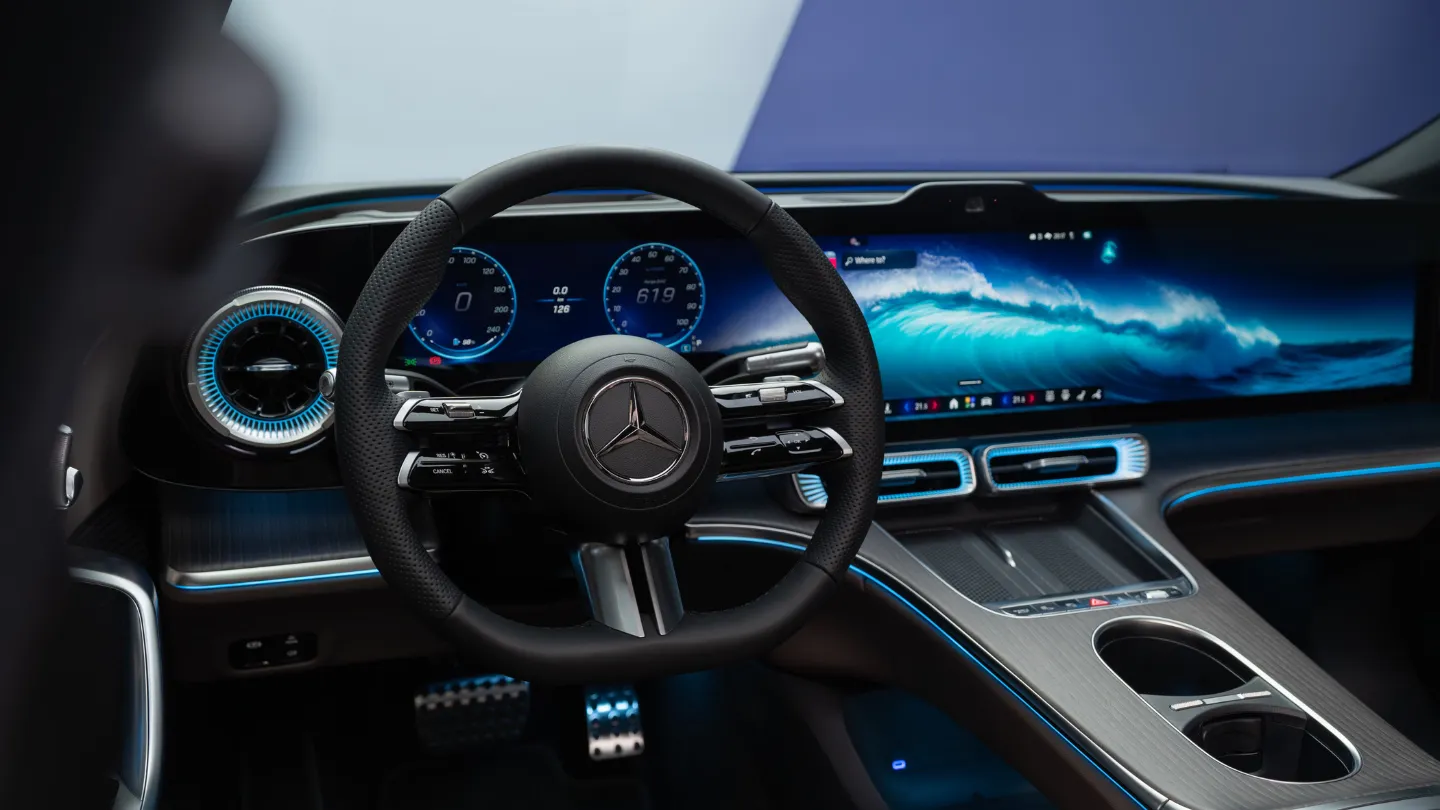
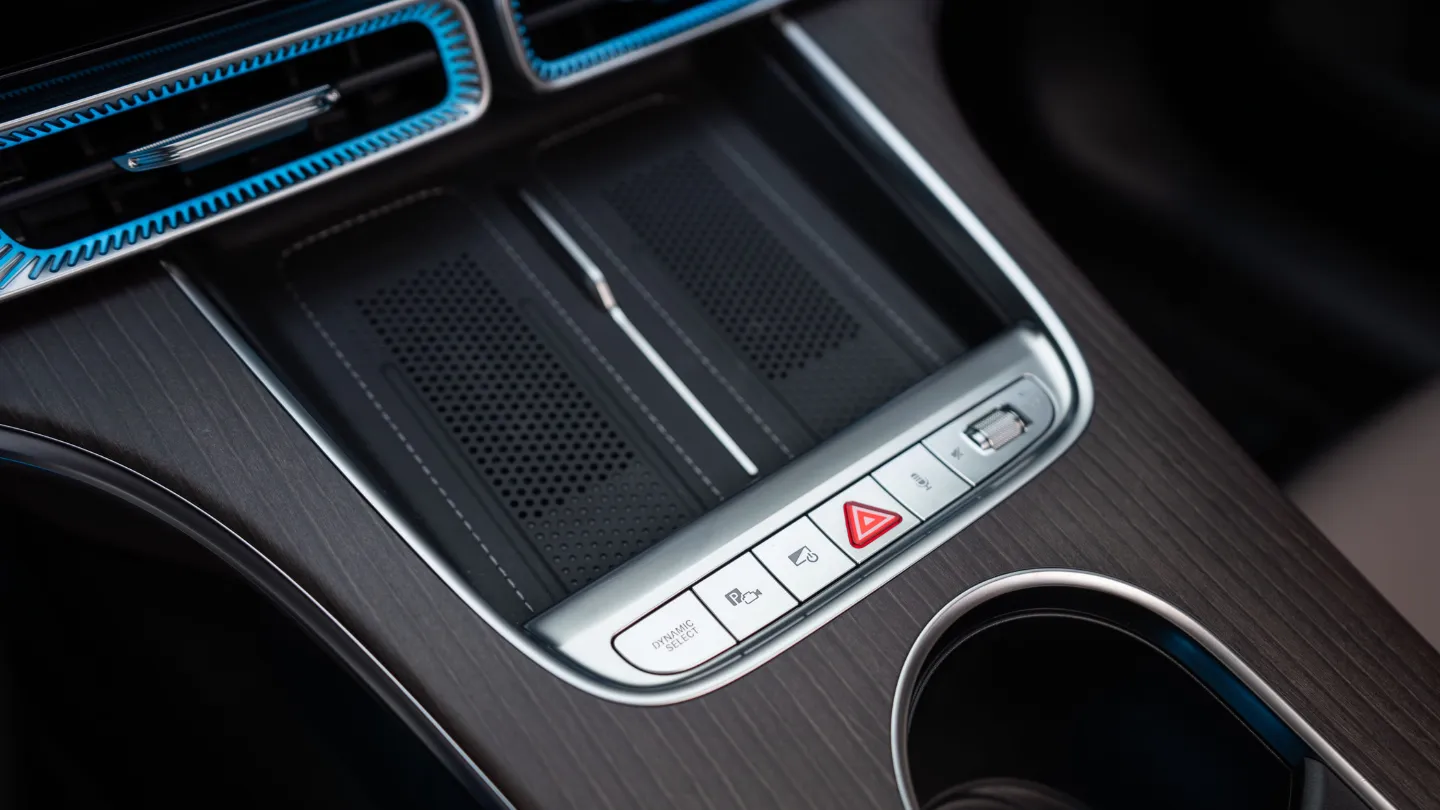
The latest layouts, previewed in models like the electric C-Class, show how Mercedes plans to execute this balance. The key interior changes include:
Steering wheel:
- Rocker switch and scroll wheel
- Still includes some capacitive touch panels
Centre console:
- Small row of physical buttons for Drive modes, Exterior cameras, and Microphone
- Dedicated volume scroll wheel
This setup will influence upcoming models, including Mercedes-Benz C-Class (next-gen and facelift), Mercedes-Benz CLA, and Mercedes-Benz GLB.
Why the change?
Two key factors are driving this shift.
1. Customer feedback
Drivers want big screens for tech and connectivity, and physical controls for essential functions.
2. Safety regulations
Organisations like Euro NCAP and ANCAP have announced that vehicles require physical controls for key functions to achieve a five-star safety rating from January 2026. The critical functions that need physical controls are:
- Turn signals
- Hazard lights
- Windshield wipers
- Horn
- Emergency SOS
Screens still dominate
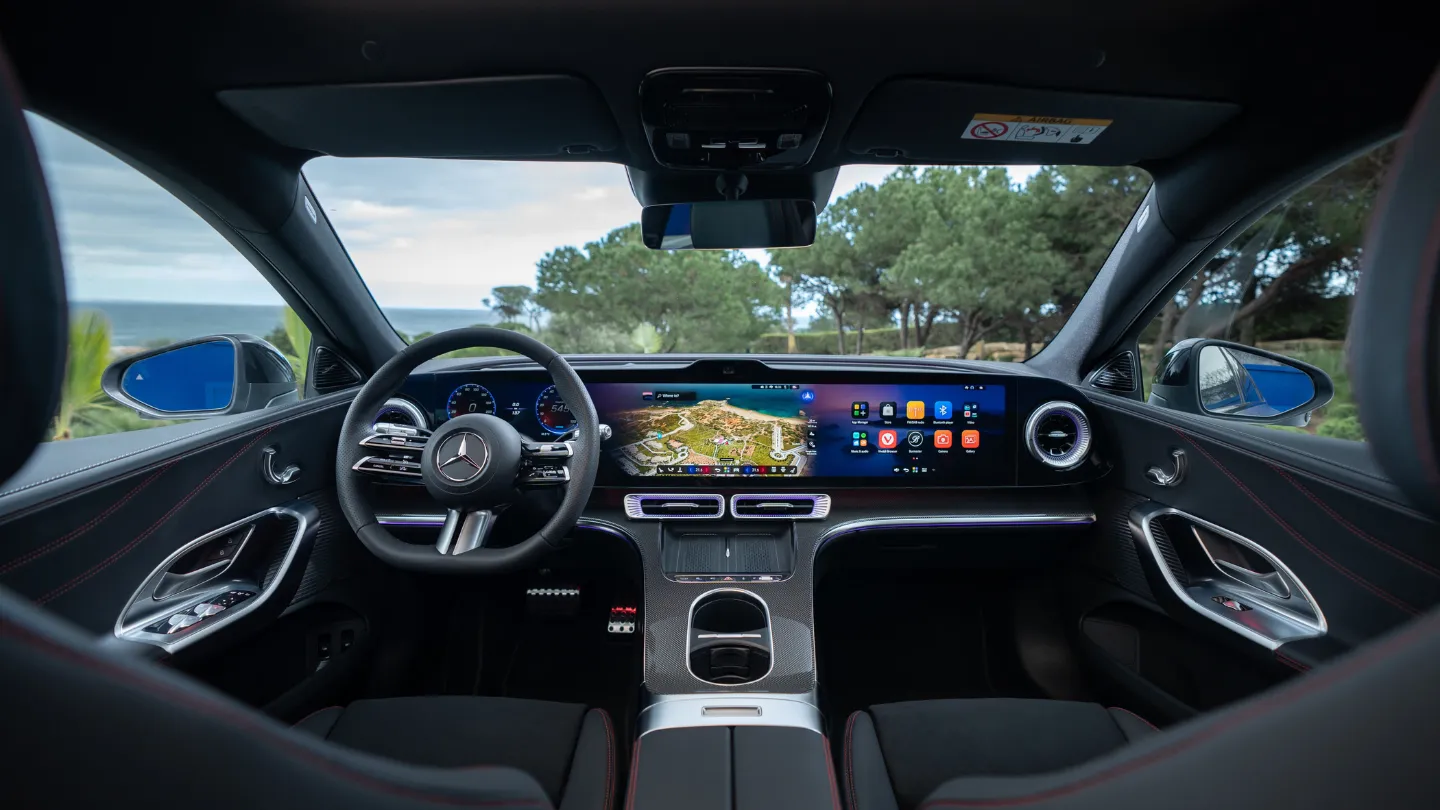
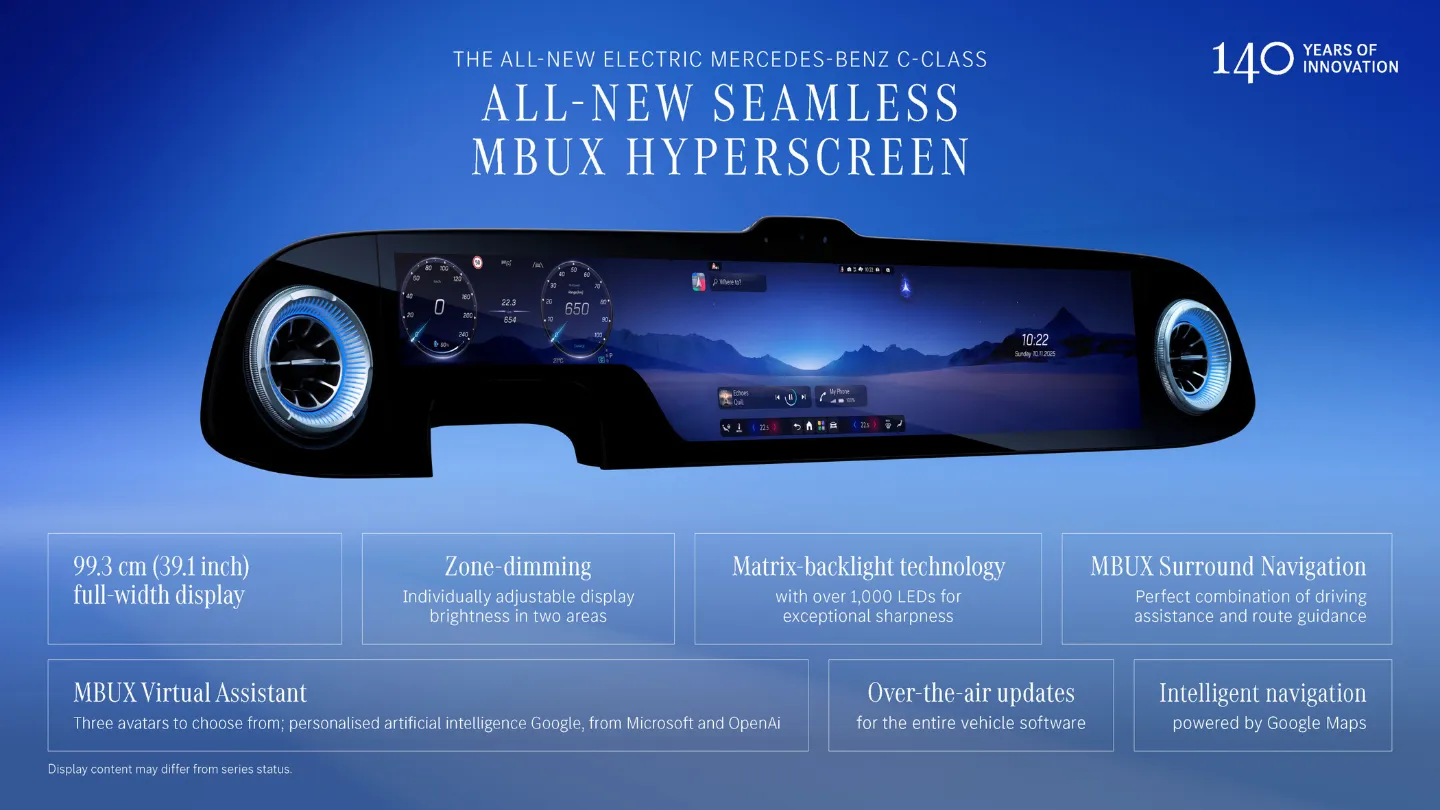
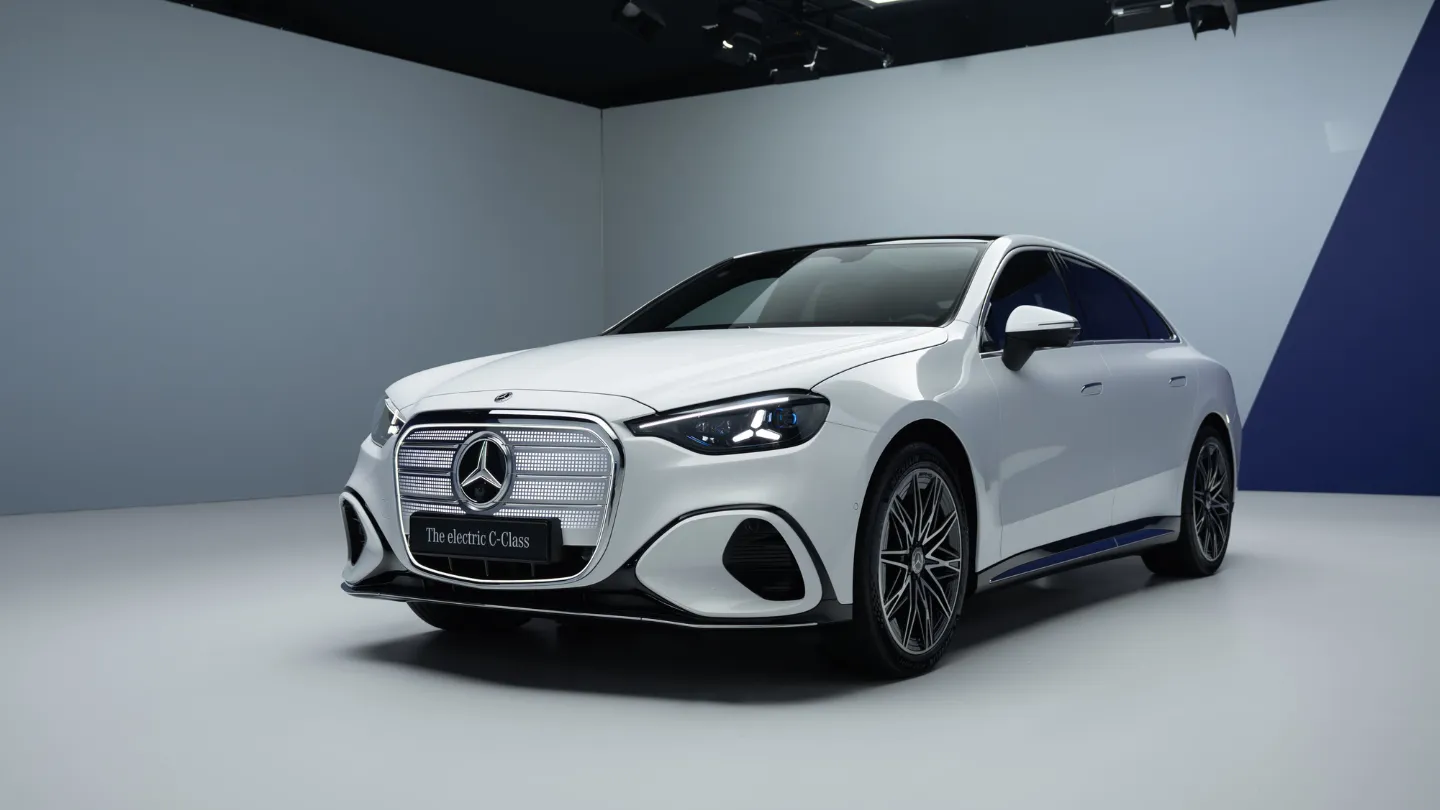
Mercedes isn’t downsizing its displays despite the return of buttons. Its upcoming models, like the Mercedes-Benz GLC and C-Class, will feature the massive 39.1-inch MBUX Hyperscreen, stretching nearly the full width of the dashboard.
However, crucially, physical buttons and switches will sit alongside it, and steering wheel controls will also return to more tactile designs.
How it compares to rivals
Mercedes’ approach differs from brands like Audi and Volkswagen. These brands are reducing screen sizes while making more room for traditional controls. Mercedes, on the other hand, is keeping big screens but improving usability with added physical inputs.
Digital experience still matters
Mercedes is doubling down on digital personalisation too. The Hyperscreen will support customisable wallpapers inspired by smartphone-style user experiences. And as Geisen explained, modern customers expect their cars to reflect the same digital ecosystem as their phones.
What’s coming next?
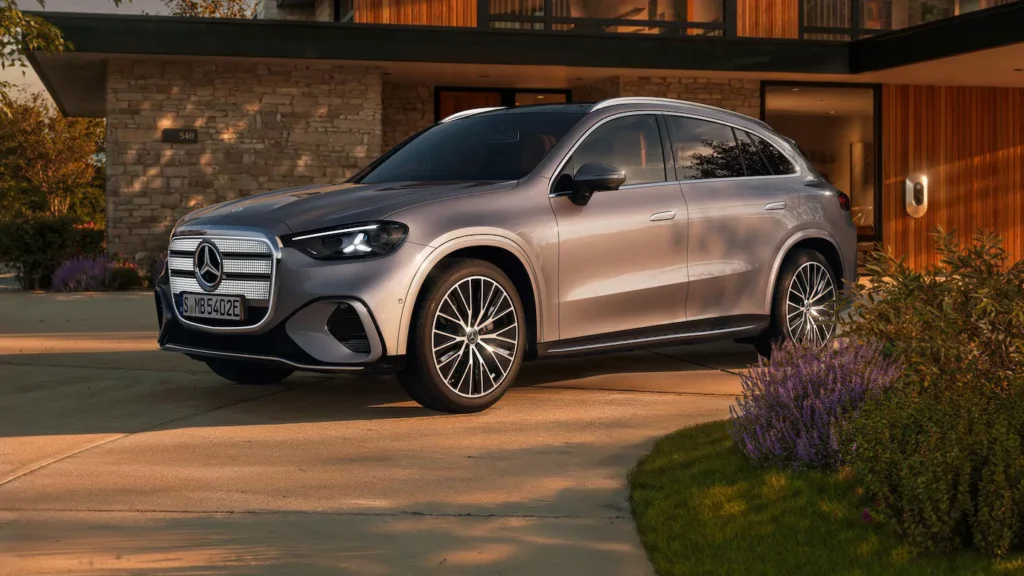
The next-generation Mercedes-Benz GLC, due in Q4 2026, will debut the brand’s new MB.EA electric platform, which it shares with the upcoming C-Class arriving shortly after.
These models will showcase the new hybrid control philosophy and a blend of high-end screens and practical physical inputs.
Final words
Mercedes-Benz isn’t abandoning its high-tech interiors, but it is fixing usability. Expect future models to deliver the best of both worlds: large, immersive screens backed by the return of proper, tactile controls where they matter most.

Comments
New Comment