




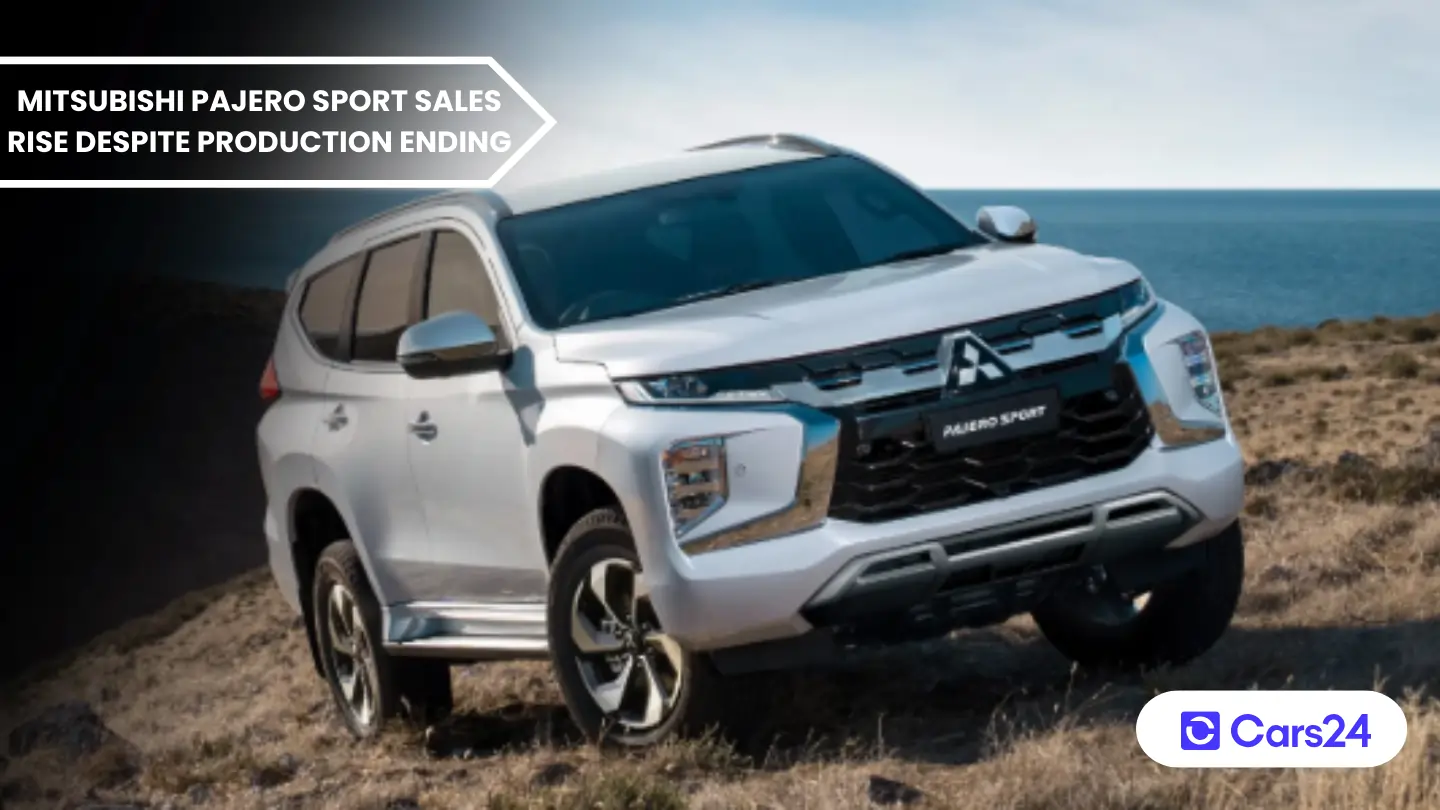
Deliveries of the Mitsubishi Pajero Sport have risen by nearly 20 per cent year-on-year in Australia, despite the final vehicles for local showrooms being produced more than 12 months ago.
Australian new-car sales data shows 1047 examples of the Pajero Sport were reported as sold across January and February 2026, a 19 per cent increase compared to the 881 units delivered during the same period last year.
The ageing large off-road SUV continues to find buyers even after production ended ahead of schedule in Thailand, with remaining dealer inventory gradually being cleared ahead of an all-new replacement expected within the next year.
While its sales remain well behind key rivals such as the Ford Everest (3691 sales), Toyota LandCruiser Prado (2665) and Isuzu MU‑X (2423), the Pajero Sport still outsold several competitors in the segment.
These include the GWM Tank 300 (795), the discontinued Toyota Fortuner (501), LDV D90 (428), Denza B5 (300), GWM Tank 500 (189) and KGM Rexton (104).
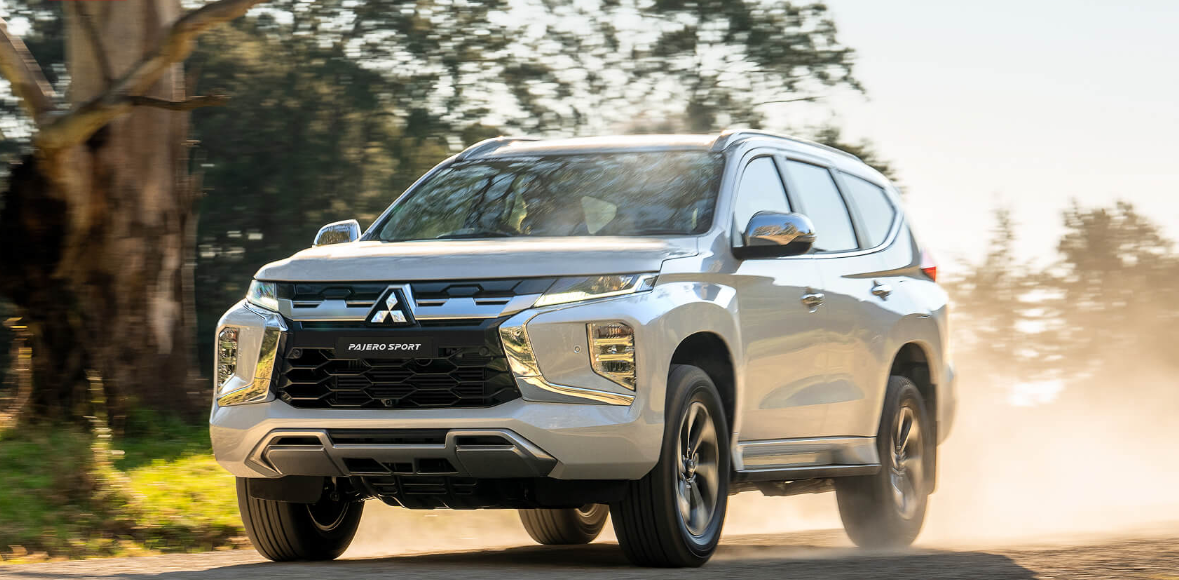


Sales sustained through forward ordering
The Pajero Sport has effectively been on hiatus in Australia since the start of 2025, as Mitsubishi Motors prepares to launch a new-generation large SUV based on the latest Mitsubishi Triton ute.
Production for Australia finished early because the current model does not meet new safety regulations introduced on 1 March 2025 relating to autonomous emergency braking (AEB) systems.
Mitsubishi Australia said it implemented a forward-ordering strategy before production ceased in order to keep supply flowing to local dealerships.
“While we enacted a forward ordering program on Pajero Sport to sustain sales in preparation for our new Large SUV, it still remains in demand for its value-packed specification and off-road capability,” a spokesperson said.
“Stock remains available, albeit in limited quantities. Interested parties are encouraged to check with their local dealer for specific model availability.”
To help clear remaining inventory, Mitsubishi is currently offering national drive-away pricing starting from $49,990 for the GLX, rising to $55,940 for the GLS and $61,640 for the Exceed. The flagship GSR variant appears to have already sold out.
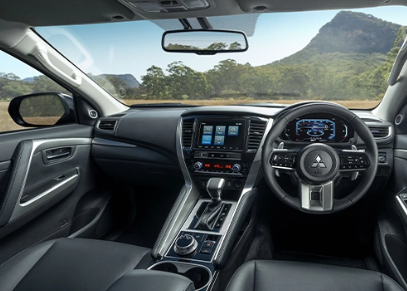
 +2 Photos
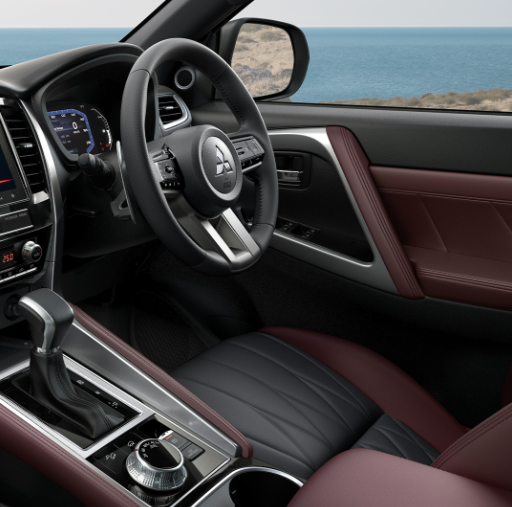
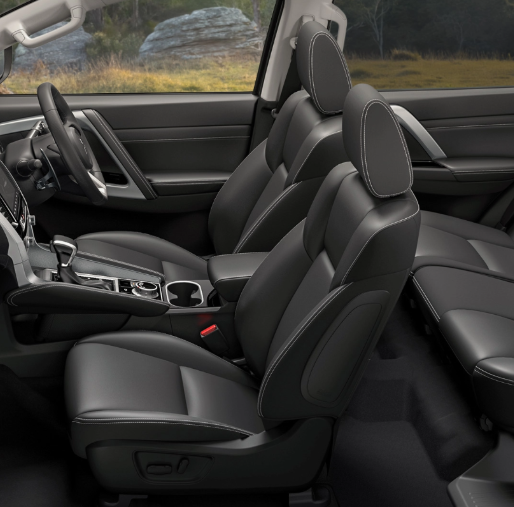
Mitsubishi Pajero performance and specs
While the Mitsubishi Pajero Sport is nearing the end of its lifecycle in Australia, the current model continues to offer strong off-road capability and towing performance thanks to its rugged ladder-frame construction and proven diesel powertrain.
All variants are powered by Mitsubishi’s ‘4N15’ turbo-diesel engine, paired with an 8-speed automatic transmission and a full-time four-wheel-drive system on higher grades. The setup delivers strong low-end torque suited to towing, touring and off-road driving, helping the Pajero Sport remain competitive in Australia’s large SUV segment.
| Specification | Details |
| Engine | 2.4L Turbo-diesel |
| Power | 133kW |
| Torque | 430Nm |
| Transmission | 8-speed automatic |
| Drivetrain | Rear-wheel drive/4WD |
| Fuel Consumption | 8.0L/100km |
| Braked Towing Capacity | 3100kg |
More power and towing capability expected
Power is likely to come from Mitsubishi’s newer ‘4N16’ bi-turbo four-cylinder diesel engine, which produces up to 150kW and 470Nm in the Triton, an improvement over the Pajero Sport’s ‘4N15’ single-turbo diesel delivering 133kW and 430Nm.
Braked towing capacity is also expected to increase to 3.5 tonnes, up from 3.1 tonnes in the outgoing Pajero Sport, further strengthening its credentials in Australia’s highly competitive ladder-frame SUV segment.
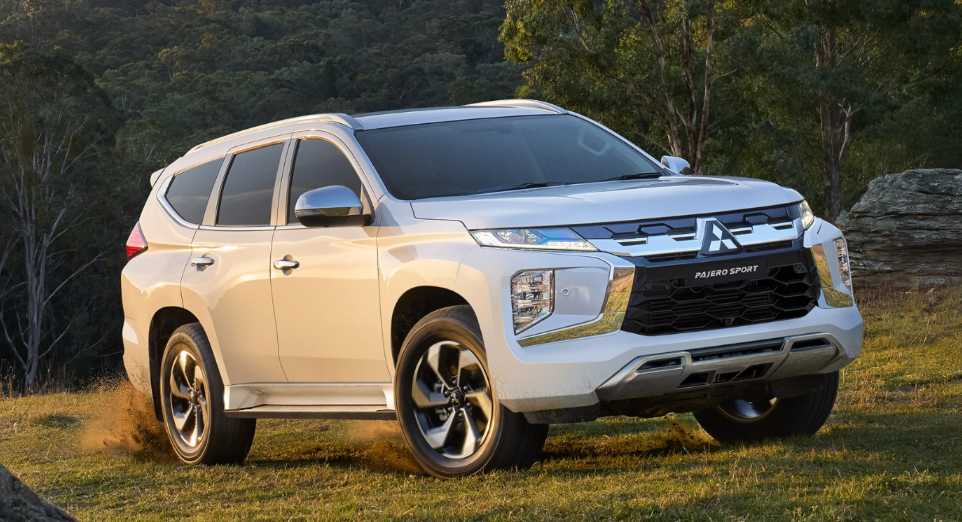
Next-generation Pajero expected soon
An all-new model expected to revive the Mitsubishi Pajero nameplate is due to arrive in Australia later this year or early next year.
Rather than returning as a traditional monocoque SUV like the previous Pajero, the upcoming model is expected to be closer in concept to a successor to the Mitsubishi Pajero Sport, sharing its ladder-frame platform with the latest Mitsubishi Triton and continuing production in Thailand.
However, the new SUV is tipped to grow in size to compete more directly with rivals such as the Ford Everest and Toyota LandCruiser Prado, while featuring more distinctive interior and exterior design elements compared with the ute it is based on.

Comments
New Comment