




Key highlights
- The new 30km/h limits will replace existing 40km/h zones from October 19, 2026.
- The trial covers parts of South Yarra, Prahran, Toorak, Armadale, Malvern and Glen Iris.
- Stonnington Council will use crash, traffic and community feedback to assess whether the limits should become permanent.
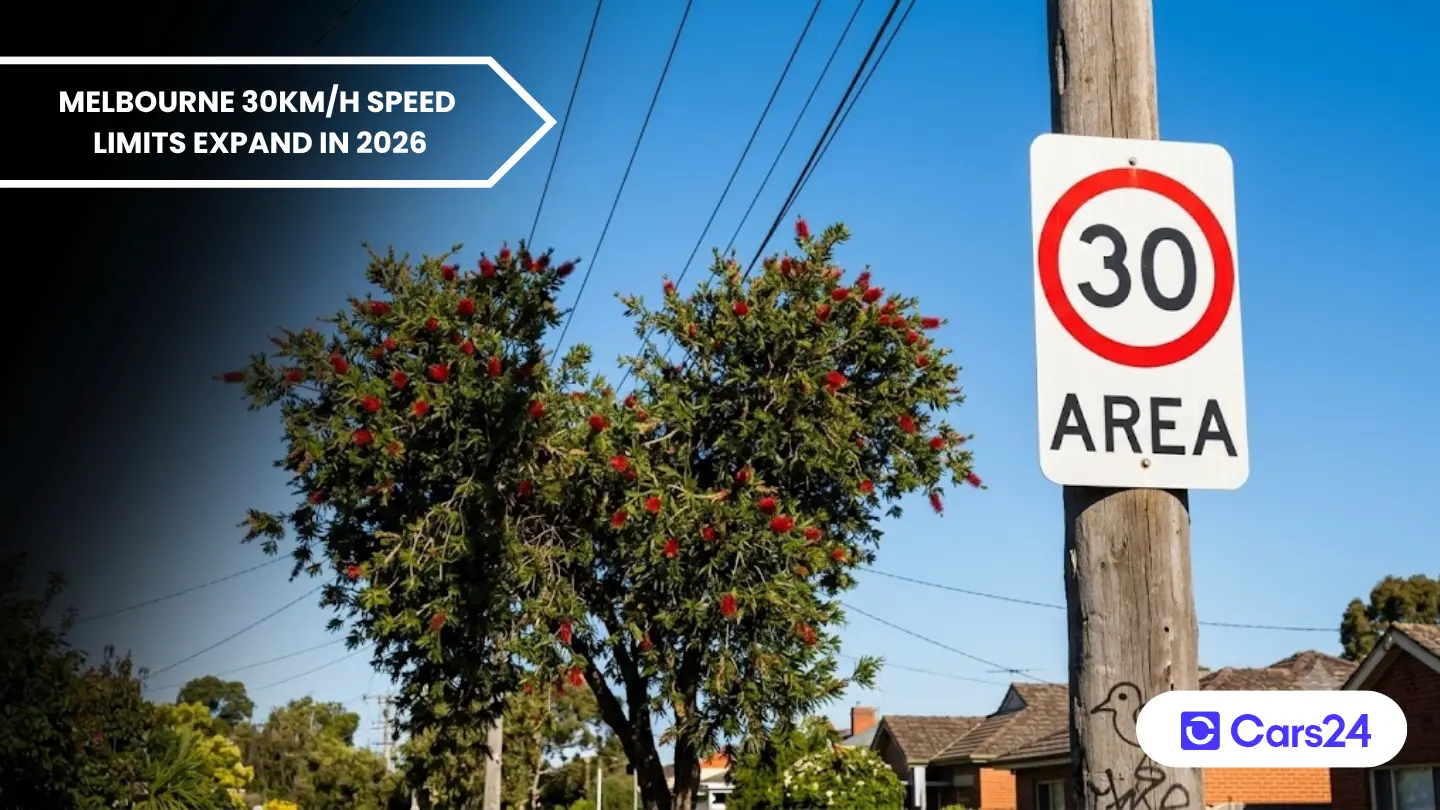
More streets in Melbourne will have their speed limits cut to 30km/h later this month, including the busy Chapel Street precinct in South Yarra. Stonnington Council will begin an 18-month trial on October 19, 2026, with the lower limit replacing existing 40km/h zones. The trial is scheduled to run until April 23, 2028.
The changes will cover streets in South Yarra, Prahran, Toorak, Armadale, Malvern and Glen Iris, with Chapel Street between Toorak Road and Dandenong Road among the better-known roads included. The trial is supported by Victoria’s Department of Transport and Planning and follows similar 30km/h trials in neighbouring parts of Melbourne.
For drivers, the change means some familiar inner-city routes will require a noticeably slower pace. It also means the posted limit will be 10km/h lower than the existing 40km/h restriction on the affected roads.
Read more: Hyundai shelves Ioniq 3 Aussie launch due to import costs
Why is Stonnington lowering the limit?
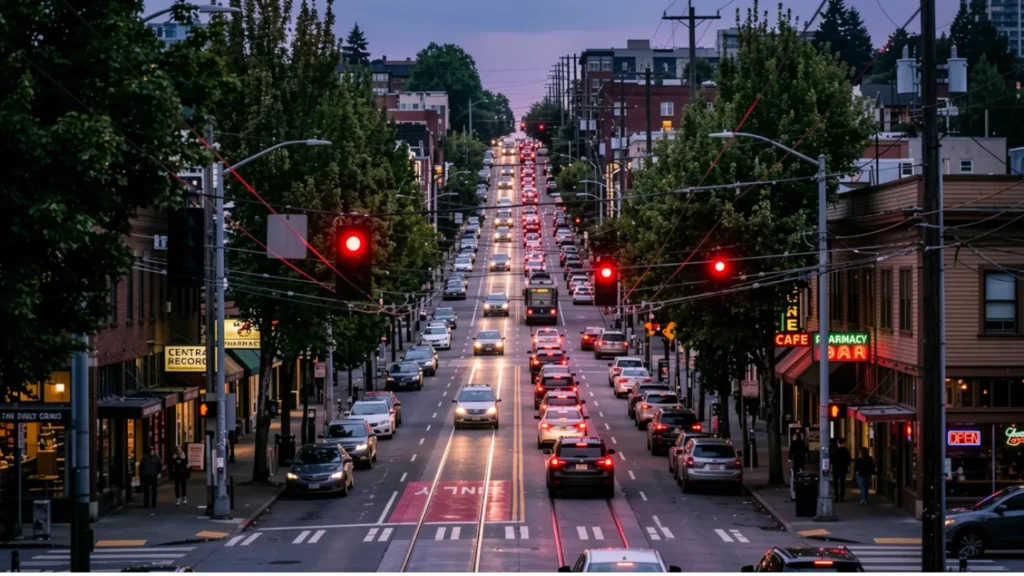
Stonnington Council says the trial areas were selected because they are close to schools, shopping precincts and key bicycle routes, where there are greater numbers of pedestrians, cyclists and other vulnerable road users. The council says it recorded more than 1500 crashes within its boundaries between 2020 and 2024. Those crashes included seven fatalities and 564 serious injuries.
The council is also pointing to Victorian government crash data from other locations where 30km/h limits have been introduced. According to Stonnington, that data showed a 51 per cent reduction in all crashes and a 70 per cent reduction in serious crashes in those locations. Stonnington says the trial will examine more than crash numbers, however. It will consider traffic and safety data alongside community feedback, including the potential effect of lower speed limits on travel times, congestion and how people use local streets. The council will use those results to determine whether the lower limits should remain after the trial ends.
30km/h limits are spreading across Australia
Melbourne isn’t alone in experimenting with lower speed limits. Yarra City Council began its first 30km/h trial in Fitzroy and Collingwood in 2018, with the program expanded in 2024. Other 30km/h zones have also been introduced in parts of New South Wales, including Liverpool, Wollongong and Newcastle. Western Australia has also trialled 30km/h zones through its Safe Active Streets Pilot Program. A report published in March 2026 found positive outcomes from the program, although it also found that drivers in some areas did not reduce their speeds significantly.
The broader safety argument centres on what happens when a pedestrian is struck by a vehicle. Stonnington Council cites research indicating a person’s chance of surviving a collision is around 90 per cent when a vehicle is travelling at 30km/h, compared with about 60 per cent at 40km/h and 10 per cent at 50km/h. The change comes as Australia continues to work towards its national road-safety targets. Over the 12 months to the latest reporting period, the national road toll fell 1.1 per cent to 1313 deaths, while deaths among vulnerable road users increased 1.0 per cent to 509.
Australia’s National Road Safety Strategy 2021-30 aims to halve annual road deaths from the 2018-2020 baseline average of 1142 to 571 or fewer by 2030. For Melbourne drivers, the immediate takeaway is straightforward: from October 19, 2026, check the signs carefully when travelling through the affected Stonnington streets, as roads currently signed at 40km/h will operate at 30km/h during the trial.

Comments
New Comment