




Key Takeaways
- The next-generation Polestar 2 is expected in Australian showrooms during the second half of 2027.
- Production of the current model has ended after more than 200,000 global sales.
- Australian buyers could face a three-to-six-month gap between outgoing and new models.
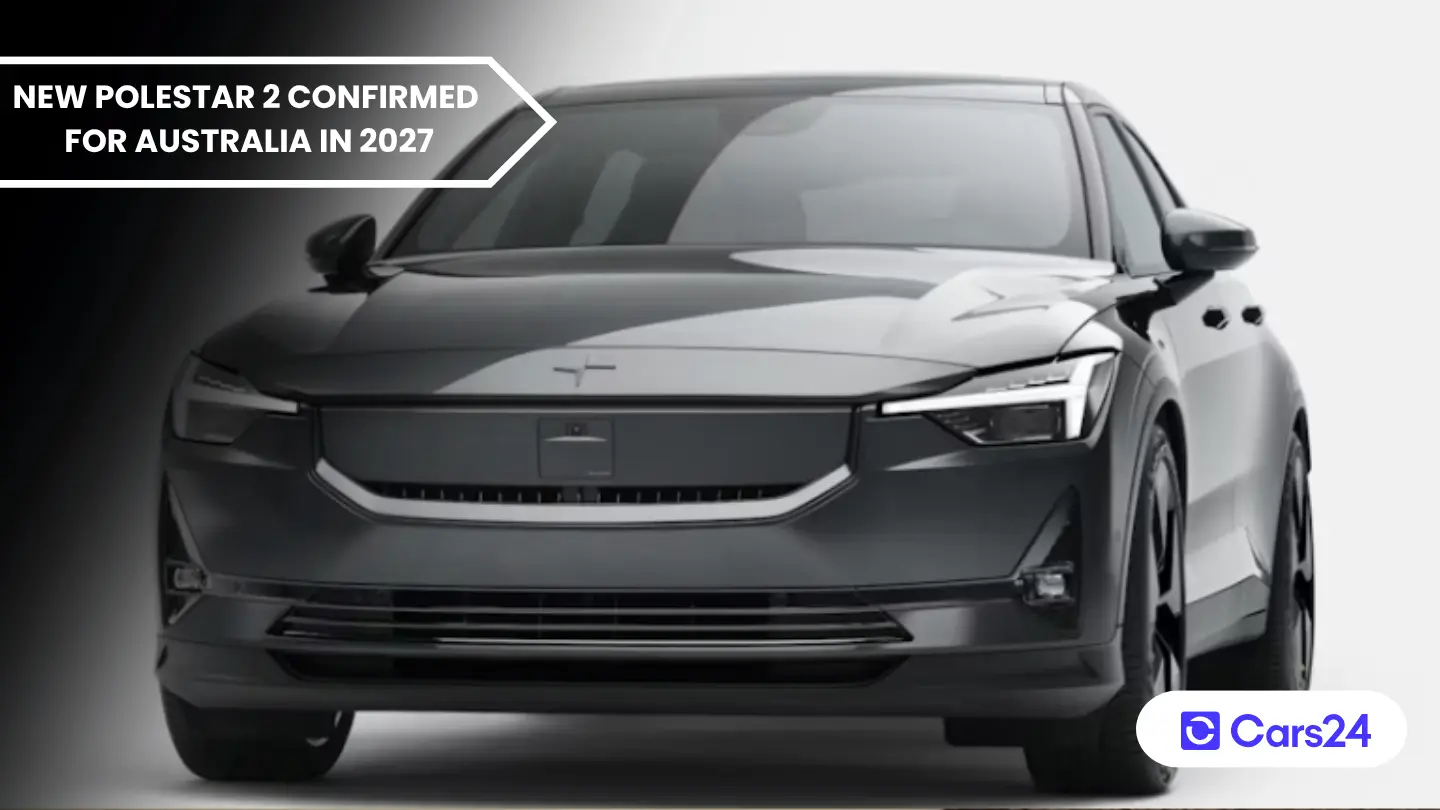
Polestar has confirmed that its next-generation Polestar 2 is heading to Australia in the second half of 2027, following the end of production of the current electric sedan.
The final shipment of the outgoing model has already arrived in Australia, with remaining stock expected to last until the first half of next year. Depending on how quickly dealerships sell those cars, buyers could face a gap of three to six months before the replacement reaches local showrooms.
The new Polestar 2 will retain its familiar name and is expected to continue with a high-riding sedan-style body, but almost everything else could change.
Read more: Tesla Cybercab goes on sale for $44,100, but there’s a catch
When will the new Polestar 2 arrive in Australia?
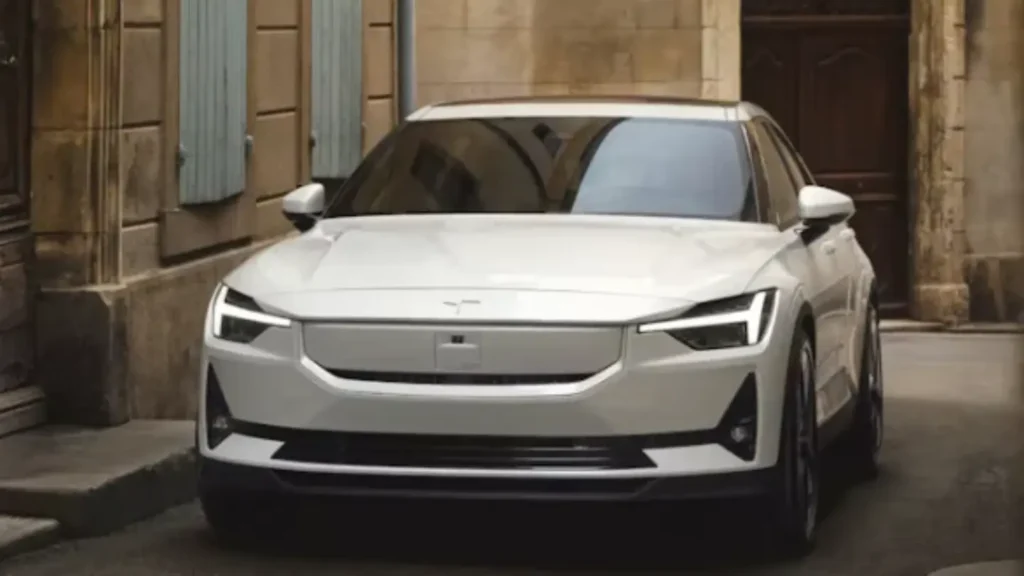
The next-generation Polestar 2 is expected to reach Australian showrooms in the second half of 2027, although the timing remains subject to potential delays.
Polestar has already confirmed a completely new successor for its global line-up, with an international launch planned for 2027. Australia is expected to receive the car later in the year.
Production of the current-generation model has ended at the company’s manufacturing facility in China, bringing its six-year production run to a close.
More than 200,000 examples were sold globally during that period, including approximately 6700 in Australia.
The final batch allocated to Australia arrived in October 2026. Local dealerships are expected to continue selling existing stock into the first half of 2027.
This could leave a three-to-six-month gap between the outgoing model selling out and the new version arriving. Buyers looking for a Polestar 2 during that period may need to consider another electric vehicle or wait for the replacement.
What will change on the next-generation Polestar 2?
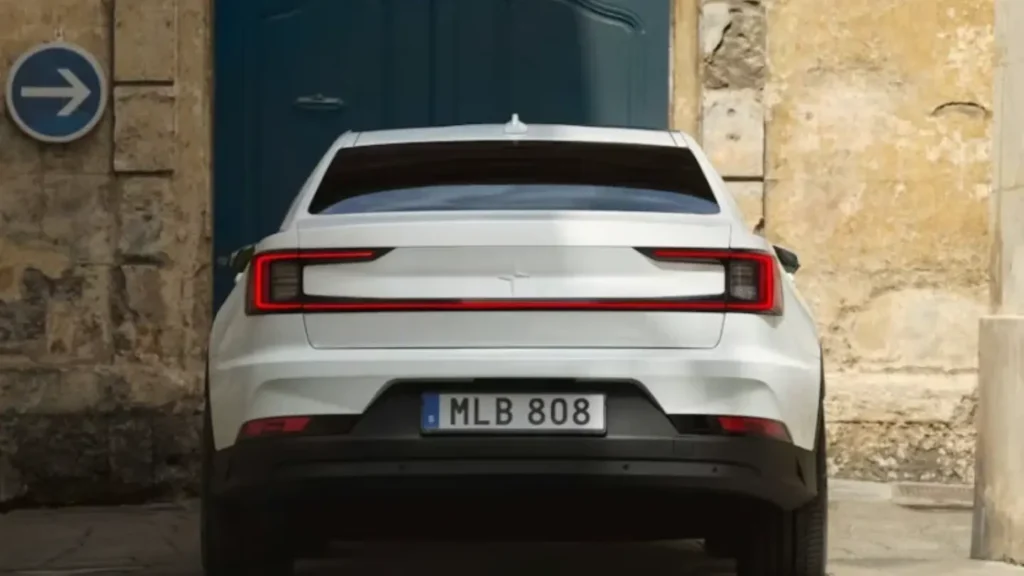
Polestar has not released full specifications or technical details of the new model, but it is expected to retain the current car’s high-riding sedan proportions.
The company had previously considered giving the replacement a different name. However, those plans have reportedly been abandoned, with the familiar Polestar 2 badge expected to continue.
Styling is expected to draw inspiration from the Polestar Formula 2030 concept, which offers an early indication of the brand’s future design direction.
The new model is being overseen by Polestar’s design chief, who previously held roles at Audi and Volkswagen. One expected change is a greater emphasis on physical buttons inside the cabin, rather than relying heavily on touchscreen controls.
That could be a welcome adjustment for drivers who prefer dedicated controls for frequently used functions.
Under the skin, the next Polestar 2 could use a new scalable electric vehicle platform being developed for future Geely Group models, including the upcoming Polestar 7 SUV.
However, Polestar has not confirmed the replacement’s platform, battery capacity, electric motor configuration or charging performance.
Australian specifications, driving range, pricing and equipment remain unannounced.
How does the current Polestar 2 compare?
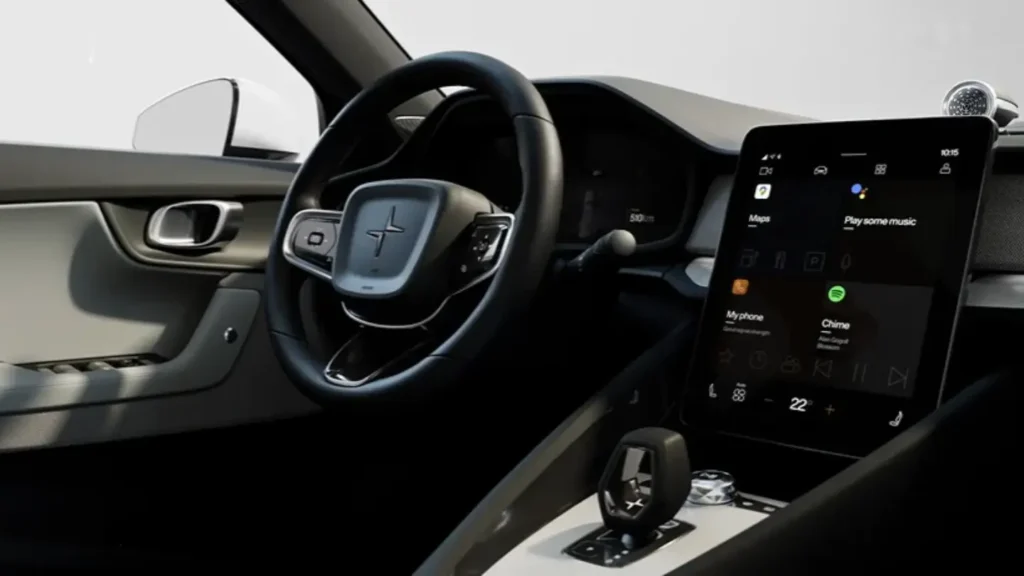
The outgoing Polestar 2 has received regular updates since its introduction, with improvements to its styling, technology, performance and battery efficiency.
One of its biggest changes arrived for the 2024 model year, when Polestar moved the single-motor version from front-wheel drive to rear-wheel drive.
The current Rear Motor version produces 50kW more power and 160Nm more torque than its 2021 equivalent. It also cuts the claimed 0-100km/h acceleration time by 1.2 seconds.
Range has increased by 119km, while the 10 to 80 per cent fast-charging time has been reduced by seven minutes.
The current model offers a claimed range of up to 659km on the WLTP test cycle in Rear Motor specification.
Polestar has also reported a reduction in the vehicle’s manufacturing-related carbon footprint, from 26.1 tonnes to 23.1 tonnes of CO2-equivalent per car.
This cradle-to-gate figure covers manufacturing, shipping and sale. It does not account for emissions associated with charging, vehicle maintenance or end-of-life processing.
What does it mean for Australian buyers?
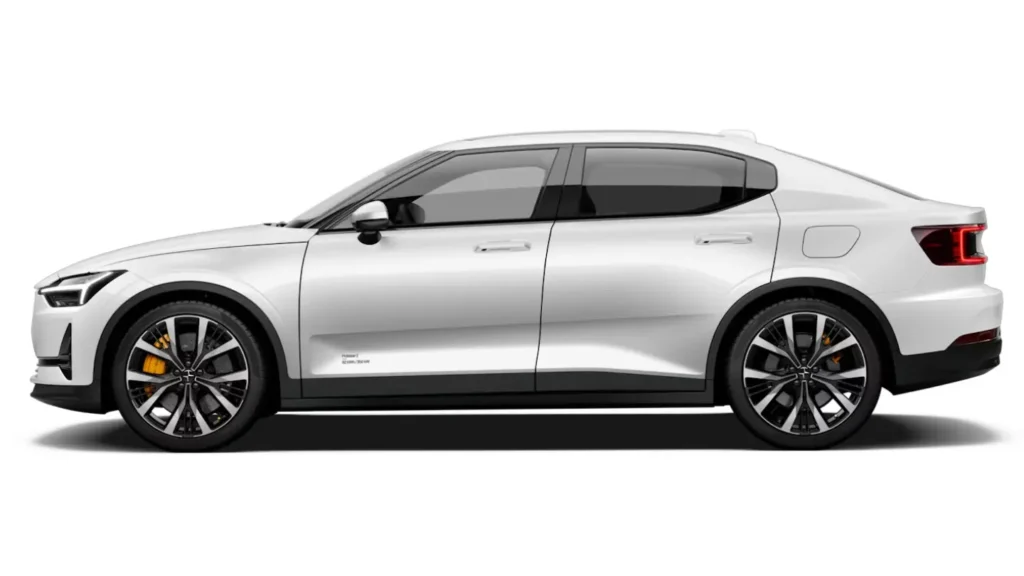
The changeover creates an interesting situation for anyone considering a premium electric sedan.
Buyers who want the current Polestar 2 will have a limited window to secure an example from remaining Australian stock. Once those vehicles sell out, the next option is expected to be the new-generation model in the second half of 2027.
There are advantages to both approaches.
The outgoing model is a known quantity, with established specifications and a proven track record in Australia. Buyers who prefer its existing design and equipment may find it worth considering while stock remains.
Waiting for the replacement could make more sense for shoppers who want the latest technology, updated styling and potentially a different driving experience.
However, there is little information available to determine whether the new car will offer a longer range, faster charging or more competitive pricing.
The next Polestar 2 will also return to a segment where it faces competition from the Tesla Model 3 and other electric sedans. Its eventual Australian pricing will be particularly important in determining how competitive it is.
For now, there is no confirmed local price or specification list for the replacement.
Polestar 2 sales have fallen in Australia
The model change comes as Australian demand for the Polestar 2 has declined, despite the car remaining an important part of the brand’s line-up.
The electric sedan recorded 514 Australian sales in the first part of 2026, compared with 746 deliveries across 2025.
That is a considerable fall from its record of 2463 sales in 2023 and 1459 in 2024.
The Polestar 4 has since become the brand’s stronger seller locally, recording 1215 sales in the same 2026 reporting period.
The arrival of an all-new Polestar 2 could help the brand regain attention in the electric sedan segment, particularly if it brings meaningful improvements in technology, range and value.
For Australian buyers, though, the biggest question is likely to be its price. The current model has spent several years competing against the Tesla Model 3, and the replacement will need to offer a convincing reason to choose it over newer alternatives.
More details about the next-generation Polestar 2 are expected to emerge ahead of its planned 2027 launch.

Comments
New Comment