




Key highlights:
- New M177 Evo V8 meets strict Euro 7 emissions standards
- Current C63 cannot accommodate the new V8 easily
- Future C-Class could potentially bring V8 power back
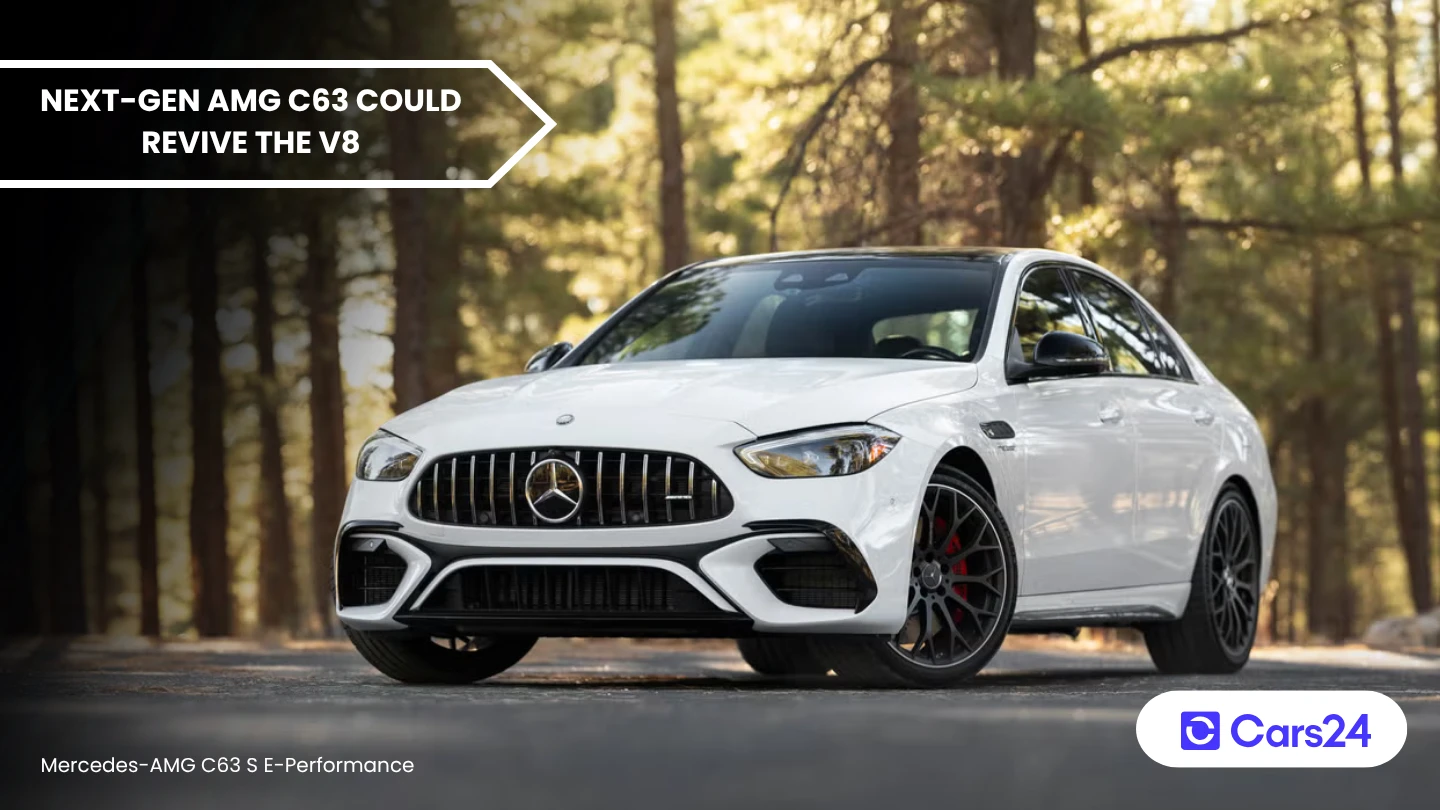
Mercedes-Benz has heavily reworked its 4.0-litre twin-turbo V8, or M177 Evo engine, to meet strict Euro 7 emissions standards, creating a possible path back to V8 power for the AMG C63. The current C63 uses a four-cylinder plug-in hybrid, but the new V8 could eventually return with a future-generation C-Class rather than the current car.
New V8 could spread across AMG models
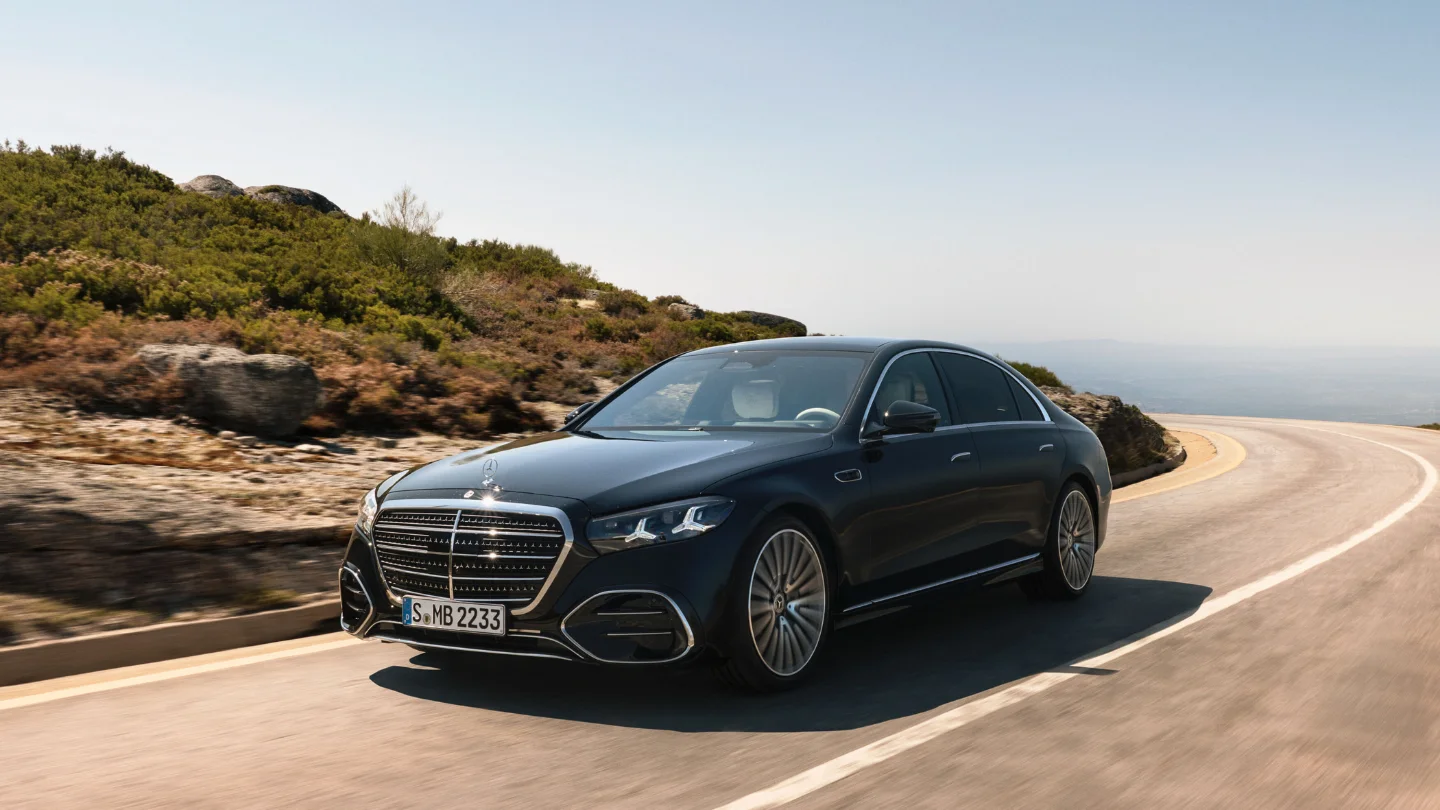
Mercedes-Benz has extensively reworked its familiar M177 4.0-litre twin-turbocharged petrol V8, now known as the M177 Evo, and the updated engine gains a flat-plane crankshaft and extensive internal changes aimed at maintaining performance while reducing emissions.
Mercedes-Benz already uses the M177 Evo in:
- S-Class sedan
- GLE SUV
- GLS SUV
The company could eventually fit the engine into more models. Mercedes-Benz powertrain development engineer Sebastian Schlegel reportedly said, “I should not talk about the future rollout strategy. But as this is the Euro 7 variant … The rollout kicked off with the S-Class, then GLE and GLS [represent] the second model series, and they get it.”
When asked directly whether the engine could reach the C-Class, Schlegel replied: “Maybe, I should not comment on that. Let’s wait for it.”
C63 took a very different path
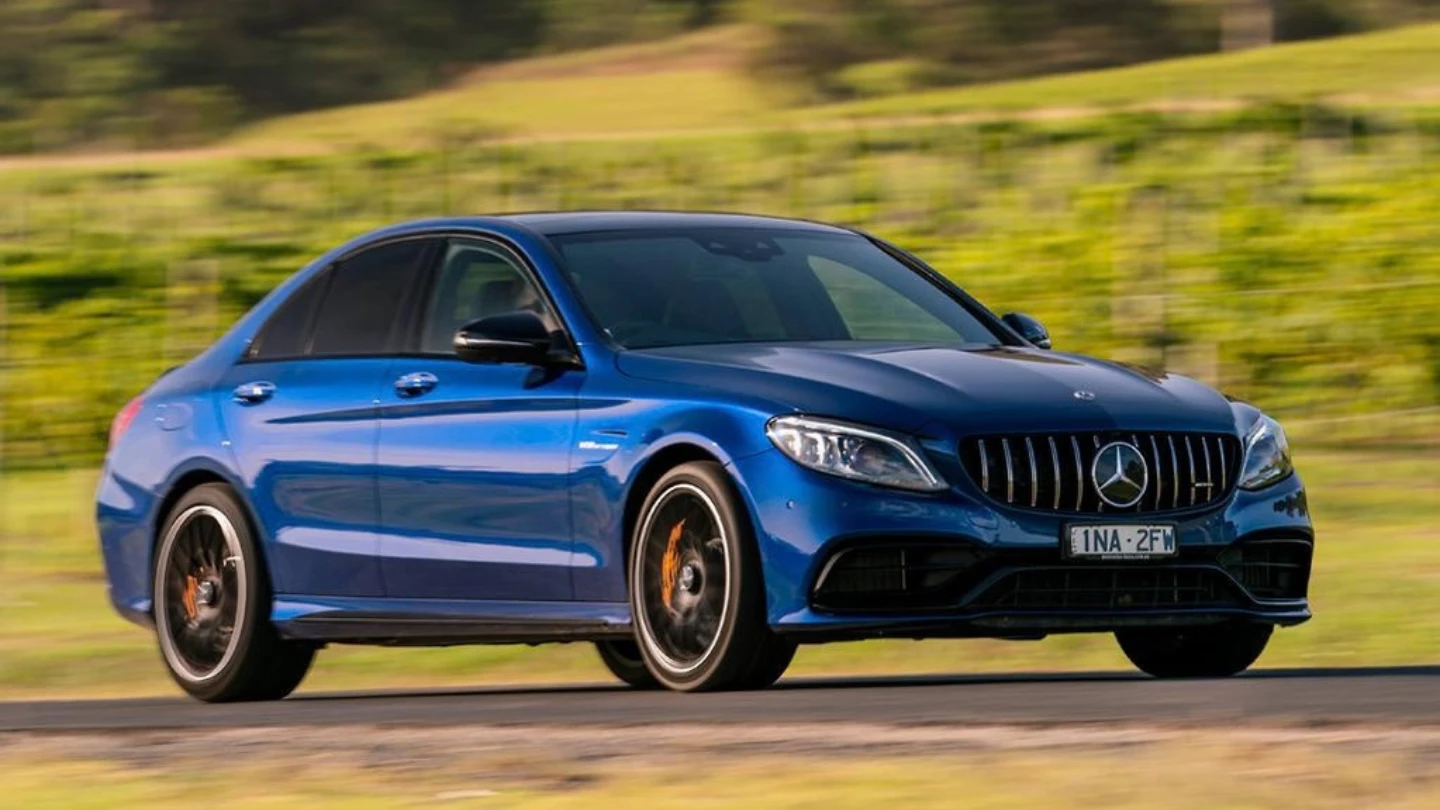
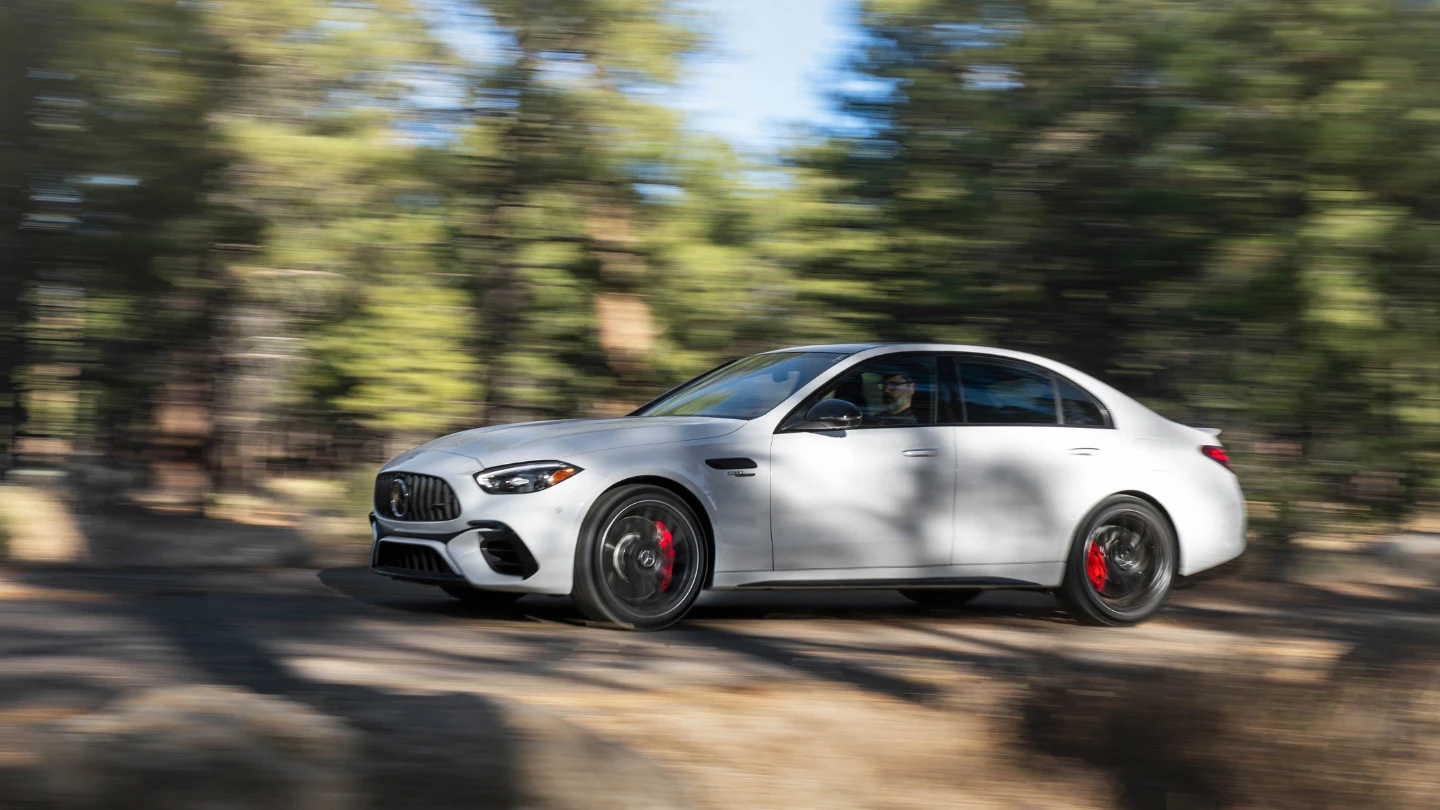
Mercedes-AMG replaced the previous C63’s twin-turbo 4.0-litre V8 with a high-output 2.0-litre four-cylinder plug-in hybrid.
The current AMG C63 produces more power and torque than its V8-powered predecessor, yet the newer powertrain has not resonated with customers as strongly as the old V8.
The previous C63 itself followed an even larger naturally aspirated V8 generation, which used the legendary 6.2-litre engine, and this contrast helps explain why the current four-cylinder hybrid has struggled to match the appeal of its V8 predecessors.
Separate comments from Mercedes-Benz suggest the current C-Class may have arrived too far into its development cycle to accommodate the V8. The current C-Class component set was designed around four-cylinder engines, making a V8 conversion difficult.
Those comments did not rule out a V8 returning with the next-generation C-Class, and this is not expected before the end of the decade at the earliest.
Also read: Ford Mustang manual may outlive its signature V8
Current four-cylinder is already facing replacement
Despite its sophisticated hybrid technology, the current 2.0-litre engine cannot meet Euro 7 emissions rules, so Mercedes-AMG plans to replace both the C63’s four-cylinder powertrain and the less powerful C43’s four-cylinder engine.
The replacement will use a 3.0-litre turbocharged six-cylinder engine with mild-hybrid assistance in a new C53 variant.
The C63 name, meanwhile, is expected to move to a future electric vehicle, and that leaves a potential V8 return as an intriguing possibility for a later C-Class generation.
What changed inside the M177 Evo?
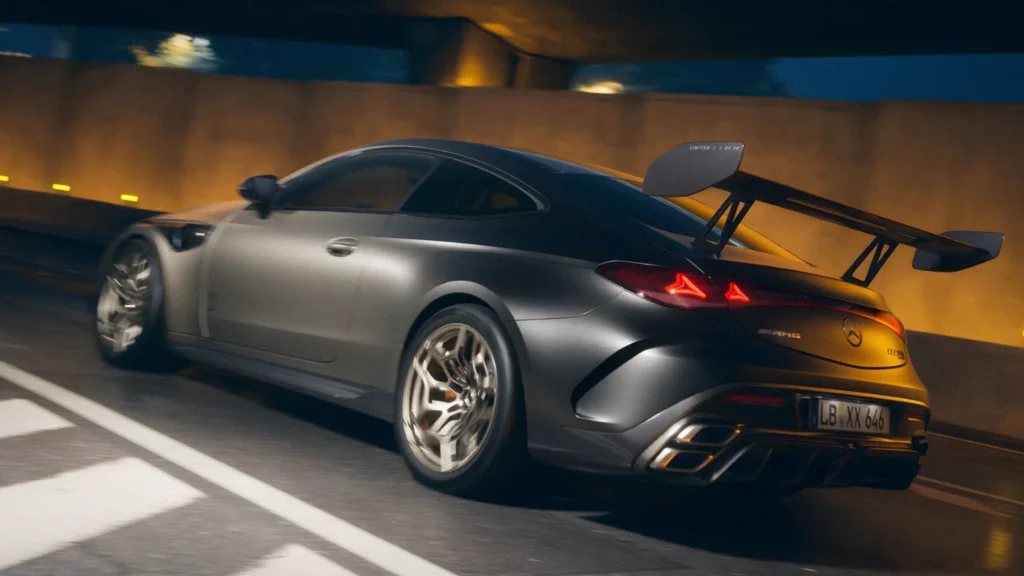
Mercedes-Benz has already demonstrated that the M177 Evo can fit into the closely related CLE coupe, and a new CLE646 Spezialanfertigung limited edition confirms the application.
However, the CLE has a wider wheel track than the standard C-Class, so fitting the V8 into a future C-Class would still require the appropriate packaging work.
Mercedes-Benz kept the M177 Evo’s 4.0-litre capacity and its turbochargers between the two cylinder banks, but engineers have changed much of what sits inside it.
More than 80% of the engine’s parts have been “re-engineered, re-sourced and re-developed”, according to Schlegel.
| M177 Evo change | Purpose |
|---|---|
| Flat-plane crankshaft | Improves efficiency and reduces emissions |
| Two gear-driven balance shafts | Counter secondary vibrations |
| More aggressive intake tumbling | Improves combustion efficiency |
| Miller Super High Tumbler combustion | Further improves combustion |
| Revised exhaust timing | Helps retain the desired engine character |
| Revised camshaft timing | Helps retain the desired engine character |
The move to a flat-plane crankshaft helps improve combustion, which in turn increases efficiency and lowers emissions, but flat-plane V8s traditionally produce significant secondary vibrations.
Mercedes-Benz has addressed that weakness with two gear-driven balance shafts, and they sit next to the crankshaft inside the crankcase and counter those vibrations.
Mercedes wants the old V8 sound
Mercedes-Benz has also worked to preserve the character of its previous V8. Engineers adjusted the exhaust and camshaft timing so the M177 Evo retains the low, rumbling soundtrack associated with the old cross-plane V8.
That avoids the higher-pitched sound commonly associated with flat-plane V8 engines. So while the architecture has changed significantly, Mercedes-Benz has deliberately worked to keep an important part of the old V8 experience.

Comments
New Comment