




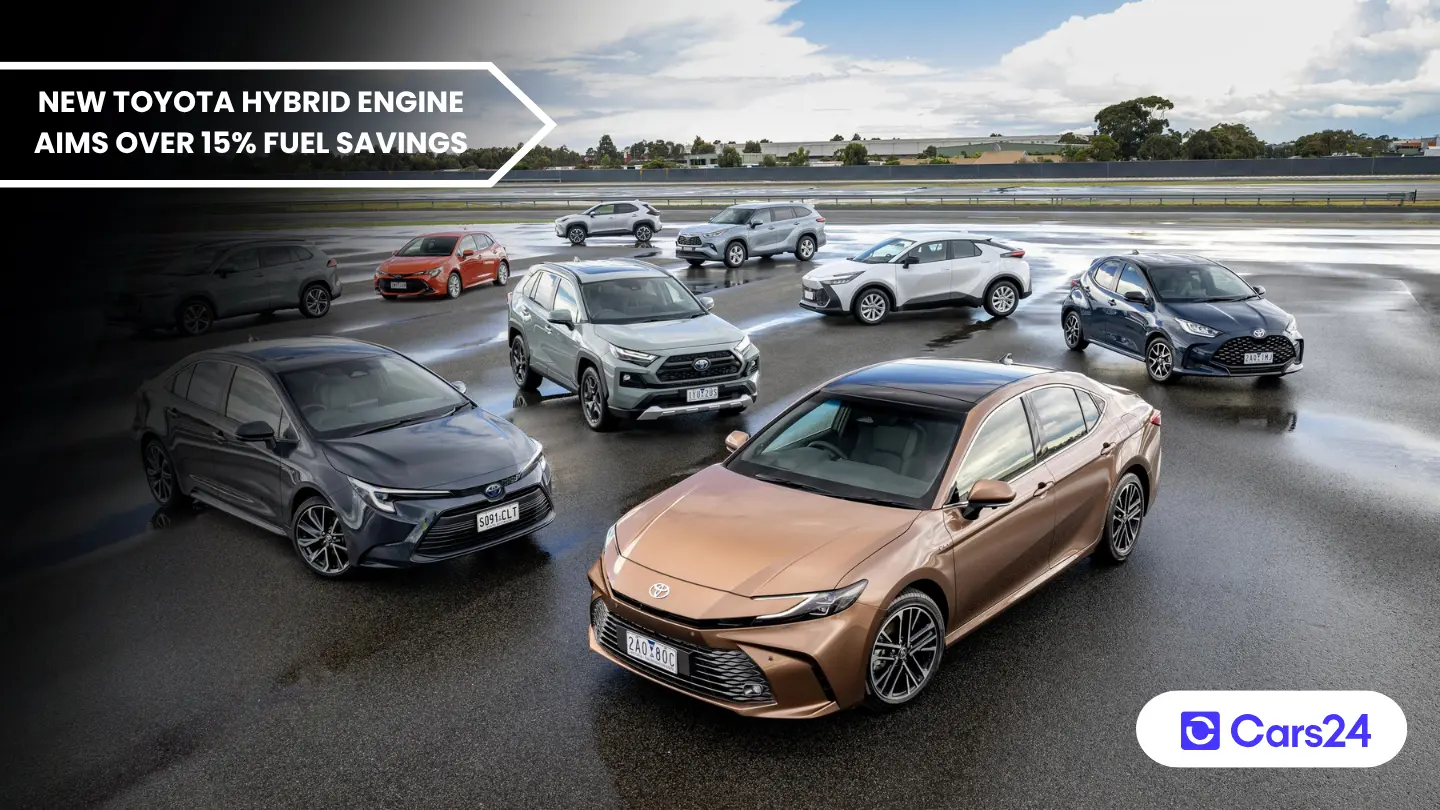
Key highlights:
- Toyota targets more than 15% better fuel efficiency
- New 1.5-litre engines will come in naturally aspirated and turbocharged versions
- Next-generation Corolla could introduce the technology around 2028
Toyota is developing an all-new 1.5-litre petrol engine designed specifically for its next generation of hybrid and plug-in hybrid (PHEV) vehicles. The Japanese carmaker is targeting fuel-efficiency improvements of more than 15%, potentially bringing consumption in popular models such as the Yaris, Yaris Cross and Corolla close to 3.0L/100km.
Toyota made this global announcement in Brussels through its official European media channels, outlining a new modular family of four-cylinder engines and smaller electric components designed from the ground up for electrification.
A new engine family built for hybrids
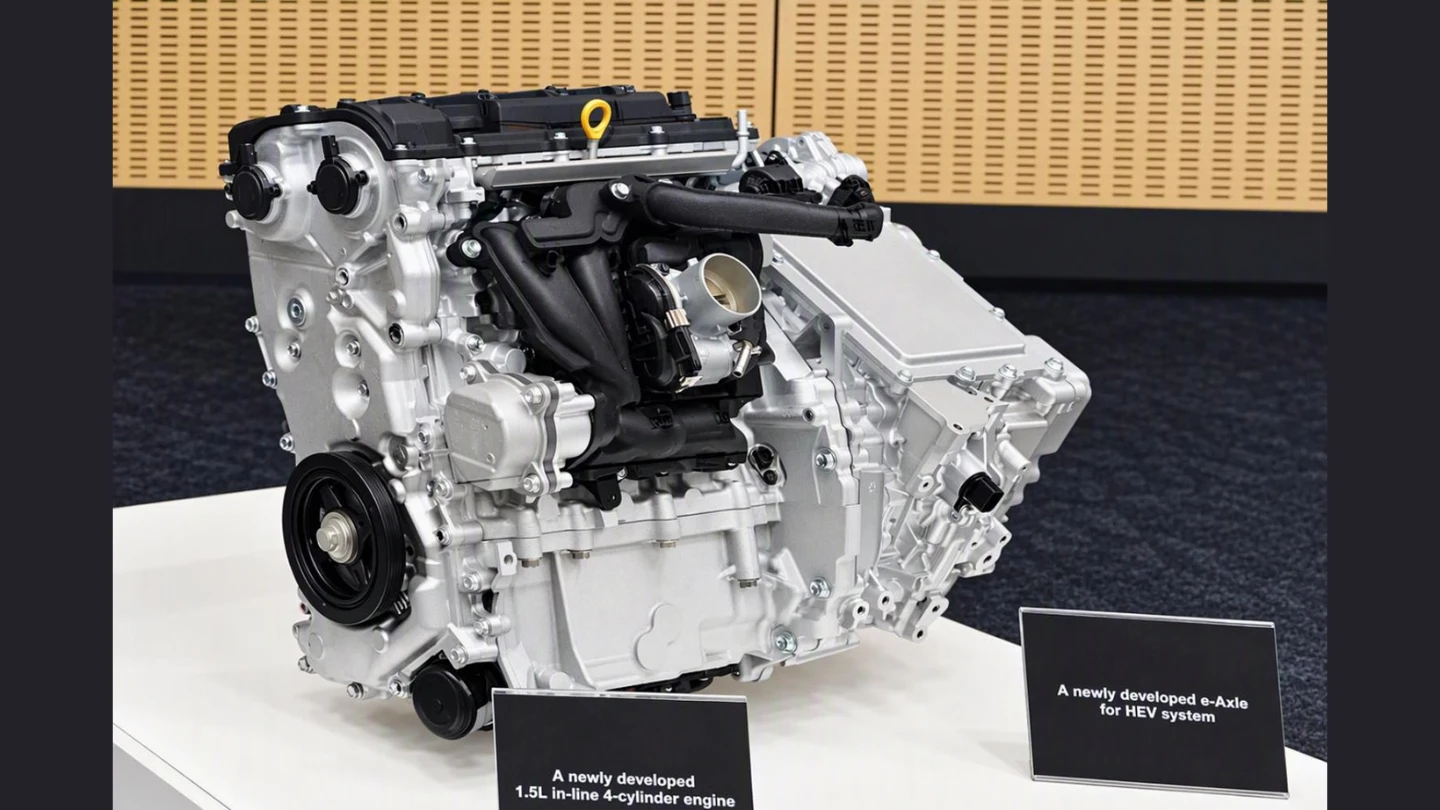
Toyota is developing the new 1.5-litre four-cylinder petrol engine in two configurations: naturally aspirated and turbocharged. Unlike existing engines adapted for hybrid applications, this new unit has been designed specifically to work with hybrid and PHEV systems.
The naturally aspirated version is intended to replace Toyota’s existing 1.8-litre four-cylinder and 1.5-litre three-cylinder engines which currently feature in models such as the Yaris, Yaris Cross, C-HR and Corolla. Toyota is also developing smaller, lighter electric motors, power control units and inverters to work alongside the new engine.
The company has yet to confirm which production models will receive the technology first or when manufacturing will begin.
Could Toyota hybrids use just 3.0L/100km?
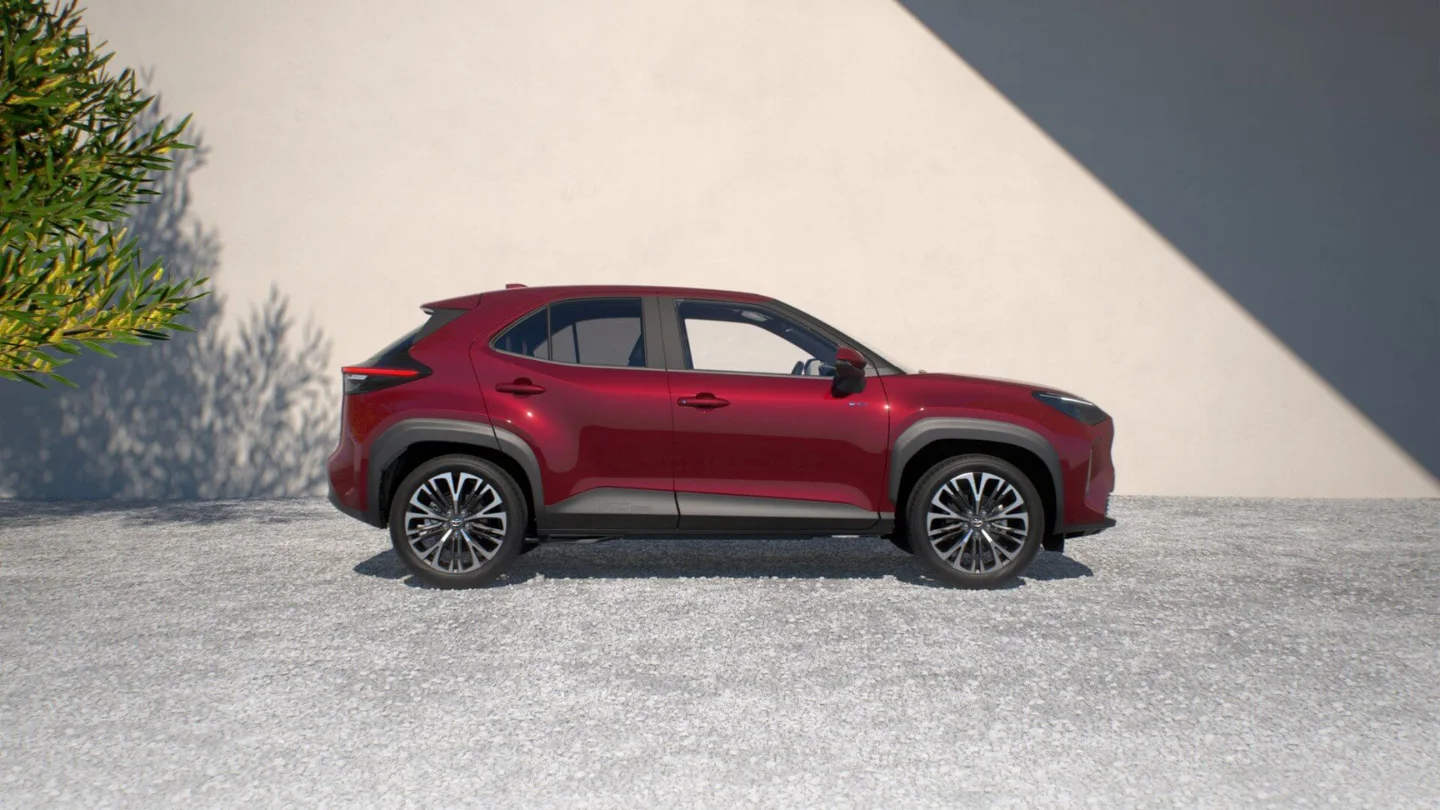
The biggest potential benefit is lower fuel consumption across Toyota’s popular hybrid range. Toyota Australia currently advertises the following fuel-consumption figures:
| Hybrid model | Advertised consumption |
|---|---|
| Yaris hatchback | 3.5L/100km |
| Yaris Cross SUV | 3.8L/100km |
| Corolla Hybrid hatchback | 4.0L/100km |
| RAV4 Hybrid | 4.5L/100km |
| Camry | 4.0L/100km |
The RAV4 Hybrid and Camry use Toyota’s 2.5-litre engine. If Toyota achieves a 15% improvement over the smaller models’ current figures, the potential consumption rates would look like this:
| Model | Current consumption | At 15% lower consumption |
|---|---|---|
| Yaris | 3.5L/100km | 3.0L/100km |
| Yaris Cross | 3.8L/100km | 3.2L/100km |
| Corolla Hybrid | 4.0L/100km | 3.4L/100km |
These are illustrative calculations based on Toyota’s advertised figures, not confirmed fuel-consumption ratings for future models. The Yaris could deliver another interesting benefit, as its 36-litre fuel tank would theoretically support a driving range of around 1,200km between refuelling stops at 3.0L/100km.
Also read: Prado gains retro round headlights, but Australian owners miss out
How will the new technology improve efficiency?
Toyota says it will target energy losses throughout the hybrid system rather than rely on the new engine alone, and the improvements will come from three main areas:
- Reduced mechanical friction: Cutting the energy lost through moving engine components.
- Improved thermal management: Managing heat more effectively to improve operating efficiency.
- Lower electrical losses: Reducing energy losses across the hybrid system’s electrical components.
The new engine and associated electrical hardware will also take up less space than existing systems. That compact packaging could allow Toyota to fit hybrid and PHEV technology into vehicle platforms originally designed around battery-electric powertrains.
Smaller powertrains could change vehicle design
Toyota’s new multi-pathway platform architecture will accommodate hybrid, PHEV and fully electric vehicles. The smaller powertrain package could give designers more freedom to lower bonnet heights and create more aerodynamic vehicle shapes.
It could also help Toyota reduce manufacturing and development costs. A common architecture would allow the company to spread its investment across vehicles with different powertrain types instead of developing entirely separate platforms.
Manufacturing plants would also gain more flexibility. Toyota could adjust the production mix of hybrids, PHEVs and EVs according to customer demand without requiring completely different vehicle architectures for each type.
Toyota continues its multi-pathway strategy
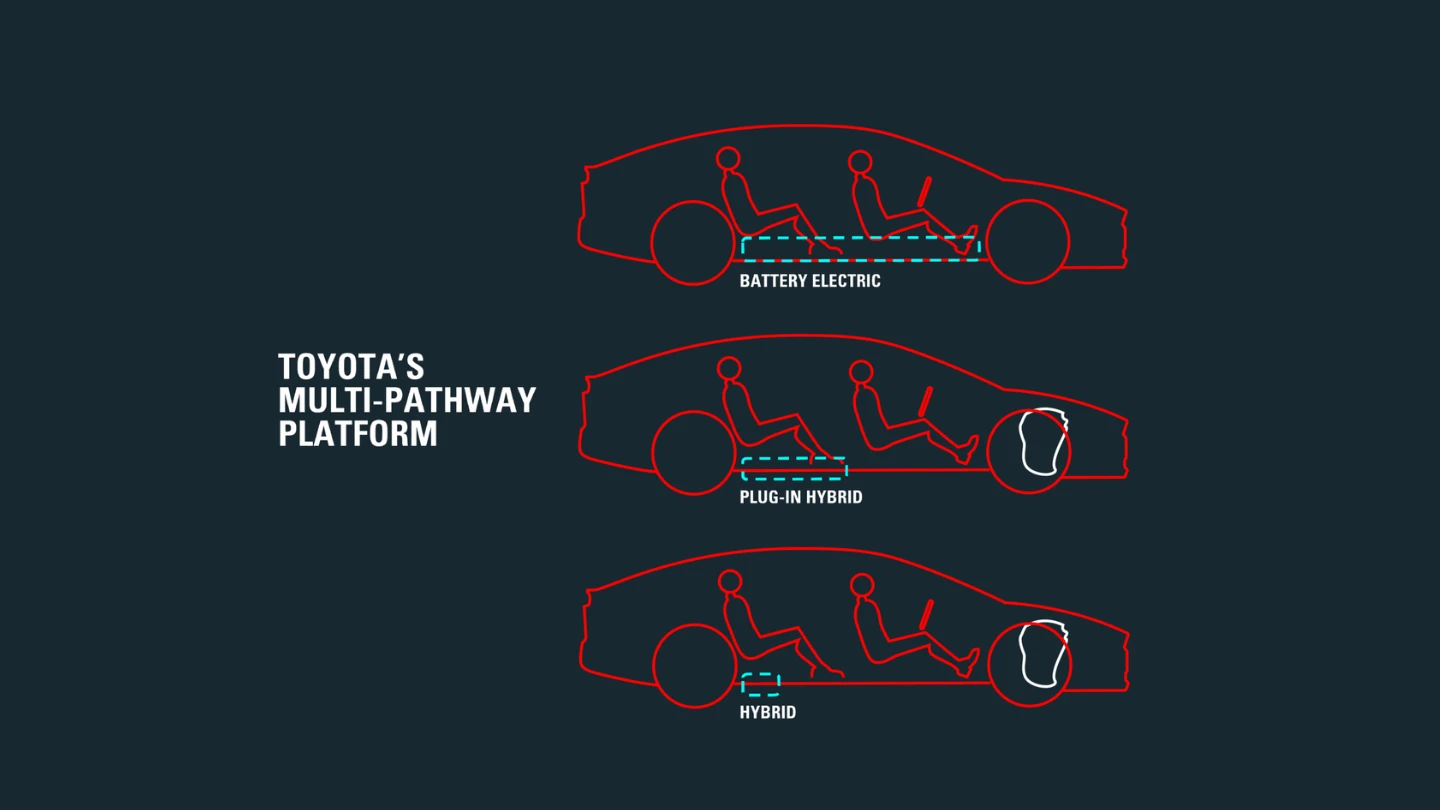
Toyota says it will continue developing different electrification technologies rather than focus exclusively on battery-electric vehicles. The company argues that hybrids, PHEVs and EVs will all have roles in reducing emissions, particularly because markets differ in their charging infrastructure, energy supplies and customer preferences.
Toyota also intends to develop the new engine and hybrid technology to work with renewable and carbon-neutral fuels, including hydrogen. That could extend the engine’s potential applications beyond conventional petrol-powered hybrids.
The announcement comes as carmakers balance investment in EVs with continued demand for hybrids. Hybrid vehicles offer better fuel economy than conventional petrol models without requiring drivers to plug them in.
Toyota has not confirmed Australian launch dates or named the first production models that will use the new powertrain. However, local industry experts expect the next-generation Toyota Corolla, anticipated around 2028, to be among the first production vehicles to receive the technology.
If that timeline proves accurate, the next Corolla could become one of the first opportunities for Australian buyers to experience Toyota’s new hybrid engine.

Comments
New Comment