




Key takeaways
- Nissan says the Navara Pro PHEV will be competitively priced in Australia.
- Its 2.0-litre plug-in hybrid powertrain targets combined outputs of 300kW and 800Nm.
- Australian launch is scheduled for the second half of 2027, with pricing unconfirmed.
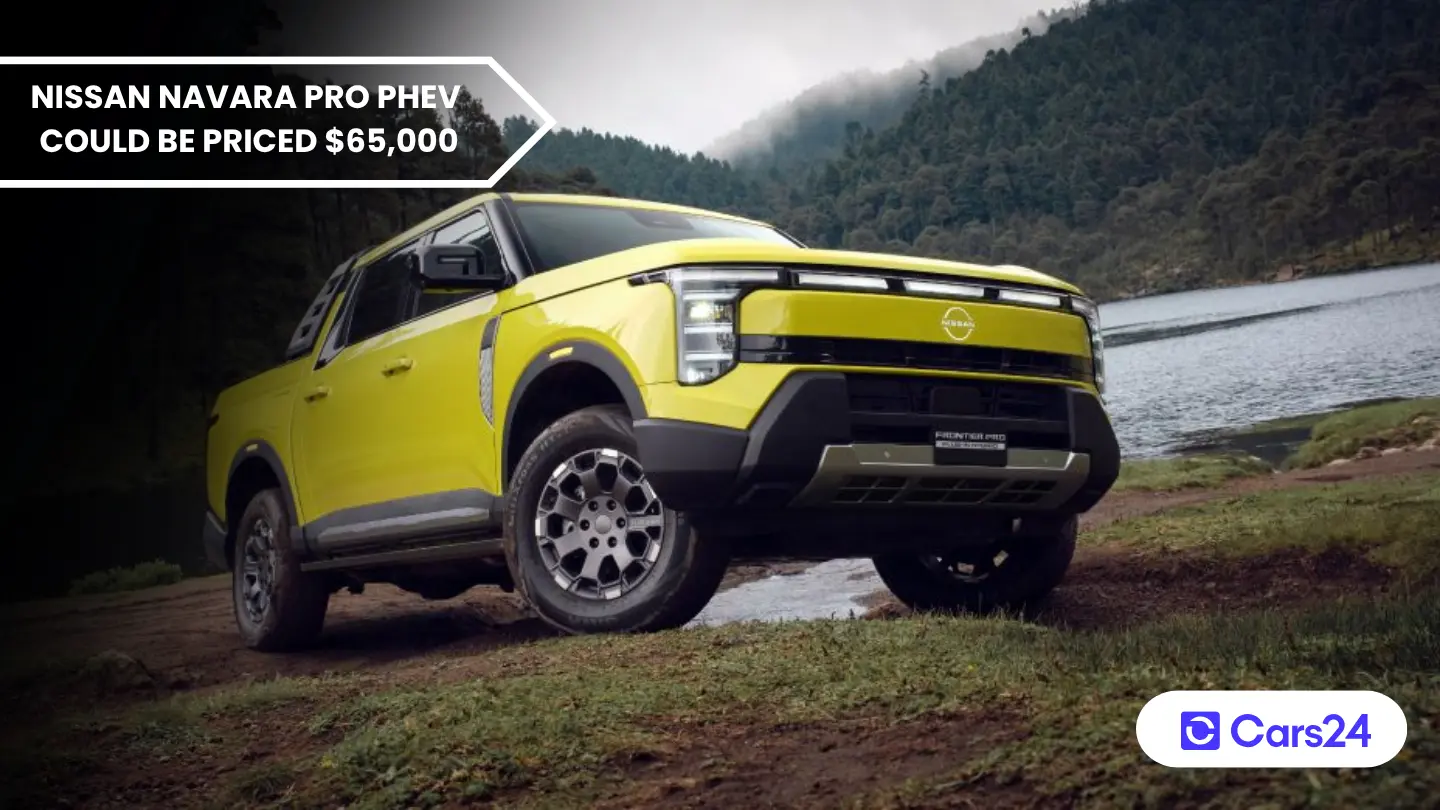
Nissan’s upcoming Navara Pro plug-in hybrid electric vehicle (PHEV) could arrive in Australia with pricing competitive against both diesel-powered utes and established plug-in hybrid rivals.
Expected in the second half of 2027, the China-sourced Navara Pro PHEV will join Australia’s growing electrified ute segment, taking on the BYD Shark 6 and GWM Cannon Hi4-T. Nissan is also targeting traditional diesel buyers who might consider switching to a plug-in hybrid without sacrificing performance or towing ability.
Nissan Oceania CEO Steve Milette has indicated that competitive pricing will be central to the new model’s positioning. The company wants the Navara Pro PHEV to appeal to buyers shopping across both conventional diesel and plug-in hybrid categories.
While Nissan has not announced Australian pricing, an opening price around $65,000 has been suggested as a possible positioning for the new ute. This remains an estimate, not an official price.
Read more: Nissan Navara Pro PHEV could lead to more Chinese models in Australia
What powertrain will the Australian Navara Pro PHEV get?
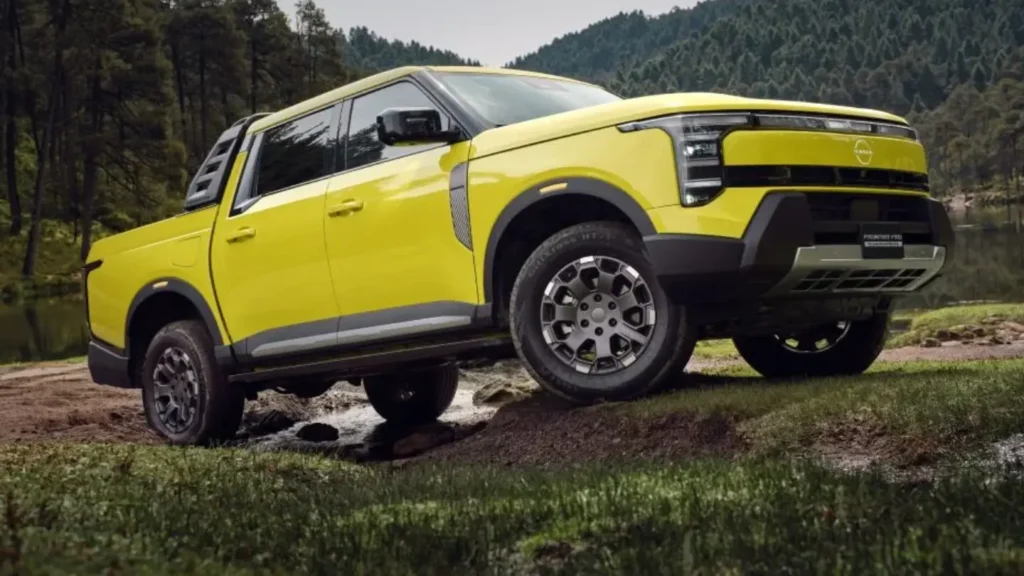
Unlike some overseas versions that use a smaller 1.5-litre petrol engine, the Australian-market Navara Pro PHEV is expected to receive a 2.0-litre turbocharged petrol engine paired with a single electric motor.
The targeted combined outputs are:
| Specification | Nissan Navara Pro PHEV |
| Petrol engine | 2.0-litre |
| Electric motors | Single |
| Combined power | 300kW |
| Combined torque | 800Nm |
| Australian arrival | Second half of 2027 |
| Australian pricing | Yet to be confirmed |
These figures would put the Nissan among the more powerful plug-in hybrid utes available in Australia.
For comparison, the BYD Shark 6 Performance produces 350kW and 700Nm, while the GWM Cannon Hi4-T delivers 310kW and 750Nm.
The Nissan would therefore have less outright power than both rivals but more combined torque, at least on the targeted figures.
However, outright performance is only part of the equation for Australian ute buyers. Towing, payload, off-road capability and real-world fuel consumption will also influence whether the Navara Pro PHEV can compete with established diesel alternatives.
Nissan is targeting a 3500kg braked towing capacity and a payload of approximately 1000kg. Neither figure has been confirmed for the Australian production model.
How much could the Nissan Navara Pro PHEV cost?
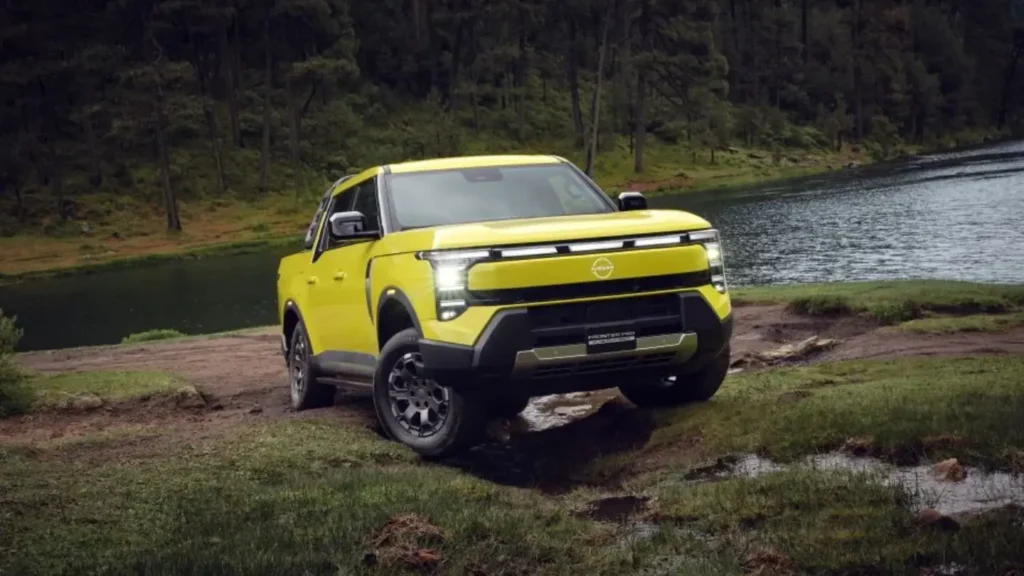
Pricing could be one of the Navara Pro PHEV’s biggest selling points.
The BYD Shark 6 Performance is priced from $62,900 before on-road costs, while the GWM Cannon Hi4-T starts at $50,990 drive-away.
These prices give Nissan a fairly clear indication of where the competition sits. However, the different pricing structures mean buyers should compare final drive-away costs rather than headline figures alone.
An estimated starting price of around $65,000 could put the Navara Pro PHEV close to the BYD Shark 6, although it would sit above the entry point of the GWM Cannon Hi4-T.
The Chinese manufacturing partnership could also help Nissan manage production costs. The Navara Pro PHEV uses a platform supplied and built by Chinese automotive partner Dongfeng, rather than the Thai-built production arrangement associated with the conventional Navara.
Nissan has not confirmed whether the cost advantages of this arrangement will translate into lower Australian showroom prices.
For context, the existing diesel-powered Navara range is priced between $53,348 and $68,418 before on-road costs and applicable special offers.
A competitively positioned PHEV could therefore overlap with the upper end of the diesel range, giving buyers another option without necessarily requiring a move into a more expensive price bracket.
Could Nissan offer different Navara Pro PHEV variants?
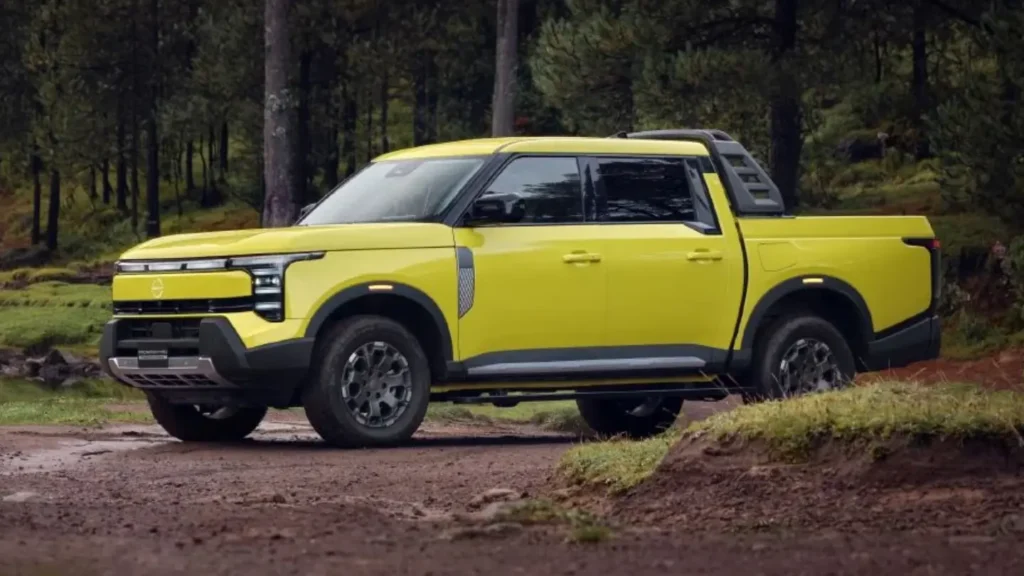
Nissan is yet to confirm the Australian variant line-up, but different rear suspension configurations could help distinguish entry-level and higher-spec versions.
The company is exploring both leaf-spring and multi-link rear suspension arrangements for the Navara Pro PHEV.
If both configurations make it into production, Nissan could use the leaf-spring arrangement for a more work-focused entry variant and reserve multi-link suspension for a higher-specification model.
This could also create room for a flagship version priced around $70,000, although neither the variant structure nor this price positioning has been confirmed.
Such a range would allow Nissan to target different types of ute buyers, from businesses prioritising carrying capability to private owners looking for a more comfort-focused dual-cab.
What it means for Australian ute buyers
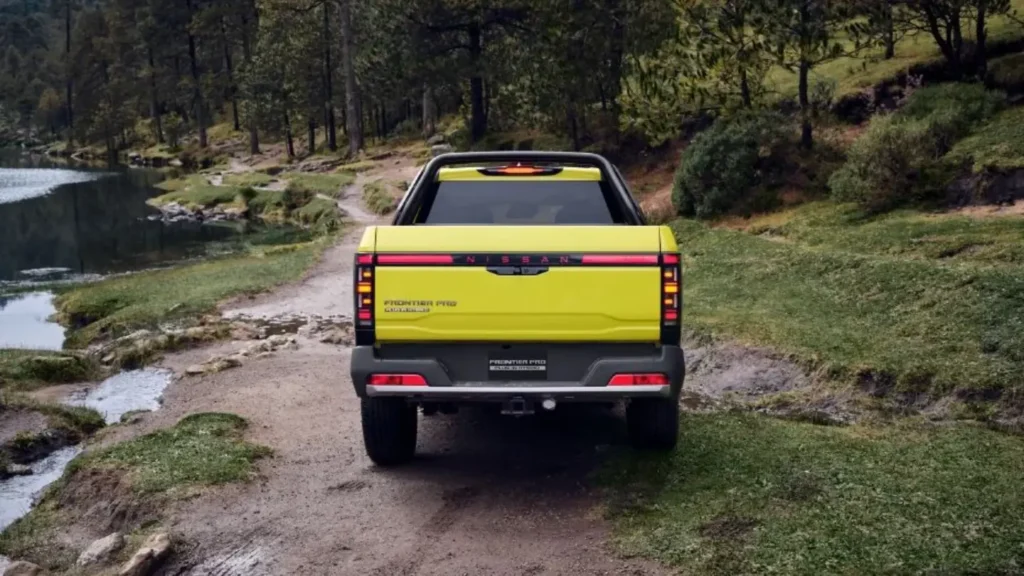
The Navara Pro PHEV will enter a segment where Chinese manufacturers have already established a presence with the BYD Shark 6 and GWM Cannon Hi4-T.
Nissan’s advantage could be its established local brand presence and dealer network, combined with a powertrain offering substantial torque and competitive performance figures.
However, buyers considering the new model will need more than an attractive starting price to make the switch from diesel.
The confirmed towing and payload figures will be particularly important for tradies, caravan owners and regional buyers. A 3500kg towing capacity and approximately 1000kg payload would make the Nissan more versatile, but its final specifications need to be confirmed before any conclusions can be drawn.
Running costs will also matter. The PHEV’s real-world fuel consumption, electric-only driving range, battery warranty, servicing requirements and charging arrangements remain unannounced for Australia.
For buyers who regularly travel long distances or tow heavy loads, the ability to operate efficiently without relying heavily on charging infrastructure could be just as important as the claimed performance figures.
Nissan is expected to release full Australian pricing, specifications and variant details closer to the model’s arrival.
For now, the Navara Pro PHEV is shaping up as another serious entrant in Australia’s electrified ute market, but its final price and working capabilities will determine how convincingly it can challenge established diesel models and Chinese PHEV rivals.

Comments
New Comment