




Key highlights
- Nissan is evaluating leaf-spring and coil-spring rear suspension for the plug-in hybrid ute ahead of its Australian launch.
- The Australian model targets 300kW and 800Nm from a 2.0-litre turbo-petrol plug-in hybrid powertrain.
- Nissan is targeting a 1000kg payload and 3500kg braked towing capacity, although final figures are yet to be confirmed.
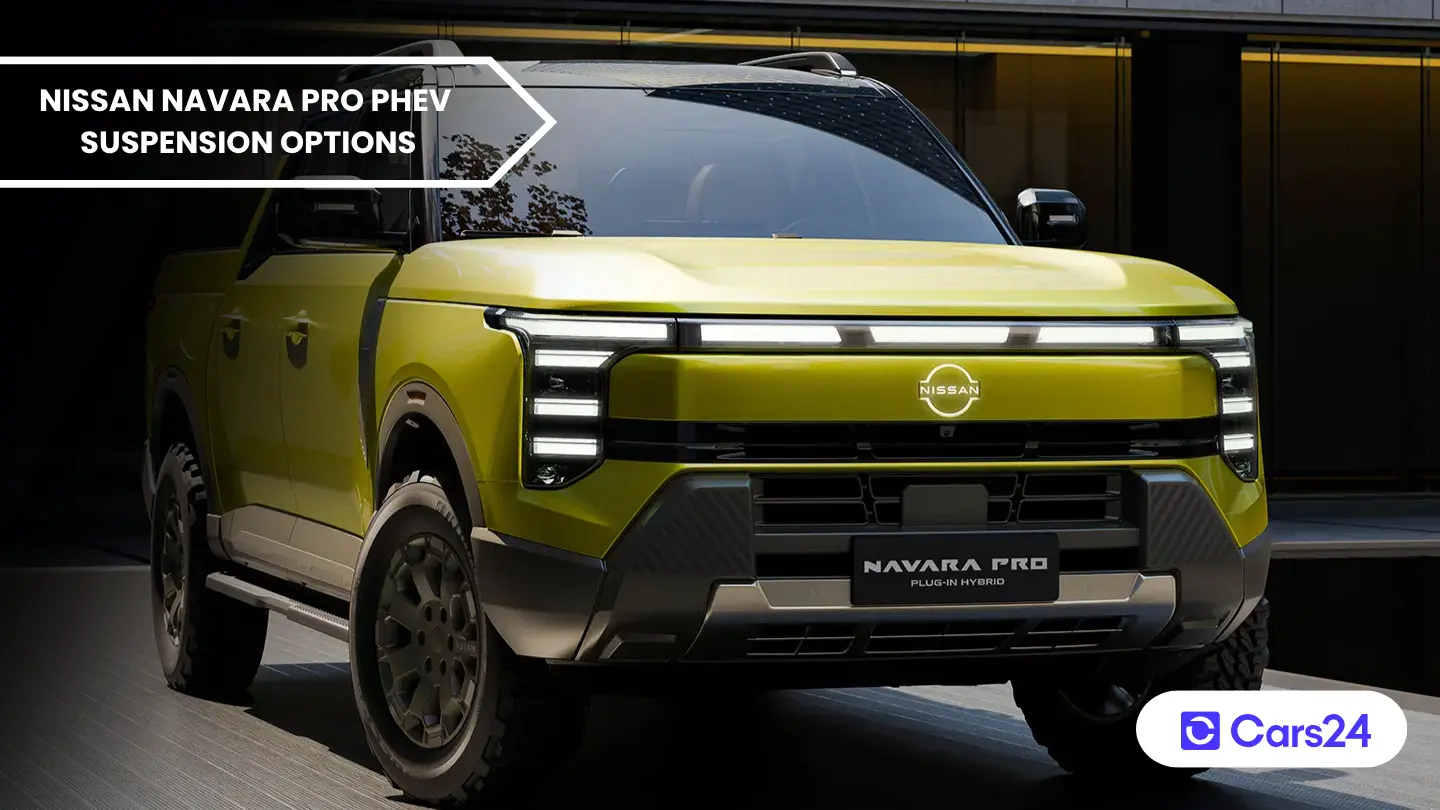
The upcoming Nissan Navara Pro PHEV could give Australian buyers a choice of leaf-spring or coil-spring rear suspension, with the company evaluating both configurations ahead of the ute’s local launch in 2027.
The Chinese-built plug-in hybrid (PHEV) ute is undergoing further development for Australia and New Zealand, with Nissan engineers assessing how different suspension setups perform under varying loads and driving conditions.
Nissan has not confirmed whether both configurations will reach production, but offering a choice remains under consideration.
The decision could matter to Australian ute buyers who need their vehicles to balance everyday comfort with the ability to carry heavy loads, tow trailers and handle unsealed roads.
Read more: Nissan looks at the Kicks as a cheaper small SUV for Australia
Why Nissan is testing two suspension setups
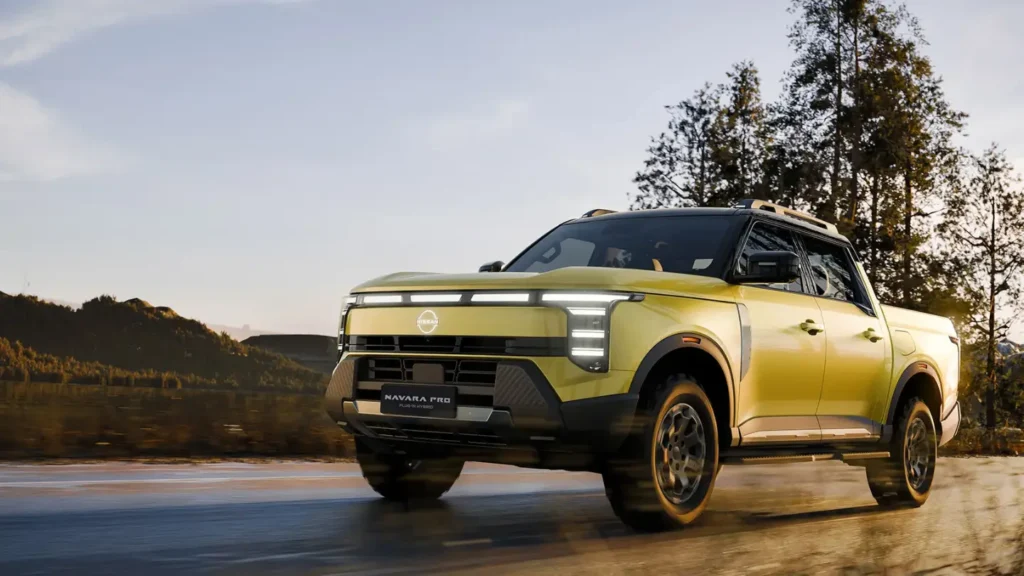
Leaf springs and coil springs offer different characteristics, particularly when a ute is expected to work hard.
Leaf springs are commonly used in commercial vehicles because of their suitability for carrying heavy loads. Coil springs can provide different ride and handling characteristics, depending on the suspension design and tuning.
Neither setup automatically guarantees a better result. The way the suspension is engineered, including its damping and calibration, plays a major role in how the vehicle behaves when empty, loaded or towing.
Nissan engineers have acknowledged that expectations for modern utes have changed, with buyers increasingly looking for passenger-car-like comfort without sacrificing stability under heavy loads.
The company is therefore testing both spring types, alongside different iterations of each, to determine which setup best suits the Navara Pro PHEV’s intended role.
Nissan has also confirmed that offering both configurations remains a possibility, although it has not decided which versions will be available to customers.
If both make production, the approach could allow Nissan to cater to different priorities. However, it is not yet clear whether suspension choices would be linked to specific grades, cab styles or other equipment packages.
How it compares with the regular Nissan Navara
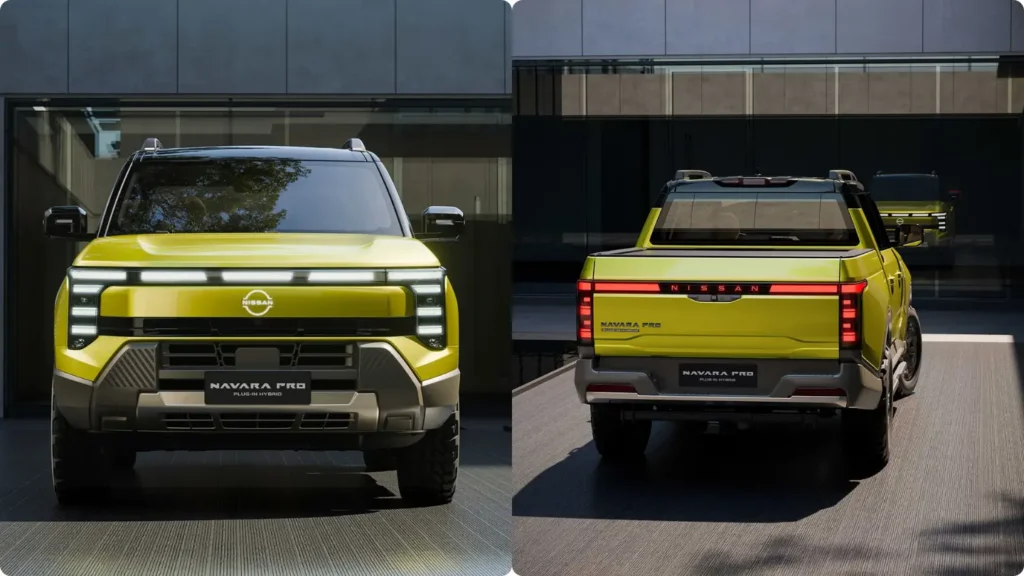
The potential return of two rear suspension configurations would echo the previous D23-generation Nissan Navara.
That model used leaf springs at the rear of single-cab and King Cab variants, while dual-cab versions featured coil springs. The arrangement gave Nissan a way to tailor its ute range to different body styles and intended uses.
The newer D27-generation Navara, based on the Mitsubishi Triton, uses leaf-spring rear suspension across the range.
Offering both setups on the Navara Pro PHEV would give the electrified model a potential point of difference from its diesel-powered stablemate. However, Nissan has not confirmed whether the two vehicles will have distinct suspension strategies once the PHEV reaches Australian showrooms.
The final decision will also need to account for the hybrid ute’s weight, power delivery and intended towing and payload capabilities.
Nissan Navara Pro PHEV powertrain and towing targets
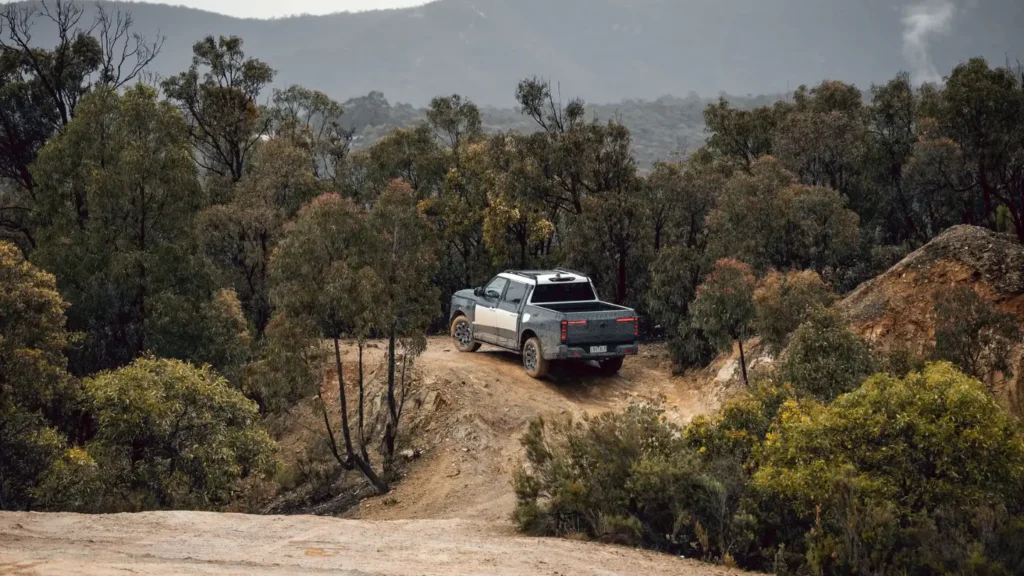
The Australian-market Navara Pro PHEV will use a different engine from the version sold in China. Instead of the Chinese model’s 1.5-litre engine, the local version is set to receive a 2.0-litre turbocharged petrol engine paired with an electric motor integrated into an eight-speed automatic transmission.
Nissan is targeting combined outputs of 300kW and 800Nm, although these figures remain subject to final homologation.
The ute will also use a mechanical four-wheel-drive system, while Nissan is targeting a 1000kg payload and 3500kg braked towing capacity.
Those targets would put the Navara Pro PHEV in contention with conventional diesel utes for buyers who need genuine workhorse capability alongside the potential benefits of plug-in hybrid power. However, the final figures will be important, particularly for customers who regularly tow caravans, boats or work trailers.
Nissan is also evaluating tyres, differential configurations, towing performance, payload capability and off-road driving modes as part of the Australian and New Zealand development programme.
These details suggest the company is considering more than outright performance when adapting the Chinese-built ute for local conditions.
When will the Nissan Navara Pro PHEV arrive in Australia?
The Nissan Navara Pro PHEV is scheduled to launch in Australia during 2027.
Final specifications, equipment and pricing have not been announced. Nissan has also yet to confirm whether Australian buyers will be able to choose between leaf-spring and coil-spring rear suspension.
For now, both setups remain under evaluation. The final suspension decision, along with confirmed payload and towing figures, should help clarify whether the Navara Pro PHEV can combine its targeted hybrid performance with the practical capabilities Australian ute buyers expect.

Comments
New Comment