




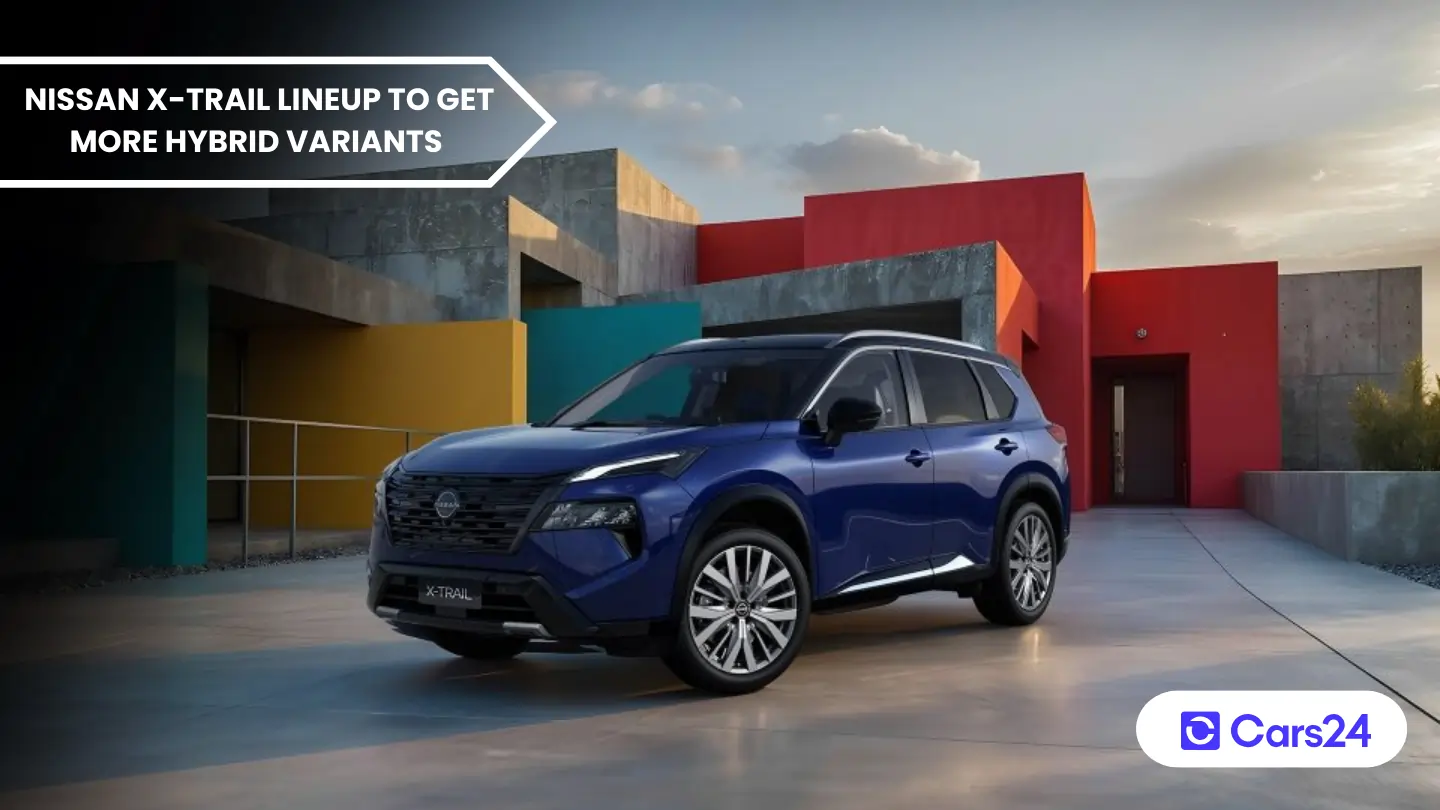
The Nissan X-Trail lineup in Australia is poised for expansion, with the brand confirming plans to introduce additional hybrid variants in a bid to capture a larger share of the competitive mid-size SUV segment.
Nissan says it will broaden its range of e-Power-equipped X-Trail models, giving buyers more choice as demand for electrified vehicles continues to rise. While full details of the new variants remain under wraps, the move signals a stronger focus on hybrid technology locally.
Andrew Humberstone said the X-Trail was performing “exceptionally well”, but the company sees room to grow.
He said: “But now we want to expand that, so we’re seeing two-wheel drive options and e-Power options there that we’re bringing in as well – to further expand our segment share within that portfolio.”
More choice on the horizon
Currently, Nissan offers nine variants of the X-Trail in Australia, though all e-Power hybrid models are limited to all-wheel drive configurations.
The planned expansion could introduce more accessible options, including front-wheel drive versions that are already available in overseas markets such as the UK and Europe. These variants typically offer a lower entry price for buyers who don’t require all-wheel drive capability.
It remains unclear whether Nissan will also introduce seven-seat e-Power variants locally. While these configurations exist overseas, Australian hybrid X-Trail models have so far been limited to five seats.
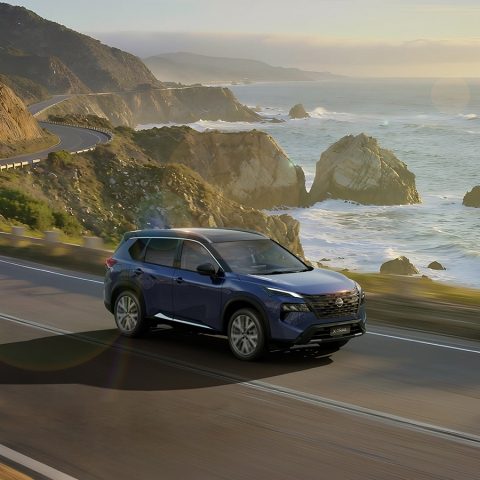
 +1 Photos
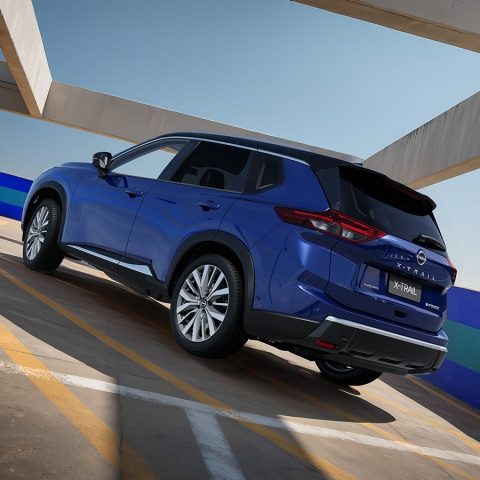


Read more: Nissan Xterra 4WD revival confirmed, Australia still unconfirmed
Hybrid system and performance
All current X-Trail e-Power models use a unique hybrid setup, where a petrol engine acts purely as a generator to power electric motors.
Under the bonnet is a 1.5L turbocharged three-cylinder engine producing 106kW and 250Nm, paired with dual electric motors delivering 150kW/330Nm (front) and 100kW/195Nm (rear). Combined system output is rated at 157kW.
In overseas front-wheel drive versions, the system uses a single 150kW electric motor, resulting in slightly improved efficiency. Fuel consumption drops from 6.1L/100km in all-wheel drive models to around 5.8L/100km for front-wheel drive variants.
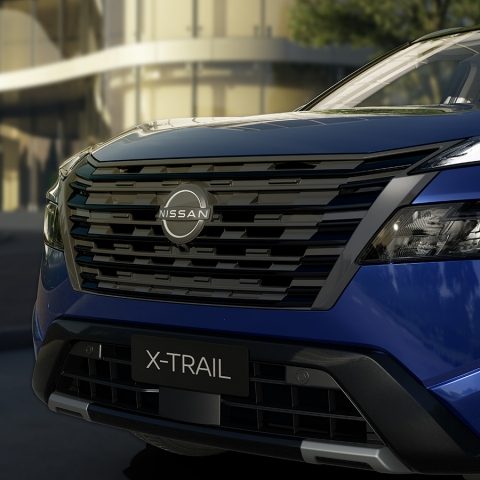 +1 Photos
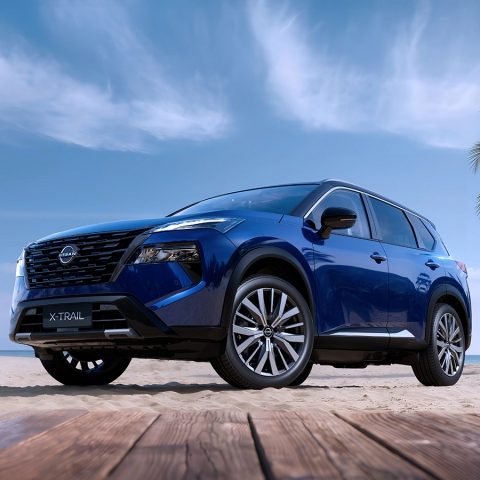
Read more: Refreshed 2026 Nissan X-Trail price and specs
Nissan X-Trail performance & specs
Here’s a breakdown of the Nissan X-Trail specifications:
| Specifications | X-Trail Hybrid | X-Trail Petrol |
| Engine | 1.5L Turbo-petrol | 2.5L Naturally-aspirated petrol |
| Electric motor | Dual-electric motors (150kW front/100kW rear) | – |
| Combined power | 157 kW | 135 kW |
| Torque | 330 Nm (front) + 195 Nm (rear) | 244 Nm |
| Transmission | Single-speed automatic | CVT automatic |
| Drivetrain | AWD | FWD/AWD |
| Fuel consumption | 6.1L/100km | 7.4-7.8L/100km |
Petrol options unchanged locally
Unlike some global markets, Australia’s non-hybrid X-Trail lineup continues to rely on a naturally aspirated 2.5L four-cylinder petrol engine. This powertrain is available with both front and all-wheel drive.
By contrast, markets such as the UK also offer a turbocharged 1.5L mild-hybrid petrol option as the base engine.
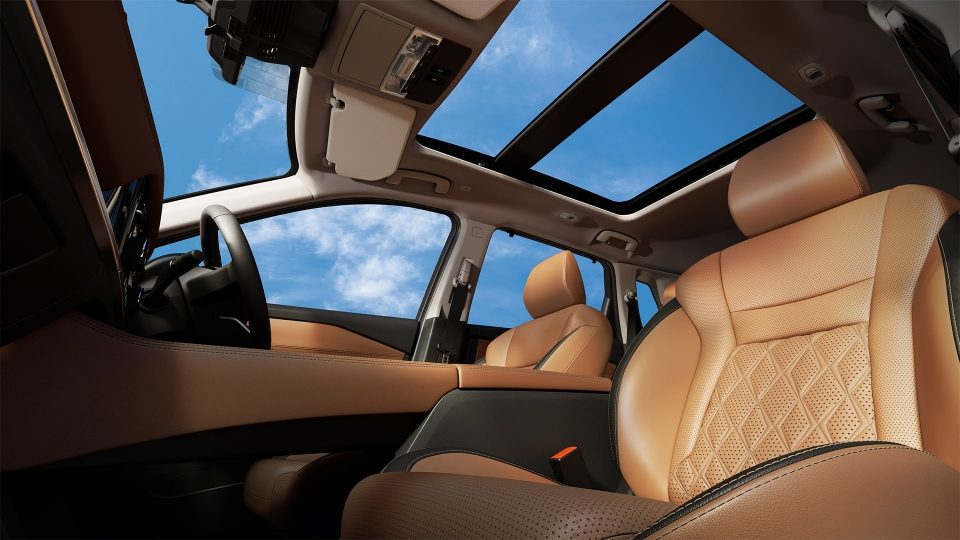 +2 Photos
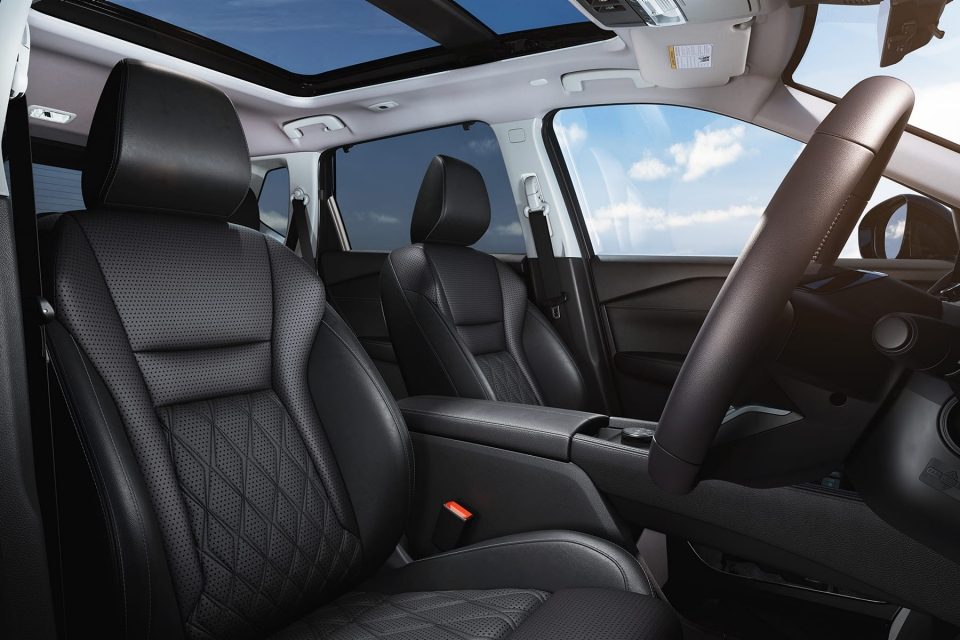
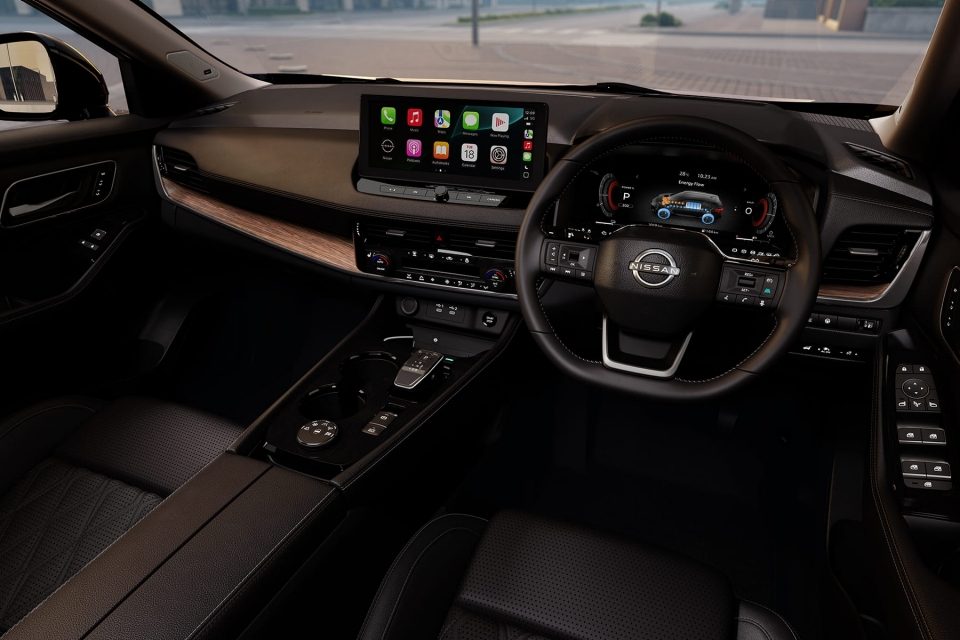
Competitive pressure mounting
Nissan’s decision to expand its hybrid offerings comes amid increasing competition in the medium SUV segment, where rivals are rapidly electrifying their lineups.
The Honda CR-V recently gained additional hybrid variants, while the Kia Sportage Hybrid range has also been expanded locally. Meanwhile, the Toyota RAV4 has already transitioned to a hybrid-only lineup in Australia, dropping petrol-only models in 2024.
All three competitors now offer hybrid SUVs with both front- and all-wheel drive options, placing pressure on Nissan to follow suit.
Read more: New Nissan Leaf launch paused indefinitely in Australia
Shift away from full EV focus
The expanded hybrid push also aligns with Nissan’s broader strategy in Australia. The company has recently confirmed it will “indefinitely delay” the next-generation Nissan Leaf for the local market, instead prioritising hybrid models in the near term.
With more e-Power variants on the way, the X-Trail looks set to play a key role in that transition as Nissan works to strengthen its foothold in Australia’s increasingly electrified SUV market.

Comments
New Comment