




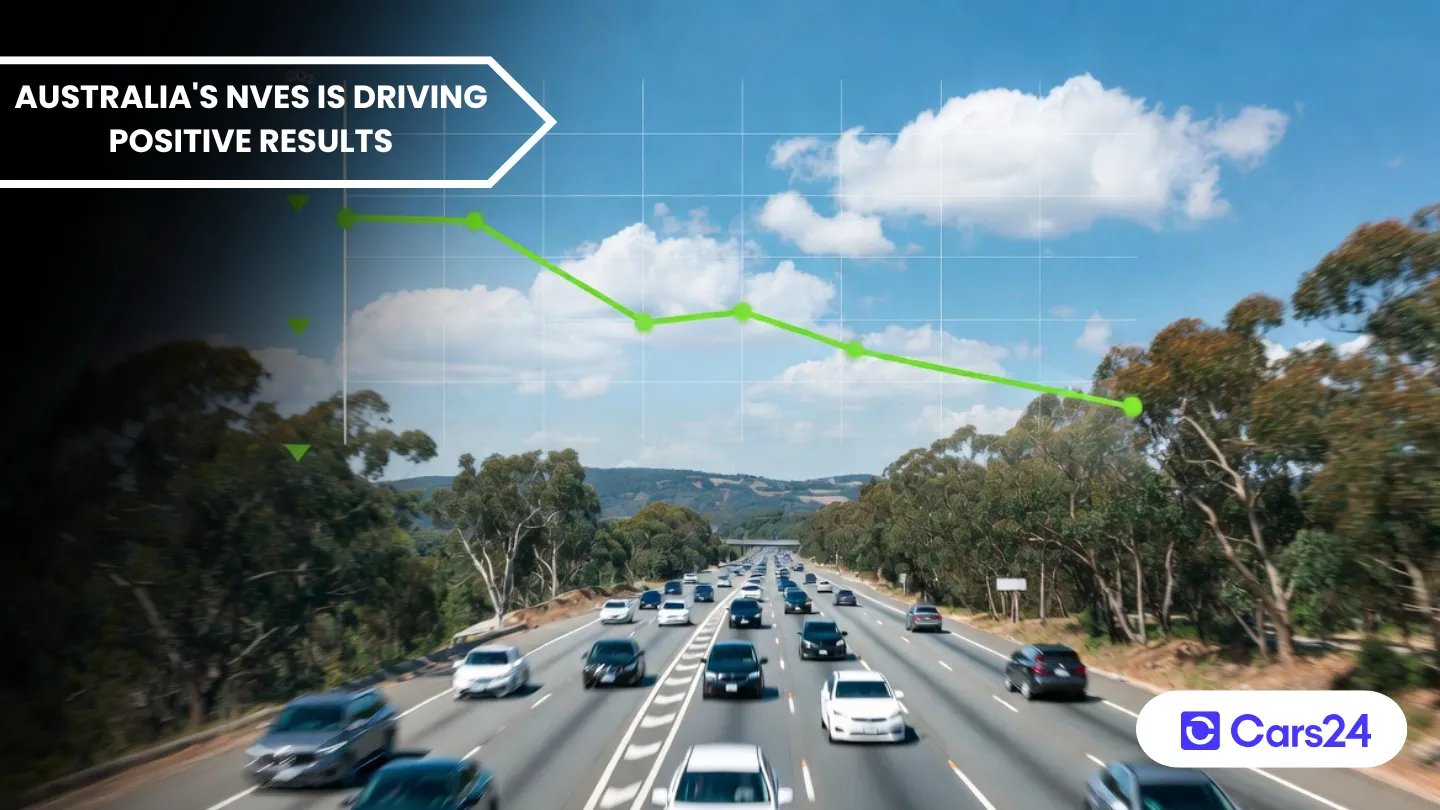
The Australian Government says its New Vehicle Efficiency Standard (NVES) is starting to reduce emissions and increase electric vehicle (EV) adoption. The NVES began on 1 January 2025 and sets limits on carbon dioxide (CO₂) tailpipe emissions for new vehicles sold in Australia.
National emissions and transport sector results
According to the government, Australia’s total greenhouse gas emissions fell 1.9% over the 12 months to September 2025. NVES and other initiatives reduced around 8.5 million tonnes of GHG emissions.
Minister for Climate Change and Energy and the lead architect and champion of the NVES legislation, Chris Bowen, described the figures as encouraging.
Transport sector results
The transport sector recorded a smaller drop of 0.4% reduction in emissions. Bowen said transport is difficult to decarbonise because cars stay on the road for an average of 17 years, and changes take time to flow through the fleet.
He called this small decline the first sign that policies such as the NVES and increased EV sales are starting to have an effect.
More: First NVES results show industry meets 2025 targets
How does the NVES work?
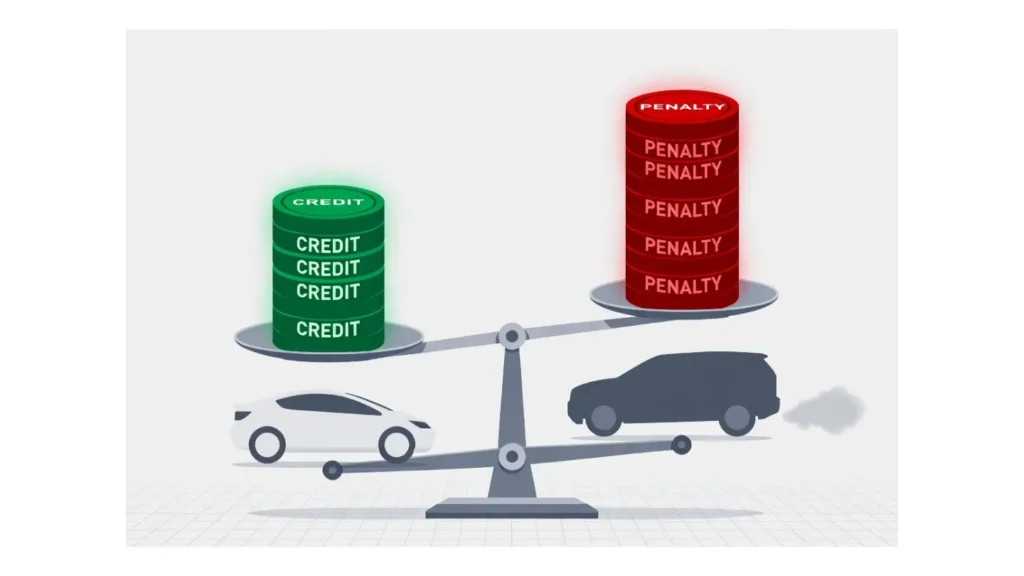
Under the NVES, each car manufacturer’s average emissions are measured across its full vehicle lineup. Brands that meet targets receive credits, and those that exceed limits can buy credits to avoid penalties. Financial penalties for carmakers began on 1 July 2025
The first NVES report (February 2026) showed that about 19 of 70 manufacturers exceeded the limits, and others met or beat targets.
Average emissions for new light passenger vehicles were 21% below the NVES target. The targets will become stricter each year until 2029.
Long-term transport emissions challenge
Despite recent progress, transport emissions have risen 23% since 2005, and diesel emissions alone have increased 11%. Bowen acknowledged the current reduction is small but said the government has tackled policies that were previously considered “too hard”, including introducing the NVES.
EV adoption is still low
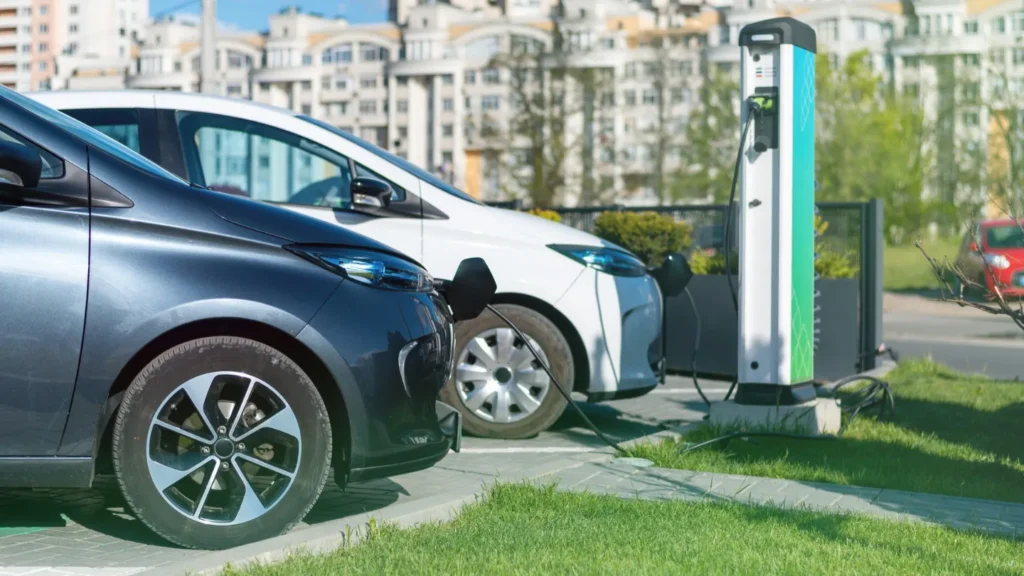
Electric vehicle sales in Australia hit a new record in 2025. More than 100,000 EVs were sold, which is a record 13.1% increase year-on-year and a record 8.3% market share. However, nearly 200,000 non-plug-in hybrid vehicles were also sold, showing hybrids remain popular.
Federal Chamber of Automotive Industries CEO Tony Weber said EV uptake is still below expectations. He noted key challenges for this, such as a need for more charging infrastructure, reducing the total cost of ownership, and ensuring EVs meet Australian consumer needs. He said charging infrastructure is critical if the NVES is to help meet climate targets.
Future emissions targets
The Climate Change Authority has recommended that Australia reduce emissions by 62–70% from 2005 levels by 2035. Bowen said more work is needed, especially in expanding charging infrastructure and supporting EV adoption. He said the number of charging stations has tripled, but acknowledged the transition is ongoing.

Comments
New Comment