





Australia’s fledgling New Vehicle Efficiency Standard (NVES) has delivered its first major reckoning for the car industry, with interim data revealing a dramatic split between manufacturers racking up valuable credits and those staring down significant financial liabilities heading into the compliance period.
Of the 620,947 vehicles covered in the 2025 performance period, 17.16 million units in NVES credits have been generated by outperforming entities, but a competing 1.22 million units in liabilities have also accumulated, leaving an industry-wide net surplus of approximately 15.94 million units on a combined interim emissions value basis.
| Regulated Entity | Covered Vehicles | IEV (Interim Emissions Value) |
| Alfa Romeo SpA | 622 | 2,580 |
| Anhui Jianghuai Automobile Group Corp. (JAC Motors) | 252 | -2,185 |
| Aston Martin Lagonda Limited | 105 | 13,877 |
| Audi AG | 8,050 | -21,780 |
| Automobili Lamborghini S.P.A. | 67 | -1,594 |
| BMW Australia Ltd. | 15,445 | -340,081 |
| Beiqi Foton Motor Co. Ltd. | 497 | -2,941 |
| Bentham, Vincent Mark | 21 | 38 |
| Bentley Motors Limited | 81 | -1,875 |
| BYD Auto Co. Ltd | 26,129 | -4,234,294 |
| BYD Auto Industry Company Limited | 13,474 | -2,048,530 |
| Chery Automobile Co., Ltd | 30,829 | -438,633 |
| Chongqing Changan Automobile Co., Ltd. | 383 | -65,540 |
| Dongfeng Liuzhou Motor Co., Ltd. | 2 | -291 |
| Dr. Ing. h.c. F. Porsche Aktiengesellschaft | 1,653 | 33,448 |
| FCA USA LLC | 283 | 8,194 |
| Ferrari S.p.A. | 108 | 15,785 |
| Ford Motor Company | 355 | -1,079 |
| Ford Motor Company of Australia Pty Ltd | 38,541 | -426,261 |
| Ford Werke GmbH | 1,169 | -24,559 |
| GAC International Co., Ltd. | 406 | -34,260 |
| General Motors Australia and New Zealand Pty Ltd | 1,552 | 65,855 |
| Great Wall Motor Company Limited | 29,660 | -405,198 |
| Guangzhou Xiaopeng Motors Technology Co. Ltd | 1,000 | -165,995 |
| Honda Motor Company Limited | 9,022 | 26,069 |
| Hyundai Motor Company | 39,863 | 84,563 |
| Isuzu Motors Limited | 29,825 | -365,080 |
| Jaguar Land Rover Australia Pty Ltd | 3,355 | 16,666 |
| Jaguar Land Rover Limited | 25 | 1,819 |
| KG Mobility Corp. | 1,969 | 22,344 |
| Kia Motors Corporation | 51,732 | -729,698 |
| Mahindra Automotive Australia Pty Ltd | 2,757 | 32,938 |
| Maserati S.P.A. | 96 | 4,496 |
| Mazda Motor Corporation | 38,465 | 508,517 |
| McLaren Automotive Ltd | 21 | -416 |
| Mercedes-Benz Australia/Pacific Pty Ltd | 11,494 | -133,730 |
| Mitsubishi Motors Australia Limited | 35,002 | -82,072 |
| Nissan Motor Co. (Australia) Pty. Ltd. | 13,877 | 215,261 |
| Polestar Performance AB | 1,639 | -281,410 |
| Renault s.a.s | 903 | -16,310 |
| Rolls-Royce Motor Cars Limited | 34 | 4,497 |
| SAIC MAXUS Automotive Co., Ltd | 5,519 | 21,129 |
| SAIC Motor Corporation Limited | 26,991 | -377,601 |
| SEAT, S.A. | 823 | -67,733 |
| Shandong Tangjun Ouling Automobile Manufacture Co., Ltd. | 46 | -9,837 |
| SKODA AUTO a.s. | 2,914 | -86,888 |
| Smart Automobile Co., Ltd. | 2 | -303 |
| Stellantis (Australia and New Zealand) Pty Ltd | 336 | -50,466 |
| Stellantis Auto SAS | 681 | -23,730 |
| Stellantis Europe S.P.A | 158 | -9,615 |
| Subaru Corporation | 13,187 | 139,635 |
| Suzuki Motor Corporation | 5,042 | -64,204 |
| Tesla, Inc. | 13,907 | -2,212,093 |
| Toyota Motor Corporation Australia Limited | 115,504 | -2,890,625 |
| Volkswagen AG | 15,876 | -510,249 |
| Volvo Car Corporation | 3,643 | -158,781 |
| Wuhan Lotus Cars Co., Ltd. | 1 | -173 |
| Zheijiang Zeekr Intelligent Technology Co., Ltd | 1,503 | -259,440 |
| Zhejiang Geely Automobile Co., Ltd. | 4,630 | -620,233 |
| TOTAL | 620,947 | -15,942,972 |
Read more: Australia’s NVES is driving positive results already
Toyota, BYD and Tesla dominate credits
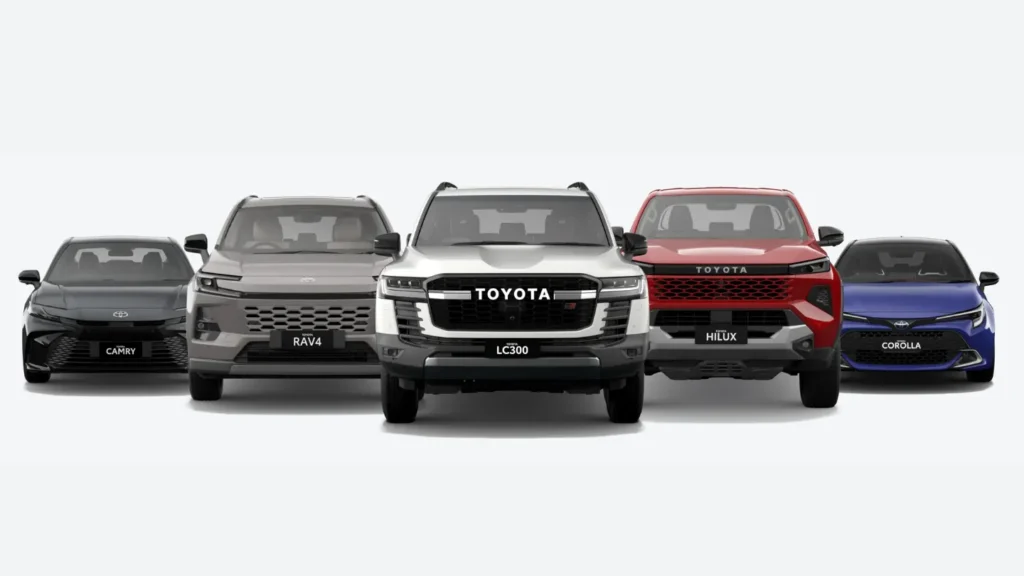
Toyota Motor Corporation Australia emerges as the single largest generator of NVES units, accumulating 2,890,625 credits across 115,504 covered vehicles, the largest fleet in the dataset by a considerable margin. The result reflects Toyota’s aggressive push into hybrid technology, which counts favourably under the standard’s methodology.
BYD, the Chinese electric vehicle giant, is making its presence felt through two separate Australian entities. BYD Auto Co. Ltd generated 4,234,294 units from 26,129 vehicles, while BYD Auto Industry Company Limited added a further 2,048,530 from 13,474 vehicles, a combined 6.28 million credits that underscores just how potent a pure-EV lineup is under the current rules.
Tesla, Inc. contributed 2,212,093 units from 13,907 covered vehicles, ranking among the strongest per-vehicle performers. Meanwhile, Volkswagen AG (510,249 units), Kia Motors Corporation (729,698 units), and Ford Motor Company of Australia (426,261 units) round out a cohort of legacy brands adapting successfully to the new regime.
Read more: First NVES results show industry meets 2025 targets
Porsche, Mazda and Hyundai face growing bills
Not every manufacturer has kept pace. Mazda Motor Corporation has accumulated the largest single liability in the dataset, recording 508,517 units owed across 38,465 vehicles, a figure that will require either fleet improvement or credit purchasing to resolve. Hyundai Motor Company faces 84,563 units in liabilities from 39,863 vehicles, a result at odds with the brand’s broader electrification narrative globally.
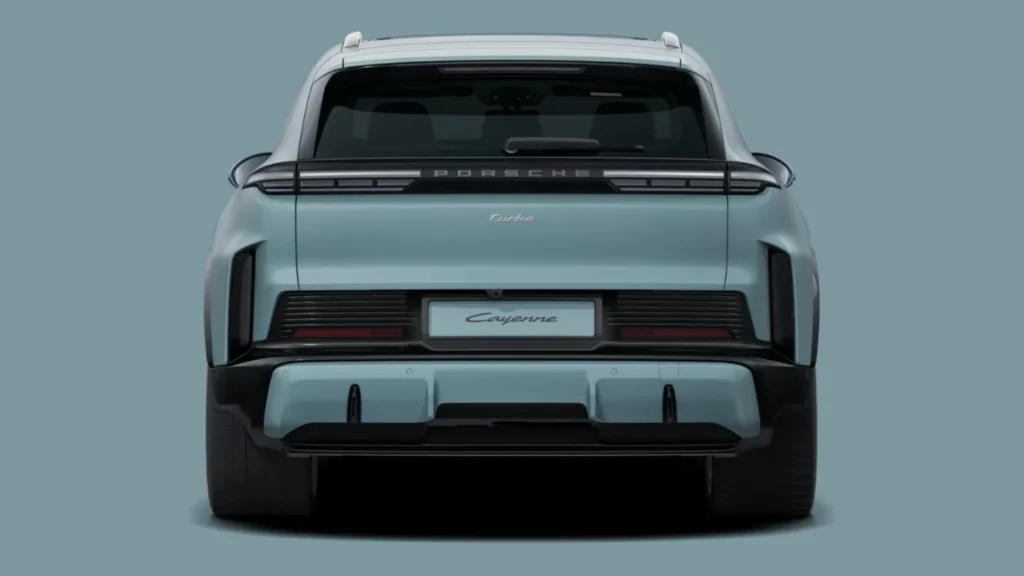
Dr. Ing. h.c. F. Porsche Aktiengesellschaft has accrued 33,448 liability units from just 1,653 covered vehicles, reflecting the carbon intensity of its high-performance combustion lineup. Ferrari S.p.A. (15,785 units from 108 vehicles), Aston Martin Lagonda (13,877 units from 105 vehicles), and Rolls-Royce Motor Cars (4,497 units from 34 vehicles) also sit in the red, though their small volumes mean the absolute financial exposure remains modest.
General Motors Australia and New Zealand Pty Ltd recorded liabilities of 65,855 units from 1,552 vehicles, a particularly high per-vehicle intensity that will likely draw scrutiny. Honda Motor Company Limited also sits on the wrong side of the ledger with 26,069 units from 9,022 vehicles.
A market in transition
The data, which covers 60 regulated entities and is current as of 1 February 2026, paints a picture of an industry in the midst of significant structural change. Chinese brands, led by BYD and Chery Automobile Co. (438,633 units), are outperforming on emissions credentials, while several established European and Japanese nameplates find themselves exposed by the growing weight given to electrified vehicles.
Notably, Subaru Corporation has accumulated 139,635 liability units from 13,187 vehicles, and Nissan Motor Co. (Australia) Pty Ltd faces 215,261 units, results that suggest neither brand’s hybrid and EV offerings are yet landing in sufficient volumes to offset the rest of their fleet.
NVES units generated by overperformers can be banked, traded, or used to offset liabilities. The scheme is designed to progressively tighten, meaning manufacturers currently in credit today have a buffer against stricter future targets, while those accumulating liabilities face a narrowing window to clean up their books before penalties apply at the end of the compliance period.
Industry observers note that the interim nature of the figures means the final tally could shift materially before the 2025 performance period closes. Nonetheless, the direction of travel is clear; manufacturers with strong EV and hybrid lineups are set to profit from the new framework, while those still heavily reliant on combustion engines face a reckoning that regulatory relief will not easily defer.

Comments
New Comment