




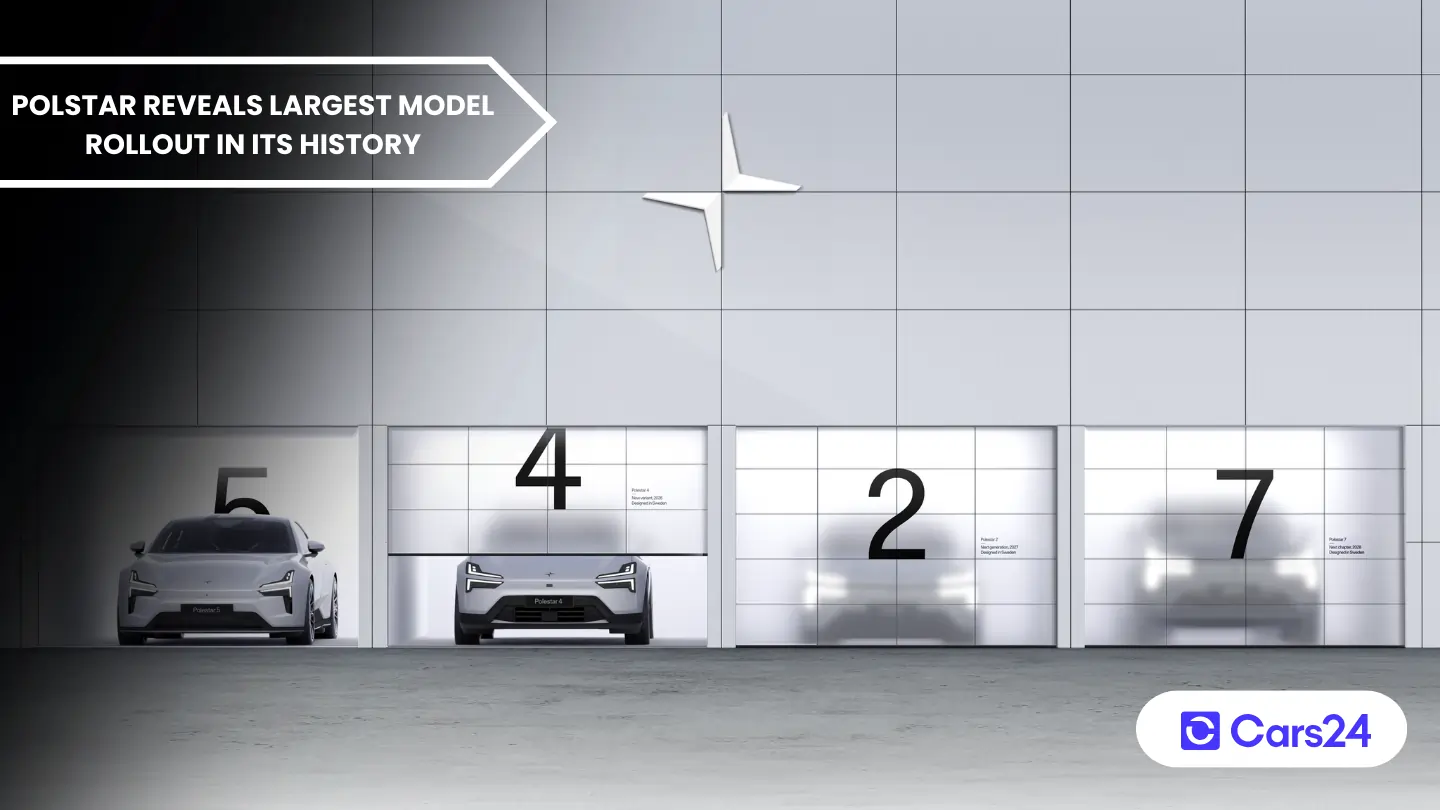
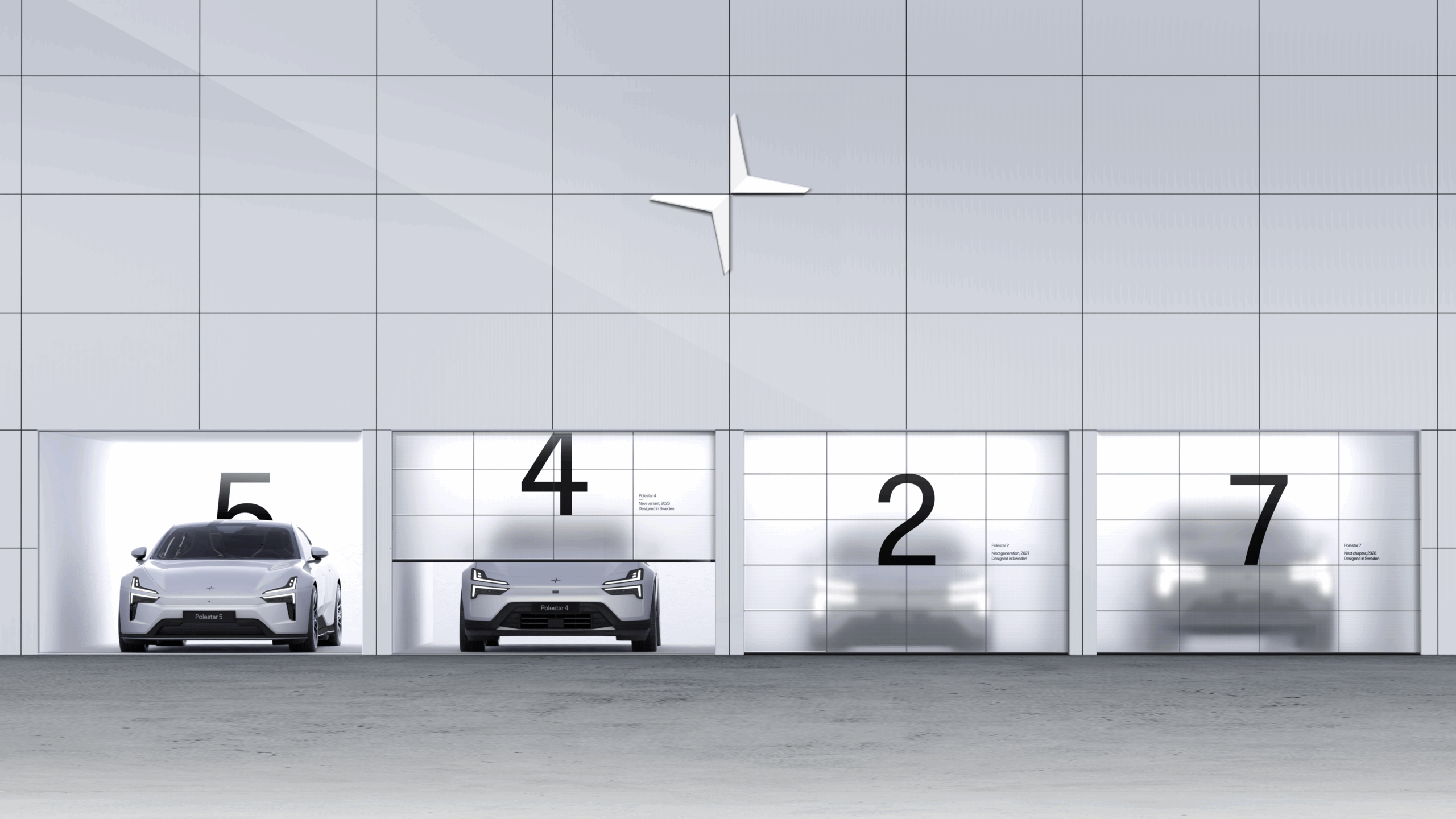
Polestar has teased what it calls the “largest model offensive in its history”, previewing 4 new electric vehicles set to arrive globally over the next 3 years as it targets higher-volume and more profitable market segments.
Headlining the rollout is a more practical variant of the Tesla Model Y-rivalling Polestar 4, alongside a sleek new-generation Polestar 2 liftback and the brand’s smallest SUV yet, the Polestar 7.
Following the launch of the Polestar 5 grand tourer in Australia, midway through 2026, priced from $171,100 before on-road costs. The Geely-owned Swedish brand says European deliveries of a new Polestar 4 variant will begin in the 4th quarter of 2026.
This will be followed by the next-generation Polestar 2 in 2027, before the Polestar 7 compact SUV arrives in 2028.
 +1 Photos


More practical Polestar 4 revealed
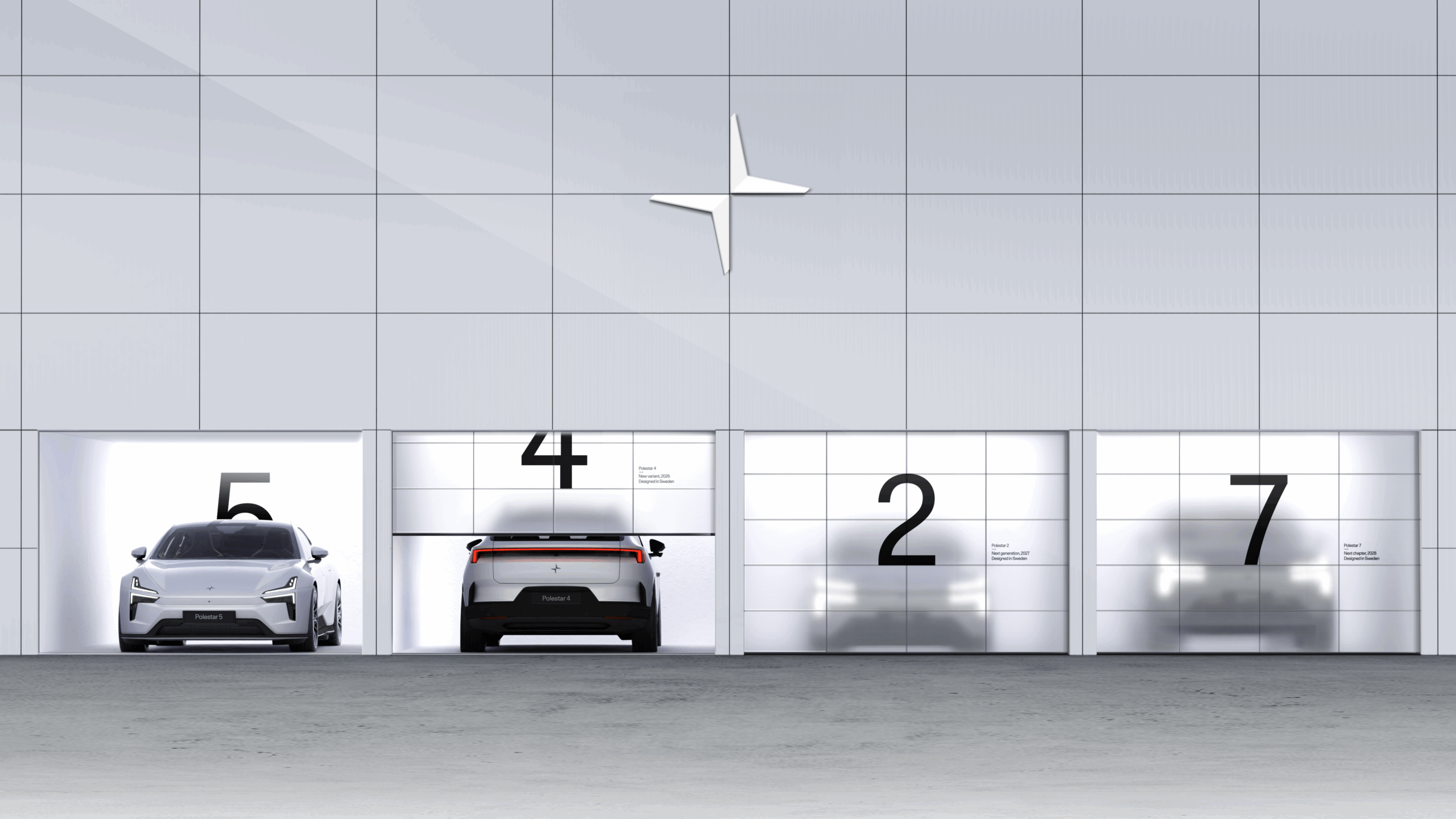
Polestar says the new Polestar 4 variant will appeal to a broader customer base by offering “more versatility”, blending “the space of an estate and the versatility of an SUV”, a nod to Sweden’s long-standing wagon heritage.
Teaser images suggest the new version will feature a more upright rear design, a conventional tailgate, and crucially, a rear window. This addresses one of the key criticisms of the existing Polestar 4, which deletes the rear window entirely and relies on cameras and mirrors for rearward visibility.
Aside from the revised rear styling, the new Polestar 4 variant appears closely related to the current coupe-style SUV, retaining a similar belt line and full-width rear light bar.
Next-generation Polestar 2 on the way
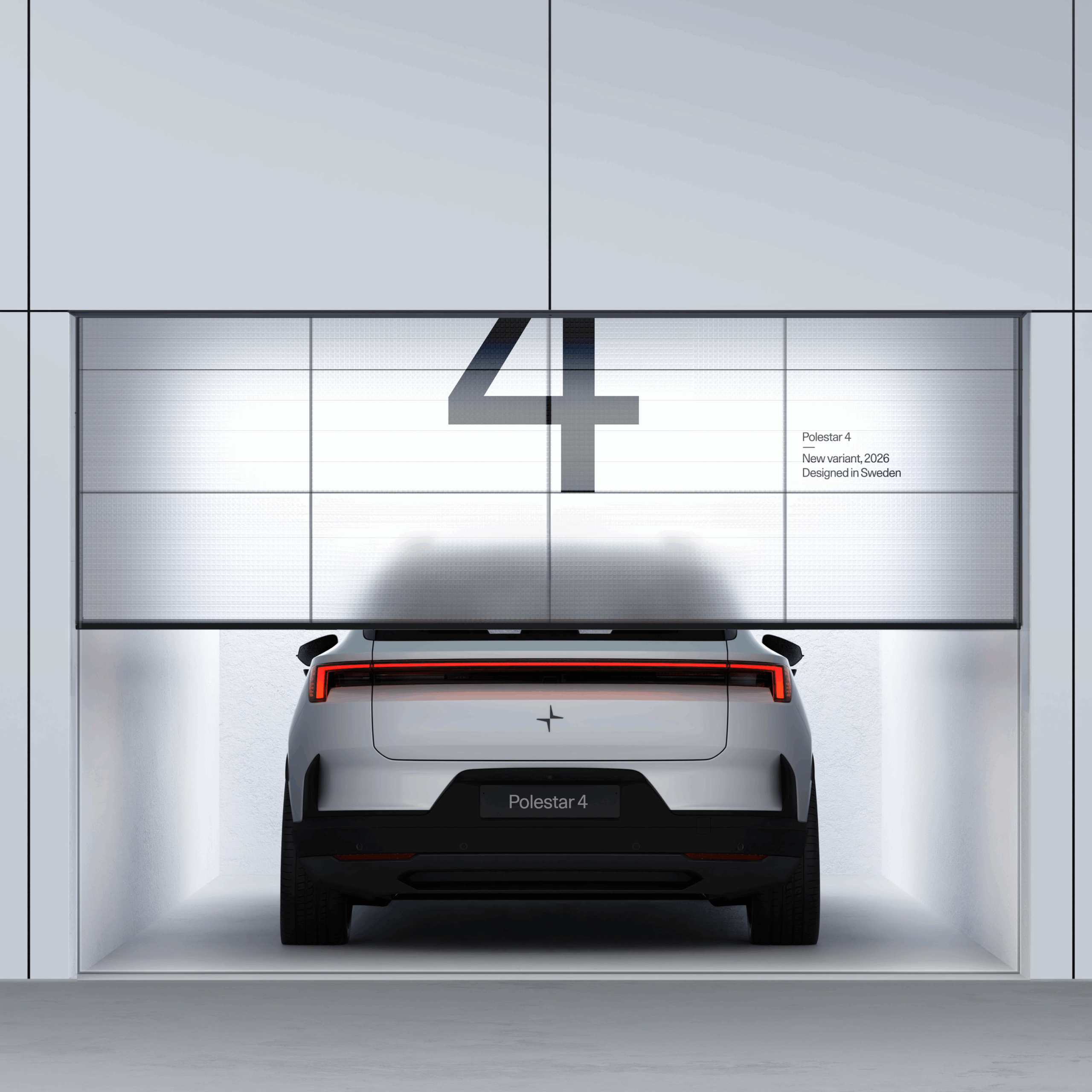
A shadowy teaser of the next Polestar 2 suggests a significantly sleeker and lower profile than the current model, with styling cues aligned more closely to the forthcoming Polestar 5.
While full details remain under wraps, the new Polestar 2 appears to feature an updated version of the brand’s split-level LED daytime running lights, hinting at a more modern and aerodynamic design.
The current Polestar 2 entered production in 2020, making it the oldest model in the brand’s lineup, and its replacement is expected to mark a major step forward in design, technology, and efficiency.

Polestar 7 to become the brand’s smallest SUV
Rounding out the future lineup is the Polestar 7, a compact electric SUV due in 2028. It will be built at a new Volvo Cars factory in Slovakia and share key components with Volvo models, including electric motors and core EV architecture.
The Polestar 7 is expected to play a crucial role in boosting global sales volumes, competing directly with small premium electric SUVs such as the Smart #3 and other compact EV crossovers.

Sales growth and expanding retail network
Polestar says it expects to grow global sales volumes by low double-digits this year, while expanding its retail footprint by around 30 per cent.
While the Porsche Taycan-rivalling Polestar 5 will serve as a halo model, it is not expected to contribute significantly to overall sales volumes, especially as it won’t be sold in China or the US, the world’s two largest EV markets. Unlike other Polestar models, it will ride on a bespoke lightweight bonded aluminium platform.
There was no update on the previously previewed Polestar 6 electric convertible, which was delayed last year and is now expected to launch after the Polestar 7, sometime beyond 2028.
Strong momentum in Australia
Polestar has already confirmed that 2025 was its strongest year yet globally, supported by the rapid expansion of its model range.
In Australia, sales climbed 38.5 per cent last year following the introduction of the Polestar 3 large SUV and Polestar 4 mid-size SUV. While both new models posted solid growth, Polestar 2 sales declined by 48.9 per cent, underlining the importance of its upcoming replacement.
Polestar also continues to face increasing competition within the Geely Group, with Zeekr gaining momentum following the launch of the mid-size 7X electric SUV, and internal rivals such as Lotus and Smart targeting similar segments.
Polestar is betting that a broader, more versatile lineup will underpin its next phase of global growth.

Comments
New Comment