




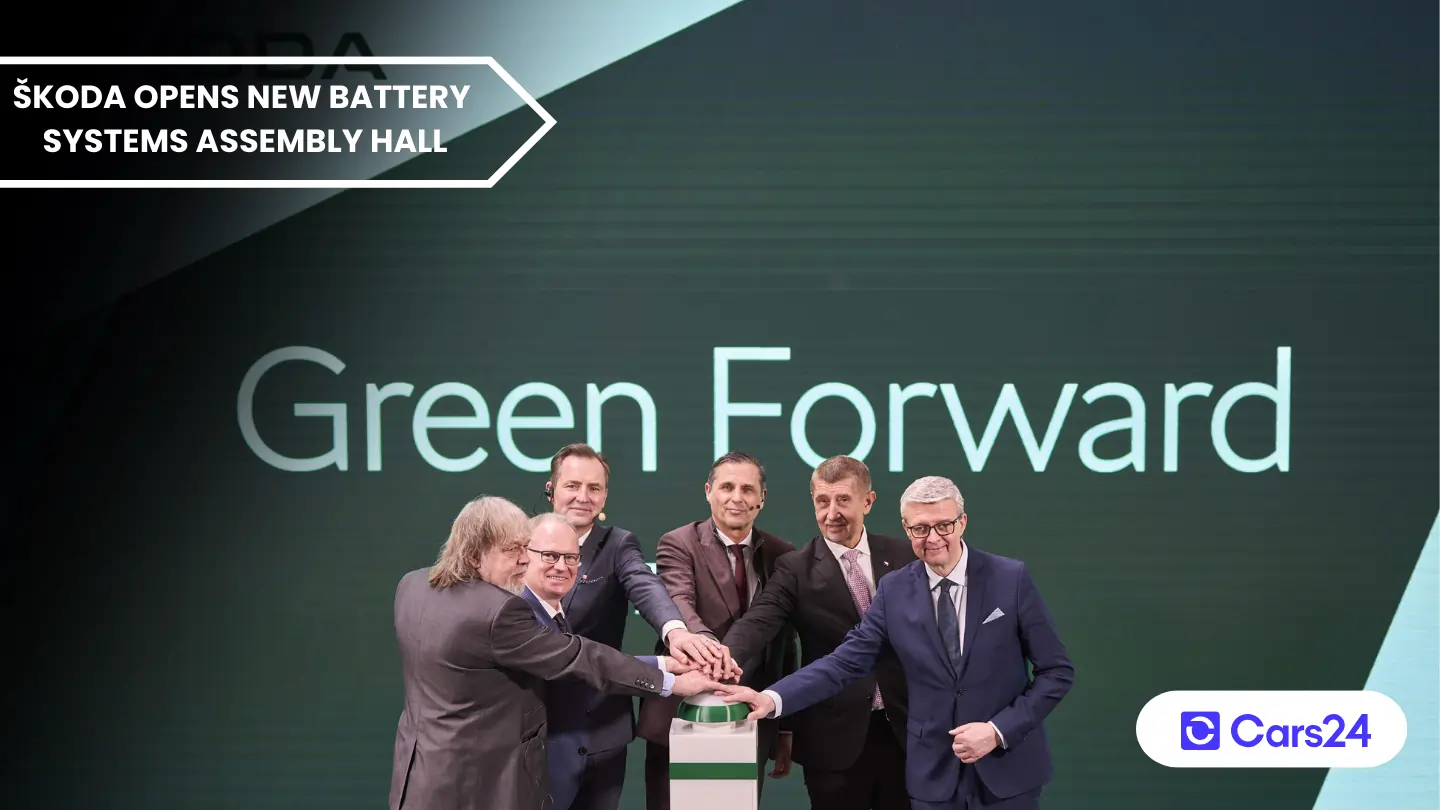
Škoda Auto has opened a major new battery assembly facility in Mladá Boleslav, becoming the largest producer of BEV battery systems within the Volkswagen Group, the parent company of Volkswagen, Audi, Cupra and Škoda in Australia.
While the investment is in Europe, the implications could extend to Australia as the Group works to scale EV production and reduce costs globally.
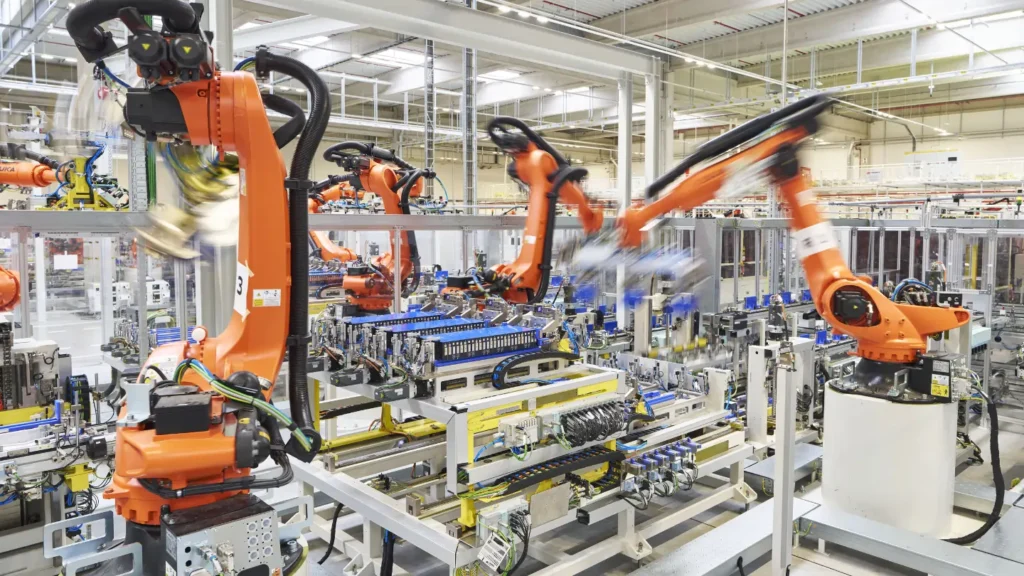
Backed by a €205 million (around A$340 million) investment, the 55,000 m² facility can assemble one battery system every 60 seconds, equating to more than 1,100 units per day or up to 335,000 annually. It is also the first Volkswagen Group plant in Europe to produce cell-to-pack battery systems at scale.
Why does this matter for Australia?
Although no Australia-specific allocation has been confirmed, several factors make the development relevant:
- Lower battery costs: Škoda claims the move to cell-to-pack construction and LFP (lithium iron phosphate) chemistry cuts battery product costs by around 30 per cent compared with current MEB systems.
- Improved supply security: Greater in-house production reduces reliance on external suppliers, which may improve vehicle availability.
- Future model pipeline: Upcoming Volkswagen Group EVs for Australia could adopt this battery architecture.
Given ongoing pressure on EV pricing in Australia, any meaningful reduction in battery costs, the single most expensive component in an electric vehicle, is strategically significant.
What is cell-to-pack?
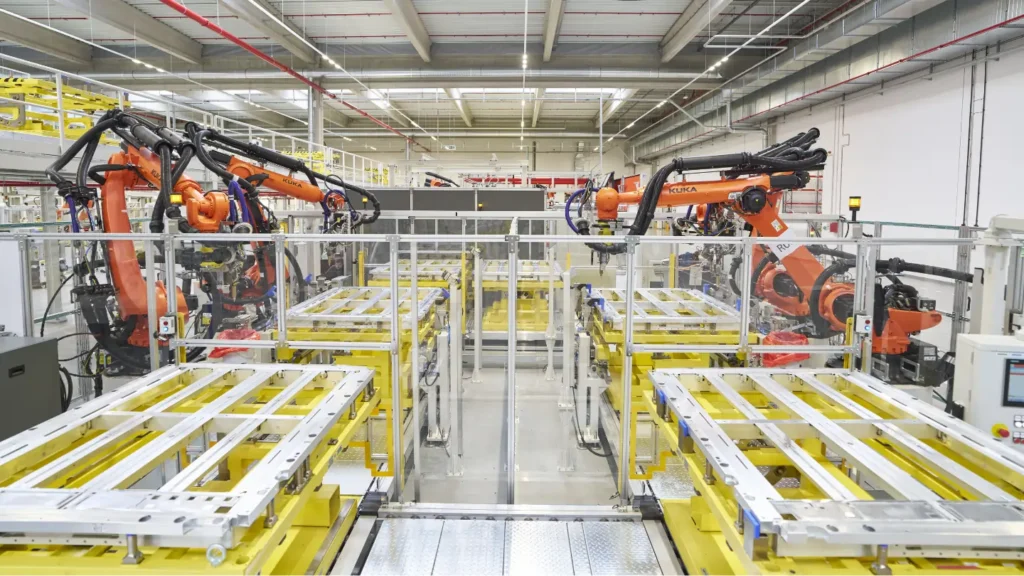
The new system eliminates traditional battery modules and integrates cells directly into the pack structure. The benefits typically include:
- Simplified manufacturing
- Reduced weight
- Lower material costs
- Improved packaging efficiency
The facility operates at 84 per cent automation and uses 131 industrial robots, reinforcing the Group’s strategy to industrialise battery production at scale within Europe.
Impact on future Volkswagen Group EVs here
Škoda has indicated the new line will support high-volume electric vehicles across multiple Group brands. In Europe, recent growth has been driven by models such as the Škoda Elroq, with further EVs planned, including the entry-level Škoda Epiq and the larger Škoda Peaq.
For Australia, this development is best viewed as part of the broader Volkswagen Group electrification strategy rather than immediate product news. However, as the Group works to bring down EV production costs and scale battery supply, the flow-on effects could support sharper pricing and improved availability for future models sold locally.
At this stage, no Australian rollout timeline for vehicles using the new cell-to-pack batteries has been announced.

Comments
New Comment