




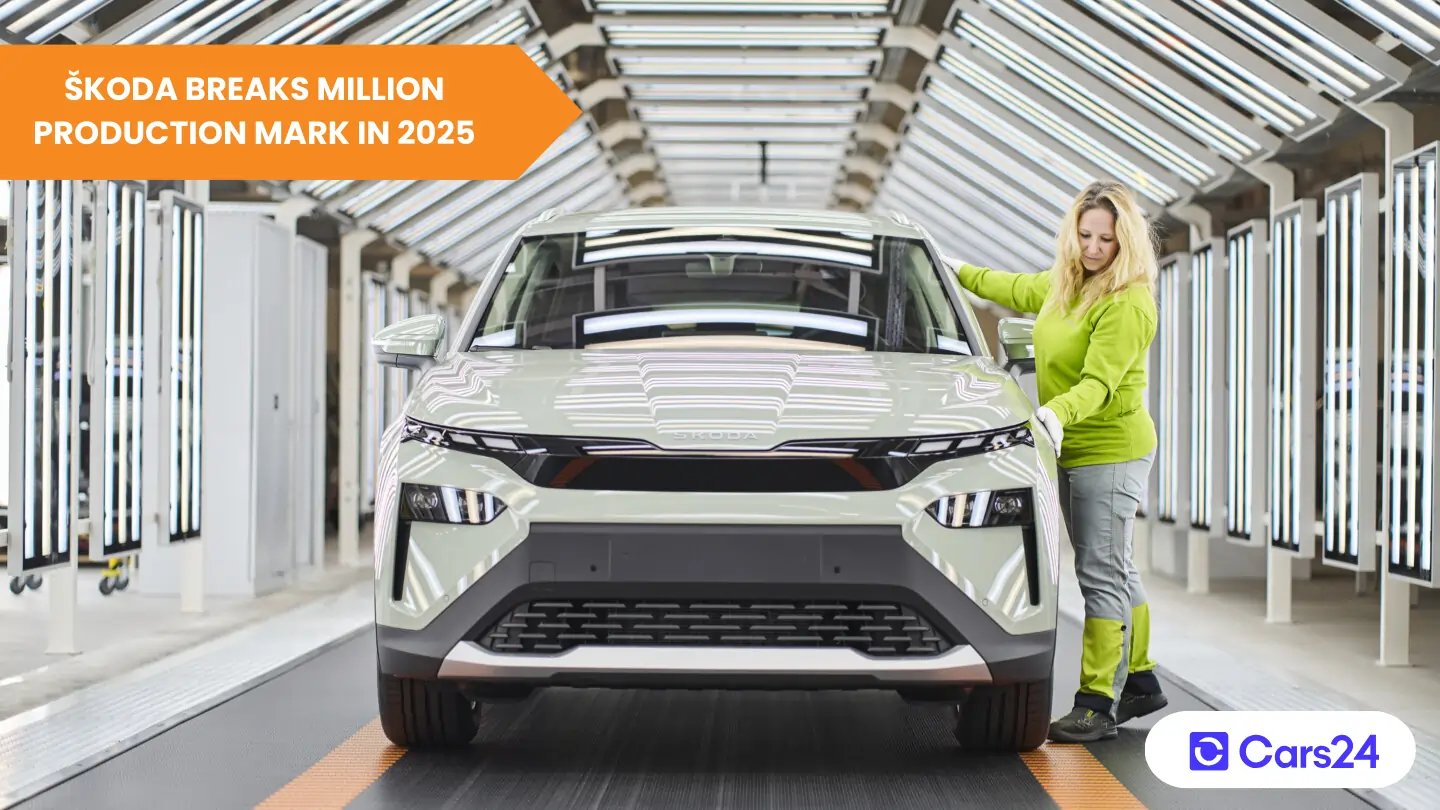
Škoda Auto has recorded its strongest production result in six years, building more than one million vehicles globally in 2025. While Australia is not directly referenced in the manufacturing expansion, the numbers paint an important picture for local buyers, dealers and fleet operators assessing the brand’s long-term prospects, particularly as electrification gathers pace.
Škoda builds more than one million vehicles in 2025
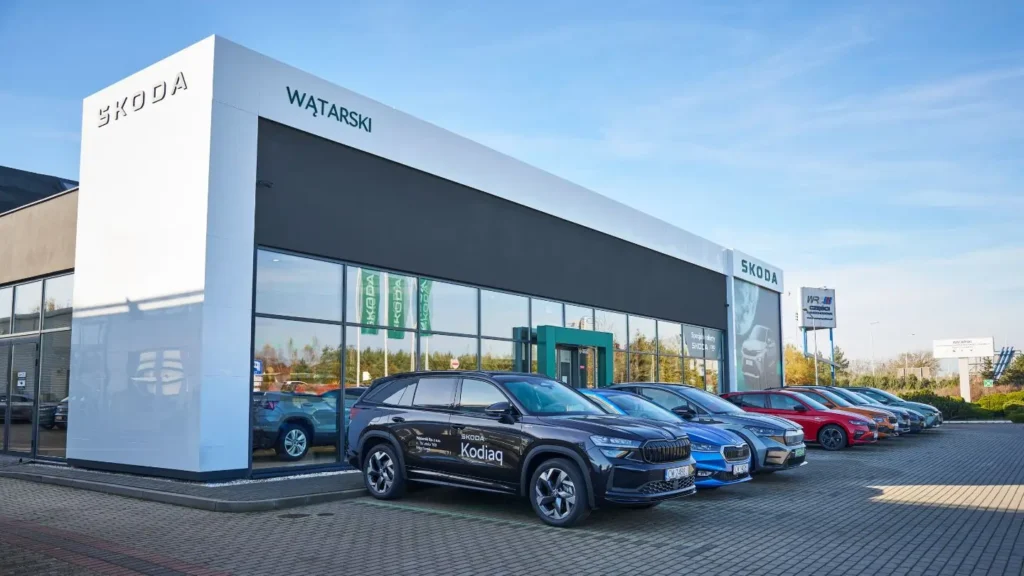
Škoda Auto produced 1,065,000 vehicles worldwide in 2025, a 15 per cent increase year on year, marking its first return above the one-million mark since 2019. The milestone reflects the payoff from production capacity investments made in 2024, combined with strong global demand for SUVs and electric vehicles.
For Australia, where Škoda remains a niche but growing brand, this scale matters. Strong global production underpins parts availability, warranty confidence and model continuity, all of which are key considerations in smaller right-hand-drive markets.
EV production accelerates, but Australia is still waiting
Electric vehicles were a major contributor to Škoda’s production growth. The new Škoda Elroq electric SUV, which entered series production in January 2025, reached 112,500 units by year-end. The larger Škoda Enyaq followed with 77,000 units produced.
Neither model is currently offered in Australia, but the volumes indicate that Škoda’s EV program is moving beyond low-volume rollout into mainstream-scale production. For Australia, this strengthens the case for future EV introductions, particularly as the local market continues to shift away from combustion power.
The Czech brand also built more than 329,000 battery systems for its own electric and plug-in hybrid vehicles, as well as for other Volkswagen Group brands, a sign of deeper integration within the group’s global EV strategy.
Flexible manufacturing supports markets like Australia
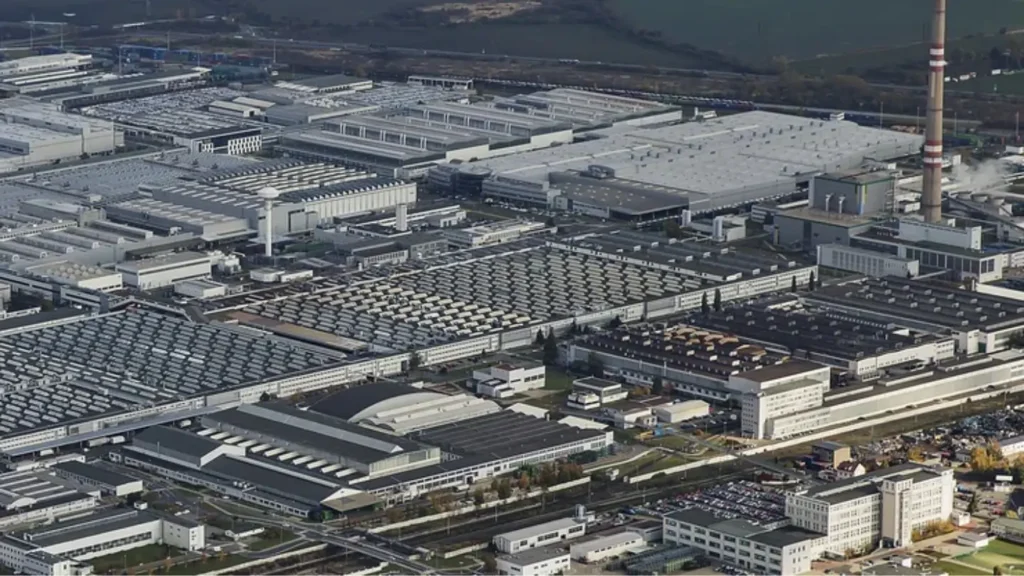
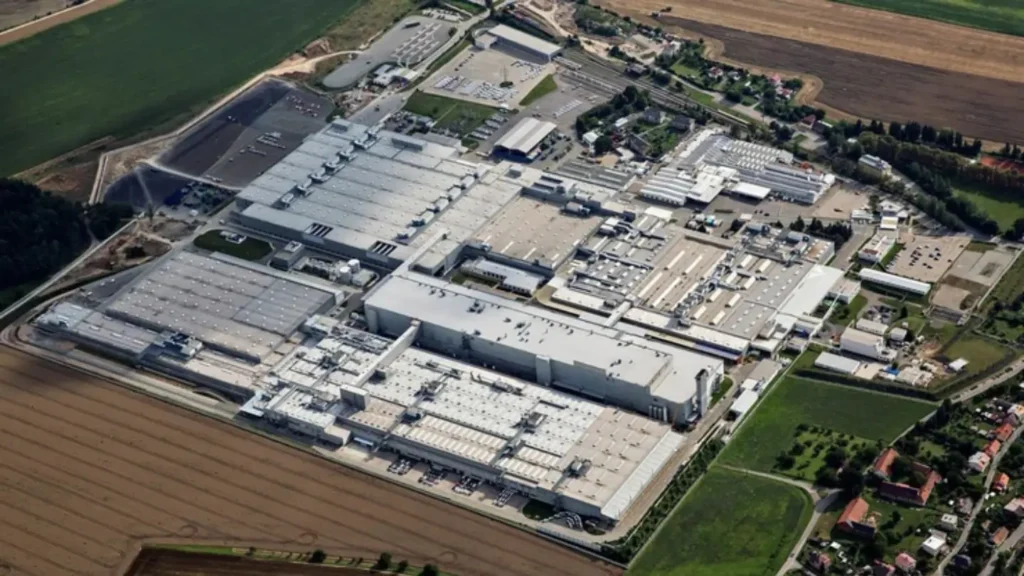
At Škoda’s main Mladá Boleslav plant, ICE vehicles on the MQB platform and electric vehicles on the MEB platform are built side by side on the same production line, a level of flexibility unique within the Volkswagen Group.
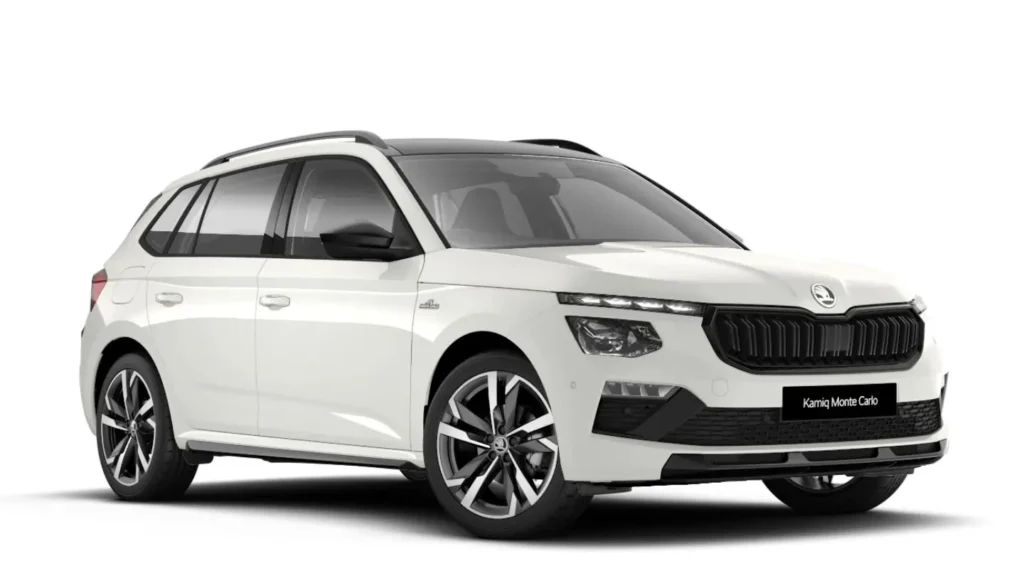
This approach is especially relevant to Australia, where EV adoption is rising but remains well below European levels. The ability to adjust production mix quickly helps ensure continued supply of petrol-powered models such as Octavia, Kamiq and Kodiaq, while also enabling a smoother transition to EVs when demand increases locally.
Strong output of Australian-relevant models
Škoda’s European plants continue to produce the brand’s core Australian lineup in healthy numbers:
- Octavia, Kamiq and Enyaq production in Mladá Boleslav
- Kodiaq and Karoq output expanded at the Kvasiny plant, with the Kodiaq becoming the one-millionth vehicle built there in 2025
- Superb production increased at the Bratislava plant in Slovakia
These models form the backbone of Škoda Australia’s range, and their ongoing production scale provides reassurance around future availability and lifecycle support.
Global expansion targets Asia, not Australia- For now
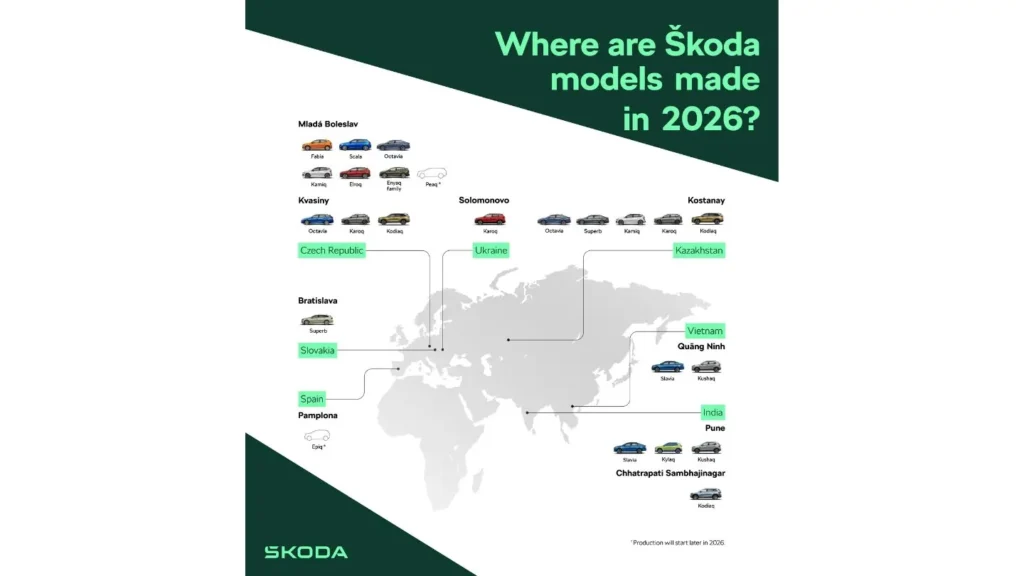
Škoda’s international growth is being driven by India and Southeast Asia, not Australia. Production in India more than doubled to 73,800 vehicles, led by the new Kylaq SUV, while a new Vietnamese plant began assembling Slavia and Kushaq models from CKD kits.
While these moves do not directly benefit Australia, they improve Škoda’s cost efficiency, global reach and resilience, factors that indirectly support smaller markets by strengthening the parent company’s balance sheet.
What does this mean for Australia?
For Australian buyers, Škoda’s 2025 production surge does not translate into immediate price cuts, local manufacturing or confirmed new EV launches. However, it does deliver several important signals:
- Long-term brand stability in Australia
- Strong backing from the Volkswagen Group
- Increasing likelihood of future EV introductions once local demand and infrastructure align
- Continued supply of key ICE and hybrid models during the transition period
In short, Škoda’s global momentum in 2025 reinforces confidence in the brand’s Australian future, even if the most tangible local benefits, particularly in electric vehicles, are still a step or two away.

Comments
New Comment