




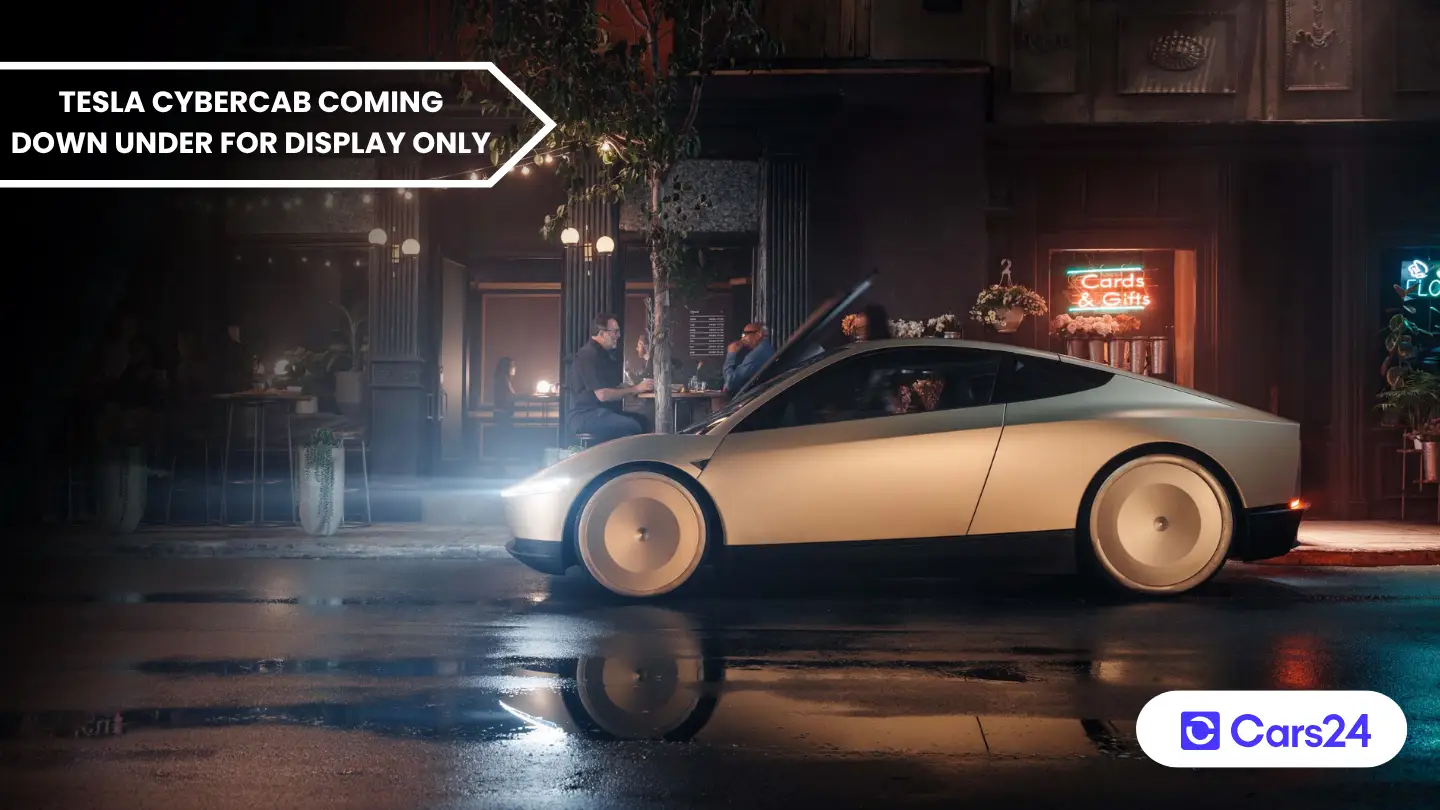
Key highlights:
- Tesla Cybercab begins its Australian showroom tour on 21 September in Sydney
- The steering-wheel-free robotaxi won’t operate on Australian roads
- Tesla wants the tour to promote its existing supervised FSD technology
Tesla is bringing its futuristic two-seater autonomous Cybercab taxi to Australia and New Zealand, but don’t expect to see one picking up passengers on local streets, as it will tour selected showrooms as a static display, giving Australians their first look at the steering-wheel-free robotaxi.
The wirelessly charging butterfly-door electric taxi is already giving passenger rides in limited areas of Austin, Texas, and it cannot operate locally because the Australian Design Rules (ADRs) strictly mandate that registered road vehicles must have physical steering wheels and pedals.
Cybercab arrives in Australia next week
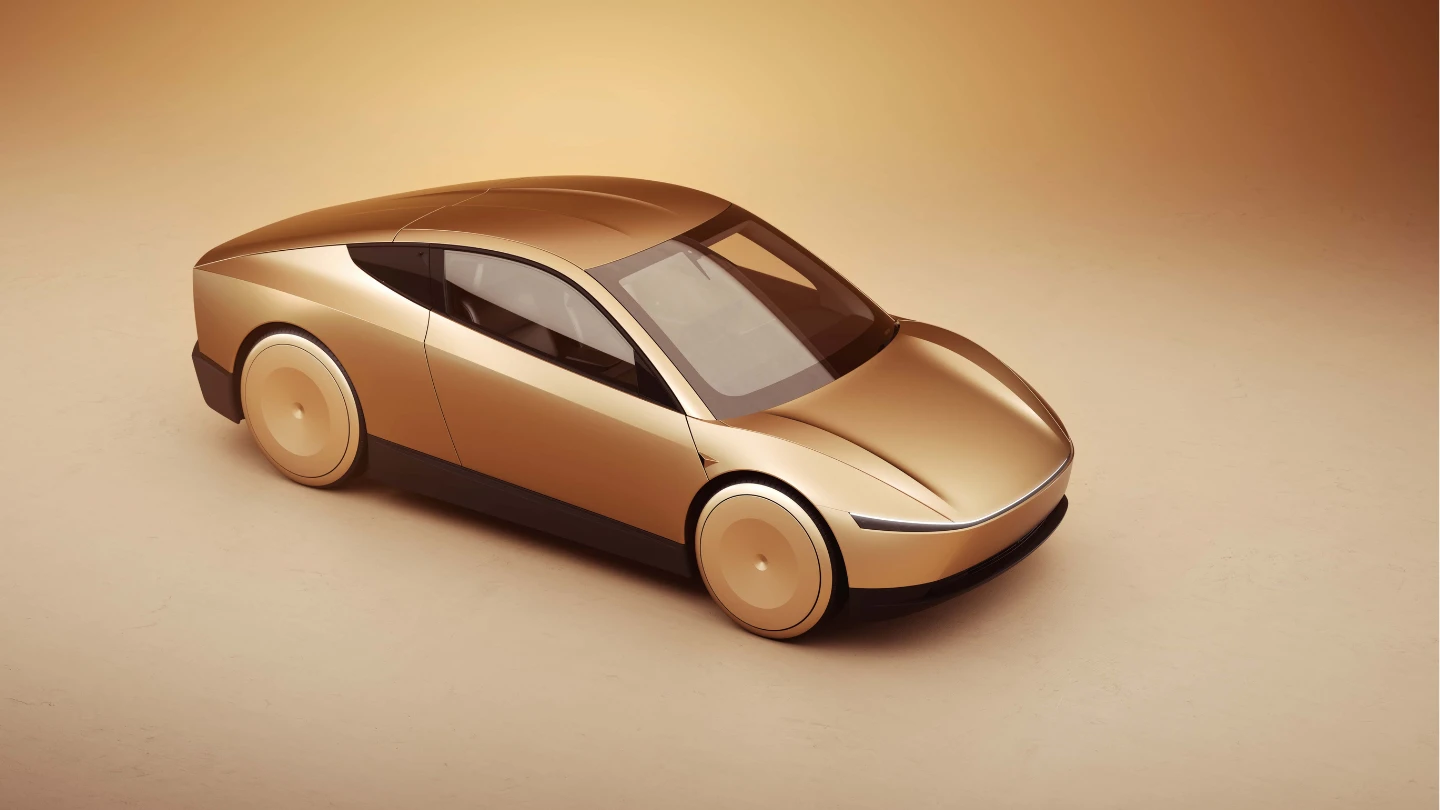
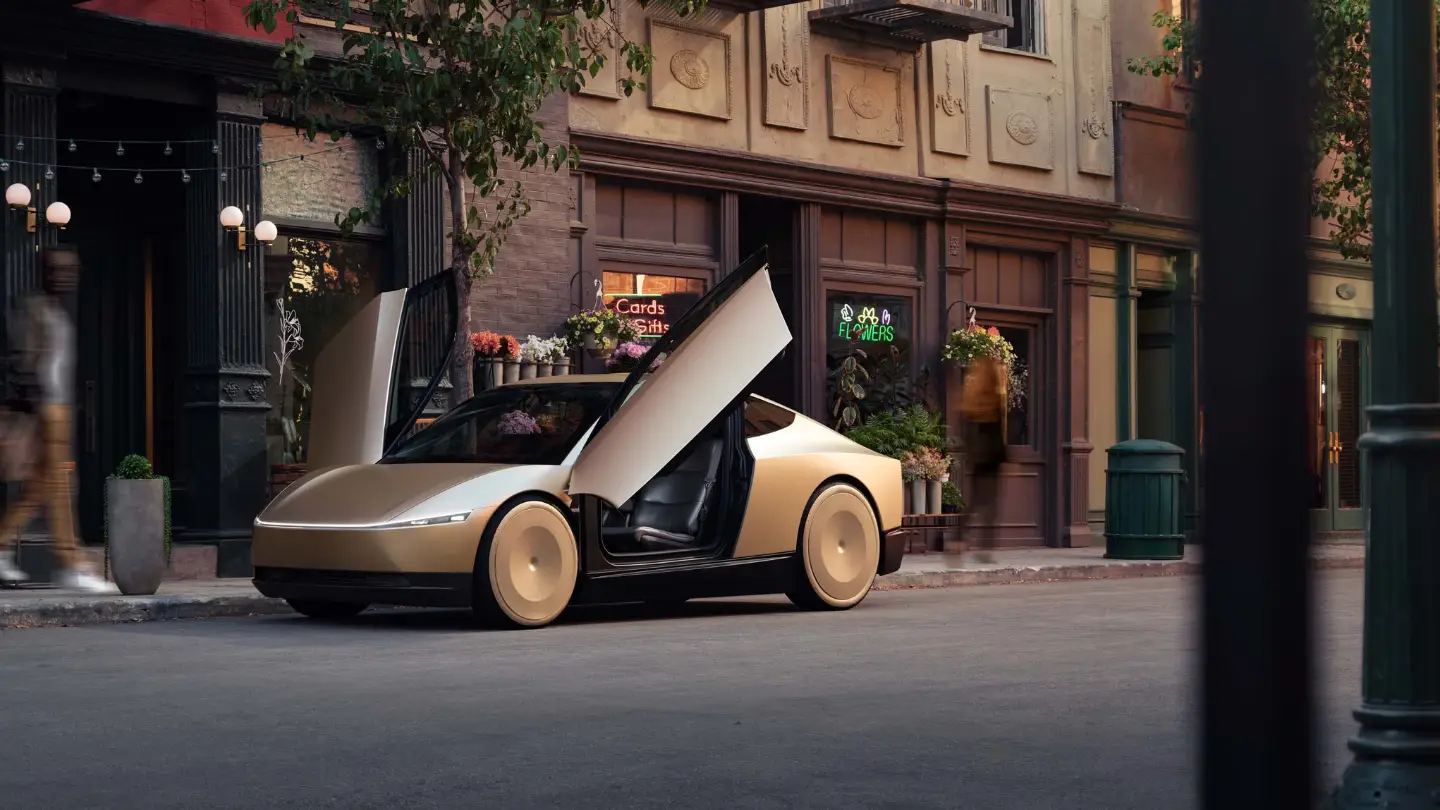
The Tesla Cybercab will begin its Australian tour in Sydney on Monday, 21 September, but the brand has not confirmed the exact dates for cities beyond Sydney yet, and it also hasn’t revealed how long the Cybercab will stay at each location.
The tour is understood to mark the Cybercab’s first appearance in the Southern Hemisphere.
| Cybercab tour location | Timing |
|---|---|
| Sydney | From 21 September 2026 |
| Brisbane | October 2026 |
| Gold Coast | October 2026 |
| Canberra | October 2026 |
| Melbourne | November 2026 |
| Perth | December 2026 |
The Cybercab won’t operate as a robotaxi during its Australian visit, and the EV company will only keep it as a static showroom display.
Tesla also has no confirmed plans to introduce the Cybercab to Australian roads. The Federal Government continues to develop regulations for autonomous vehicles, and those rules will shape what Tesla can eventually do with the vehicle locally.
What exactly is the Cybercab?
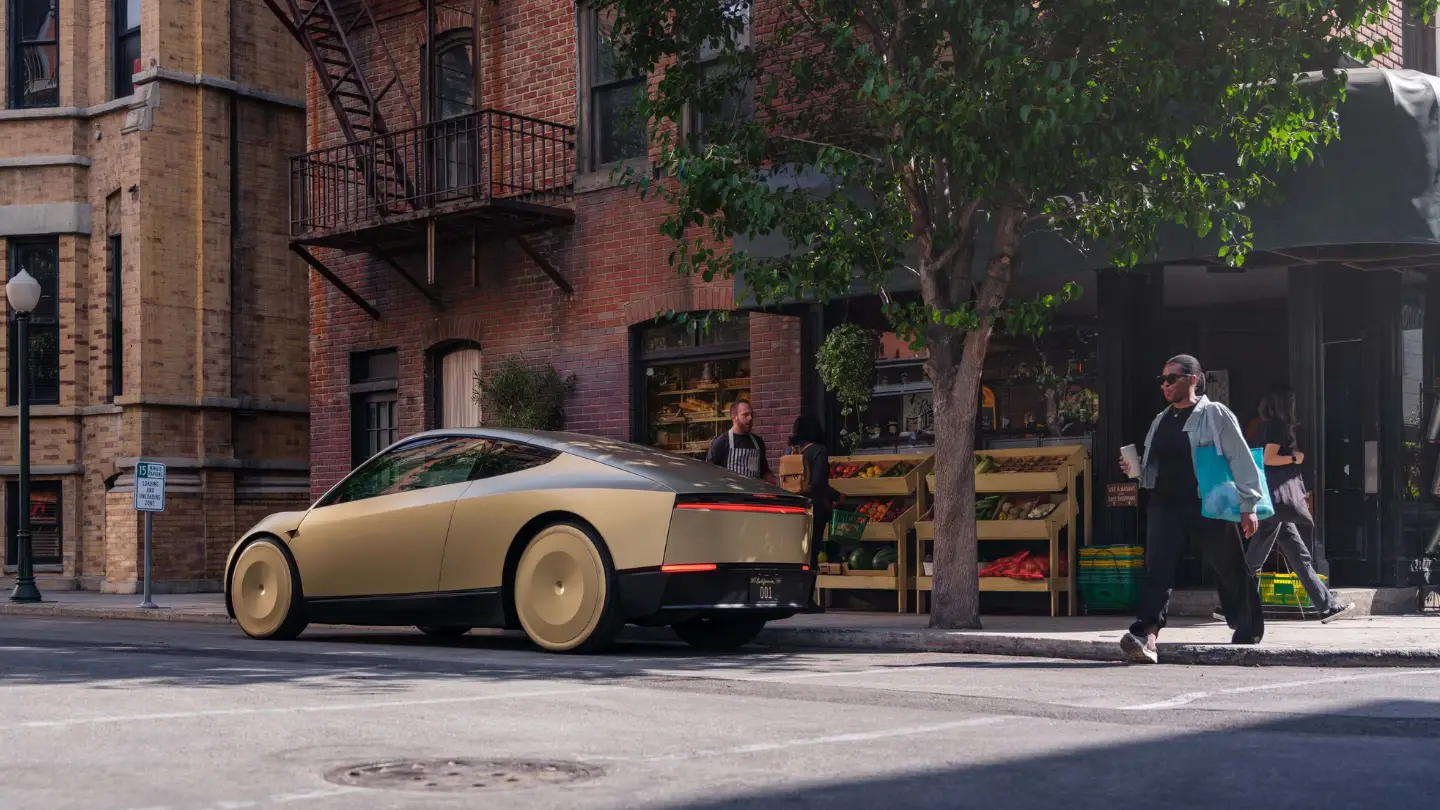
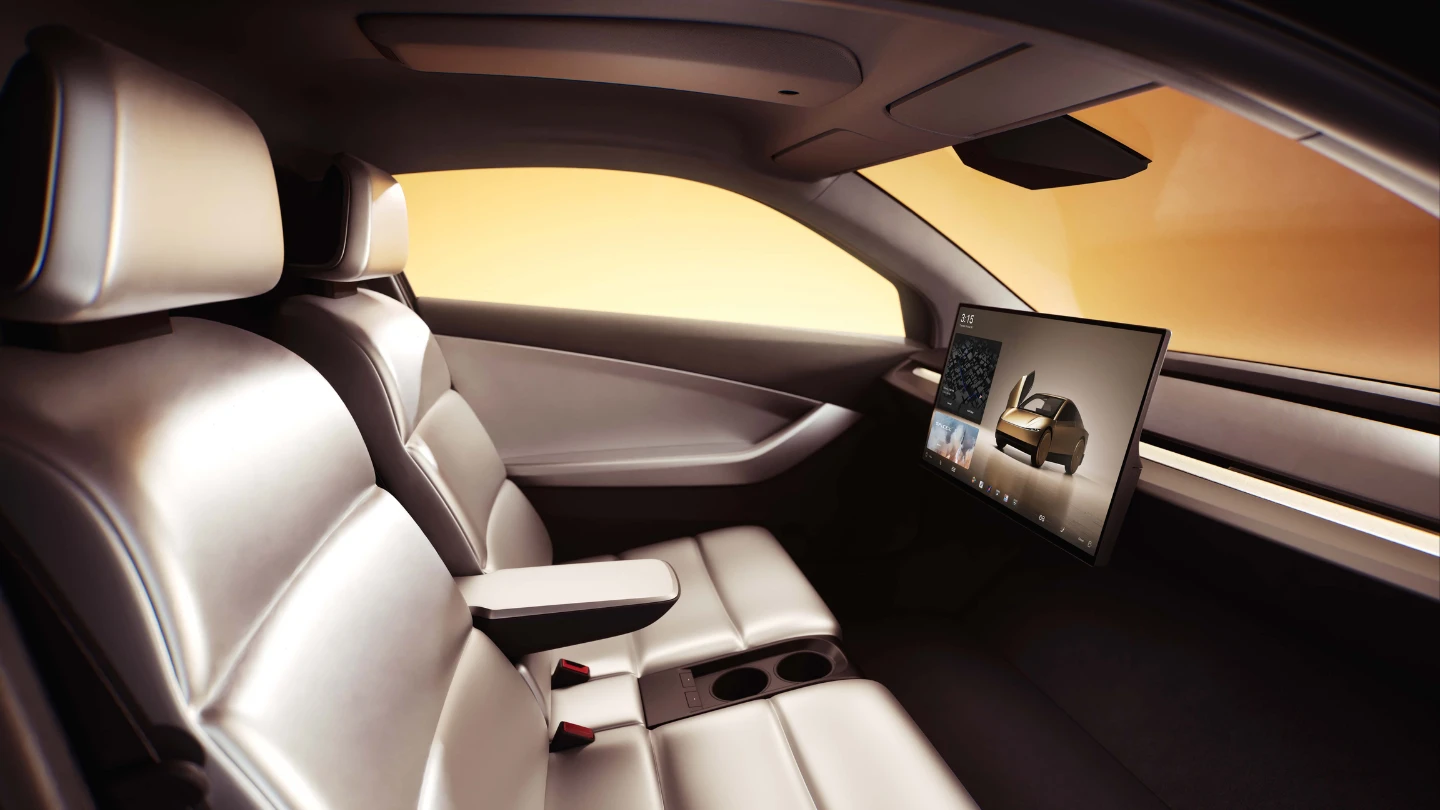
Tesla revealed the driverless Cybercab EV in 2024 as a compact, two-seat coupe designed specifically for autonomous driving and, unlike conventional cars, it doesn’t have a steering wheel or pedals. Tesla designed the vehicle around autonomous operation using its Full Self-Driving (FSD) software, rather than building it around human driving controls.
That makes the Cybercab fundamentally different from Tesla’s current Model 3 and Model Y, which retain conventional driving controls and currently offer FSD in supervised form.
Tesla has already taken the first step towards putting the Cybercab concept into commercial use, as paid taxi rides in a small fleet of Cybercabs have already begun in Austin, Texas, earlier this month. Tesla plans a broader rollout across the United States once local regulations allow it.
Also read: Second-gen Tesla Roadster reveal finally confirmed for Oct 1
Waymo is also eyeing Australian roads
Tesla isn’t the only company pursuing autonomous taxis in Australia. Rival Waymo, founded by Google, operates autonomous taxis based on electric cars originally designed for human driving, and its commercial EVs use additional sensors that Tesla has chosen not to use.
Waymo is currently in talks with the NSW Government about trialling driverless vehicles on local roads. That gives Australia two very different approaches to autonomous taxi technology: Tesla’s purpose-built Cybercab and Waymo’s sensor-equipped versions of conventional electric cars.
Tesla wants Australians thinking about FSD
The Cybercab tour also serves another purpose for Tesla. The company wants to build awareness of its Full Self-Driving software, which Australians can already purchase in Supervised form for the Model 3 and Model Y.
Tesla Australia country director Thom Drew said, “When people see Cybercab at our locations, we want them to understand they are looking at the future of the same autonomous technology they can already experience with Full Self-Driving (Supervised).”
For now, then, the Cybercab’s Australian debut is strictly a look-but-don’t-ride affair, as Tesla is bringing the robotaxi concept to showrooms, not Australian roads.

Comments
New Comment