




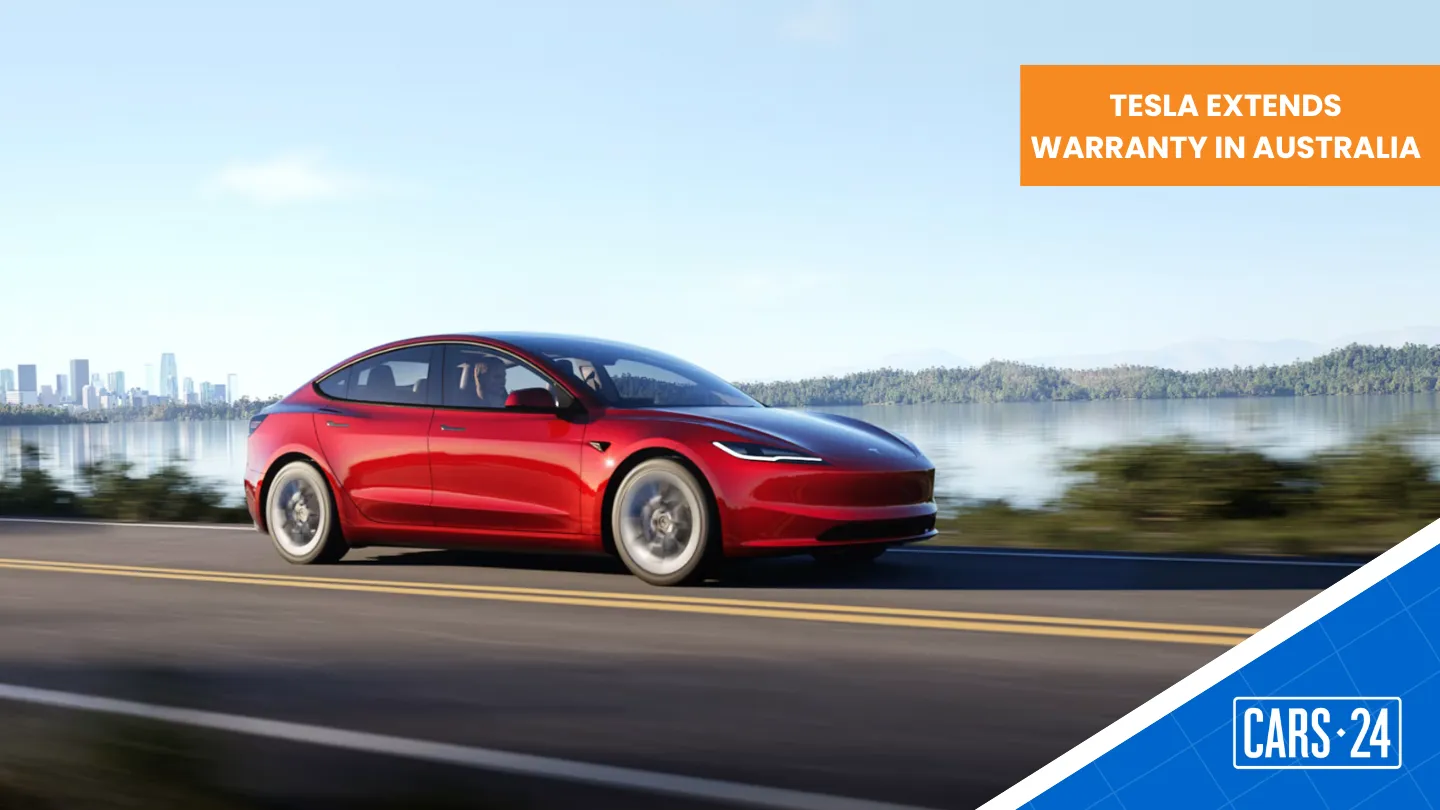
Tesla has finally extended the warranty coverage for private passenger cars in Australia delivered after January 1, 2026. The EV-only brand now offers a 5-year, unlimited-kilometre warranty as standard and includes five years of 24/7 roadside assistance. This replaces the previous 4-year, 80,000km basic warranty.
New 5-year Tesla warranty details
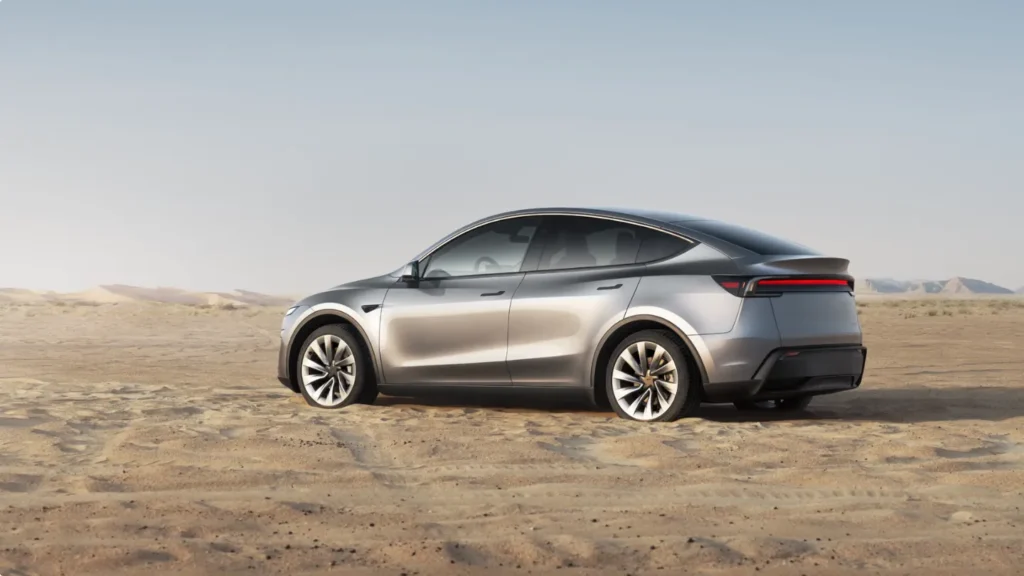
For private EV owners, Tesla now offers five years or unlimited kilometres of warranty coverage, whichever comes first. For vehicles used commercially, such as ride-share (Uber), taxis, delivery vehicles, or rentals, the coverage is five years or 150,000km, whichever comes first.
This updated warranty coverage applies to new Tesla Model 3 and Tesla Model Y vehicles delivered in Australia and New Zealand from January 1, 2026. Coverage includes major vehicle systems, paint durability, corrosion protection, and the multimedia and infotainment systems.
Roadside assistance
Roadside assistance has been extended to five years of 24/7 nationwide coverage, matching the new vehicle warranty. Tesla now also includes flat tyre support, where tow operators may carry loaner wheels to swap a damaged wheel on the spot. Assistance is available if the battery runs flat, but this is not usually financially covered unless the issue is caused by a warranty defect.
The warranty is linked to the VIN and fully transferable to the next owner if the car is sold privately.
New Tesla warranty vs. other EV warranty options
Tesla’s new 5-year, unlimited-kilometre warranty brings it in line with the industry average in Australia, but still lags behind several key EV rivals.
| Brand | Vehicle warranty | Battery warranty |
|---|---|---|
| Tesla | 5 years / Unlimited km | 8 years / 160k–192k km |
| MG | 10 years / 250,000 km (longest) | 10 years / 250,000 km (longest) |
| GWM/Chery | 7 years / Unlimited km | 8 years / Unlimited km |
| Kia | 7 years / Unlimited km | 7 years / 150,000 km |
| Hyundai | 7 years / Unlimited km | 8 years / 160,000 km |
| BYD | 6 years / 150,000 km | 8 years / 160,000 km |
Old warranty on a Tesla in Australia
Before January 1, 2026, Tesla’s core vehicle warranty in Australia covered four years or 80,000km, a policy introduced in February 2019. For a short period between March 2018 and February 2019, Tesla offered 8 years or 160,000km warranty before reverting to the shorter warranty period. Roadside assistance matched the basic warranty at four years.
Battery and drive unit warranty
The entry-level rear-wheel-drive Tesla Model 3 and Tesla Model Y vehicles are covered for eight years or 160,000km, while Long Range and Performance versions of both are covered for eight years or 192,000km. Tesla also guarantees that the battery will retain at least 70% capacity during the warranty period.
Other warranty coverage
The SRS (Supplemental Restraint System) airbags remain covered for five years or 100,000km. The body rust warranty continues at 12 years with unlimited kilometres. Tesla does not have “capped price” service intervals, but skipping recommended maintenance, such as brake fluid or filter checks, may affect warranty claims if a related problem occurs.
You can check the specific warranty coverage for a Tesla by using its 17-digit VIN through the Tesla Mobile App, Tesla account website, or by contacting Tesla support with your VIN ready.
Tesla in Australia
Tesla’s journey in Australia showed fast growth upon launch and reached its strongest year ever in Australia in 2023. In 2024, Tesla’s momentum began to slow while it was still the market leader as more rivals arrived.
In 2025, Tesla recorded its largest sales drop ever in Australia. The main reason was a major collapse in Tesla Model 3 sales (down 61.3%). Model Y sales increased slightly following the introduction of the Juniper update, but not enough to offset the losses. Tesla’s EV market share fell further to 27.9%, while BYD moved much closer to the brand’s figures in the battery electric vehicle (BEV) segment.

Comments
New Comment