




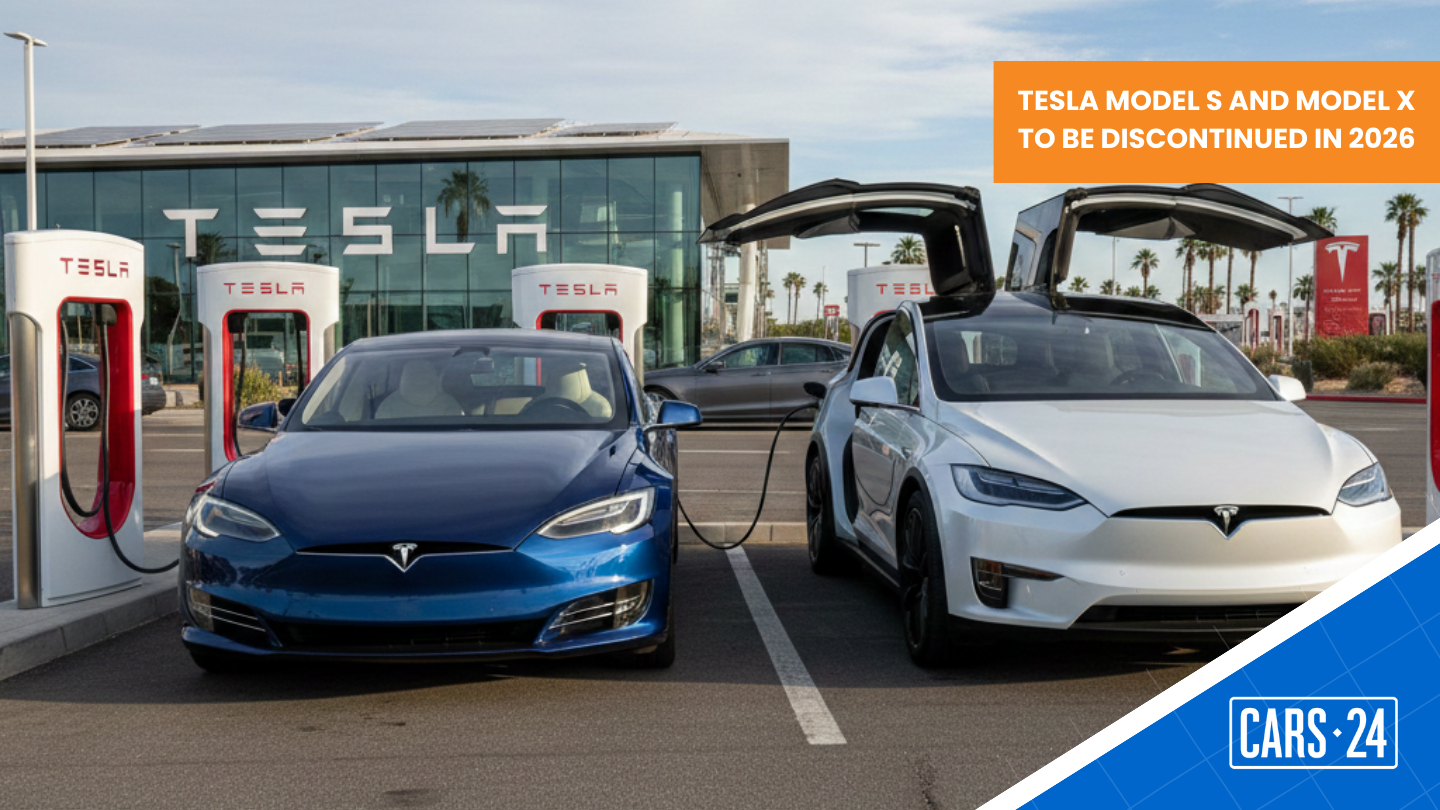
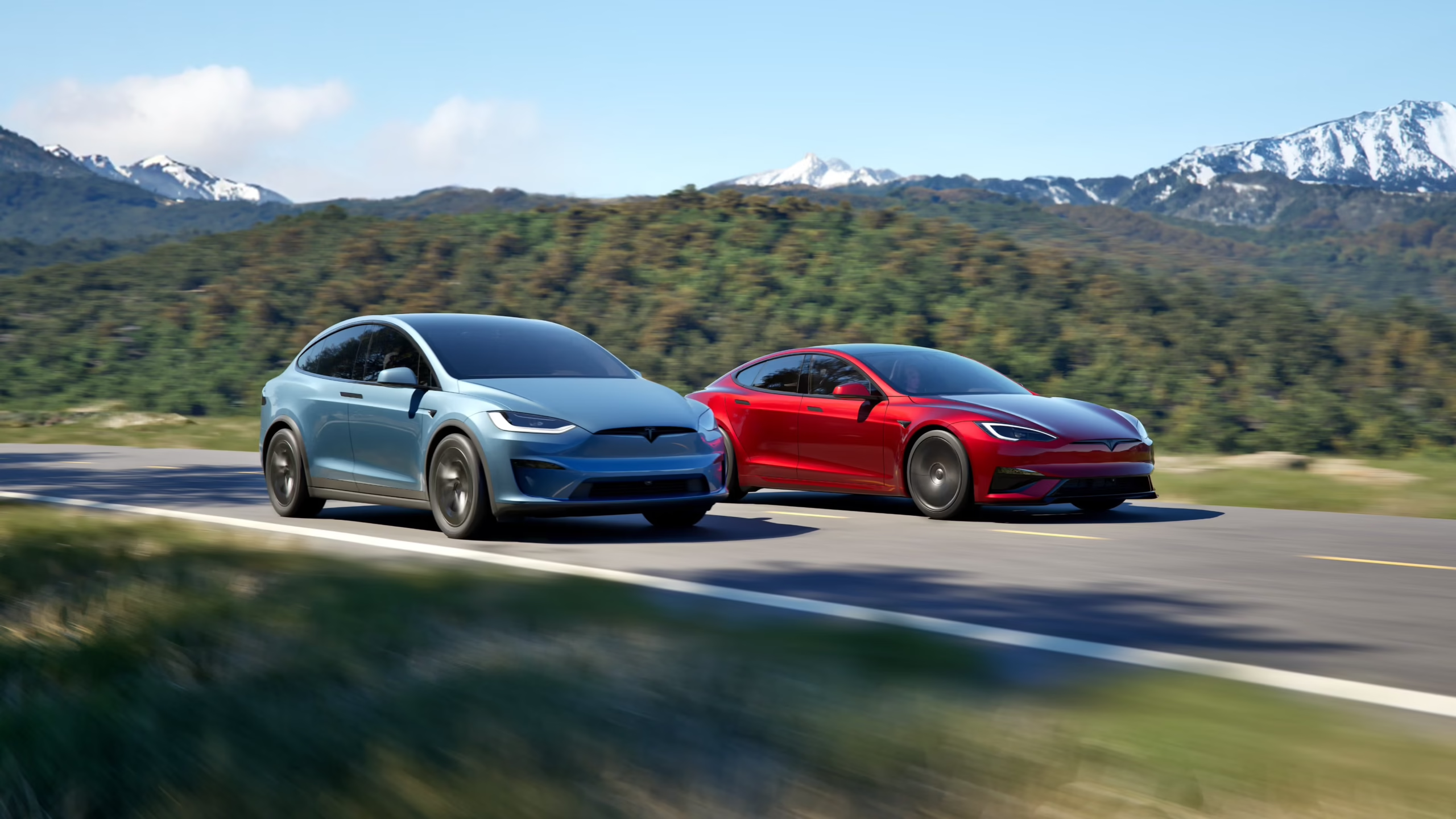
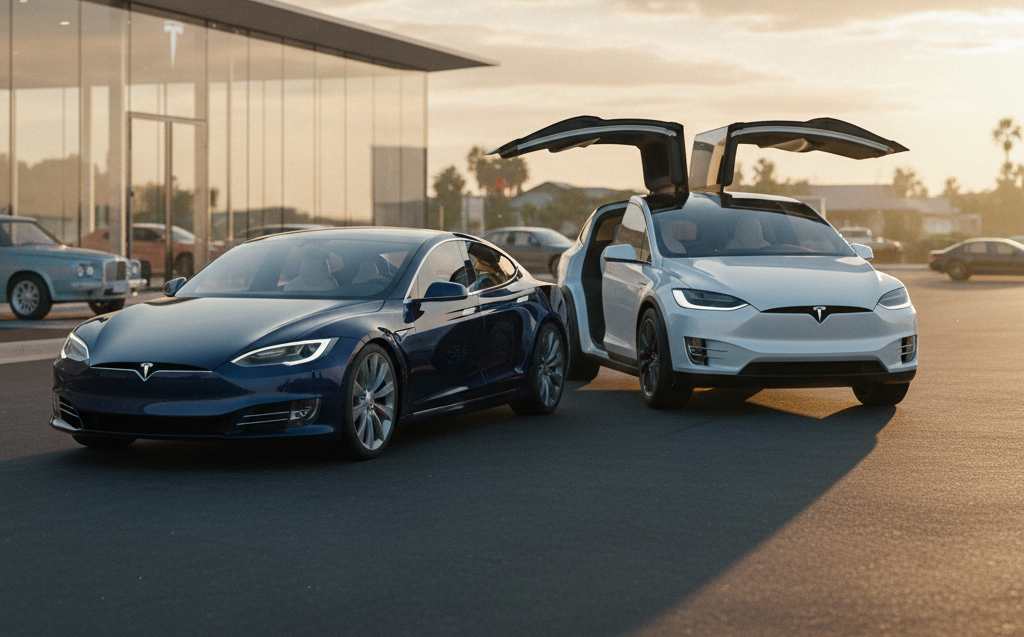
Tesla will officially end production of the Model S sedan and Model X SUV by the middle of 2026, bringing an end to two of the company’s most iconic electric vehicles after up to 14 years on sale.
The decision marks the closing chapter for Tesla’s first high-volume models after the original Roadster, vehicles that helped establish the brand’s reputation before the arrival of the Model 3 and Model Y.


Elon Musk confirmed today that production will wrap up in the second quarter of this year (April to June), as Tesla prepares to repurpose factory capacity for its Optimus humanoid robot program.
“If you’re interested in buying a Model S and X, now is the time to order it… we expect to wind down S and X production next quarter, and basically stop production. We’re going to take the Model S and X production space in our Fremont factory, and convert that into an Optimus factory.” Musk told investors.
Pioneers of Tesla’s growth
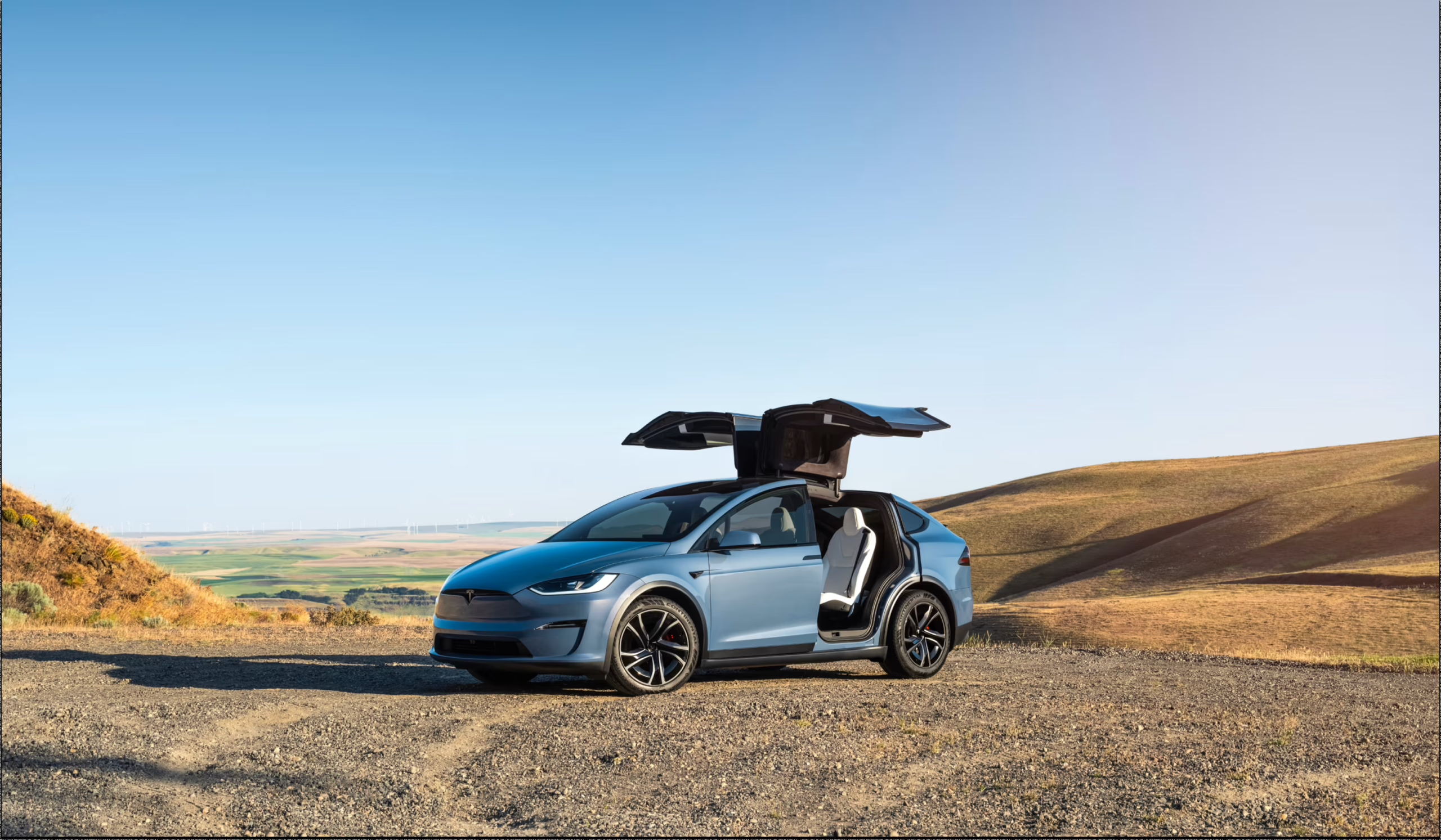
First launched in 2012, the Model S became Tesla’s breakthrough product, proving electric cars could be fast, luxurious, and practical. The Model X SUV followed in 2015, adding family-friendly space and Tesla’s distinctive Falcon-wing doors.
Together, the pair paved the way for Tesla’s mass-market rise, eventually leading to the Model 3 sedan and Model Y SUV becoming the company’s global best-sellers. An estimated 730,000 Model S and Model X vehicles have been delivered worldwide since launch, with around 15,000 believed to have reached Australia.
Reduced role in Tesla’s modern strategy
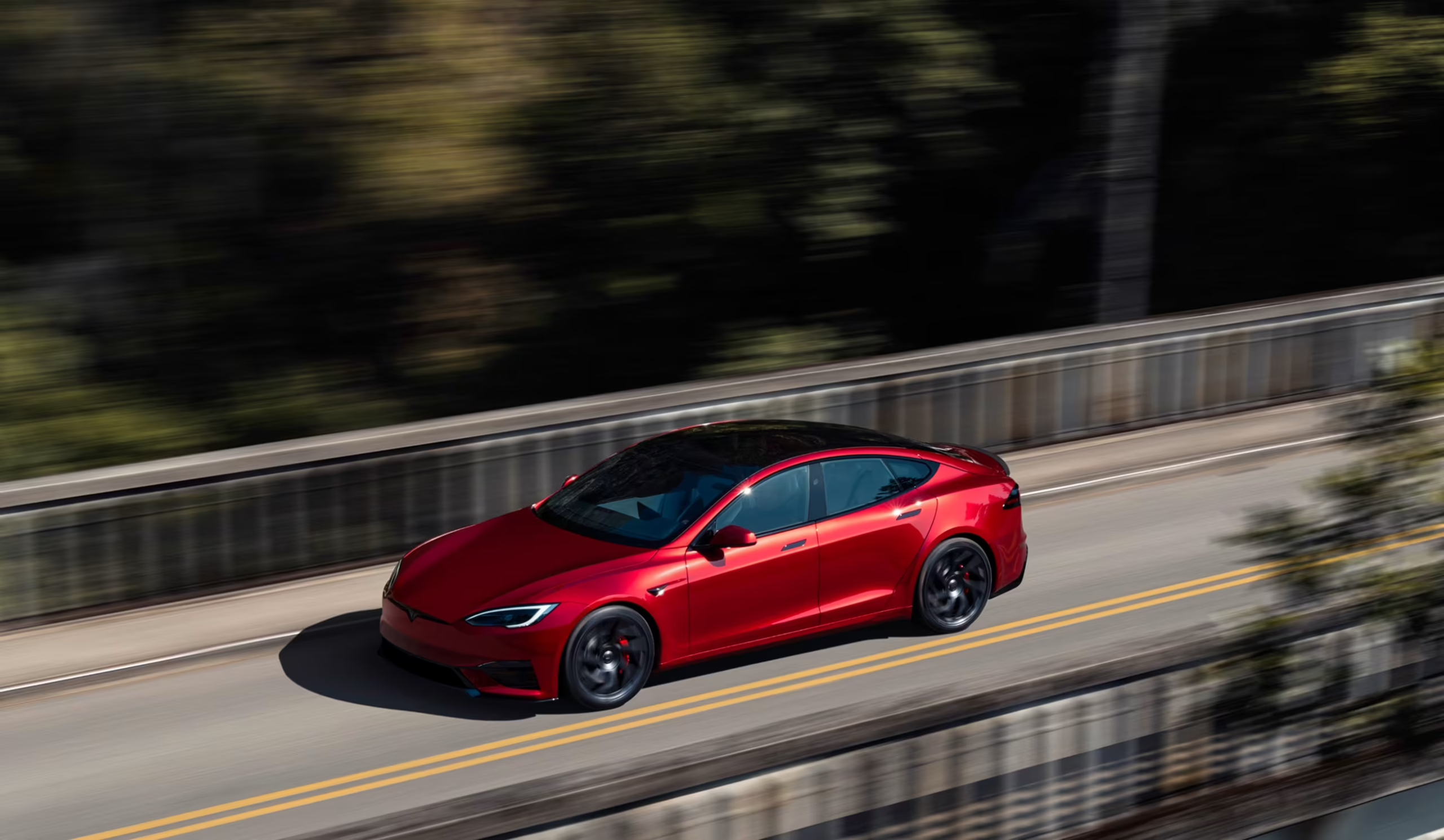
While once central to Tesla’s identity, the Model S and Model X have played a smaller role in recent years as the company shifted focus to its cheaper, higher-volume models designed for autonomous-driving development.
Tesla reported 640,123 deliveries of the Model S and X before October 2023, after which the company began combining sales reporting with the Cybertruck. Analysts estimate that around 90,000 to 100,000 of the 158,952 vehicles delivered since then were Model S and Model X units.
The move will leave Tesla’s consumer line-up with just three steering-wheel-equipped vehicles:
- Model 3 sedan
- Model Y SUV
- Cybertruck pick-up
Optimus robots take priority
Musk said the factory space will now support Tesla’s push into robotics, with Optimus production targeted at one million units annually in the long term.
“It’s part of our overall shift to an autonomous future,” he said.
The Optimus robot represents Tesla’s next major growth ambition beyond passenger cars, signalling a major pivot in the company’s priorities.
Australia missed out on updated versions
Australian buyers have not been able to purchase the Model S or Model X for several years. Deliveries began with the first Model S in December 2014, before the last examples arrived in late 2020.
Tesla reopened Australian order books in early 2021 for updated versions, with deliveries expected in late 2022. However, pricing disappeared from the website later that year, and pre-orders were dropped entirely in April 2023.
Customers were later informed that neither model would be produced in right-hand drive again, and that deposits would be refunded.
Tesla Australia director Thom Drew explained in 2025:
“There are some engineering difficulties in the vehicle that make it not possible to build it in right-hand drive… so it doesn’t appear to be something that’s going to be made in right-hand drive anytime soon.”
End of an era for Tesla’s flagship duo
With production ending by mid-2026, the Model S and Model X will exit as two of the most influential EVs of the modern era, cars that helped Tesla become a global electric-car powerhouse.
Their departure also signals Tesla’s growing commitment to robotics and autonomy, even as its once-flagship vehicles fade into history.

Comments
New Comment