




Key highlights
- Tesla has demonstrated the Roadster using compressed-air thrusters to jump over parked cars and perform controlled landings.
- Three versions are planned, with the range-topping Rocket variant showcasing the car’s experimental flying capability.
- Tesla’s Australian website lists the Roadster as left-hand drive only, with local pricing and launch plans unconfirmed.
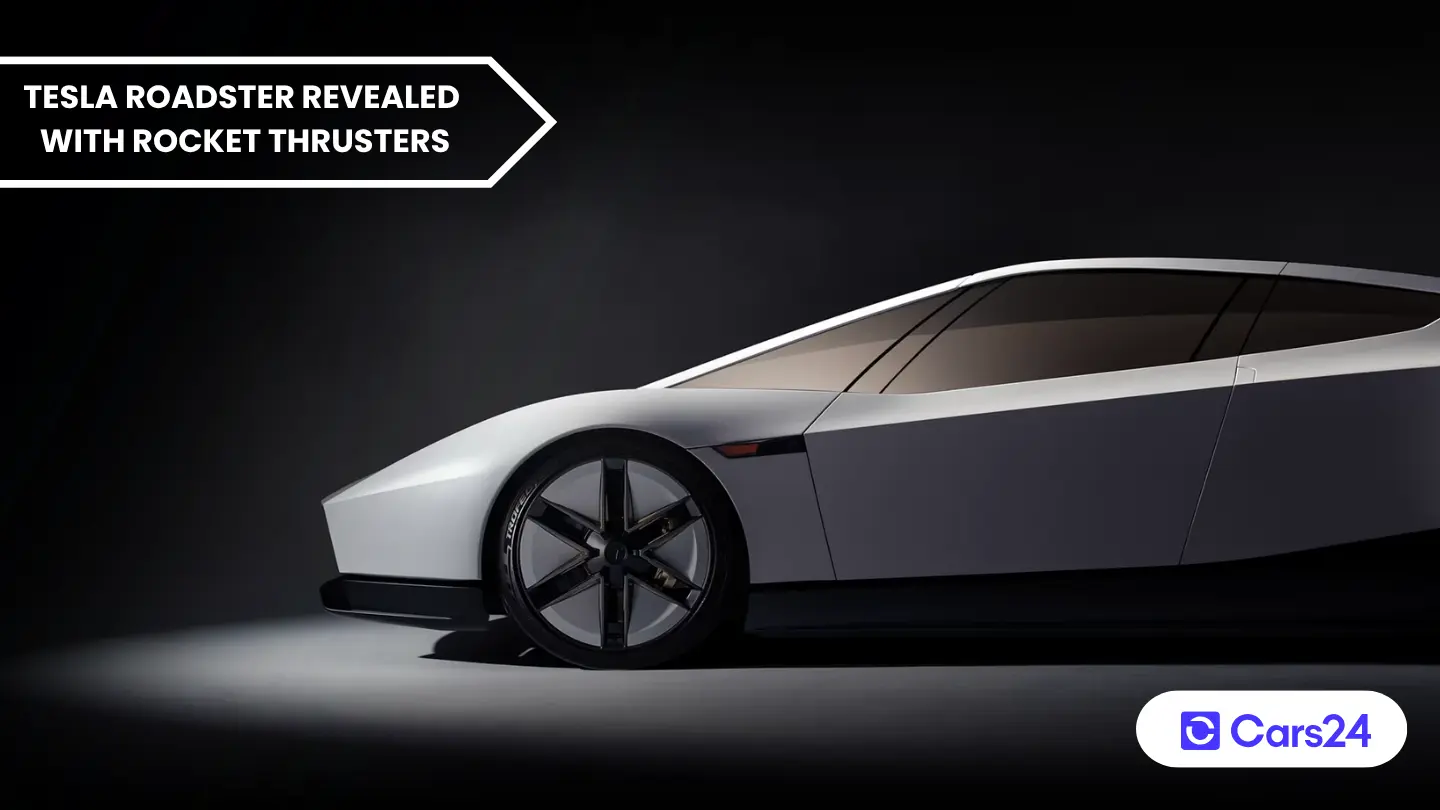
Tesla has demonstrated its long-awaited second-generation Roadster, showcasing a series of stunts involving compressed-air thrusters as the electric sports car moves towards a planned 2028 production start.
The demonstration, held at the SpaceX test facility in McGregor, Texas, on 16 October 2026, included the Roadster jumping over parked Tesla vehicles and landing after launching from a ramp.
Tesla chief executive Elon Musk also claimed the car could accelerate from 0-60mph (97km/h) in less than one second. A run shown during the livestream recorded a claimed time of 0.81 seconds, although independent verification of the performance figure has not been provided.
The claim exceeds the original figures announced when the second-generation Roadster was unveiled in 2017. At the time, Tesla targeted a 0-60mph time of 1.9 seconds, a top speed above 400km/h and a driving range of around 1000km.
Tesla’s latest stated top-speed target is 370km/h, although Musk suggested the company wants to push towards Mach 0.5, equivalent to roughly 617km/h under the stated comparison. That remains an ambition rather than a confirmed production-car specification.
Read more: Tesla Model 3 loses radio in Australia to cut costs
How the Roadster’s flying technology works
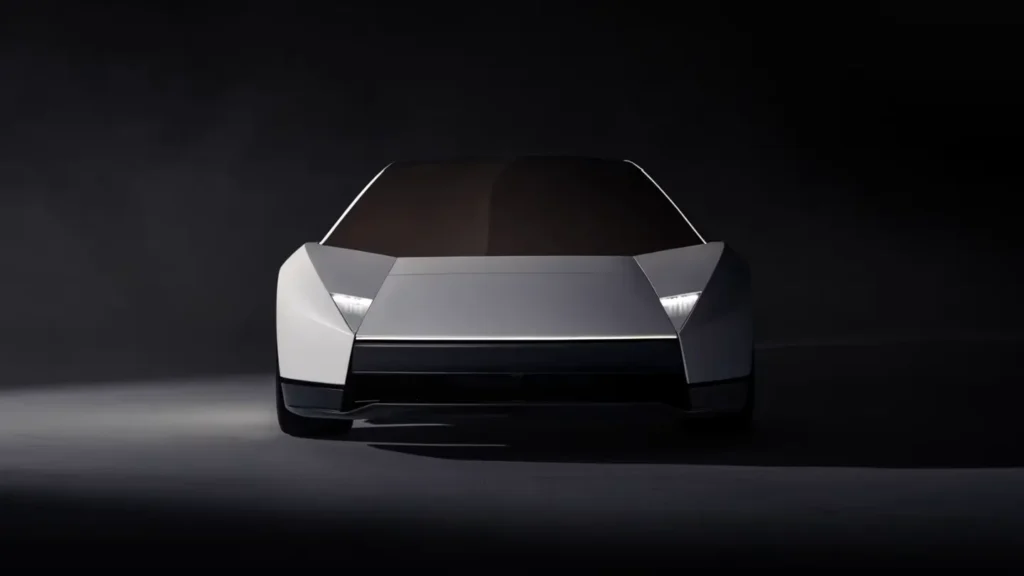
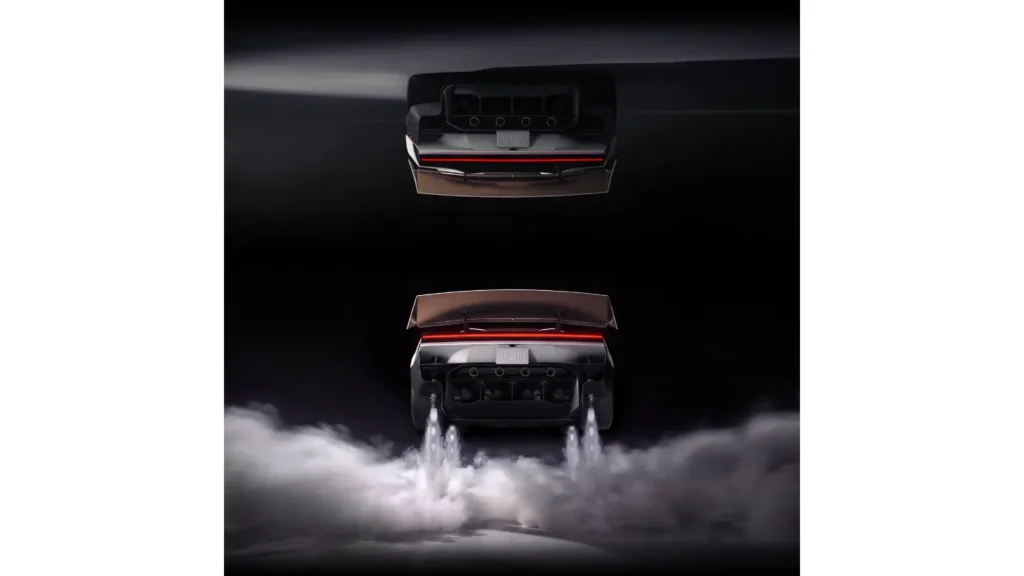
The Roadster’s most unusual feature is its optional compressed-air thruster system, which draws on technology from SpaceX. Tesla claims the system can generate more than 80kN of thrust.
Rather than relying on conventional aerodynamic surfaces alone, the system is designed to produce additional thrust for the demonstration’s jumps. The vehicle was shown launching into the air and completing a controlled landing, although the practical capabilities of the system on public roads remain unclear.
The car also features a fan system beneath the body that is designed to generate suction and increase downforce. In simple terms, it pulls the car towards the road, helping its tyres maintain grip through corners.
Tesla vice-president of vehicle engineering Lars Moravy said the system could generate enough force to allow the vehicle to drive upside down under suitable conditions.
The concept draws comparisons with the fan-assisted Brabham BT46B Formula 1 car, which won its only Grand Prix in 1978 before being withdrawn from competition.
The Roadster also features active aerodynamics, including a rear wing that adjusts to provide the required downforce. Tesla claims cornering capability of up to 2g, although real-world performance will need to be assessed independently.
Three Tesla Roadster variants planned
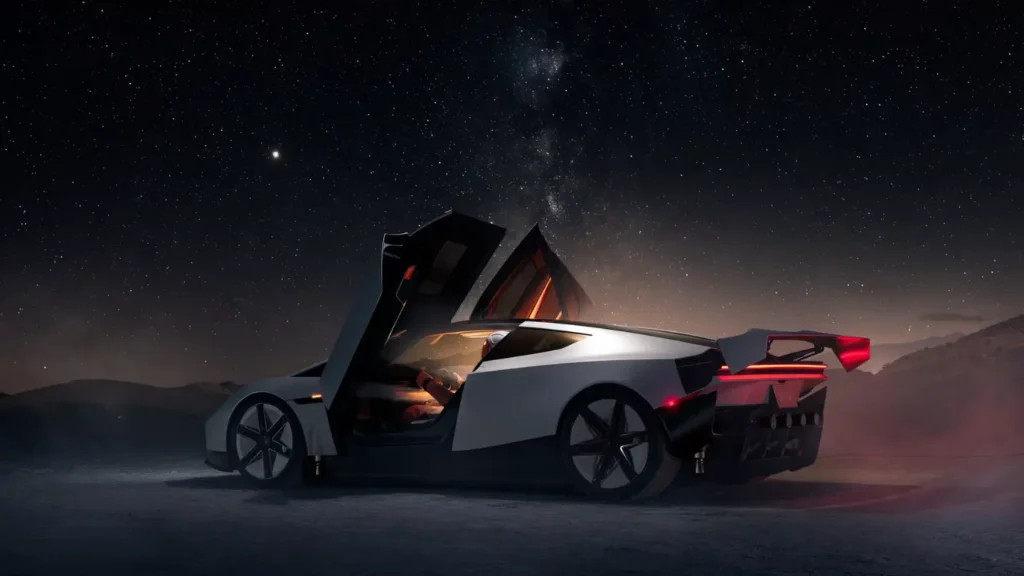
Tesla has outlined three versions of the Roadster: Performance, Thrust and the invitation-only Rocket.
The Performance variant features the underbody fan system, while the Thrust adds the compressed-air thrusters. The Rocket demonstrated at the event showcases the most extreme version of the technology.
Inside, the Roadster has seats moulded into the chassis, along with steer-by-wire and brake-by-wire systems. These replace conventional mechanical connections with electronic systems that translate driver inputs into steering and braking actions.
Musk described the Roadster as a manually driven car, despite acknowledging that the demonstration used autonomous operation for safety reasons.
However, the extreme performance claims and experimental technology raise questions about road legality, particularly in markets with strict vehicle approval requirements.
Will the Tesla Roadster come to Australia?
An Australian launch has not been confirmed. As of 16 October 2026, Tesla’s local website describes the Roadster as available only as a left-hand-drive vehicle, which presents an immediate hurdle for Australian buyers expecting a conventional new-car offering.
Pricing has also yet to be announced for Australia.
In the US, Tesla is accepting reservations. The Performance version requires an initial US$5000 deposit, followed by a further US$45,000 within 10 days, bringing the total reservation payment to US$50,000. The Thrust version requires a total of US$250,000 in reservation payments.
These amounts are reservation payments, not confirmed final Australian retail prices. When the Roadster was first announced in 2017, Tesla quoted a starting price of US$200,000, with the Founders Series priced at US$250,000.
The planned 2028 production date is another important consideration. The second-generation Roadster has been delayed for years since its original unveiling, so the latest demonstration does not guarantee that customer deliveries will begin on schedule.
For Australian enthusiasts, the Roadster is an intriguing glimpse of how far electric performance technology could go. However, its local availability, final specifications and road approval remain unresolved, making it too early to treat it as a confirmed future option for Australian buyers.

Comments
New Comment