




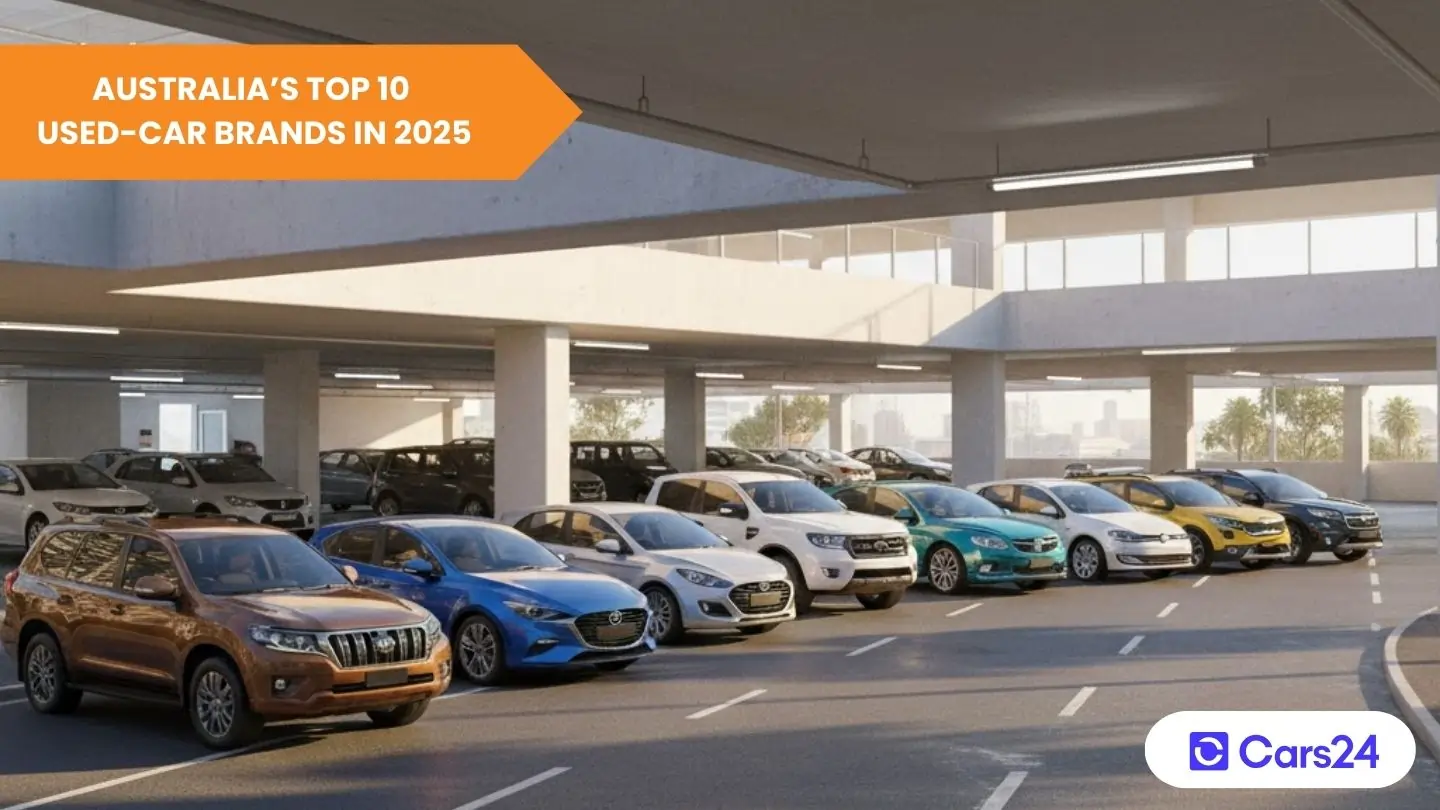
As Australia’s used car market found its footing again in 2025, it became clearer what buyers are really looking for. With prices stabilising and more people returning to dealerships, attention has shifted to brands that offer proven reliability, strong resale value, and dependable after-sales support.
Drawing on data from the Australian Automotive Dealer Association (AADA) and AutoGrab, the following brands emerged as the biggest players in Australia’s used car market over the 2025 calendar year.
Read more: Australia’s used car market found stability in 2025.
Top 10 used car brands by sales and market share (2025)
| Brand | 2025 Sales | 2025 Market Share |
| Toyota | 360,300 | 15.6% |
| Mazda | 191,922 | 8.3% |
| Ford | 188,237 | 8.1% |
| Hyundai | 185,216 | 8.0% |
| Mitsubishi | 142,676 | 6.2% |
| Nissan | 127,424 | 5.5% |
| Volkswagen | 123,777 | 5.3% |
| Holden | 118,800 | 5.1% |
| Kia | 106,536 | 4.6% |
| Subaru | 81,513 | 3.5% |
Outside the top 10 used-car brands
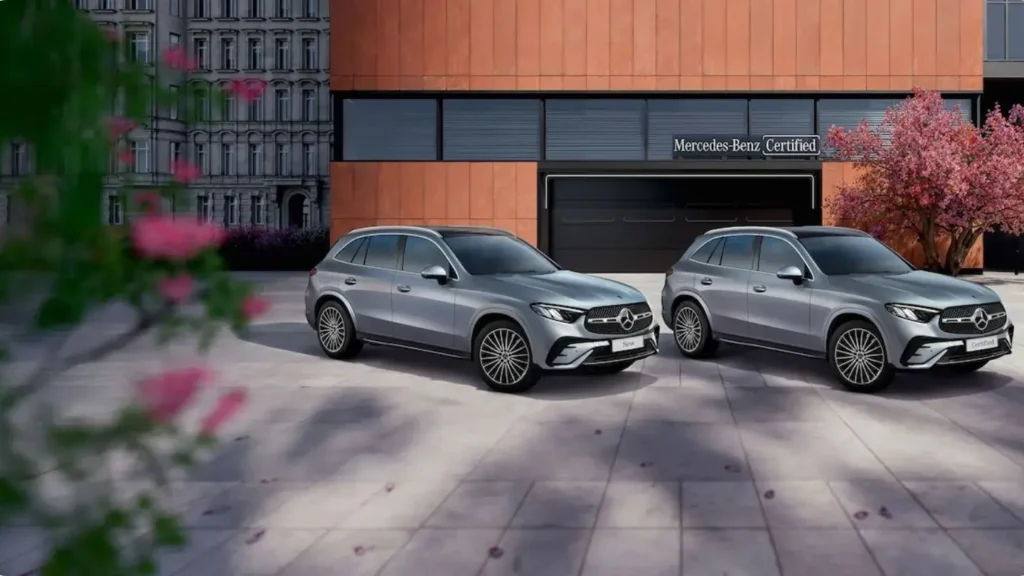
Beyond the top 10, a next tier of car brands continued to account for a substantial share of Australia’s used car market in 2025. Mercedes-Benz led this group with 76,037 used-vehicle sales, underscoring the depth of demand for premium models in the secondary market. BMW followed closely with 73,150 sales, while Audi recorded 56,220 sales.
Among mainstream and value-oriented brands, performance was more polarised. Honda accounted for 51,296 used car sales but recorded a sharp year-on-year decline, reflecting continued challenges in sustaining momentum beyond its core models. In contrast, Isuzu recorded 46,645 used-vehicle sales, posting double-digit growth as demand for utes and rugged SUVs remained resilient.
Emerging and value-led brands also featured prominently. Suzuki recorded 46,116 sales, remaining broadly stable year on year, while MG posted 40,998 used vehicle sales, indicating steady but moderating demand. GWM was the standout performer outside the top 10, recording 38,426 sales and year-on-year growth of more than 30 per cent, underpinned by expanding brand awareness and strong representation in high-volume segments.
Rounding out the group, Jeep, with 34,938 sales, and Land Rover, with 27,501 sales, both recorded declines, underscoring continued sensitivity among used-car buyers to ownership costs, perceived reliability, and long-term support.
Market leaders and steady performers
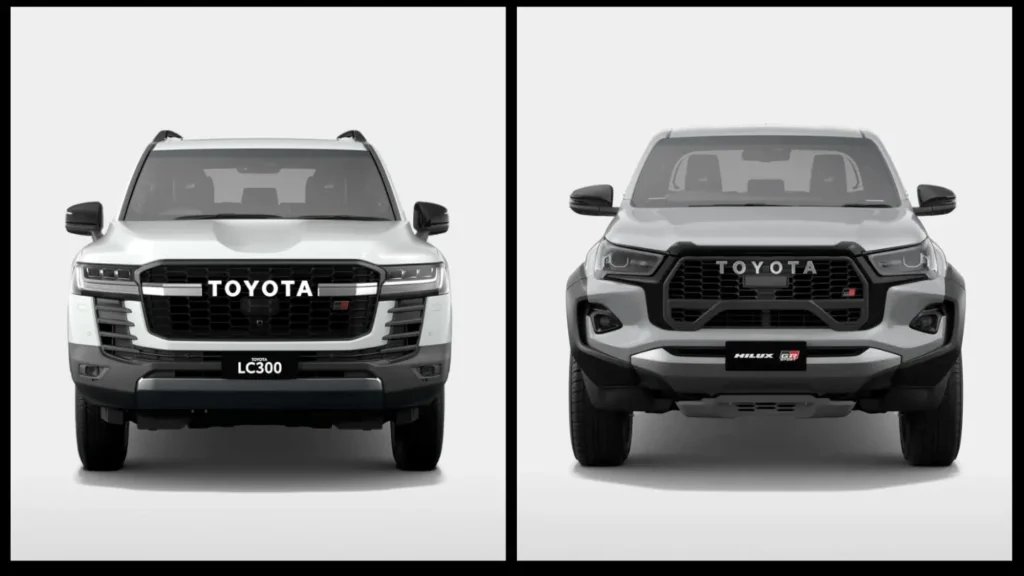
Toyota maintained its position as Australia’s dominant used car brand in 2025, accounting for more than 15 per cent of total market share. While sales volumes declined year on year, Toyota’s perennial leadership shows the brand’s entrenched reputation for durability, low ownership costs, and strong resale performance in the Australian used-car market.
Mazda held second place, supported by consistent demand across its passenger car and SUV line-up. Although volumes softened marginally, Mazda’s stable market share suggests resilient buyer loyalty rather than weakening relevance.
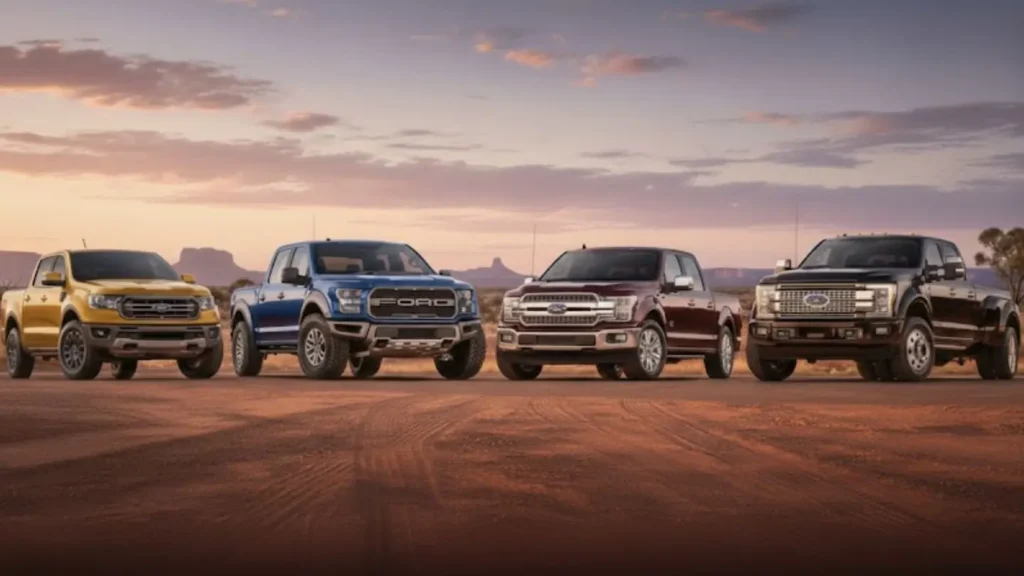
Ford and Hyundai followed closely, both benefiting from broad model availability and strong representation in high-demand SUV segments. Hyundai, in particular, recorded solid year-on-year growth, reinforcing its growing presence across both the new and used vehicle markets in Australia.
Growth brands gain momentum
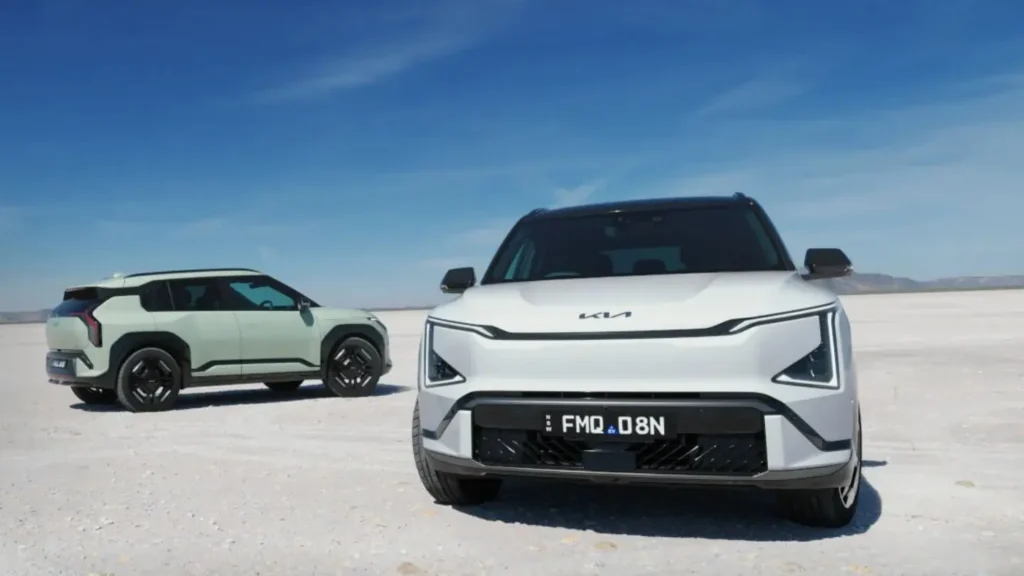
Among the top 10, Kia emerged as the strongest growth performer, recording a 15.7 per cent increase in used car sales compared to 2024. The result indicates an improvement in consumer confidence in the brand’s product quality, warranty coverage, and long-term ownership proposition.
Subaru also recorded notable growth, supported by ongoing demand for all-wheel-drive SUVs and a loyal customer base. Mitsubishi delivered modest gains, reflecting its continued appeal in the value-driven and family SUV segments of the used car market.
Declines reflect structural shifts
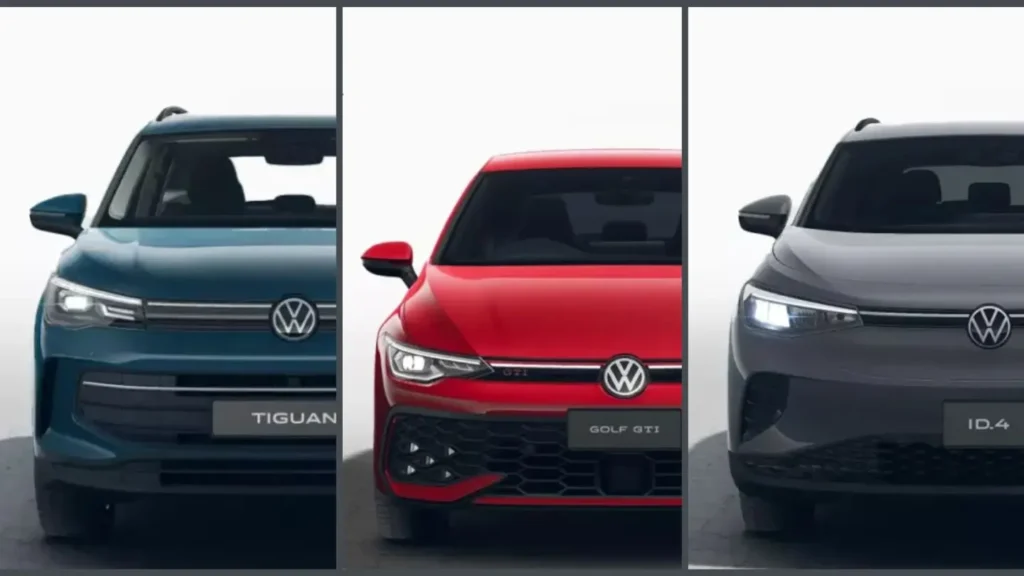
Not all brands benefited equally from the stabilised conditions.
Volkswagen and Nissan both recorded year-on-year declines, which may reflect pricing sensitivity and shifting buyer preferences in a more transparent and competitive used-car environment.
Despite no longer selling new vehicles in Australia, Holden remained a top-10 used car brand in 2025, ranking eighth overall. However, its 14.1 per cent decline underscores a longer-term structural trend. As Holden’s vehicle population continues to age, buyer demand is gradually tapering, particularly as consumers place greater emphasis on ongoing manufacturer support, warranty coverage and parts availability.
What does the brand data reveal?
Taken together, the top 10 results suggest that Australia’s used car market is increasingly rewarding active brands with strong dealer networks, dependable ownership credentials and contemporary model line-ups.
As the market enters 2026 with improved pricing discipline and inventory visibility, brand performance will likely remain a key driver of demand, shaping dealer stocking strategies and influencing resale values across the market.

Comments
New Comment