




Key highlights:
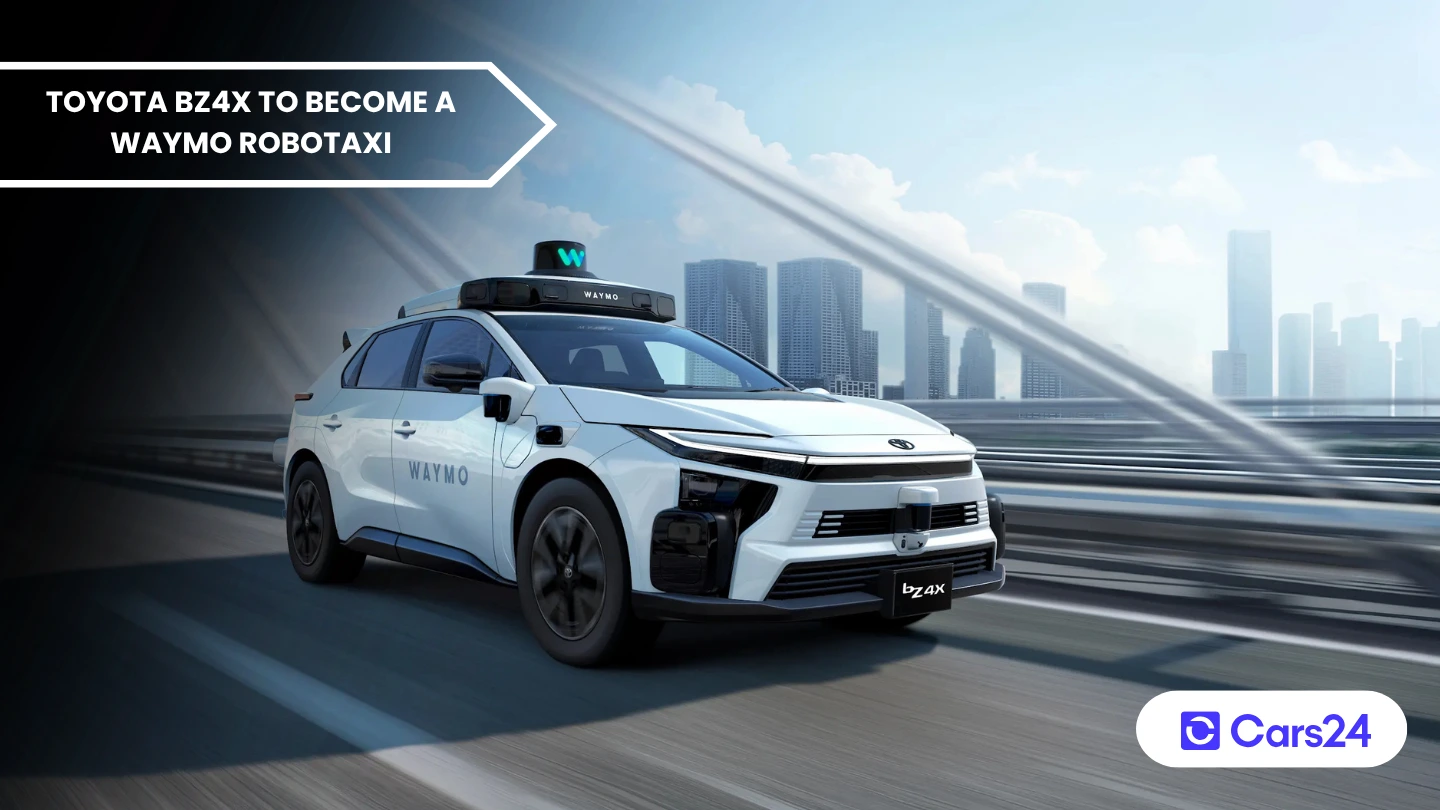
- Toyota will factory-build autonomous bZ4X robotaxis from 2027
- Right-hand-drive production opens a possible Australian pathway
- Toyota and Waymo are also exploring private-car applications
Toyota and Google’s parent company Alphabet, through its autonomous-driving subsidiary Waymo, have expanded their partnership to factory-build fully autonomous electric vehicles from 2027. The collaboration will initially focus on producing self-driving robotaxis, with the longer-term goal of exploring how Waymo’s autonomous technology could reach privately owned Toyota vehicles.
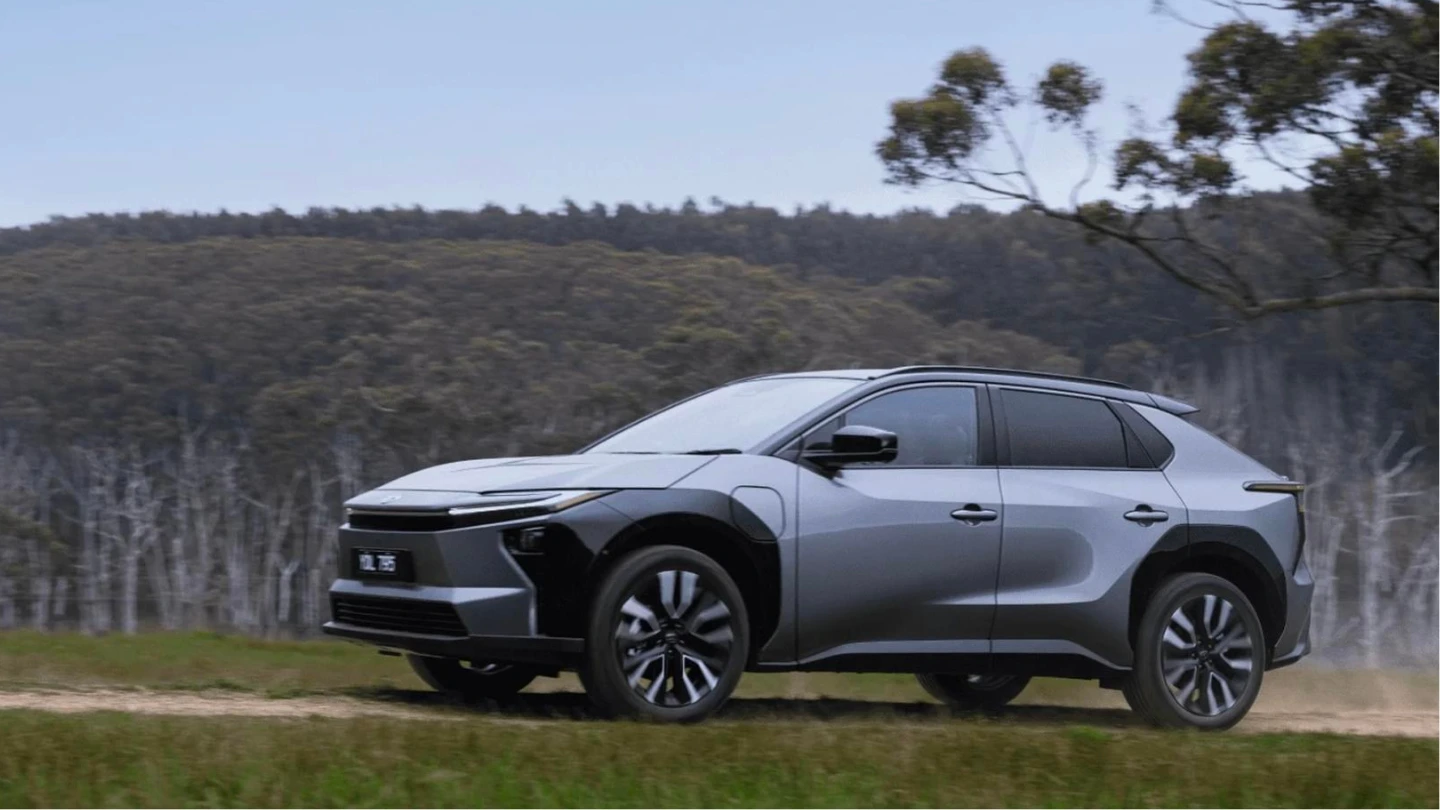
Toyota will manufacture and test autonomous versions of the bZ4X electric SUV in Japan, using Waymo’s self-driving technology.
Toyota bZ4X robotaxis could reach Australia
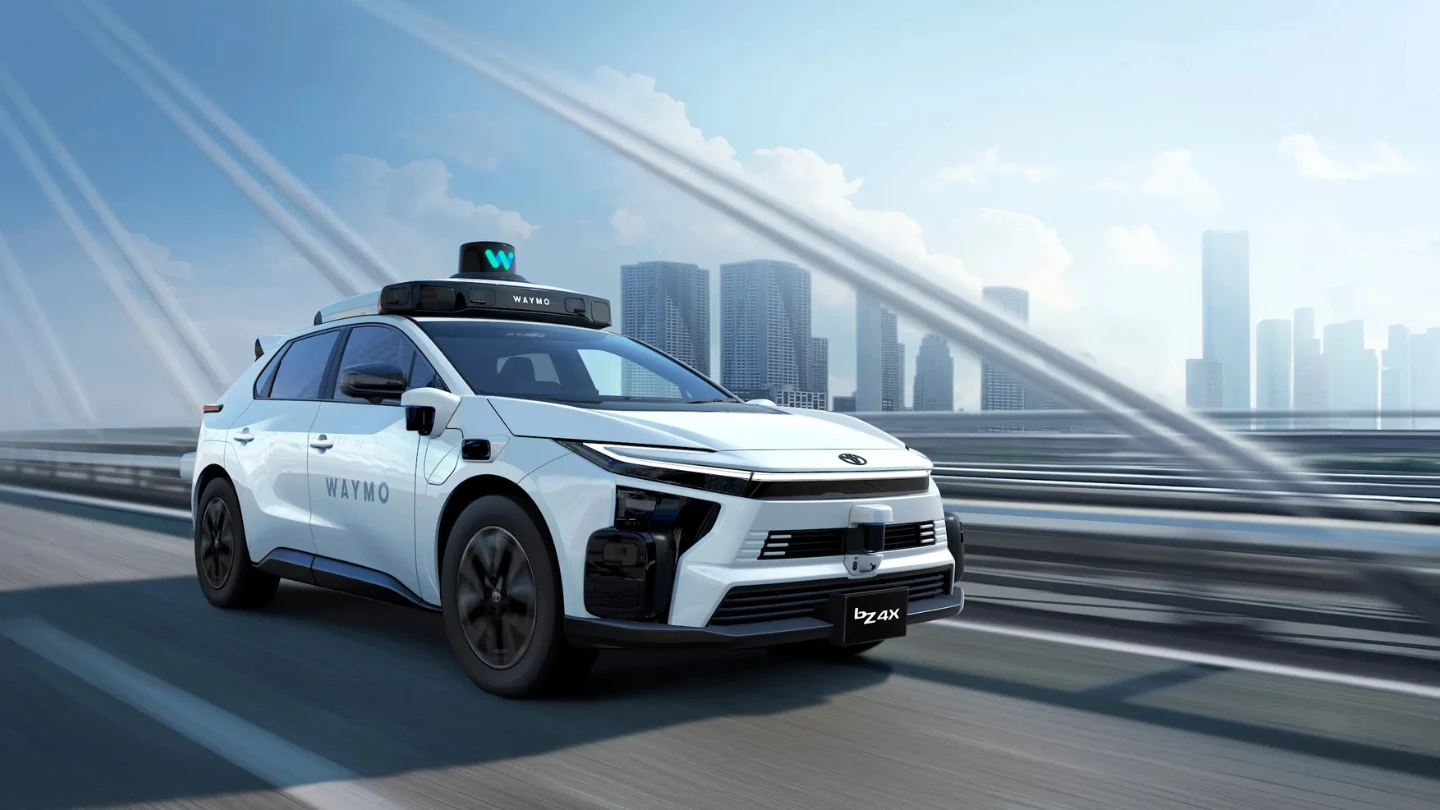
The autonomous Toyota bZ4X fleet will initially undergo testing in Japan in 2027 before expanding to other countries in the following years. The first vehicles will serve Waymo’s commercial robotaxi fleet in markets including the United Kingdom.
Importantly, Toyota’s Waymo-equipped vehicles will support right-hand-drive markets, including Japan and the UK. This opens the possibility of their eventual arrival in Australia, although neither company has confirmed an Australian launch.
Toyota will prepare the autonomous bZ4X specifically for Waymo’s robotaxi operations, and the vehicles will receive several passenger-focused changes, including:
- Extra rear legroom
- Automatic doors
- A powered tailgate as standard
- Ambient interior lighting
These changes will help adapt the production-based electric SUV for autonomous passenger transport.
The expanded collaboration also involves Woven by Toyota, Toyota’s software subsidiary. The three companies are researching ways to adapt insights from autonomous driving for privately owned consumer vehicles. Their goals include reducing accident rates and helping drivers who face mobility challenges.
What do Toyota and Waymo executives say?
Toyota and Waymo first announced their partnership in early 2025. Dmitri Dolgov, co-CEO of Waymo, said the company believes its autonomous vehicles are significantly safer than vehicles driven by humans, and he also explained why Waymo selected Toyota as its manufacturing partner.
“We chose Toyota because of our respect for the legendary safety, reliability, and quality of their vehicles, and we look forward to deepening our collaboration as we scale our fully autonomous Waymo Driver technology globally,” Dolgov said.
Hiroki Nakajima, executive vice president of Toyota, welcomed the partnership and acknowledged Waymo’s contribution to autonomous driving development.
“We are deeply grateful that Waymo, which helped pioneer fully autonomous driving technology, has chosen Toyota as its partner,” Nakajima said.
Also read: Dakar-inspired Toyota HiLux GR Sport could return in 2027
How does Waymo currently operate?
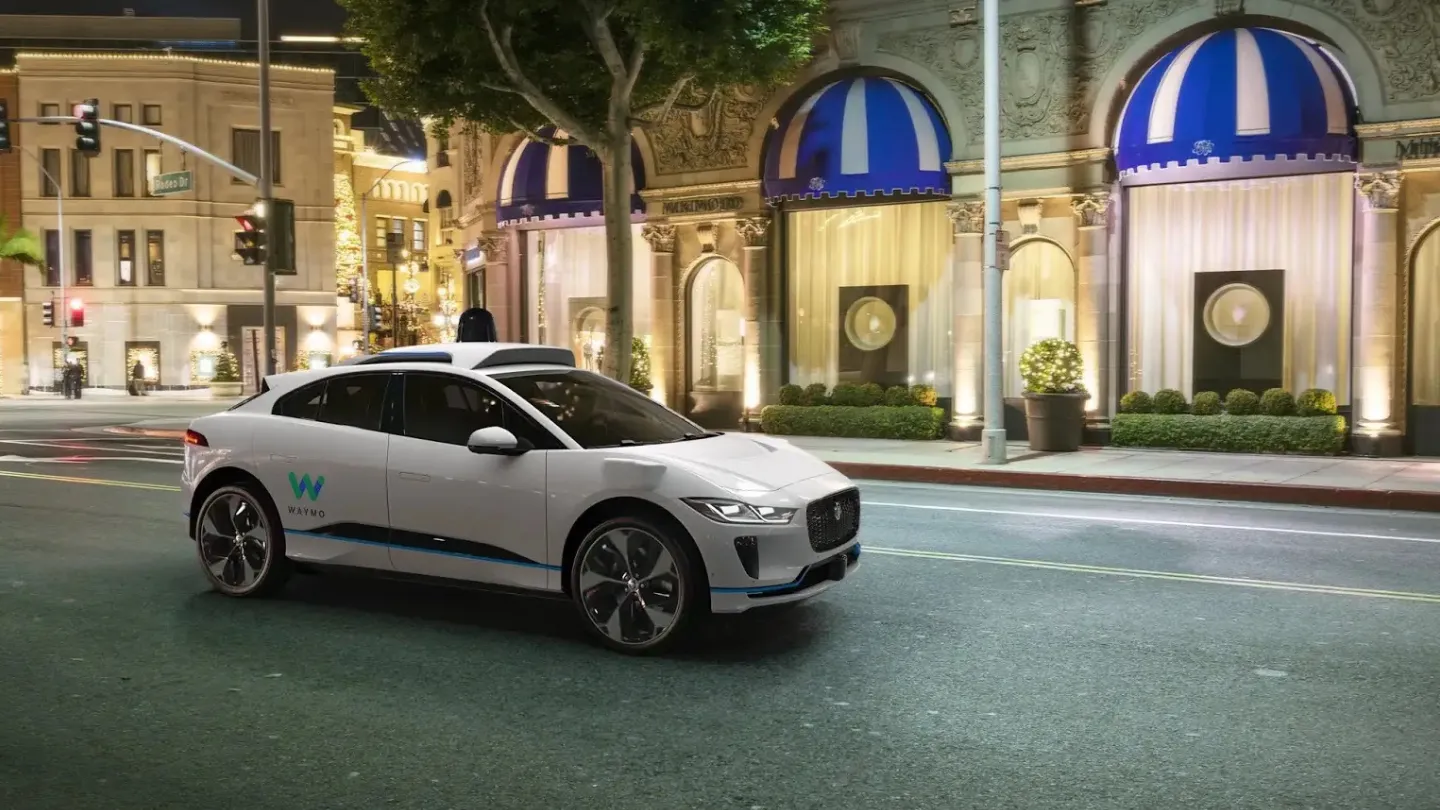
Waymo has already introduced fully autonomous vehicles commercially, but it operates them exclusively through ride-hailing services rather than selling self-driving cars to private buyers. Instead of manufacturing its own retail vehicles, Waymo uses modified production vehicles and operates them through a commercial robotaxi platform similar to Uber.
Its largest commercial presence remains in the United States, although the company is expanding internationally, including into London and Madrid. The Jaguar I-Pace remains Waymo’s most widely deployed, successful and recognisable vehicle globally.
Could self-driving robotaxis reach Australian roads?
Autonomous taxis are gradually moving closer to becoming a reality on Australian roads. Waymo, Tesla and Uber are all seeking opportunities to operate self-driving taxi services in Australia in the future.
Toyota’s involvement adds another major automotive manufacturer to the autonomous mobility push. Its decision to develop right-hand-drive Waymo vehicles also makes the UK and Japan potential stepping stones towards other right-hand-drive markets, including Australia, but a local launch has not been confirmed.

Comments
New Comment