





Key highlights:
- Toyota tests HVO100 as a direct diesel replacement in over 500,000 HiLux(s)
- 2015-on HiLux models can run on 100% LCLF
- Toyota LandCruiser and Prado testing will follow the HiLux trial
Toyota Australia, in collaboration with Ampol, has successfully tested a low-carbon fuel that could replace conventional diesel in over 500,000 current and older HiLux utes without vehicle modifications. The Japanese giant is testing hydrotreated vegetable oil fuel to reduce carbon emissions while retaining engine power, towing capacity, and long driving range.
The company plans to extend testing to other diesel models, including the LandCruiser and LandCruiser Prado, as it explores ways to cut fossil-diesel use across vehicles already on Australian roads.
Toyota has become the pioneer in testing the HVO100 fuel at a mass scale on passenger utes like the HiLux, but European heavy commercial vehicle brands are the true pioneers; for example, all locally built Volvo and Mack trucks can already run on 100% HVO100.
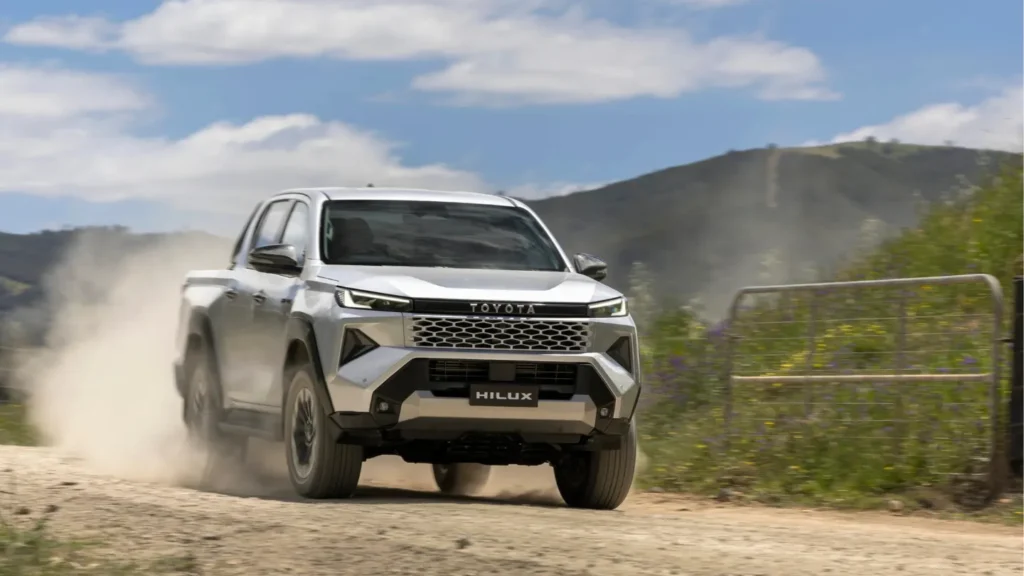
HiLux leads Toyota’s HVO100 trial
Toyota Australia and fuel supplier Ampol are testing 100% low-carbon liquid fuel (LCLF), known as HVO100, as a direct replacement for conventional diesel. This new fuel uses hydrotreated vegetable oil and comes from renewable sources such as vegetable oil and recycled cooking oil.
The trial began with the HiLux because it remains the company’s best-selling diesel vehicle. Toyota and Ampol have tested HVO100 in the current HiLux and earlier models powered by the 1GD and 2GD diesel engines, dating back to 2015.
That covers more than 500,000 examples of the previous N80 and current N90 HiLux generations on Australian roads.
This trial comes amid diesel prices climbing as high as $3.50 per litre earlier this year during conflict in the Middle East. Battery-electric vehicles reached a record 23.3% market share in June 2026, and diesel’s share fell from 28.7% in January to 23.5% in July 2026.
Also read: Toyota Land Cruiser 300 drops petrol V6 for 336kW hybrid power
No diesel engine modifications required
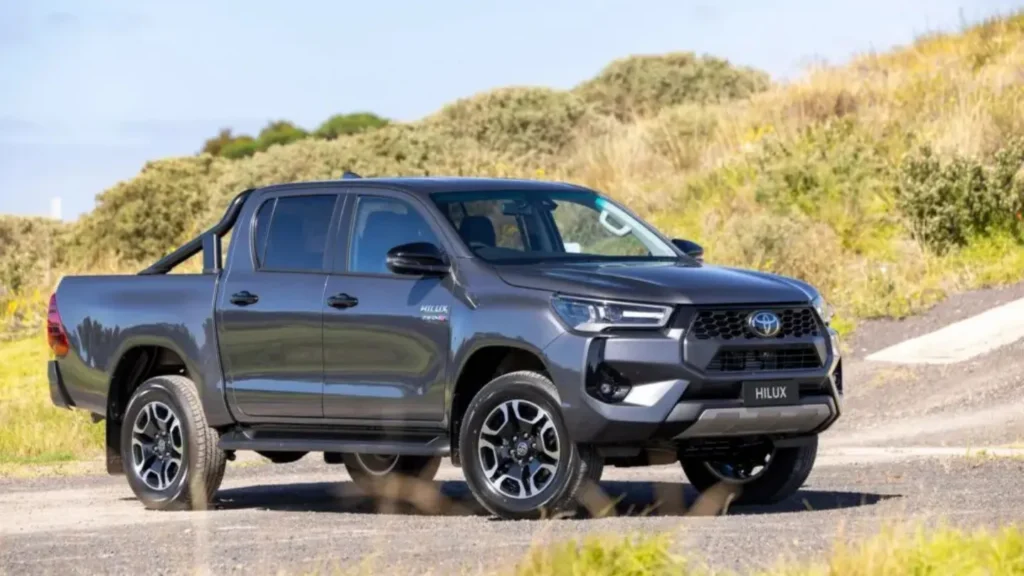
Toyota says all of its current diesel models already support a 20% LCLF blend. The latest testing takes that compatibility to 100% LCLF, which means drivers could use the fuel without adding normal diesel to the tank.
Owners would also not need to modify their vehicles.
HVO100 carries a higher cetane number than conventional diesel, which improves ignition quality and supports more stable combustion and lower levels of sulphur and aromatic compounds.
Toyota Australia president and CEO Matthew Callachor said, “The confirmation that HiLux models from 2015 onwards can run on 100 per cent hydrotreated vegetable oil is validation that the vehicle technology exists today.”
“By bringing together the automotive and energy sectors, we have an opportunity to improve fuel security and reduce emissions from both new and existing vehicles.”
More alternative powertrains are coming
Toyota has steadily reduced its reliance on diesel in Australia. The HiLux, HiAce, LandCruiser Prado, LandCruiser 70 Series and LandCruiser 300 Series are now the only models here available with diesel power.
Most of Toyota’s passenger-car range switched to hybrid-only power in mid-2024.
Its only non-hybrid petrol models sit under the GR performance brand: the GR Yaris, GR Corolla and GR86 sports car, and it could add hybrid power to their successors as it prepares to revive the Celica and MR2 names.
Toyota also launched a battery-electric version of the new-generation HiLux in May 2026, and it has also announced plans to add a hydrogen fuel-cell electric (FCEV) HiLux to its Australian lineup in 2028.
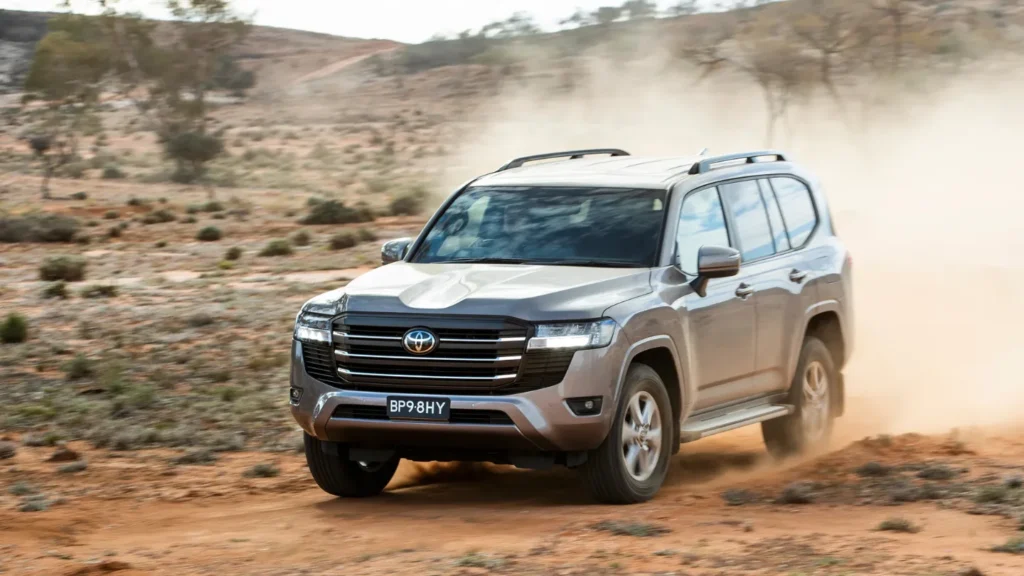
The company now plans to extend its low-carbon fuel testing beyond the HiLux, with models including the LandCruiser and LandCruiser Prado set to follow.

Comments
New Comment