




Key highlights
- Toyota Australia says it “cannot rule out” price increases on commercial vehicles from 2027 because of the New Vehicle Efficiency Standard (NVES).
- The estimated penalty per vehicle imported is $500 this year, rising to an estimated $2000 next year.
- No price rises have been announced yet, and a Federal Government review of the NVES is underway.
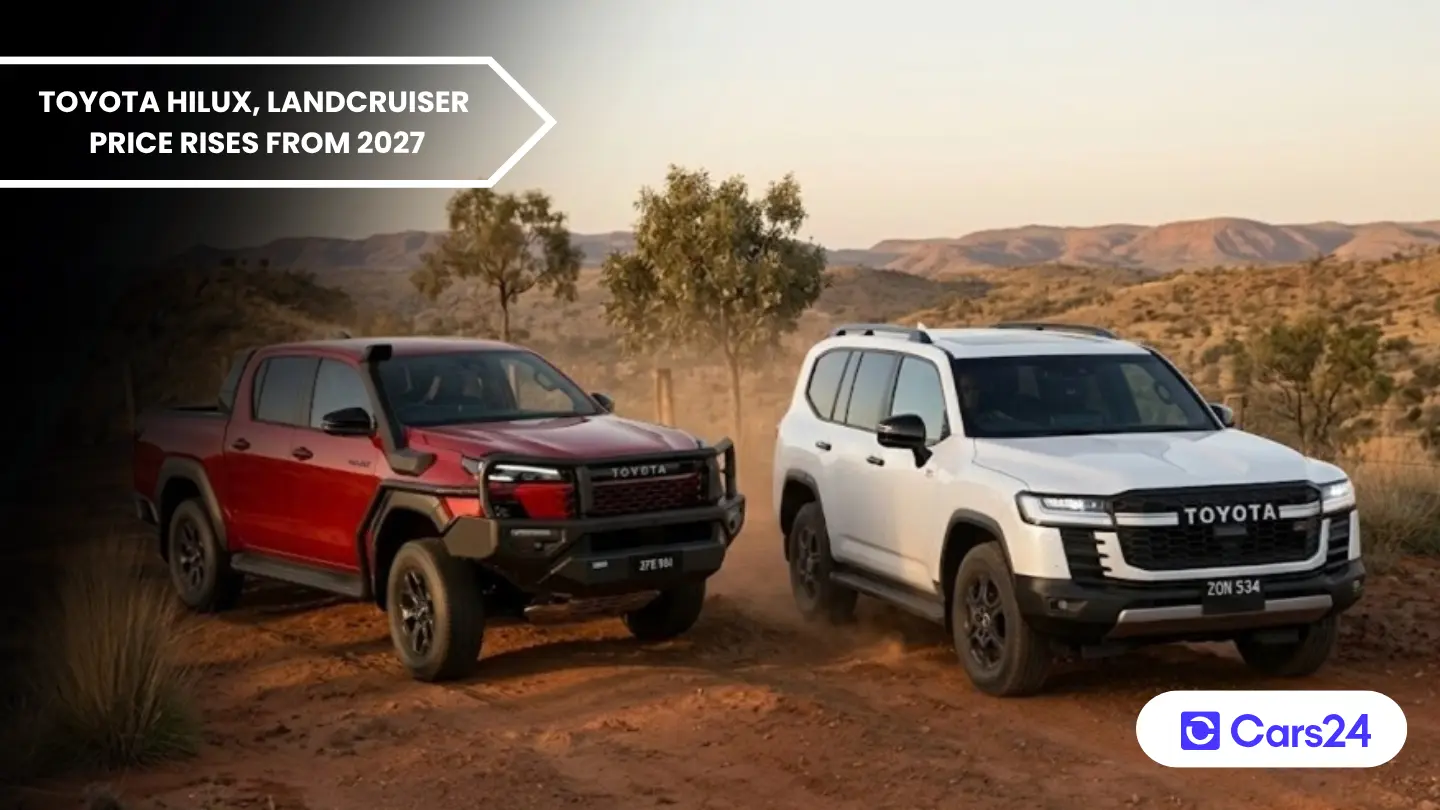
Australian buyers of popular Toyota utes and 4WDs could face higher prices from 2027, with the company warning that tougher emissions rules will increase the cost of selling high-emitting vehicles. Toyota Australia sales and marketing boss John Pappas said on 8 October 2026 that the company could not rule out passing some of those costs onto customers as the New Vehicle Efficiency Standard (NVES) becomes more demanding for commercial vehicles.
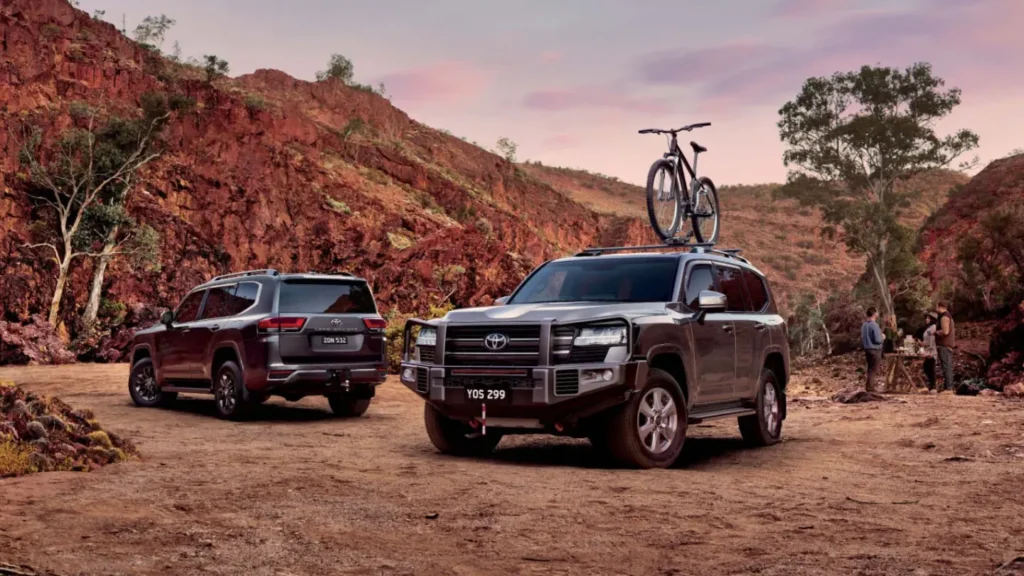
“We cannot rule out price increases,” Pappas said, pointing specifically to the challenging NVES targets coming into effect for commercial vehicles from 2027. The warning is particularly relevant to buyers of vehicles such as the Toyota HiLux, LandCruiser Prado and LandCruiser 300 Series, which use diesel powertrains and fall under the commercial-vehicle side of the emissions standard. The potential increases are not confirmed price rises at this stage. Toyota has not announced specific Australian price changes for these models as a result of NVES.
Read more: Toyota RAV4 five-star ANCAP rating could unlock more fleet sales
What is the NVES and why does it matter?
The NVES sets CO2 targets for new vehicles sold by each manufacturer in Australia. The targets vary according to factors including vehicle classification and weight, with the manufacturer’s fleet average assessed over a calendar year. A manufacturer can still sell vehicles that exceed the applicable CO2 target, but it needs to offset those higher emissions through cleaner vehicles in its range or other mechanisms under the scheme.
The cost becomes more significant for brands with large numbers of diesel utes and SUVs, because these vehicles generally produce more CO2 than smaller petrol cars, hybrids and EVs. The penalties also increase as the NVES targets become tougher.
According to Toyota, a HiLux SR5 48V diesel dual-cab ute in 2025 was efficient enough to generate credits for the company rather than incur a penalty. Under the figures outlined by Toyota, each gram of CO2 over the relevant limit currently attracts a $50 penalty. For 2026, the estimated cost per affected vehicle is around $500, while Toyota expects that figure to rise to about $2000 in 2027 as the commercial-vehicle targets tighten. Those figures are estimates rather than announced price increases for individual Toyota models.
Rural and regional buyers face a particular challenge
Toyota says the impact of the rules needs to be considered alongside how utes and large 4WDs are used outside Australia’s major cities. Pappas said Toyota would continue supporting rural and regional customers who rely on diesel vehicles for transport or as work vehicles. He pointed to charging infrastructure, long distances and the practical limitations of EVs in some parts of regional Australia as ongoing challenges.
That means simply switching buyers from diesel utes and large SUVs to electric alternatives is not necessarily straightforward, particularly for customers who tow, travel long distances or use their vehicles for work. Toyota has also indicated it wants to manage as much of its NVES position itself as possible. However, Pappas did not rule out the company purchasing credits from other manufacturers if required.
Toyota wants changes to the emissions rules
Toyota has previously supported the idea of reducing emissions from new vehicles, but says the Australian targets are too aggressive in their current form. A Federal Government review of the NVES is now underway, giving manufacturers an opportunity to push for changes to the scheme.
Toyota says it will continue calling for an emissions policy that remains ambitious while being more equitable and practical for the Australian market. For buyers, the immediate takeaway is that there is no confirmed Toyota price rise yet. However, with the commercial-vehicle NVES targets becoming tougher from 2027, Toyota has now made clear that higher prices for some HiLux and LandCruiser models are a possibility.

Comments
New Comment