




Key highlights
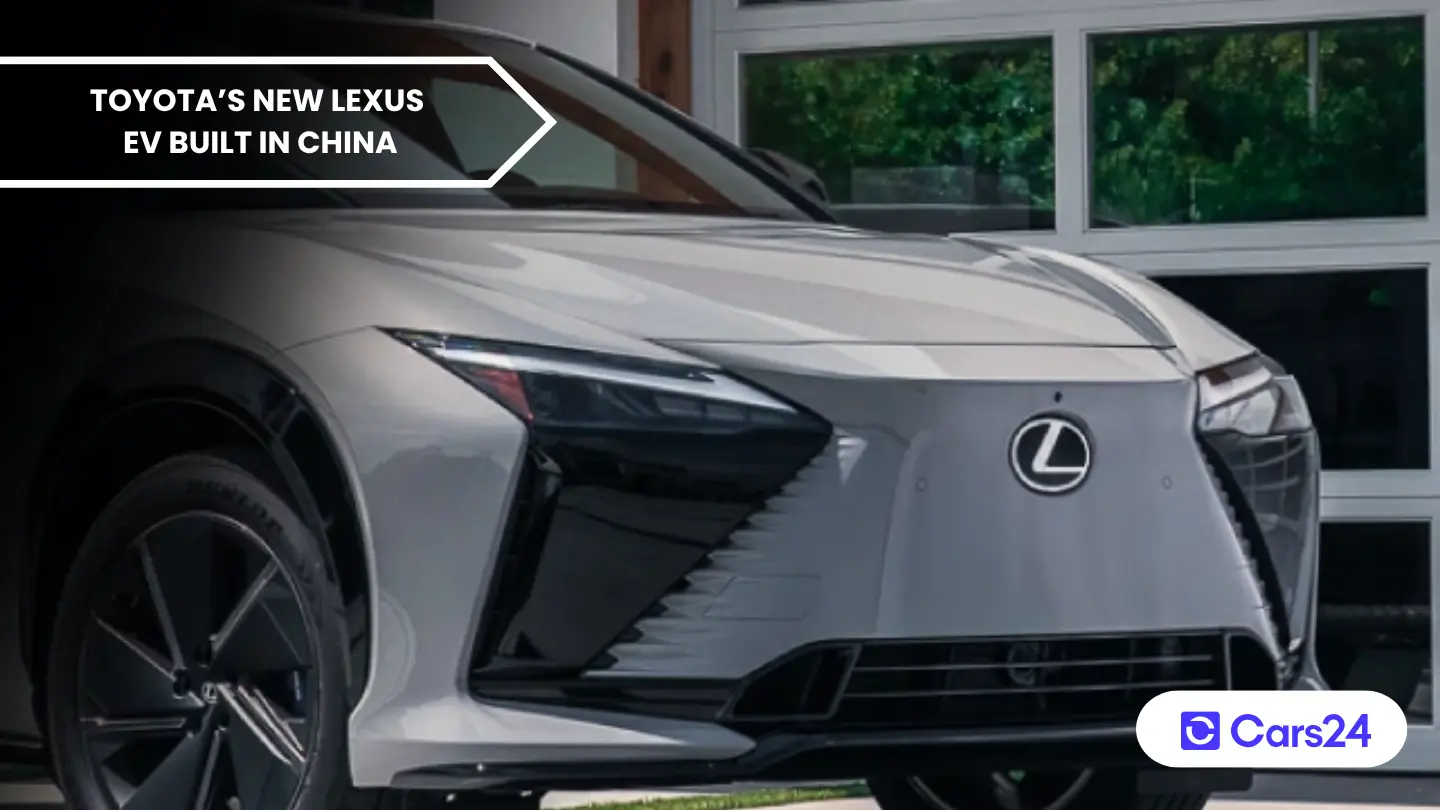
- Toyota will build a new Lexus EV in China from 2027.
- The Lexus electric SUV will use gigacasting technology to simplify production.
- The China-built Lexus EV could influence Toyota and Lexus’ future EV plans in Australia.
In a first for the brand, Toyota will launch its most advanced electric SUV in China ahead of its home market, as the company chases the world’s biggest EV boom.
According to a report from Nikkei Asia, the vehicle in question is a next-generation electric SUV wearing the Lexus badge, with production set to start at Toyota’s new Shanghai plant in autumn 2027. It’s a notable break from Toyota’s usual playbook, where cutting-edge tech has traditionally debuted at home before rolling out elsewhere.
Read more: Lexus NX gets its biggest update yet and it’s not just a facelift
Why Shanghai, and why now?
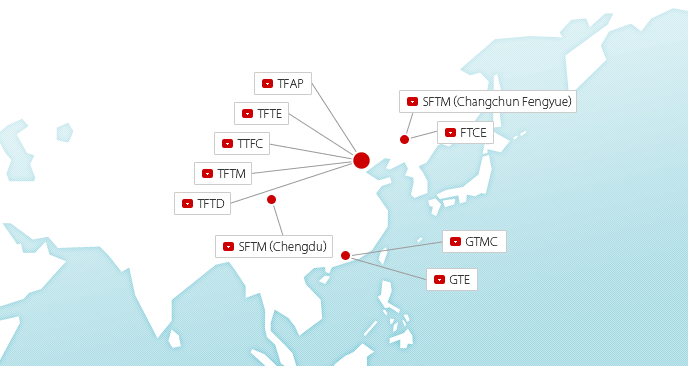
Toyota has been building towards this for a while. The Shanghai facility, located in the city’s Jinshan district, is Toyota’s first wholly owned EV manufacturing plant in China, backed by an investment of around 14.6 billion yuan, roughly $3 billion in Australia. It was set up specifically to develop and build Lexus battery-electric vehicles and batteries locally.
Production will reportedly start modestly, at around 1000 vehicles a month in the first year, before ramping up to tens of thousands annually from 2028.
The decision to lead with China makes sense on paper. The country accounted for roughly 8.57 million battery-electric vehicle sales last year, around 60 per cent of the global total, according to GlobalData. That’s more than triple Europe’s EV volume and over 100 times what Japan sold. For a brand trying to stay relevant in the world’s largest EV market, that’s hard to ignore.
Lexus specifically sold 182,458 vehicles in China in 2025, against 370,260 in the US, underlining just how much is riding on getting this next model right.
What is gigacasting, and why does it matter?
The new Lexus is expected to be built using gigacasting, a manufacturing technique pioneered by Tesla that casts large sections of a car’s aluminium body as a single piece, rather than welding together dozens of smaller stamped parts.
Toyota first revealed it was developing its own gigacasting process back in 2023 and has since shown equipment capable of producing a large body section in around three minutes. Nikkei Asia reports the process can cut the weight of some body structures by up to 20 per cent, while also improving rigidity and reducing the number of components and assembly steps needed with flow-on benefits for driving range.
If it performs as promised, it’s the kind of manufacturing shift that could eventually filter through to Lexus and Toyota models built well outside China.
Will it come to Australia?
Don’t hold your breath for now. There’s no indication yet that this China-built Lexus is headed for Australia, and it’s being described as a model primarily aimed at Chinese buyers. Toyota has never exported a China-built vehicle to the Australian market, even as other Japanese brands start to. Mazda has already gone down this road with its 6e, with the CX-6e to follow, and Nissan is expected to bring a range of China-developed models Down Under, including a Frontier Pro plug-in hybrid ute.
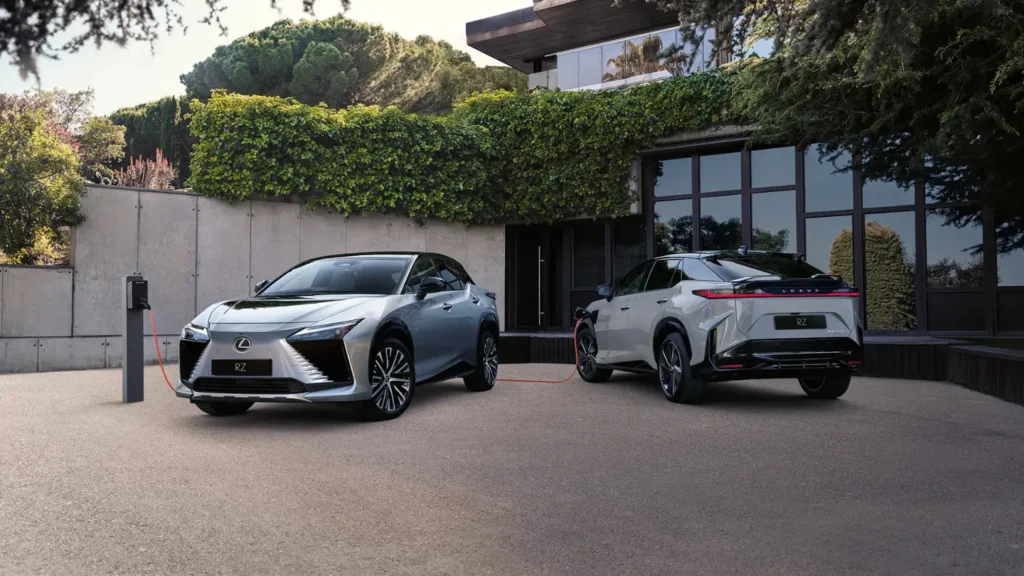
Locally, Lexus Australia currently offers two EVs, the RZ crossover and the ES sedan. The larger TZ electric SUV, unveiled earlier this year, hasn’t been confirmed for Australia yet, but it’s already locked in for a 2027 New Zealand launch, which is usually a good sign it’s on the cards here too.
The bigger picture
Even if this particular Shanghai-built Lexus never reaches Australian showrooms, the platform and manufacturing tech developed for it could still shape future global Lexus models, including ones that eventually do land here. It’s also a sign of how much pressure Toyota is under from fast-moving Chinese rivals like BYD, and how seriously the world’s biggest carmaker is now taking China not just as a market, but as a development hub.
Worth watching, even from this side of the world.

Comments
New Comment