




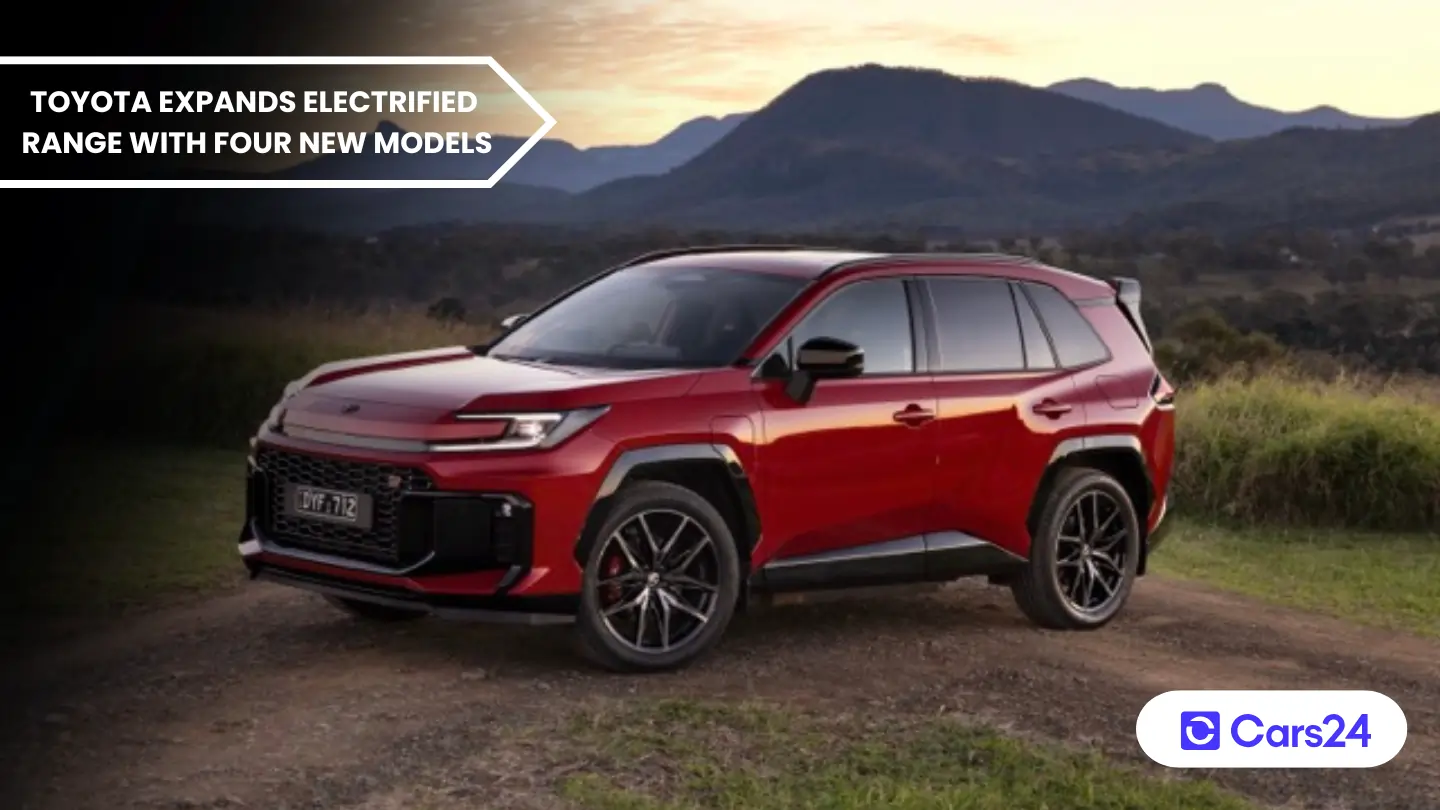
Toyota has reaffirmed its commitment to a multi-pathway approach to reducing vehicle emissions in Australia, announcing the arrival of four new electrified models that broaden its range of powertrain options.
The Japanese carmaker has added the first-ever plug-in hybrid version of the Toyota RAV4, a hybrid-powered Toyota LandCruiser 300 Series, the all-new Toyota bZ4X Touring electric SUV and the battery-electric Toyota HiLux BEV to its local portfolio.
According to Toyota, the additions mean it now offers seven different powertrain technologies across its Australian range, including petrol, diesel, hybrid, plug-in hybrid, battery electric and hydrogen fuel-cell options.
Toyota says one solution won’t suit every buyer
Toyota Australia Vice President Sales, Marketing and Franchise Operations John Pappas said the brand’s long-standing multi-pathway strategy reflects the varied needs of Australian motorists.
“As a brand that sells vehicles across the globe, Toyota has long recognised the value in pursuing a multi-pathway powertrain strategy as there is no ‘one-size fits all’ when it comes to customer needs and desires and driving our decarbonisation goals forward,” he said.
Toyota says it is targeting zero- and low-emissions vehicles, including plug-in hybrids, battery-electric vehicles and fuel-cell electric vehicles, to account for 30 per cent of its total Australian sales by the end of the decade.
RAV4 gains Toyota’s first plug-in hybrid powertrain
The biggest addition for mainstream buyers is the new RAV4 Plug-in Hybrid, which becomes Toyota Australia’s first PHEV offering.
Available in XSE and GR Sport grades, the new powertrain pairs a 2.5-litre petrol engine with a larger battery pack and can deliver up to 154km of EV-only driving in urban conditions, according to Toyota.
Power outputs range from 200kW in the front-wheel-drive XSE to 227kW in all-wheel-drive variants, making it the most powerful RAV4 sold in Australia.
Hybrid power comes to the LandCruiser 300
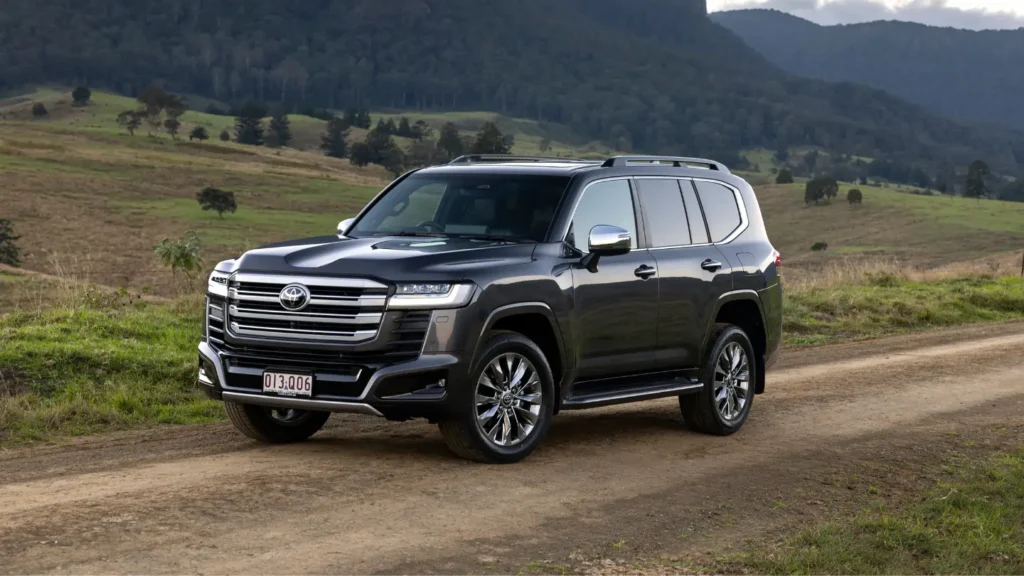
Toyota has also introduced a new performance hybrid version of the LandCruiser 300 Series.
Offered in Sahara ZX and GR Sport grades, the twin-turbocharged 3.5-litre V6 hybrid produces a combined 341kW and 790Nm, making it the most powerful LandCruiser available locally.
Toyota says the hybrid system is designed to improve performance for towing, long-distance touring and off-road driving while maintaining the capability expected from the LandCruiser nameplate.
Toyota expands its EV range
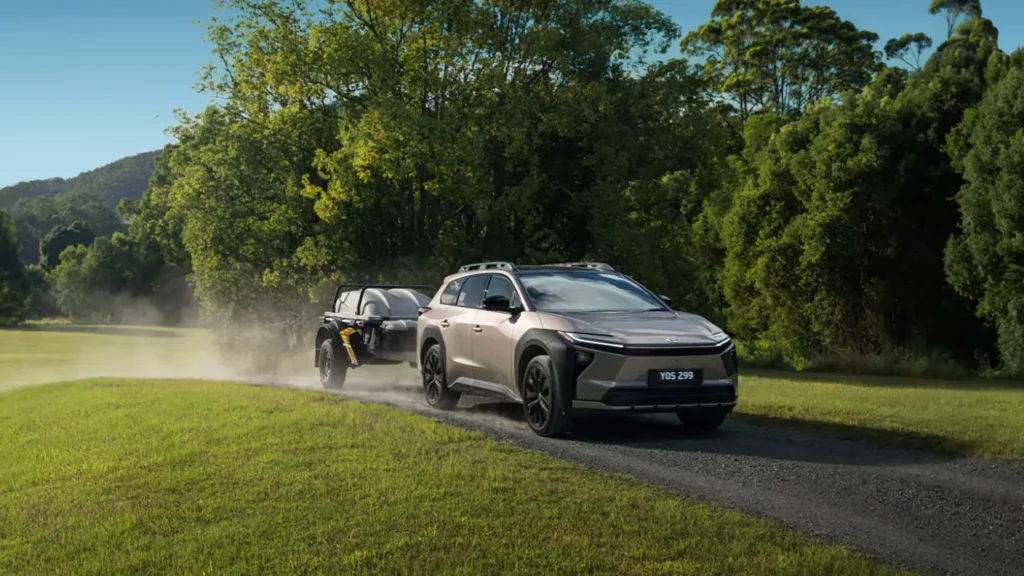
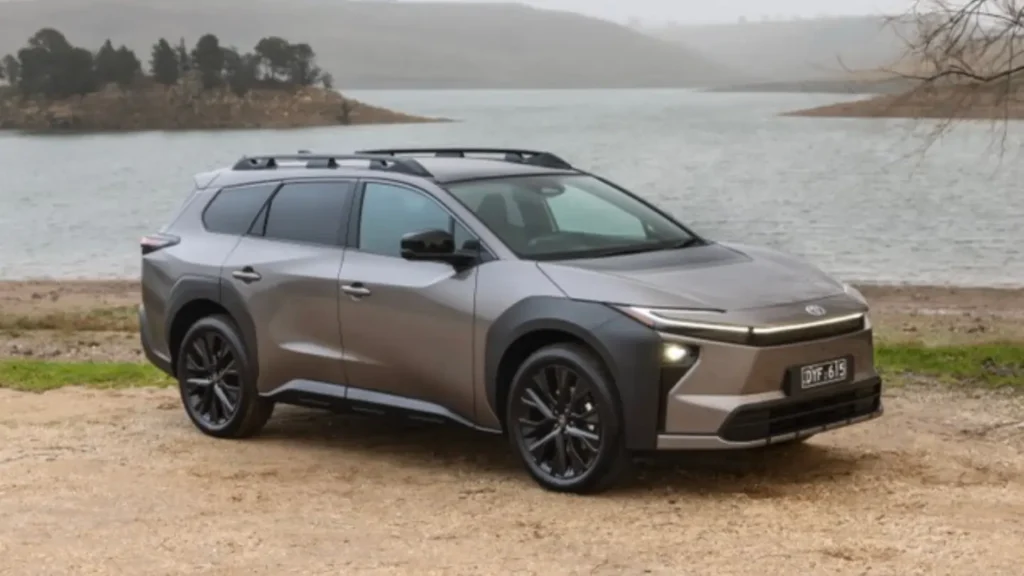
Alongside the upgraded bZ4X SUV, Toyota has launched the new bZ4X Touring.
The larger electric SUV features a more practical rear cargo area and is available exclusively with all-wheel drive. Total system output is rated at 280kW, making it significantly more powerful than the standard bZ4X.
Toyota says the Touring has been developed for buyers with active lifestyles who require additional space and capability for weekend trips and family travel.
Toyota HiLux goes electric
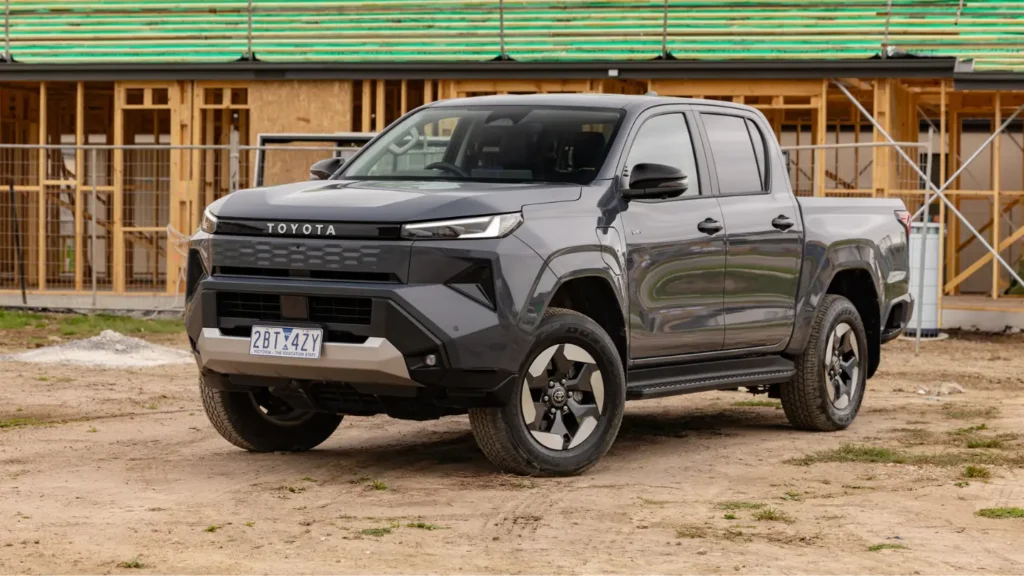
The fourth new model is the Toyota HiLux BEV, the brand’s first battery-electric ute.
Initially aimed at mining, fleet and government customers, the electric HiLux is available in SR and SR5 double-cab configurations.
The HiLux BEV uses a 59.2kWh lithium-ion battery and offers a claimed driving range of up to 315km in pick-up form, while cab-chassis variants can travel up to 245km on a charge.
Payload capacities range from 715kg to 855kg, while towing capacity is rated at 2000kg.
More EVs and hydrogen models on the way
Toyota says its electrification plans will continue beyond these four models.
The company has confirmed the arrival of a battery-electric C-HR in 2026 and continues to invest in hydrogen fuel-cell technology globally.
In Australia, the hydrogen-powered Mirai remains available through selected fleet leasing programs, while a hydrogen-powered HiLux FCEV is scheduled to arrive in 2028.
For now, Toyota’s latest announcements underline the company’s belief that hybrids, plug-in hybrids, EVs, hydrogen vehicles and conventional engines will all continue to play a role in Australia’s transition to lower-emission motoring.

Comments
New Comment