




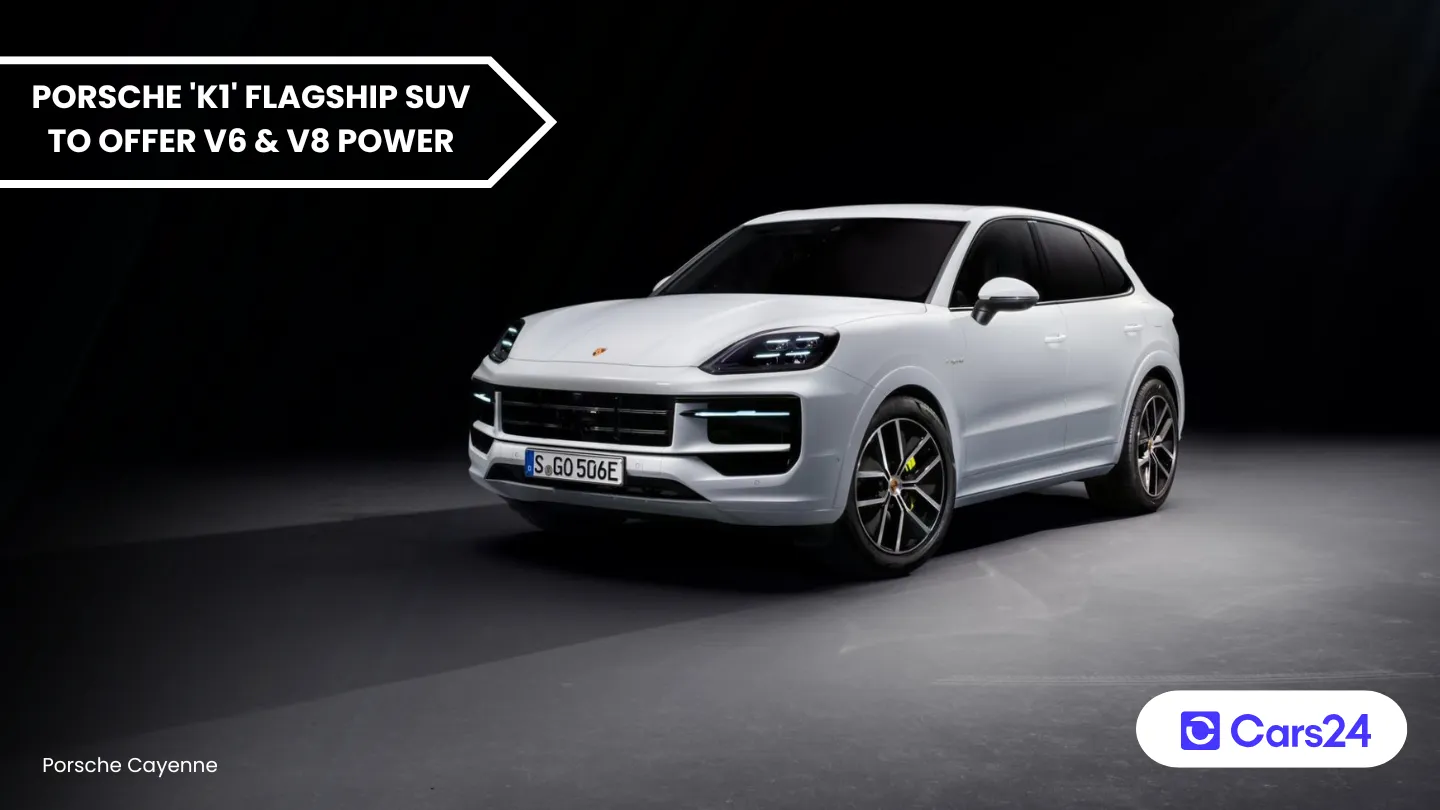
Porsche is preparing to enter the full-size 7-seat SUV segment with a new flagship model, codenamed ‘K1.’ It will launch with traditional combustion and plug-in hybrid (PHEV) power, not as an EV-only model as previously expected.
Reportedly, K1 will be closely related to the upcoming Audi Q9 and is expected to debut around a year after Audi’s new large SUV arrives later in 2026. Audi and Porsche are both part of the Volkswagen Group.
Platform and engineering
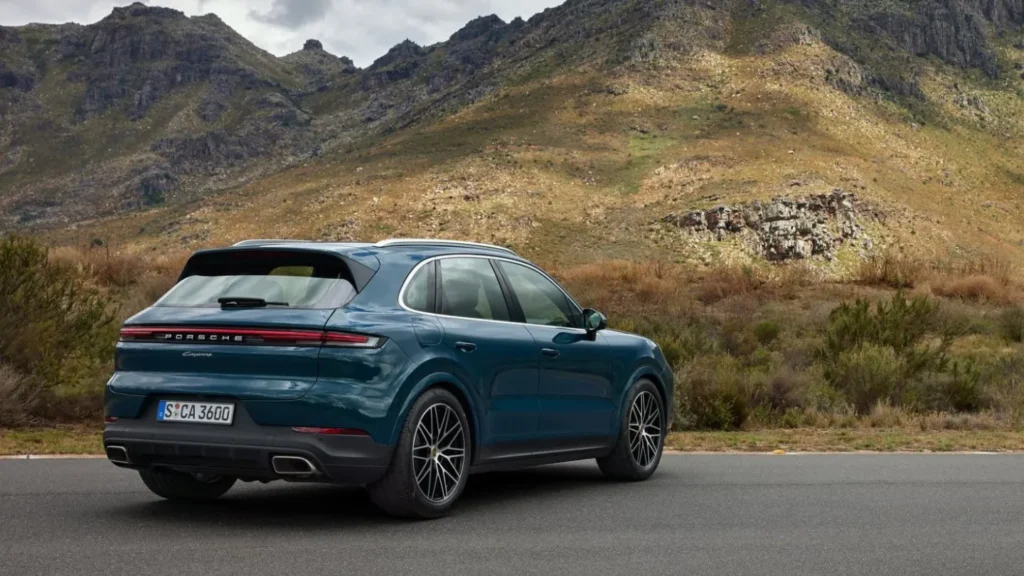
The upcoming “K1” SUV will ride on the Volkswagen Group’s Premium Platform Combustion (PPC) architecture. PPC is an evolution of the MLB Evo platform currently underpinning the Porsche Cayenne, Audi Q7, and Audi Q8.
It also shares electrical architecture with PPE (Premium Platform Electric) vehicles such as the Porsche Macan and Porsche Cayenne Electric.
V6 and V8 powertrains confirmed
After originally being planned as an electric-only SUV, Porsche has revised its strategy. The K1 is now expected to launch with a 3L turbocharged V6, a 4L twin-turbocharged V8, and petrol-electric plug-in hybrid variants.
These engines are likely to mirror those used in the Cayenne, offered in multiple states of tune. An all-electric version has not been ruled out, but it is now expected to arrive later in the decade.
More: Porsche to keep petrol engine, flagship e-SUV delayed
K1 SUV production location
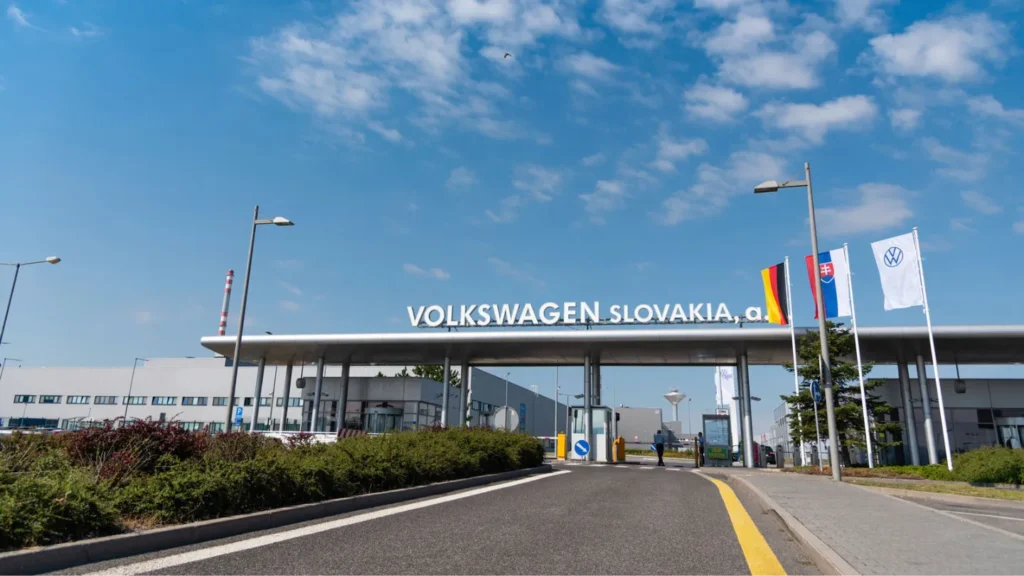
The K1 is reportedly set to be built at Volkswagen Group’s factory in Slovakia, alongside the Porsche Cayenne, Audi Q7, Audi Q8, Volkswagen Passat, Skoda Superb, Audi Q9, and Porsche Cayenne Electric.
While the electric K1 was initially earmarked for production in Leipzig, Germany, Porsche is reportedly considering Slovakia for that version as well, potentially linking it more closely to the Cayenne Electric’s PPE platform.
Market positioning and strategy
The K1 will sit above the Cayenne in Porsche’s SUV hierarchy, positioned as a flagship. Porsche executives described the K1 as an E-segment (upper-large) SUV, a larger and more upright vehicle than the Cayenne.
It is expected to target key markets such as the US and China, and could offer four, five, and seven-seat configurations.
Porsche’s broader strategy
The move reflects Porsche’s evolving approach to electrification. While EV development continues, the brand is retaining combustion and hybrid power in core segments.
In parallel, Porsche is also expected to develop a new internal combustion engine (ICE) medium SUV using a smaller version of the PPC platform, effectively an indirect successor to the original Macan.
More: Audi Q7 gains new S line Editions
What this means for the buyers
The K1 signals Porsche’s intention to compete directly in the luxury full-size SUV space with a combustion-powered flagship, at least initially, while keeping the door open for a fully electric derivative later this decade.
For buyers seeking a larger, more premium alternative to the Cayenne with traditional V6 and V8 performance, Porsche’s biggest SUV yet is on the horizon.

Comments
New Comment