




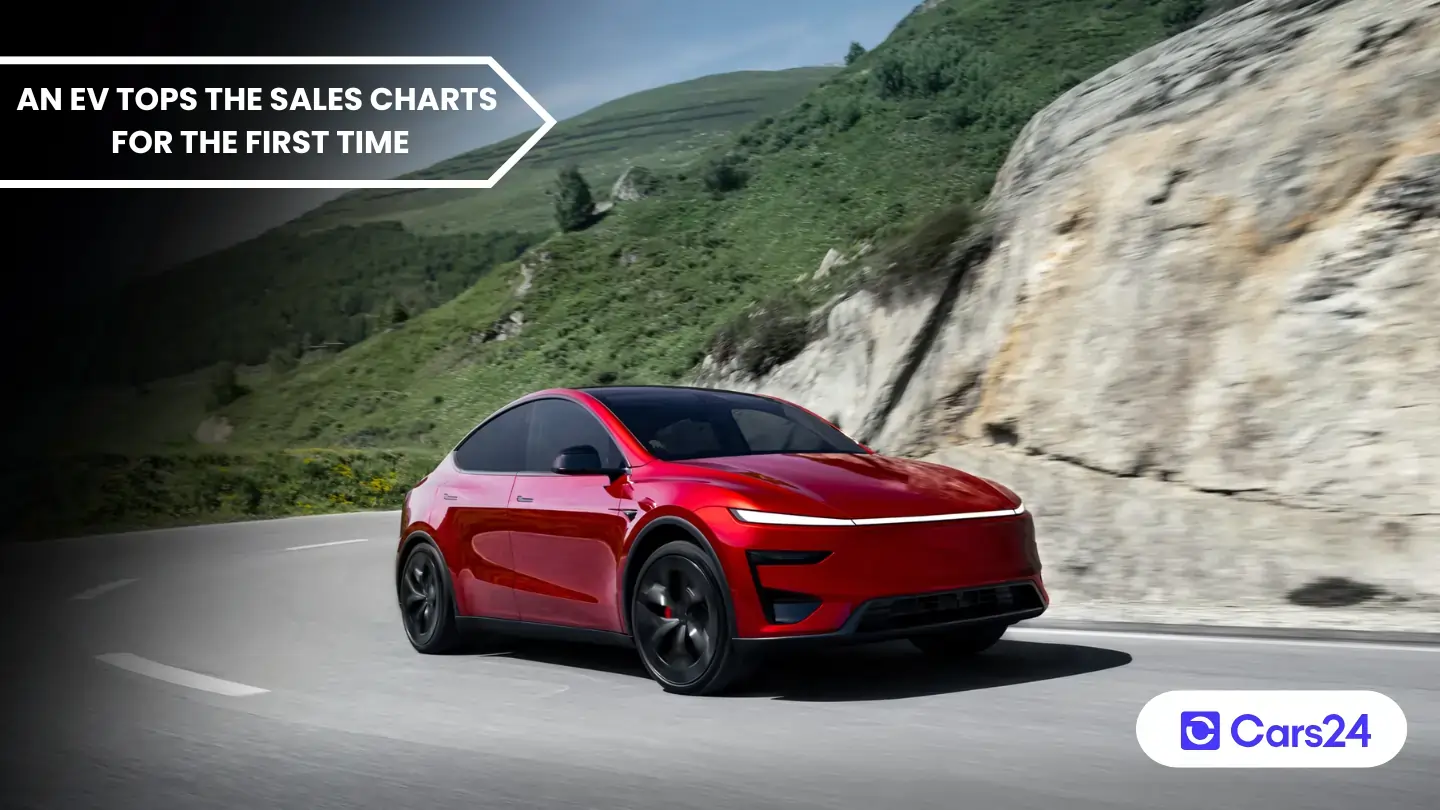
The overall market dipped 4.8 per cent, but the story is what’s happening inside: SUVs now command nearly two-thirds of all sales, petrol collapsed by nearly a third, and China is the single largest source country for new vehicles sold in Australia.
Total sales
100,206
↓ 4.8% vs May 2025
SUV share
64.1%
↑ from 60.5% a year ago
Light commercial
20,025
↓ 14.8% YoY
YTD total
475,659
↓ 2.2% vs 2025 YTD
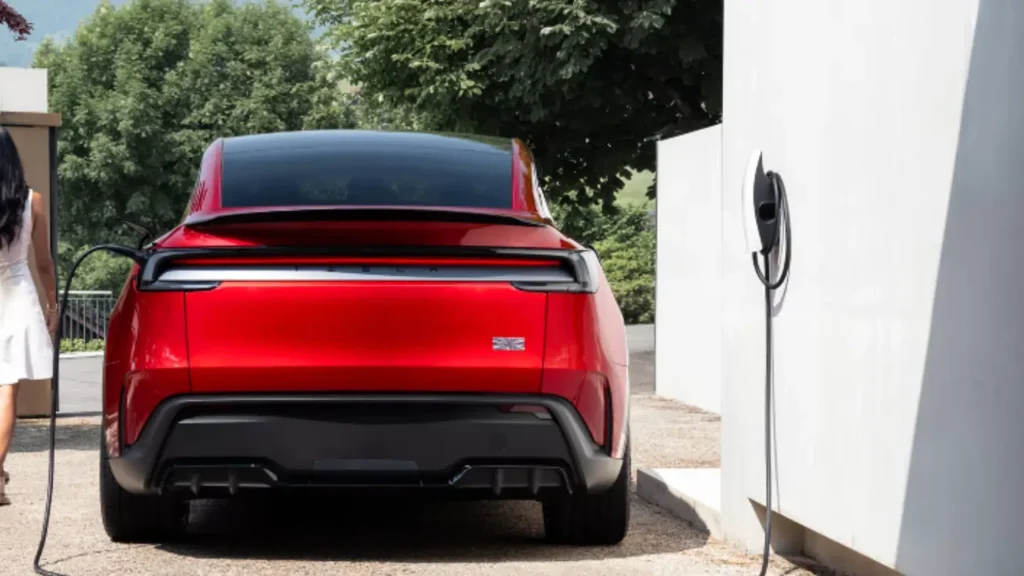
The Tesla Model Y topped Australia’s new-vehicle sales chart in May 2026, a first for any electric car. It is a striking milestone. But to read May’s VFACTS data as a story about one car is to miss the broader structural shift buried in the numbers: Australia’s new-vehicle market is being fundamentally reordered around propulsion type and country of origin, faster than most forecasters expected.
The FCAI recorded 100,206 deliveries in May, down 4.8 per cent year-on-year. Year-to-date, the market sits at 475,659 units, off 2.2 per cent from the first five months of 2025. The decline is real but deeply uneven. SUVs posted growth, the only major category to do so, while passenger cars, utes, and heavy commercial all fell. The internal composition of that headline figure tells a different story to the number itself.
Market overview by category
| Category | May 2026 | May 2025 | YTD 2026 | Change (mth) |
| Passenger | 12,605 | 14,166 | 62,718 | ↓ 11.0% |
| SUV | 64,214 | 63,699 | 298,873 | ↑ 0.8% |
| Light commercial | 20,025 | 23,493 | 98,609 | ↓ 14.8% |
| Heavy commercial | 3,362 | 3,927 | 15,459 | ↓ 14.4% |
| Total market | 100,206 | 105,285 | 475,659 | ↓ 4.8% |
The propulsion shift
Battery electric vehicles recorded 14,622 deliveries in May, up 146.8 per cent year-on-year in FCAI-reported categories, with the EVC’s broader tally including Tesla reaching 21,303. Plug-in hybrids surged even harder, rising 202.3 per cent to 9,315 units. Conventional hybrids grew more modestly at 11.3 per cent, reaching 19,024 sales. The other side of that equation is equally stark: petrol-powered vehicles fell 30.3 per cent, now accounting for less than 29,000 units and barely a quarter of total sales. Diesel dropped 26.2 per cent.
Combined, internal combustion engines now represent just over half of new-vehicle sales, a threshold that would have seemed improbable three years ago. The direction of travel is not in doubt, even if May’s elevated EV share was partly driven by high fuel prices from the Middle East conflict, which manufacturers have warned may normalise in coming months.
“Petrol fell below 30 per cent of new-vehicle sales for the first time. Diesel is not far behind.”
Fuel type breakdown
| Fuel type | May 2026 | May 2025 | YTD 2026 | Change (mth) |
| Petrol | 28,692 | 41,147 | 155,238 | ↓ 30.3% |
| Diesel | 25,191 | 34,115 | 127,371 | ↓ 26.2% |
| Electric (FCAI/EVC) | 14,622 / 21,303 | 5,925 | 55,280 | ↑ 146.8% |
| Hybrid | 19,024 | 17,089 | 84,138 | ↑ 11.3% |
| PHEV | 9,315 | 3,081 | 38,173 | ↑ 202.3% |
The country of origin story
If propulsion is the how, country of origin is the who. China accounted for 30,548 new vehicles in May, up 77.2 per cent year-on-year, and comfortably the single largest source country. Japan, traditionally dominant, fell 28.9 per cent to 22,832. Thailand dropped 22.1 per cent to 17,552, dragged down by the ute segment it largely supplies. Korea rose 5.2 per cent. The US fell 46.3 per cent, reflecting the steep decline in Mustang deliveries.
The implications reach far beyond the BYD result. Geely posted 2,636 deliveries, up 415.9 per cent. Omoda Jaecoo recorded 2,570 units, up 729 per cent, its J5 cracking the top 10 as a new model. Zeekr delivered 1,043 vehicles, up more than 999 per cent. Seven of the top 20 best-selling models came from Chinese brands.
Country of origin
| Country | May 2026 | May 2025 | YTD 2026 | Change (mth) |
| China | 30,548 | 17,241 | 128,559 | ↑ 77.2% |
| Japan | 22,832 | 32,110 | 117,332 | ↓ 28.9% |
| Thailand | 17,552 | 22,540 | 90,241 | ↓ 22.1% |
| Korea | 13,184 | 12,531 | 60,676 | ↑ 5.2% |
| Germany | 4,597 | 4,916 | 22,166 | ↓ 6.5% |
| USA | 2,059 | 3,836 | 9,764 | ↓ 46.3% |
| India | 487 | 412 | 2,208 | ↑ 18.2% |
Winners and the squeezed
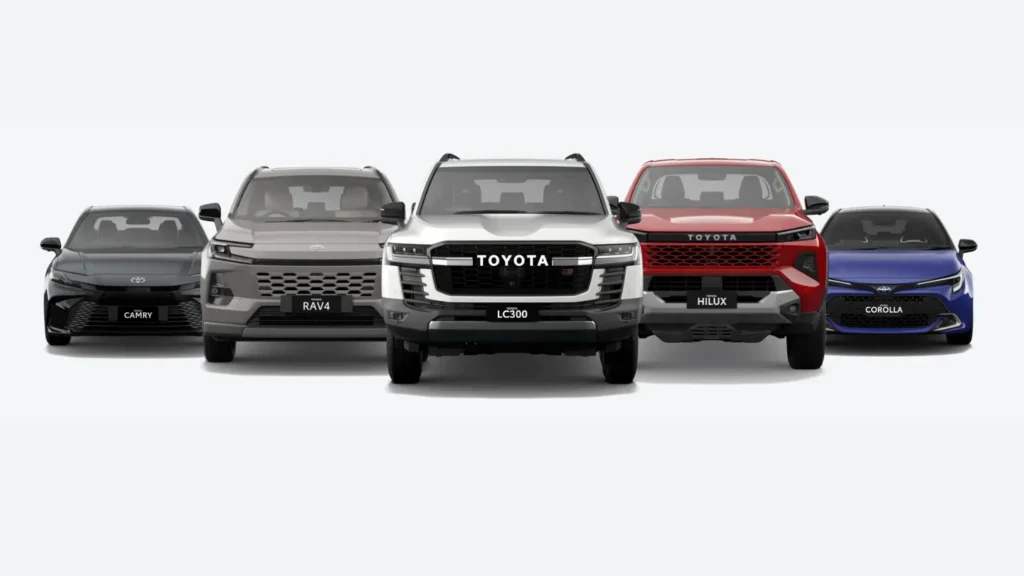
Toyota retained the top brand position with 16,342 deliveries but shed 30.7 per cent year-on-year, a decline of more than 7,000 units in a single month. The full new-generation HiLux range is now in showrooms, yet the model still fell 19.1 per cent. The Prado dropped 63.9 per cent to 987 units due to supply constraints. The Kluger fell 70.7 per cent. Even the Yaris was down significantly. Only the bZ4X, Camry, and HiAce posted increases.
BYD was Australia’s second-best-selling brand for the second consecutive month, delivering 8,211 vehicles, up 154.6 per cent. Its Sealion 7 rose 215.2 per cent to 1,538 units; its Atto 1 became Australia’s best-selling light car outright. Hyundai and Kia both held ground at fourth and fifth, with the Kona retaining the small SUV crown despite intensifying Chinese competition, and the Tucson rising 27.5 per cent. Mazda fell to seventh on 5,698 units, down 27.4 per cent, with no EV available for immediate delivery and every model bar the CX-60 and MX-5 posting double-digit declines. The absence of an EV in the showroom is becoming a measurable drag.
Top 10 brands, May 2026
| # | Brand | May 2026 | May 2025 | vs YoY |
| 1 | Toyota | 16,342 | 23,576 | ↓ 30.7% |
| 2 | BYD | 8,211 | 3,225 | ↑ 154.6% |
| 3 | Ford | 7,195 | 8,464 | ↓ 15.0% |
| 4 | Hyundai | 7,007 | 6,708 | ↑ 4.5% |
| 5 | Kia | 6,761 | 6,903 | ↓ 2.1% |
| 6 | Tesla | 6,433 | , | ↑ 65.1% |
| 7 | Mazda | 5,698 | 7,845 | ↓ 27.4% |
| 8 | GWM | 4,660 | 4,272 | ↑ 9.1% |
| 9 | Chery | 4,401 | 2,755 | ↑ 59.7% |
| 10 | MG | 3,872 | 3,270 | ↑ 18.4% |
Read more: Top-selling car brands in Australia for May 2026
Top 20 models, May 2026
| # | Model | May 2026 | vs May 2025 |
| 1 | Tesla Model Y | 5,605 | ↑ 56.6% |
| 2 | Ford Ranger | 4,474 | ↓ 6.0% |
| 3 | Toyota HiLux | 4,005 | ↓ 19.1% |
| 4 | Toyota RAV4 | 3,865 | ↓ 3.4% |
| 5 | Hyundai Kona | 2,291 | ↑ 17.4% |
| 6 | Hyundai Tucson | 2,287 | ↑ 27.5% |
| 7 | Omoda Jaecoo J5 | 2,172 | New model |
| 8 | Chery Tiggo 4 Pro | 2,123 | ↑ 23.1% |
| 9 | Isuzu D-Max | 1,916 | ↓ 27.5% |
| 10 | Ford Everest | 1,876 | ↓ 20.8% |
| 11 | Geely EX5 | 1,814 | ↑ 255.0% |
| 12 | Kia Sportage | 1,797 | ↑ 26.4% |
| 13 | GWM Haval Jolion | 1,674 | ↑ 15.8% |
| 14 | BYD Sealion 7 | 1,538 | ↑ 215.2% |
| 15 | Mitsubishi Triton | 1,449 | , |
| 16 | Mitsubishi Outlander | 1,403 | ↑ 0.5% |
| 17 | Mazda CX-5 | 1,368 | ↓ 39.6% |
| 18 | Toyota LandCruiser Wagon | 1,262 | , |
| 19 | BYD Shark 6 | 1,244 | New model |
| 20 | Chery Tiggo 7 Pro | 1,202 | ↑ 203.5% |
Read more: Top-selling car models in Australia for May 2026
The medium SUV boom, and large SUV retreat
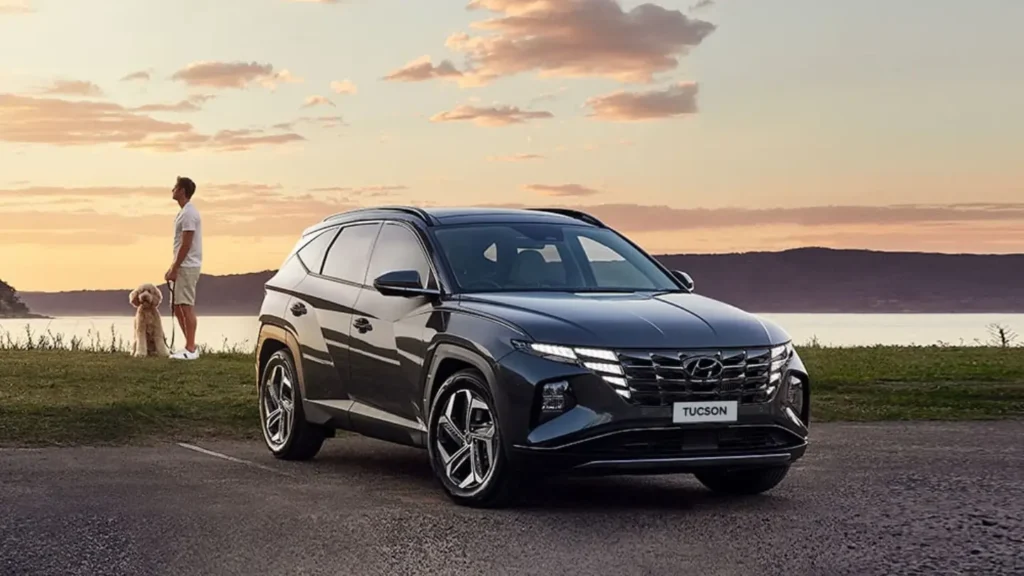
Medium SUVs were the standout segment of the month and the year. With 28,464 units, the segment now accounts for 28.4 per cent of the total market, up from 21.5 per cent in May 2025, and up 25.6 per cent year-on-year. The Toyota RAV4 led at 3,865, followed by the Hyundai Tucson at 2,287 and the Geely EX5 at 1,814. The Zeekr 7X debuted with 966 units in the medium SUV above the $65k band, outselling both the BMW X3 and Mazda CX-60 in its first meaningful month of volume.
Large SUVs tell the opposite story, falling 23.9 per cent to 11,876 units. The Prado dropped 63.9 per cent to 987 units due to supply constraints. The Kluger fell 70.7 per cent to just 400 units. The Ford Everest at 1,876 and Isuzu MU-X at 1,062 held the segment together.
Read more: Top-selling SUVs in Australia for May 2026
SUV segments, top three sellers, May 2026
SUV Light
Mazda CX-3 (782) · Suzuki Jimny (656) · Yaris Cross (635)
SUV Small <$45k
Hyundai Kona (2,291) · Jaecoo J5 (2,172) · Chery Tiggo 4 (2,123)
SUV Small >$45k
Kia EV3 (531) · BMW X1/iX1 (482) · Mercedes GLA (311)
SUV Medium <$65k
Toyota RAV4 (3,865) · Hyundai Tucson (2,287) · Geely EX5 (1,814)
SUV Medium >$65k
Zeekr 7X (966) · BMW X3/iX3 (526) · Mazda CX-60 (506)
SUV Large <$80k
Ford Everest (1,876) · Isuzu MU-X (1,062) · Toyota Prado (987)
SUV Large >$80k
BMW X5 (429) · Land Rover Defender (390) · Lexus RX (183)
SUV Upper Large <$120k
LandCruiser (1,262) · Nissan Patrol (428) · Denza B8 (296)
Passenger cars and utes
Passenger car volume fell 11.0 per cent to 12,605, its market share now just 12.6 per cent. Sports cars fell 43.5 per cent, with the Ford Mustang down 82.4 per cent as it winds down its generation, Honda’s new Prelude stepped in with 142 units to lead the sub-$90k sports segment. The BYD Atto 1 became the best-selling light car outright with 768 units. The Mazda 6 recorded zero sales after 107 in May 2025, confirming its market exit.
The 4×4 ute segment, long the defining category of the Australian market, fell 18.0 per cent to 14,891 units. The Ranger held second overall on combined figures; the HiLux third. Both fell year-on-year despite the full new-generation HiLux range now being in showrooms. The premium ute segment above $100k was the sole light commercial growth story, rising 44.2 per cent to 851 units.
Passenger car segments, top three sellers, May 2026
Micro
Kia Picanto (548) · Fiat 500 (14)
Light
BYD Atto 1 (768) · MG MG3 (601) · Suzuki Swift (248)
Small <$45k
Toyota Corolla (1,069) · Mazda 3 (659) · Hyundai i30 (590)
Small >$45k
MG MG4 (580) · Volkswagen Golf (182) · Audi A3 (162)
Medium <$60k
Toyota Camry (1,034) · BYD Seal (581) · Kia EV4 (47)
Medium >$60k
BMW 3 Series (136) · Mercedes C-Class (123) · Mercedes CLA (101)
People movers
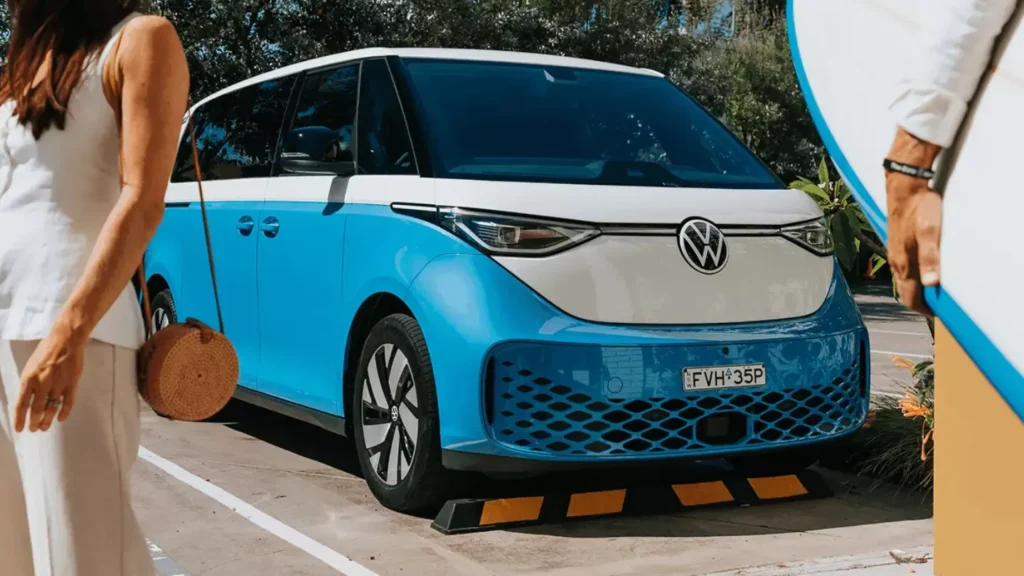
Kia Carnival (857) · VW ID. Buzz (108) · Hyundai Staria (90)
Sports <$90k
Honda Prelude (142) · Ford Mustang (127) · Mazda MX-5 (82)
4×4 Utes
Ford Ranger (4,051) · Toyota HiLux (3,685) · Isuzu D-Max (1,336)
Utes >$100k
Ford F-150 (203) · Ram 1500 (177) · Chevrolet Silverado (170)
Read more: Best-selling car brands in Australia for April 2026 (VFACTS)
Sales by state and territory
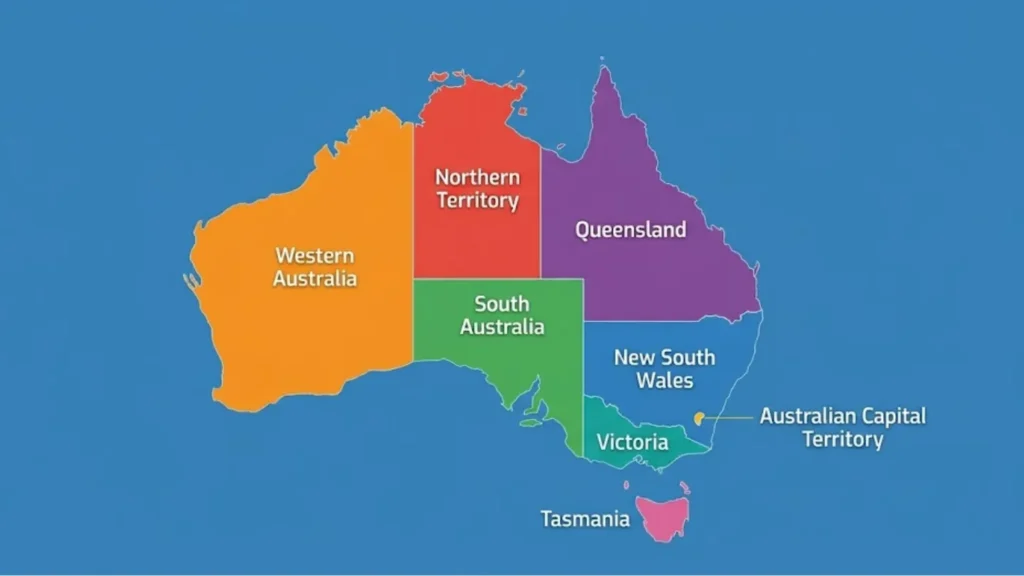
Queensland posted the sharpest state decline at 8.9 per cent, followed by the Northern Territory at 6.5 per cent. New South Wales and Victoria, which together account for more than half of national volume, fell 3.0 and 4.6 per cent respectively. Tasmania was the only state to grow, up 5.2 per cent to 1,630 units. Note: state-level FCAI data excludes Tesla and Polestar registrations.
| State/Territory | May 2026 | May 2025 | YTD 2026 | Change (mth) |
| New South Wales | 31,205 | 32,177 | 144,377 | ↓ 3.0% |
| Victoria | 27,343 | 28,671 | 129,877 | ↓ 4.6% |
| Queensland | 20,885 | 22,924 | 102,035 | ↓ 8.9% |
| Western Australia | 10,507 | 11,084 | 50,595 | ↓ 5.2% |
| South Australia | 6,454 | 6,596 | 30,442 | ↓ 2.2% |
| Tasmania | 1,630 | 1,549 | 7,819 | ↑ 5.2% |
| ACT | 1,368 | 1,413 | 6,686 | ↓ 3.2% |
| Northern Territory | 814 | 871 | 3,828 | ↓ 6.5% |
| Total | 100,206 | 105,285 | 475,659 | ↓ 4.8% |
Read more: Top-selling car models in Australia for April 2026
Sales by buyer type
Government purchasing fell the most sharply at 19.2 per cent, with rental fleet demand also down 14.7 per cent. Private and business buyers declined more modestly, and notably, private SUV buyers actually grew 3.0 per cent year-on-year, suggesting consumer demand is not the weak point. The decline is concentrated in fleet, rental, and government categories.
| Buyer type | May 2026 | May 2025 | Change |
| Private | 51,246 | 52,728 | ↓ 2.8% |
| Business | 38,277 | 39,893 | ↓ 4.1% |
| Rental | 4,957 | 5,810 | ↓ 14.7% |
| Government | 2,364 | 2,927 | ↓ 19.2% |
What comes next?
The FCAI’s Tony Weber noted that the New Vehicle Efficiency Standard is demonstrably encouraging manufacturers to bring more low-emissions vehicles to market, expanding both choice and availability. He flagged regulatory stability and charging infrastructure growth as the critical variables for sustaining investment and consumer confidence through a period of global economic uncertainty.
The caveat on May’s numbers is real: the EV surge was partly pulled forward by fuel-price anxiety, and the industry expects deliveries to cool as that effect normalises. But the direction of the market is not in doubt. Petrol fell below 30 per cent of new-vehicle sales for the first time. Diesel is not far behind. China is now the largest source country by volume. Medium SUVs have overtaken utes as the market’s engine room. And for one month at least, the best-selling car in Australia ran on a battery.
The Model Y milestone will be remembered. The data around it is what matters.

Comments
New Comment