




Key highlights
- Volkswagen Amarok W600 keeps Volkswagen’s 3.0-litre turbo-diesel V6 with 184kW and 600Nm
- Walkinshaw has tuned the suspension and chassis for sharper on-road handling
- The W600 retains 3500kg towing capacity and a 954kg payload
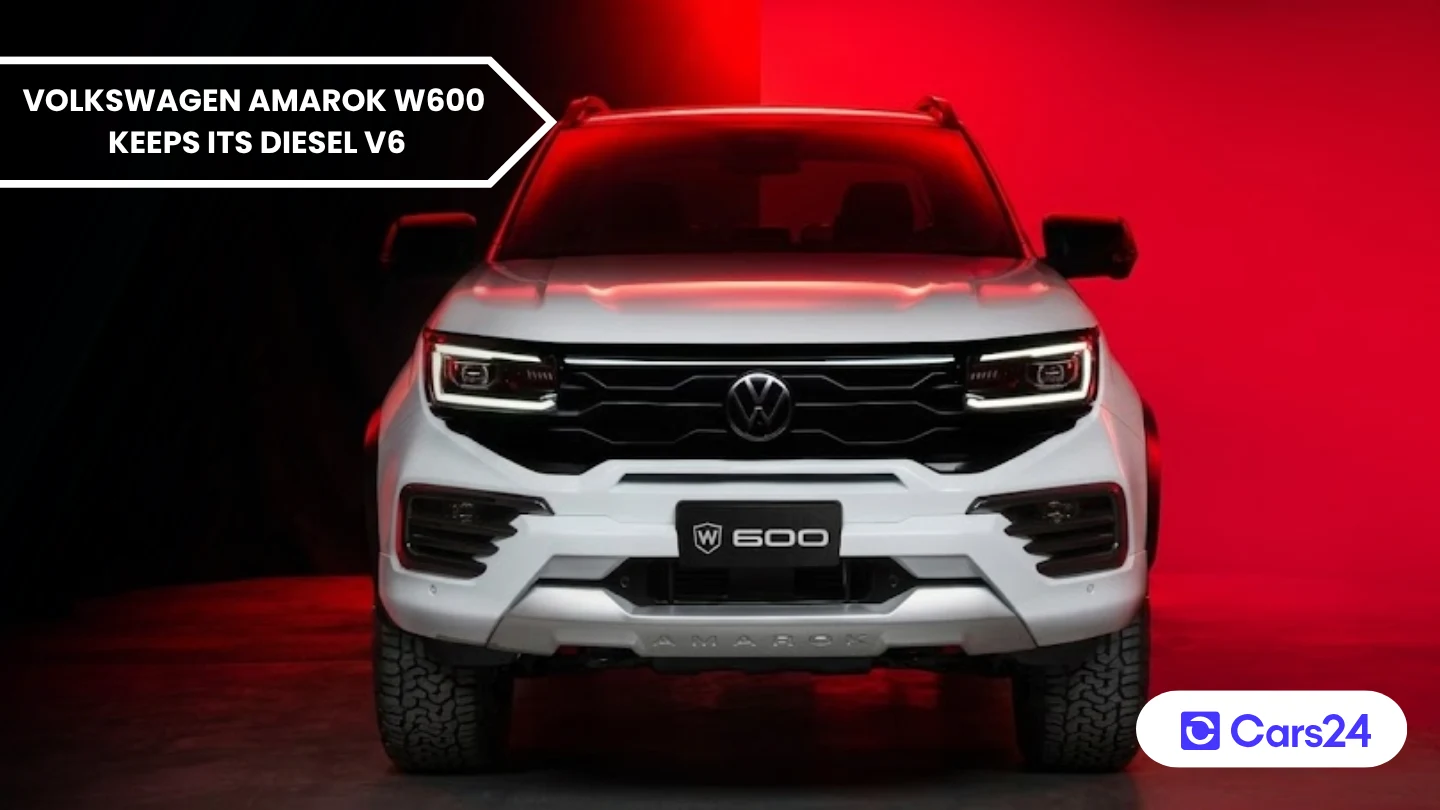
Volkswagen has gone the slightly unusual route with its latest performance ute, retaining the 3.0-litre turbo-diesel V6 in the new Amarok W600 rather than swapping to a petrol engine. The Volkswagen Amarok W600, developed with Australian performance specialist Walkinshaw, promises more focused on-road dynamics without sacrificing the towing and on/off-road capabilities of a dual-cab ute.
Which means the W600 retains the familiar TDI600 V6, delivering 184kW and 600Nm, the same figures as the standard V6-powered Amarok, with improvements in performance coming from the W600’s chassis.
Read more: Next Volkswagen Amarok may share LDV Terron 9 platform
Why the Amarok W600 keeps its diesel V6
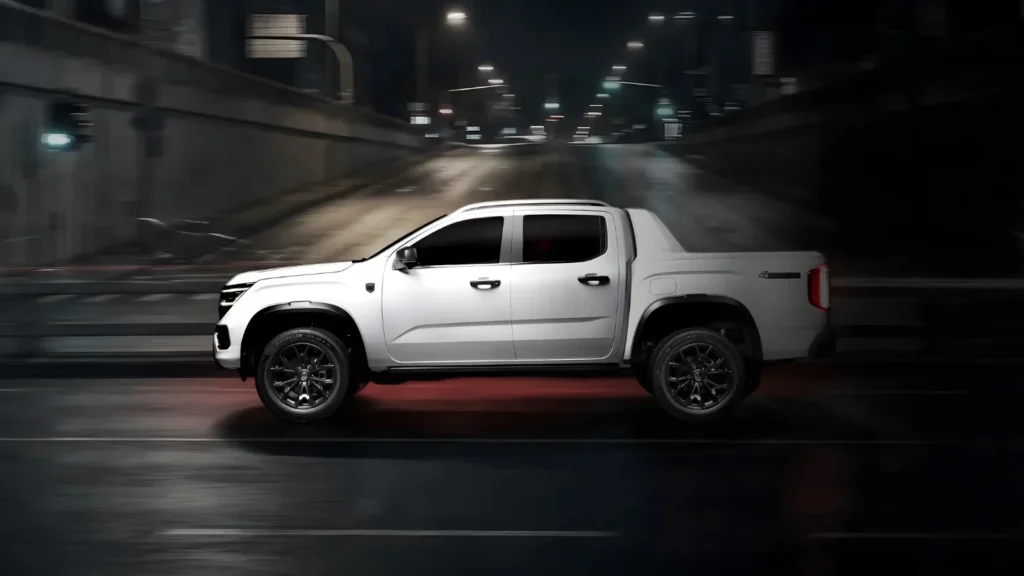
Volkswagen looked at a number of powertrain options for the W600; petrol and diesels were available in the Amarok and wider Ford Ranger family, but the V6 diesel was ultimately selected due to a combination of torque figures, towing capability and weight distribution that would complement the Walkinshaw-tuned underpinnings. This last point is crucial; the W600 isn’t just an up-specced version with larger wheels and a handful of added visual and mechanical bits, but rather Walkinshaw has utilised its own V6 ute-specific development to tweak the suspension and chassis set-up.
The 3.0-litre diesel also provides the Amarok with 600Nm of torque for both everyday use and towing. The W600 preserves a 3500kg braked towing capacity, but the payload is up to 954kg. For an Australian performance ute, that makes the W600 very different from a Ford Ranger Raptor, which prioritizes outright performance with a twin-turbo petrol V6.
The W600 gets a chassis-focused performance upgrade
The W600 gets a chassis-focused performance upgrade. Whereas Walkinshaw has concentrated on enhancing the Amarok’s abilities on sealed roads, rather than striving to create a huge increase in engine output from the 3.0-litre V6 diesel powerplant.
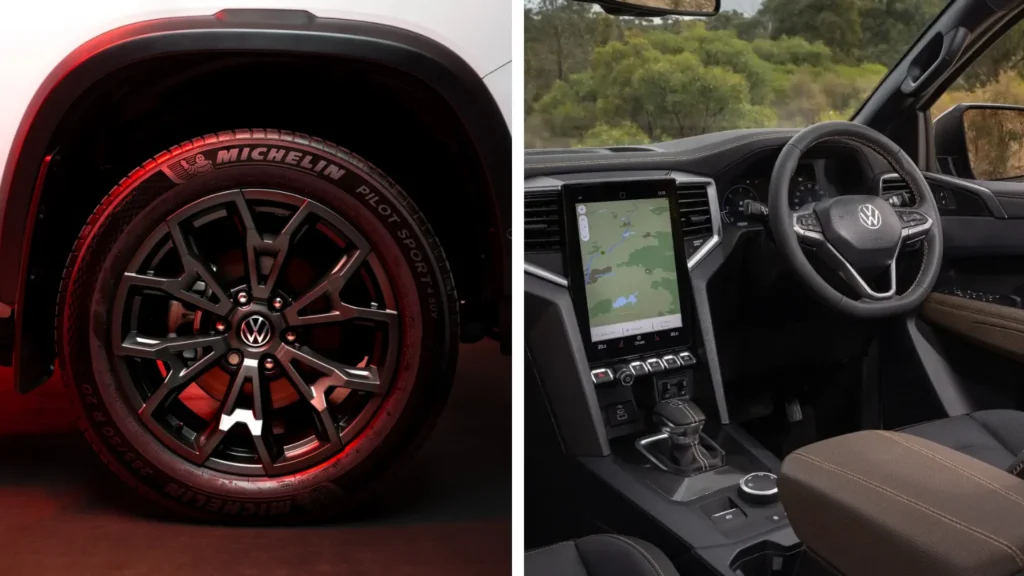
The W600 receives Koni suspension dampers and a 22mm rear sway bar, as well as 20-inch alloy wheels that are wider than the standard 19-inch alloys. The wider 20-inch wheels also have Michelin Pilot Sport 4 SUV tyres, which provide the ute with a far more road-focused tyre specification than the all-terrain profile of the tyres that are usually associated with performance-oriented dual-cabs.
The combination of the improved suspension and tyres should provide the W600 with better body control and sharper responses through corners, while the bigger rear sway bar should help reduce body roll. The upgrades also highlight the intentions of the W600, which is not aimed at transforming the Amarok into a hardcore off-road vehicle, but instead targets those that want a sportier dual-cab ute for everyday road driving, without losing the practical attributes that come with a one-tonne class pickup.
Why not use the Amarok’s petrol engine?
The Volkswagen Amarok is currently available with a 2.3-litre turbocharged four-cylinder petrol engine, which outputs 222kW and 452Nm. On paper, this would appear to be an obvious candidate for a performance-focused Amarok, as it provides more power than the diesel V6, and still provides a 3500kg towing capacity.
However, simply fitting the petrol engine into the W600 would require further development of the chassis. Due to the petrol engine having a different weight and balance to the diesel V6, it would require the suspension, damping and handling characteristics that have been developed by Walkinshaw to be redeveloped to accommodate the petrol engine.
This essentially makes another engineering program that would be required to utilise the petrol engine, instead of a straight engine swap.
The even more powerful 292kW/583Nm 3.0-litre twin-turbo petrol V6 that is used by the Ford Ranger Raptor also does not form part of the W600 package.
And that’s where the Amarok W600 becomes more interesting. Volkswagen is not trying to create the most powerful dual-cab ute on the market, but instead the W600 is looking to extract more driving enjoyment from the Amarok platform without sacrificing its utility as a workhorse.
What else changes on the Amarok W600?
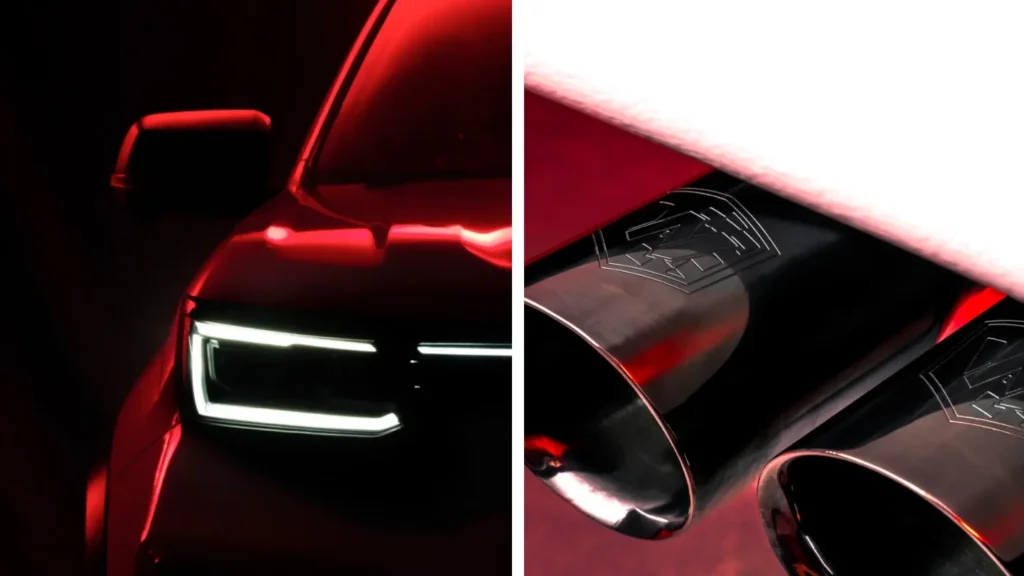
Walkinshaw’s mechanical changes are complemented by a more distinctive exterior appearance for the W600. A new bumper and grille, an updated front light signature, as well as power-retractable side steps all contribute to the exterior changes.
The 20-inch alloy wheels and dual-tip side-exit exhaust also contribute to a more aggressive appearance, as well as a different exhaust note from the dual-tailpipe exhaust outlets. Inside, the W600 is based on the existing Amarok’s cabin specification, with the same technology and equipment package. The result is a performance-oriented Amarok that takes a different approach to the increasingly common high-output petrol ute.
When is the Amarok W600 coming to Australia?
The Volkswagen Amarok W600 is being produced specifically for the Australian market, with Volkswagen Australia planning to produce 200 examples for the 2026 model year. Its combination of a diesel V6, 600Nm of torque, 3500kg towing capacity and Walkinshaw-developed chassis gives it a fairly unique positioning in Australia’s dual-cab market. It may not have the headline power figures, but it might not be required for the W600.
It is essentially a road-focused performance variant of the Amarok, using the diesel V6’s torque and towing ability as its base, while allowing Walkinshaw’s chassis work to provide the extra appeal.

Comments
New Comment