




Key highlights:
- Volvo plans 13 new models globally by 2030
- A lower-priced SPA3 electric SUV is due in 2027
- Global sales fell 10% between January and September 2026
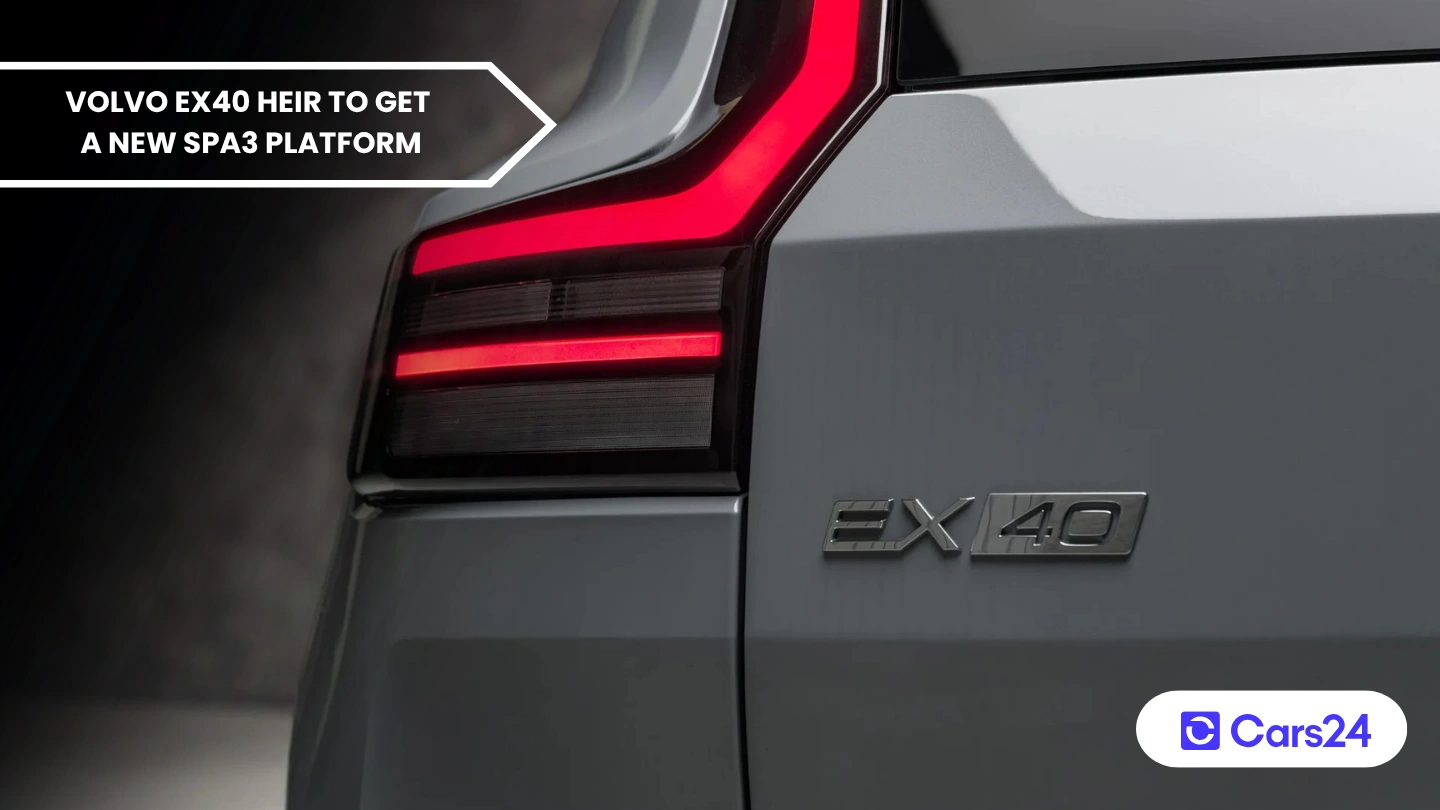
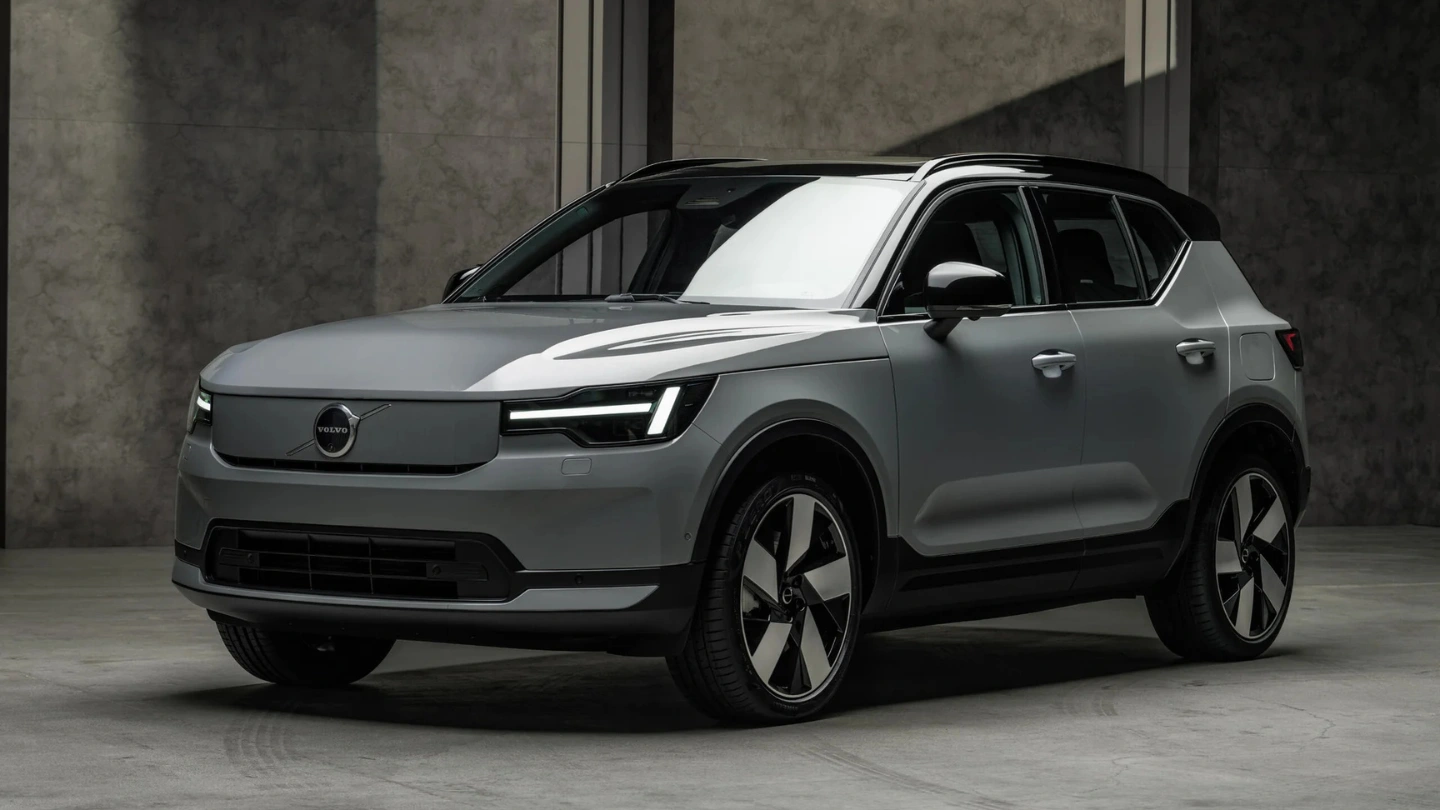
Volvo is expected to replace its EX40 electric SUV with a new-generation model using the company’s latest SPA3 architecture, as part of an ambitious global product rollout. The new vehicle could arrive as early as 2027, joining a planned 13 new models Volvo intends to launch between now and 2030.
Volvo has not confirmed the upcoming model’s identity or its local arrival. Its description of a new, lower-priced electric vehicle points towards the C-SUV segment occupied by the current EX40, and the brand is counting on new EVs to help reverse falling sales and improve profitability.
New Volvo electric SUV planned for 2027
Volvo president and CEO Håkan Samuelsson confirmed the upcoming SPA3-based electric vehicle in a statement accompanying the company’s third-quarter financial results.
“In 2027 we will introduce our next BEV car based on the SPA3 platform, targeting a large lower-priced market segment, with the first customer deliveries starting after summer. This will further strengthen our BEV leadership and improve margins,” Samuelsson said.
Volvo has not specifically identified the vehicle as an EX40 replacement, but its reference to a large, lower-priced market segment suggests the C-SUV category, where the EX40 competes.
The opportunity is substantial. According to an analysis published by Profit.ro, around 2.43 million C-SUVs were sold across Europe in 2025.
The upcoming model will sit below the EX60 in Volvo’s electric SUV range, and the EX60 is the first vehicle to use the new SPA3 platform.
What makes the SPA3 platform different?
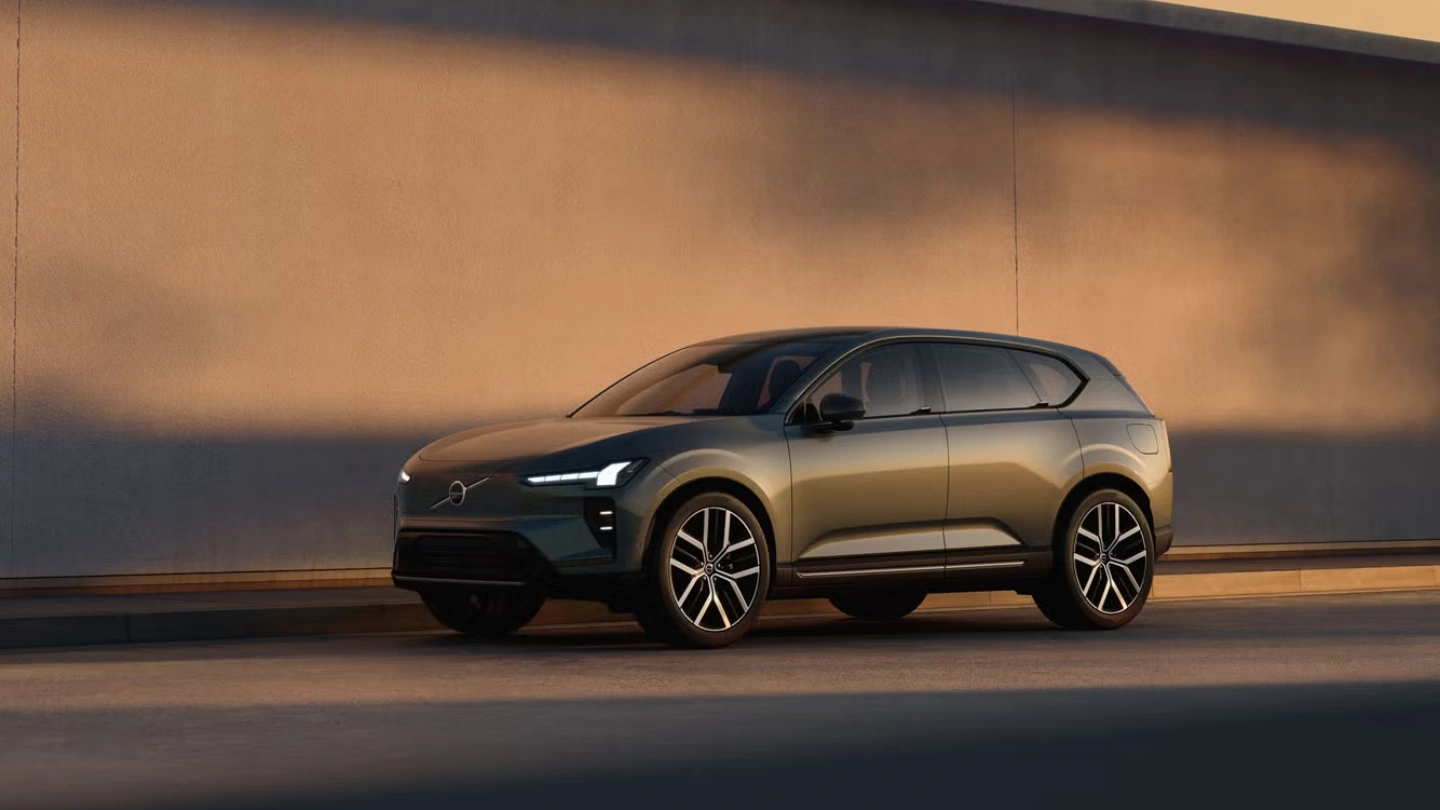
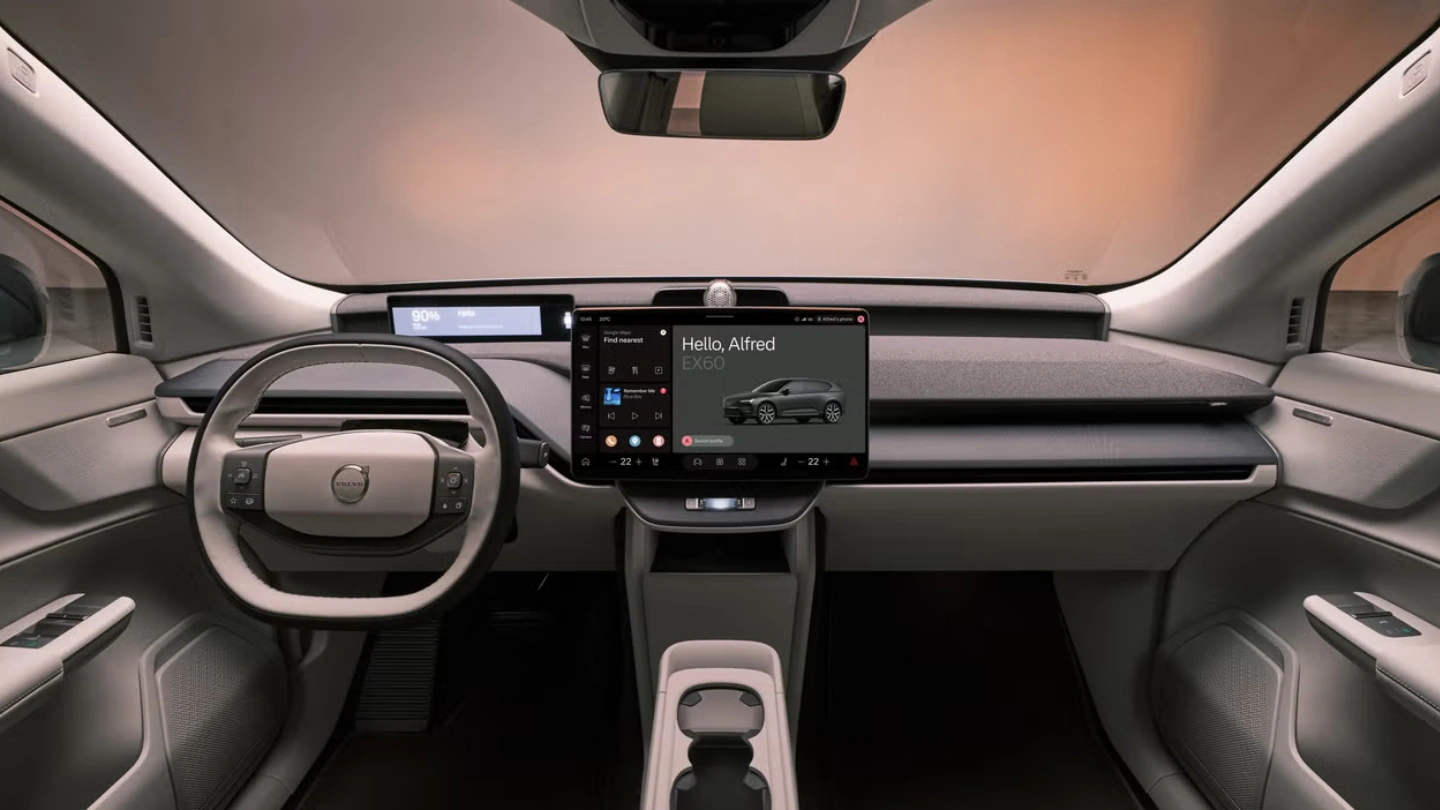
Volvo’s SPA3 architecture introduces cell-to-body battery construction, which integrates the battery into the vehicle’s structure, but the new technology has also contributed to difficulties in increasing EX60 production. Volvo says it has received more than 50,000 orders for the EX60 across Europe, and the electric SUV entered production in April.
The upcoming lower-priced model will use the same SPA3 underpinnings, although Volvo has yet to reveal its specifications, battery capacity, driving range or pricing.
Also read: 2027 Kia EV5 facelift leaked with more power and tech upgrades
Current Volvo EX40: platform, prices and Australian update
The current EX40 adopted its name in 2024, and before that, Volvo sold it as the XC40 Recharge Pure Electric. It shares the CMA (Compact Modular Architecture) platform with the petrol-powered XC40 SUV, which entered production in 2017.
The same architecture also underpins the Polestar 2. Volvo and Polestar belong to the Geely Group, alongside Zeekr, Lotus and Lynk & Co. The latter brand is not sold in Australia. The EX40 competes against electric SUVs such as the BMW iX1, Mercedes-Benz EQA and Audi Q4 e-tron.
| Volvo EX40 variant | Price before on-road costs |
|---|---|
| Single-motor RWD 185kW | $69,990 |
| Dual-motor AWD 300kW | $74,990 |
Volvo revealed an updated EX40 in Europe in September. The revised model is scheduled to reach Australian showrooms sometime in 2027, although the company has yet to announce its full specifications or local arrival timing.
Volvo plans 13 new models by 2030
The upcoming EX40 successor is part of a much broader product expansion as Volvo plans to introduce 13 new models globally between now and 2030. So far, the company has outlined four of those vehicles:
- A more affordable electric vehicle using the SPA3 platform
- Two models developed specifically for China
- A new model focused on the US market, with multiple powertrain options
The US-focused vehicle will be manufactured at Volvo’s Charleston plant in South Carolina. The company has not yet detailed the remaining models in its 13-vehicle rollout.
Falling sales prompt Volvo turnaround plan
Volvo outlined its new-model plans alongside its third-quarter 2026 financial results, which showed global sales fell 10% between January and September. The company also announced plans to cut approximately 2500 jobs as it looks to secure another SEK5 billion (A$734 million) in savings.
Electric vehicles remain central to its recovery strategy, as they accounted for 32% of Volvo’s global sales in the third quarter of 2026, up from 22% during the same period in 2025. The automaker is relying on continued EV growth to support its turnaround.
However, Volvo has already stepped back from its earlier target of selling only electric vehicles by 2030. In 2024, it revised that ambition, setting a goal for fully electric vehicles and plug-in hybrids to account for 90 to 100% of global sales by the end of the decade.
Volvo’s Australian sales fell 6.2% between January and September 2026 and the decline was smaller than that recorded by several other luxury brands over the same period:
| Brand | Sales decline, Jan–Sep 2026 |
|---|---|
| Volvo | 6.2% |
| Mercedes-Benz | 7.7% |
| BMW | 12.5% |
| Lexus | 12.9% |
| Audi | 21.3% |
The upcoming SPA3 electric SUV could give Volvo a fresh competitor in Europe’s high-volume C-SUV segment, while helping the brand improve margins. For Australia, the updated EX40 is already scheduled for 2027, but Volvo has yet to confirm whether its next-generation successor will also reach local showrooms.

Comments
New Comment