




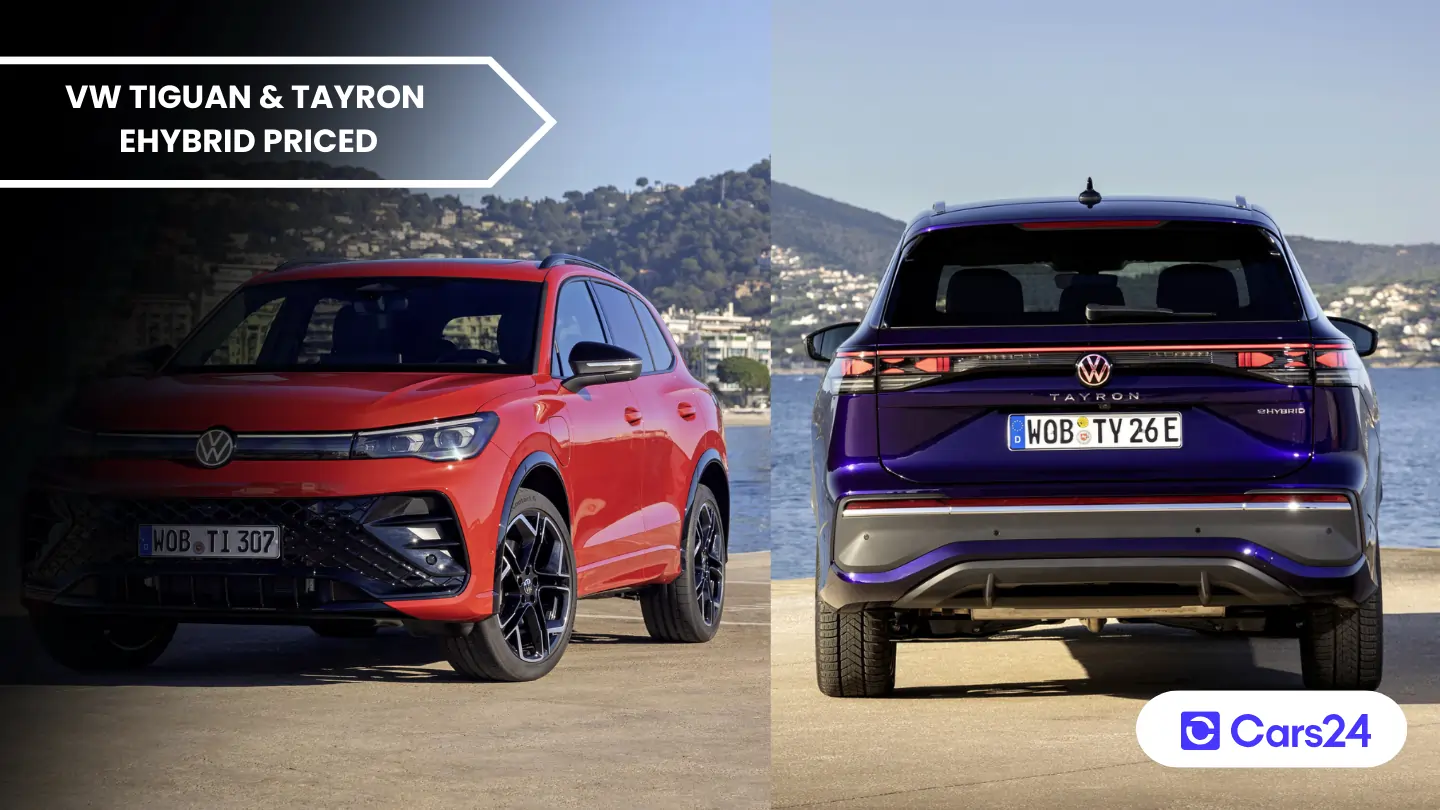
Volkswagen Australia has confirmed pricing and specification highlights for its next wave of plug-in hybrid SUVs. The Volkswagen Tiguan eHybrid and the larger Volkswagen Tayron eHybrid will be available in local showrooms in the second quarter of 2026.
The two models introduce Volkswagen’s latest-generation PHEV technology to the Australian mid-size SUV segment, offering a long electric-only range, fast-charging capability, and familiar petrol-hybrid flexibility, aimed at private buyers and fleets.
Pricing and positioning within the range
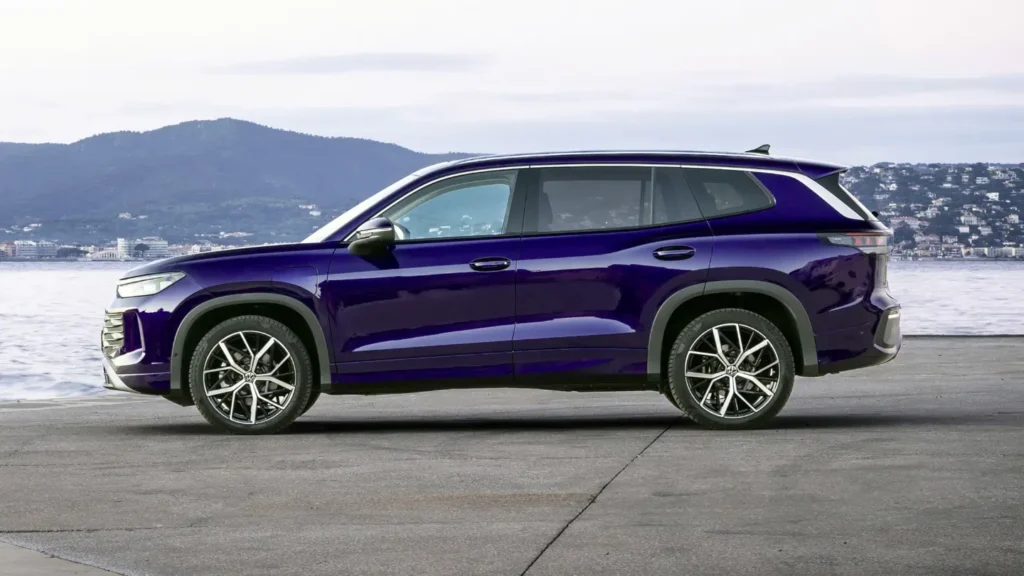
Volkswagen has positioned the eHybrid variants just above the equivalent petrol-powered Elegance and R-Line grades. The company says the price uplift brings tangible benefits, including electric-only driving, higher combined outputs and significantly reduced fuel consumption.
Volkswagen Tiguan eHybrid – pricing (MRRP, incl. GST)
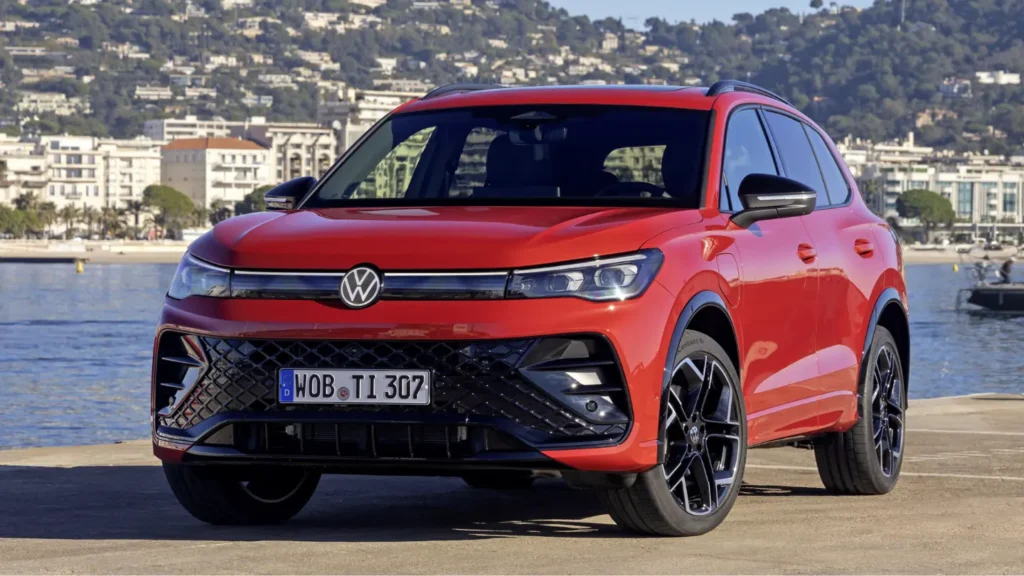
| Variant | Price |
| Volkswagen Tiguan 150TSI eHybrid Elegance | $64,590 |
| Volkswagen Tiguan 200TSI eHybrid R-Line | $74,550 |
Volkswagen Tiguan eHybrid highlights:
- Five-seat layout
- 490 litres of luggage capacity
- Focus on urban usability with mid-size SUV practicality
Optional equipment:
- Metallic paint: $800
- Premium metallic paint: $1,100
- Panoramic sunroof (Elegance, R-Line): $2,100
- Black Style Package (R-Line): $1,500
Volkswagen Tayron eHybrid – pricing (MRRP, incl. GST)
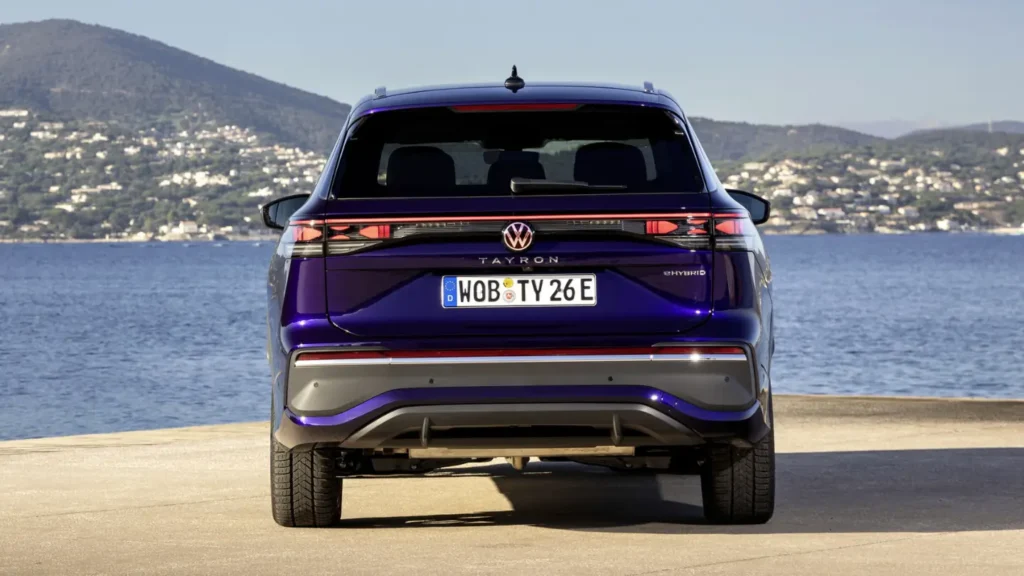
| Variant | Price |
| Volkswagen Tayron 150TSI eHybrid Elegance | $62,390 |
| Volkswagen Tayron 200TSI eHybrid R-Line | $76,550 |
Volkswagen Tayron eHybrid highlights:
- Larger body and cabin than Tiguan
- 705 litres of boot space
- Positioned as a more family-focused option
Optional equipment:
- Metallic paint: $800
- Premium metallic paint: $1,100
- Sunroof (Elegance, R-Line): $2,100
- Sound & Vision Package (Elegance): $4,200
- Black Style Package (R-Line): $1,500
New-generation plug-in hybrid system
Both SUVs are built around Volkswagen’s newest plug-in hybrid architecture, combining a 1.5-litre turbocharged petrol engine with an electric motor and a 19.7kWh lithium-ion battery.
Powertrain overview (WLTP)
| Specification | Detail |
| Petrol engine | 1.5-litre TSI turbo |
| System outputs | 150kW or 200kW (variant dependent) |
| Battery capacity | 19.7kWh |
| Electric-only range | 113–117km |
| Combined fuel use | 1.6–1.8L/100km |
Volkswagen says the quoted electric range is sufficient to cover the average daily commute without using petrol, while hybrid operation enables long-distance touring without charging anxiety.
Charging capability
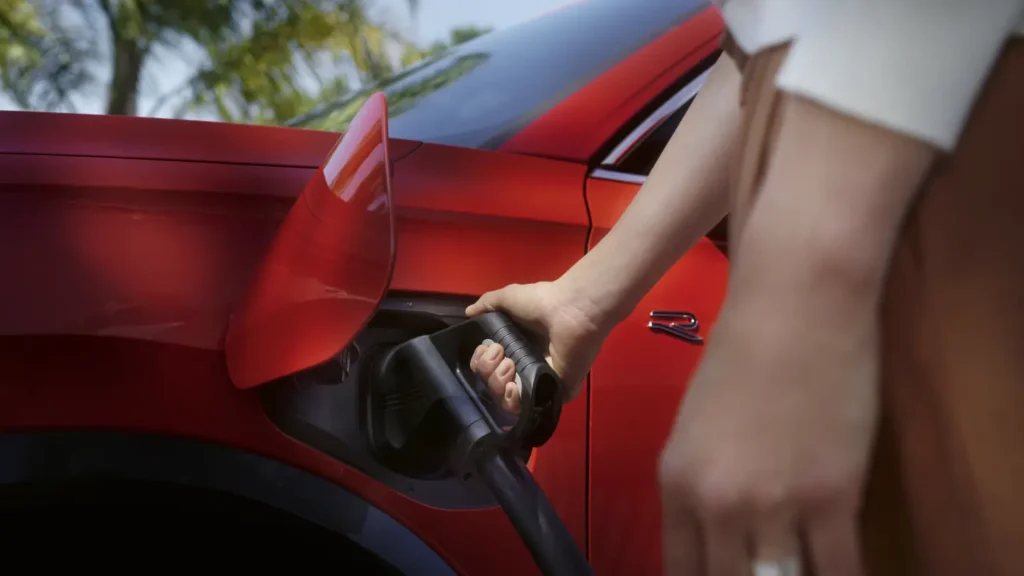
Unlike earlier PHEVs, both models support relatively high charging speeds for their class.
- AC charging: up to 11kW
- DC fast charging: up to 40kW
This allows owners to recharge more quickly at public DC chargers, while AC charging suits home and workplace use.
Volkswagen Tiguan vs Tayron: same tech, different roles
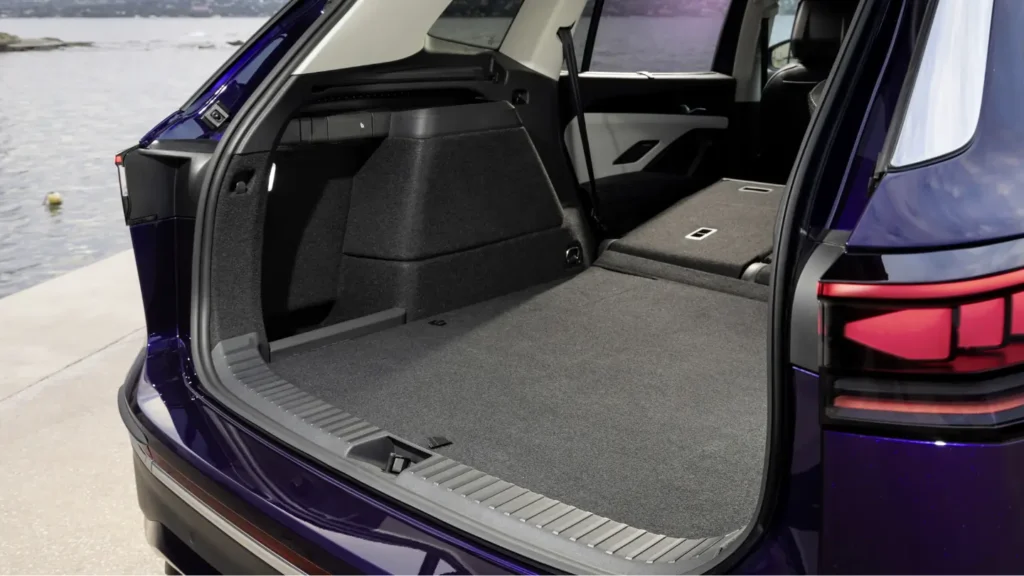
Although the two SUVs share identical plug-in hybrid hardware, Volkswagen is clearly differentiating them by size and intended use.
- Volkswagen Tiguan eHybrid: Continues as Volkswagen’s core mid-size SUV, prioritising manoeuvrability, everyday usability and a premium interior in a more compact footprint.
- Volkswagen Tayron eHybrid: Sits one class above, offering greater rear-seat space and a significantly larger boot, targeting families who need extra room without stepping into a large SUV.
Equipment and driving focus
Both models will be offered in Elegance and R-Line trims, with Volkswagen confirming premium interior materials, large digital displays and its latest suite of driver assistance systems across the range.
According to Volkswagen, the eHybrid SUVs are designed to handle:
- Electric-only urban commuting
- Hybrid long-distance touring
- Everyday SUV duties, including family transport and luggage hauling
Local availability
The Volkswagen Tiguan eHybrid and Volkswagen Tayron eHybrid are scheduled to arrive in Australian dealerships in Q2 2026, with order books opening soon. Local distribution and support will be handled by Volkswagen Group Australia.
Further specification details are expected closer to the vehicles’ on-sale date.

Comments
New Comment