




XPeng’s ambitions in the emerging flying car segment have taken a significant step forward, with the company confirming that one Australian buyer is among the thousands of customers who have already reserved its electric vertical take-off and landing (eVTOL) aircraft.
The revelation came during a media briefing where XPeng executives disclosed that global demand for the company’s flying car has surpassed 11,000 orders ahead of its planned commercial rollout.
Australian buyer among 11,000 XPeng flying car orders
According to XPeng Australia senior marketing and communications executive Terry Zhang, interest in the company’s flying vehicle continues to grow worldwide.
“We are already opening orders globally for the flying cars, and actually we have collected 11,000 orders worldwide,” Zhang said during the briefing.
When asked whether any Australian customers had placed an order, Zhang confirmed at least one local buyer had already committed to purchasing the vehicle.
“There is someone living in Australia buying one already.”
While XPeng did not identify the customer, company representatives indicated the buyer is based on the Gold Coast.
Bringing the XPeng flying car to Australia won’t be easy
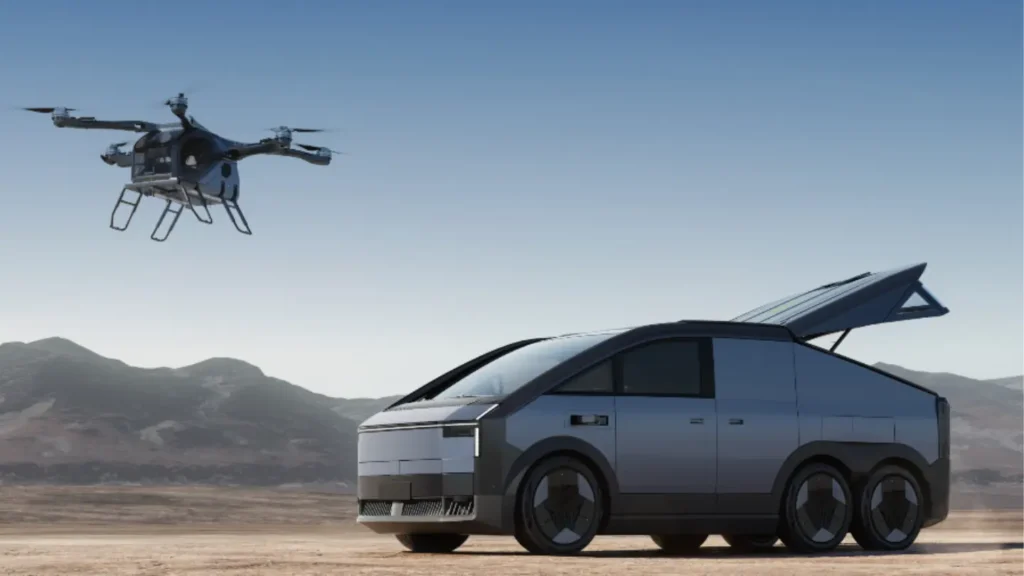
Despite the reservation, there is currently no confirmed pathway for the vehicle to operate legally in Australia. XPeng acknowledged that the Australian customer intends to purchase the flying car overseas before exploring options to import it locally.
“He’s an Australian. He lives in Australia, but he will purchase overseas,” Zhang said. “And I think he’s still finding ways to bring it here and get it going.”
Unlike conventional passenger vehicles, flying cars face a complex approval process involving aviation regulators, certification standards, and airspace management requirements.
CASA approval remains a major hurdle
Before privately owned eVTOL aircraft can operate in Australia, regulatory approval will be required from the Civil Aviation Safety Authority (CASA). XPeng confirmed it plans to engage with CASA regarding certification requirements and future regulatory pathways for its flying vehicle.
Any future Australian operation would likely require approval covering areas such as airworthiness certification, operational safety, low-altitude airspace management, and pilot licensing. As a result, there is currently no confirmed timeline for when XPeng’s flying car could legally take to Australian skies.
XPeng targets private ownership rather than air taxi services
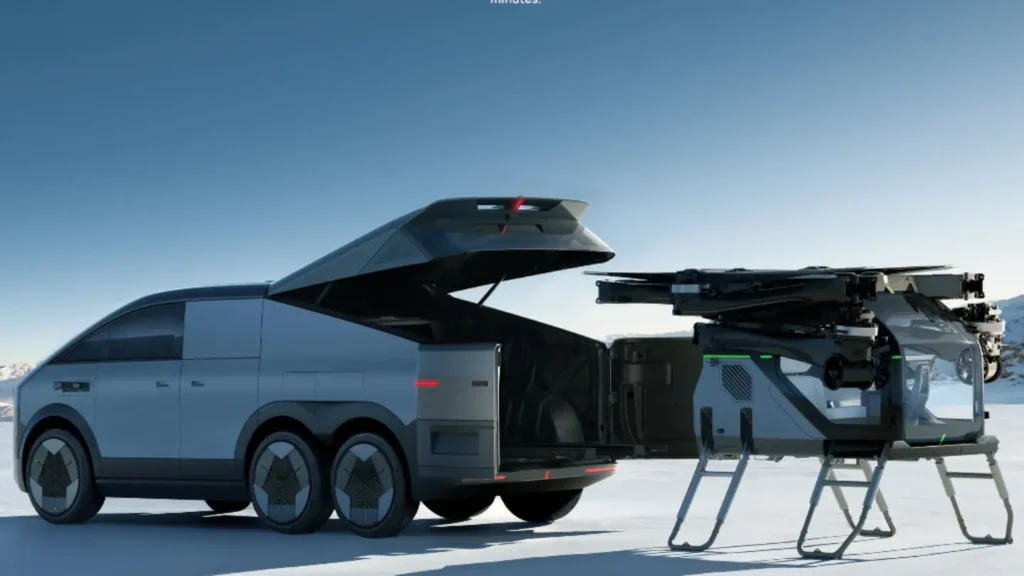
Unlike several rivals developing aircraft primarily for commercial ride-sharing and air taxi networks, XPeng is positioning its flying vehicle as a product that can be privately owned by individual customers.
The company believes personal flying vehicles could become a viable mobility solution in the future, provided regulatory frameworks evolve to support the technology.
The approach differs from many competing eVTOL projects, which are focused on transporting passengers through commercial aviation services rather than individual ownership.
Competition intensifies in the flying car sector
XPeng is not alone in pursuing the future of urban air mobility. Several major players are investing heavily in eVTOL technology, including Hyundai-backed Supernal, Joby Aviation, and EHang, with many companies already conducting extensive flight testing programs overseas.
Growing investment and increasing certification efforts suggest the race to commercialise flying vehicles is accelerating globally, although widespread adoption remains years away in many markets.
What it means for Australia
While an Australian launch of the XPeng flying car has not been confirmed, the existence of a local buyer highlights growing interest in advanced air mobility technologies.
Any future deliveries in Australia will depend on import approvals, regulatory development, and CASA certification processes. However, the confirmation of an Australian order suggests the technology is already attracting attention from local enthusiasts, even before a formal pathway for operation exists.
For now, Australia’s first privately owned XPeng flying car remains a future prospect rather than an imminent reality, but the company’s latest comments indicate that interest in flying vehicles is no longer limited to overseas markets.

Comments
New Comment